




Author: Enrique Benedetti
Contact the author of these articles at orlando@paulfrasercollectibles.com
Contact the author of these articles at orlando@paulfrasercollectibles.com
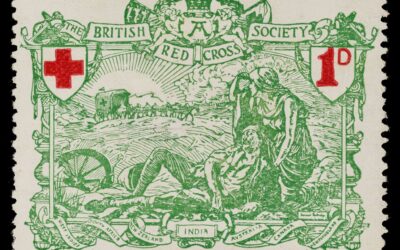
What is a stamp collection actually worth? Not the catalogue total. Dealers weigh five separate figures, from insurance value to what they will pay that day, and every one of them moves with condition, certificates and ownership history. From gum and centring to the paper trail behind record sales like the Z Grill and the British Guiana Magenta, here is how valuation really works.

New to philately? This guide to the best stamps to collect if you’re just starting out shows where a beginner’s money goes further than fame suggests. A genuine Penny Black can be found from £375, catalogue numbers are not catalogue values, and cheap routes into the hobby, from kiloware to a specialist society, teach more than a shelf of expensive stock ever will.
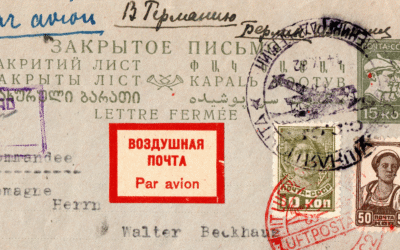
Philately, the formal name for stamp collecting, began the moment the Penny Black went on sale in 1840. This beginner’s guide covers where the hobby came from, the main types of stamp you will meet, why stamps carry real cultural weight, how rarities such as the British Guiana One-Cent Magenta became genuine investments, and the simple tools needed to start a themed collection of your own.
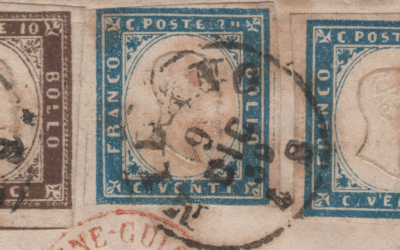
What makes a stamp worth millions? Almost always, a mistake. From an upside-down aeroplane to a colour swapped between two denominations, we count down the ten most valuable stamps and postal covers ever sold at auction, from a unique 1856 survivor from British Guiana to a Chinese revenue stamp overprinted the wrong way up in 1897, ranked by price in sterling.
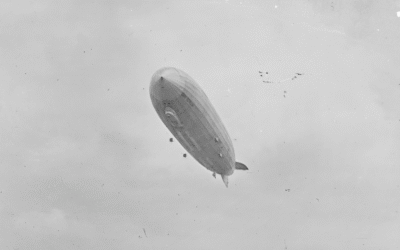
In 1930 the United States printed three million Graf Zeppelin stamps and sold barely a tenth, an expensive flop that became one of philately’s great scarcities. Alongside Germany’s own Zeppelin issues, these now sell from under £100 for a flown postcard to several thousand pounds for a plate block set. Here is what beginners should know before buying.
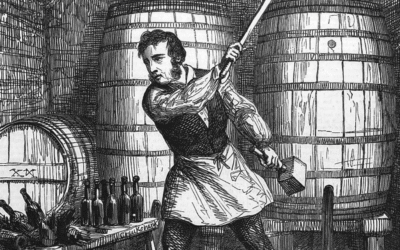
Cask whisky investment promises returns bottles cannot match, but the market has no regulator, no published price list and no safety net if a firm fails. This beginner’s guide explains how cask ownership actually works, what genuinely drives a cask’s value, the storage, insurance and duty costs that follow the purchase price, and how to recognise a scam before you sign anything.
Building a first wine cellar starts long before the first bottle goes in the rack. This guide covers Bordeaux and Burgundy’s classification systems, buying en primeur, the temperature and humidity a cellar needs, and why provenance matters more than any label. It ends with the simplest starting point: a mixed case and a proper record of where it came from.
Why does one bottle of Romanée-Conti fetch $558,000 while another from the same vintage barely covers its own auction fees? Rare vintage wine value depends on a handful of provable factors collectors weigh before they bid: provenance, surviving rarity, the producer’s own reputation, condition and storage history, bottle format, and the critic scores that move demand long before the hammer falls.
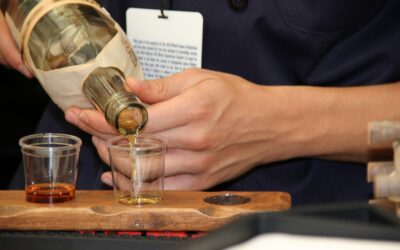
Autographed whisky bottles range from a £17.50 House of Commons bottle signed by a backbench MP to a Yamazaki 50 Year Old that made £784,000 in Hong Kong. This guide explains who signs a bottle, master distillers, artists or public figures, how to check a signature is genuine, and where new collectors can find an honestly documented bottle without a six figure budget.

A single Scotch whisky bottle made £2,187,500 at auction in 2023. A carbon-dating study found 21 supposedly rare bottles were fake. Both sit either side of the same divide: what can be checked against a public record, and what cannot. This guide explains how bottle and cask investment differ, what actually drives a bottle’s price, and the paperwork new buyers should ask to see first.
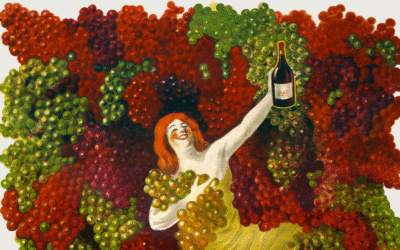
Ten single bottles, from a record $812,500 Romanée-Conti 1945 to a Musigny by Domaine Leroy. Seven come from one small Burgundy domaine, and the bottle at the top set the world record twice over from the same cellar. Cases and barrels are excluded, and every price is verified against the auction houses’ own records rather than press reports.
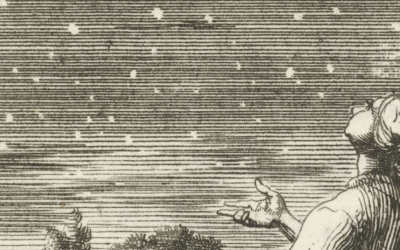
A Rembrandt drypoint just broke the world auction record for any old master print, and the IFPDA Print Fair has never been busier. Behind the headline lies a market of tiny technical distinctions, where a sharp early impression and a worn late one differ tenfold in price. Here is what is driving the surge in etchings and engravings, and how to buy in without Christie’s-level money.
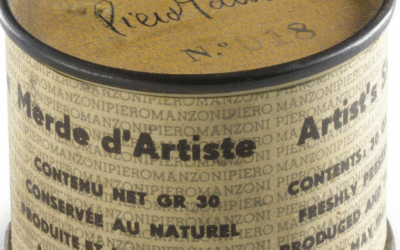
From a tin of preserved excrement priced by its weight in gold to an artist who arranged to be shot with a real rifle, these are works that argued their way into history rather than charmed their way in. This countdown covers ten pieces that provoked lawsuits, obscenity trials, vandalism and resignations, plus three more that pushed the same limits even further.
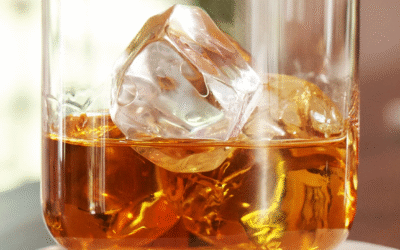
Six of the world’s ten most expensive whiskies trace back to one Macallan cask filled in 1926. The rest come from Japan, where Yamazaki and Karuizawa bottles have closed the gap on Scotch. From a £2.19 million Sotheby’s sale to a Hong Kong record set months ago, here are the ten highest whisky prices, each checked against the auction house’s own record.
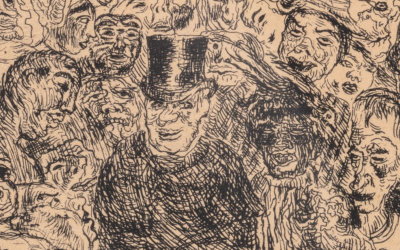
James Ensor turned etching into a weapon. His skeletons stood in for his own mortality, and King Leopold II was reduced to a joke about excrement. This guide traces the Belgian master’s macabre prints from their 1886 origins as a cheap alternative to painting, through to what they fetch now: a signed etching under £2,500, or a political rarity estimated at £30,000 to £50,000.