




The best stamps to collect if you’re just starting out cost less than a round of drinks, not the six or seven figures that make the newspapers. Stamp collecting, or philately, began almost as soon as the postage stamp itself: within a few years of the Penny Black’s appearance in 1840, people were already keeping the things rather than throwing them away.
That accident of history is still the hobby’s appeal. A single printed label, produced in the millions, carries a date, a place and a portrait, all for the price of a stamp. Because so many were kept rather than used, a beginner can build a genuinely old collection, stamps from the 1840s and 1850s, on a modest budget, which is true of almost no other antique.
This guide sets out where a new collector’s money is best spent: which classic issues are more affordable than their reputation suggests, how to read a catalogue without being misled, and which routes into the hobby, from mixed bags of used stamps to a specialist society, cost little and teach the most.
Discover all in our:
The best stamps to collect if you’re just starting out
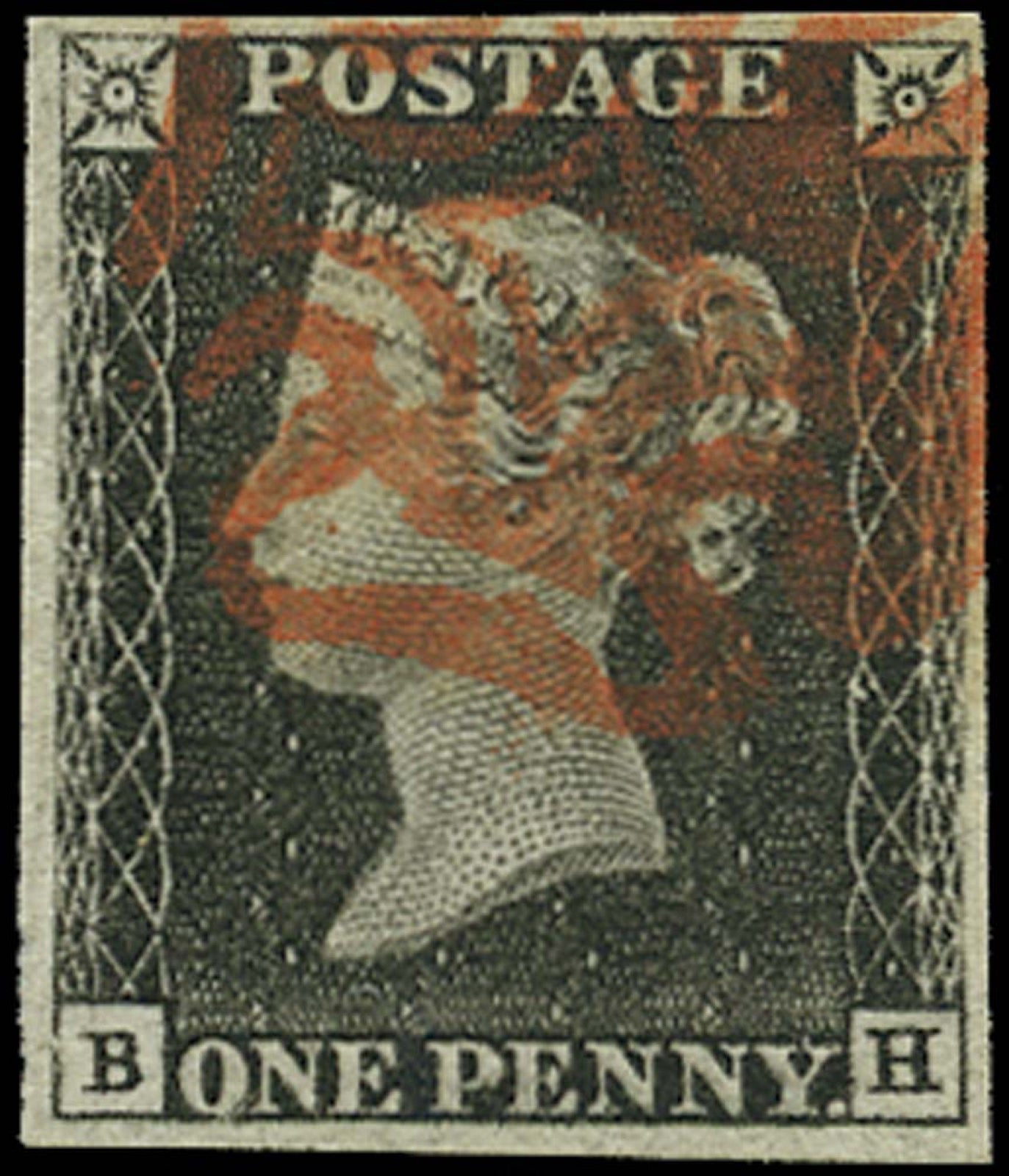
Credit: Paul Fraser Collectibles
The Penny Black is more affordable than its fame suggests
Issued on 1 May 1840 and valid from 6 May, the Penny Black was the world’s first adhesive postage stamp, showing the head of a 21-year-old Queen Victoria. The print run ran to 286,700 sheets, 68,808,000 stamps in total, which is why it is not, on its own, a rare object. It lasted less than a year: a red cancellation mark was hard to see against the black design and easy to wash off, letting a used stamp pass as new, so the Post Office replaced it with the Penny Red in February 1841.
That huge print run is good news for a beginner. A very fine used example with four clear margins and a Plate 7 number, catalogued as SG2, sold through Paul Fraser Collectibles for £375, a genuine entry point rather than a museum piece out of reach. At the other end of the hobby sits the British Guiana one-cent black on magenta, so rare that only one example survives: it sold at Sotheby’s in New York in 2014 for £5.5 million ($9,480,000 including buyer’s premium). Both are stamps. The gap between them is what makes philately worth exploring.
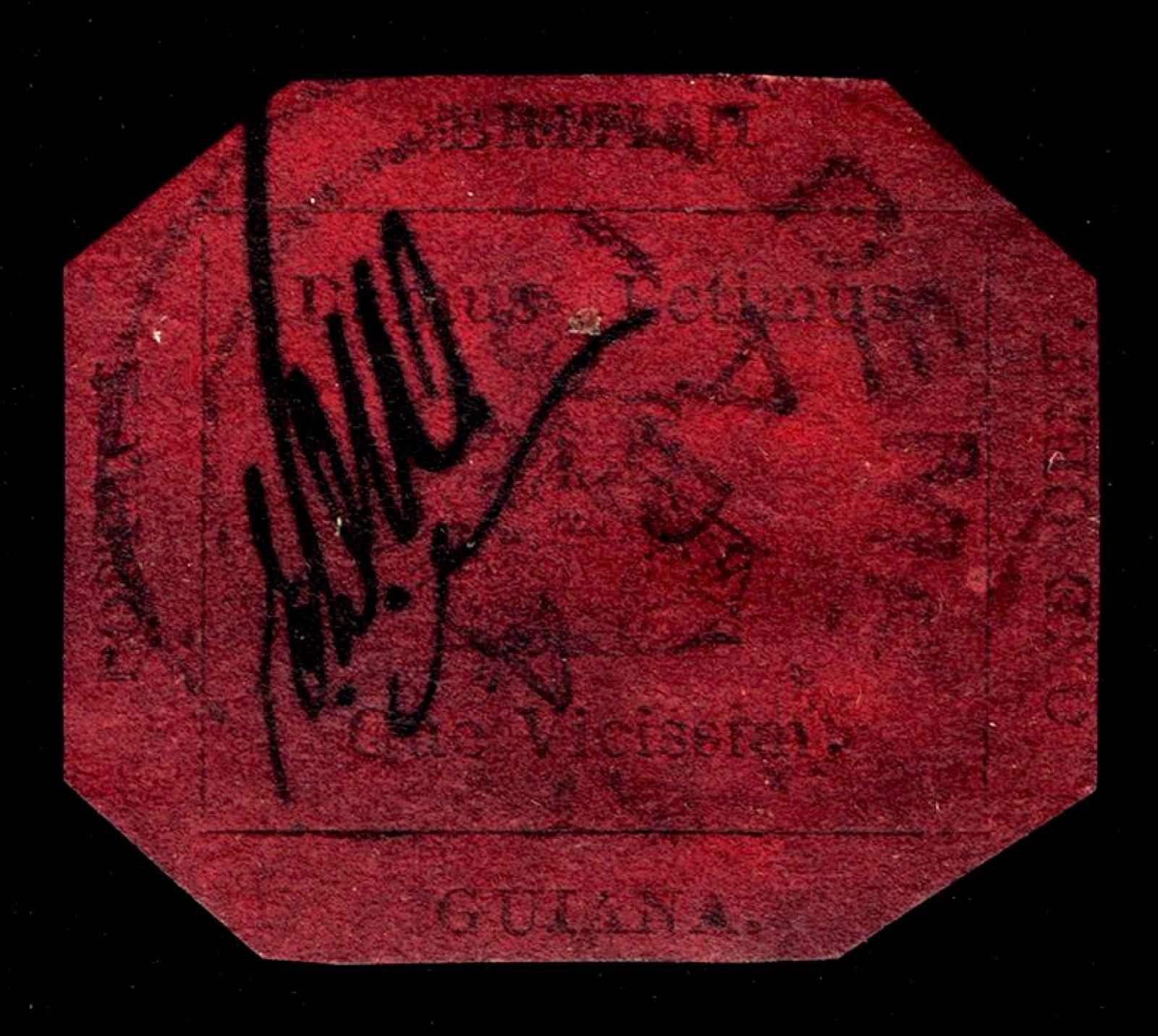
Credit: Public domain via Wikimedia Commons
Catalogue numbers matter more than catalogue values
Catalogue numbers, such as the SG2 above, are a shorthand every dealer understands: they identify which printing, plate or variety a stamp belongs to. Catalogue prices are different. They are a publisher’s retail guide, the price a dealer would charge if a stamp of that exact grade were in stock, not a record of what anyone has actually paid. A beginner who treats a catalogue figure as the stamp’s worth will be disappointed, or misled, at the point of sale.
Condition does most of the real work in setting a price, and the vocabulary is precise rather than loose. Centring, surviving perforations, the gum’s condition, the type of cancellation, and the width of the margins are all judged separately, and a dealer’s description reflects that: “fine used” and “superb unmounted mint” describe two different objects, not two ways of praising the same one. Reading a description this closely is worth more than any catalogue browsing.
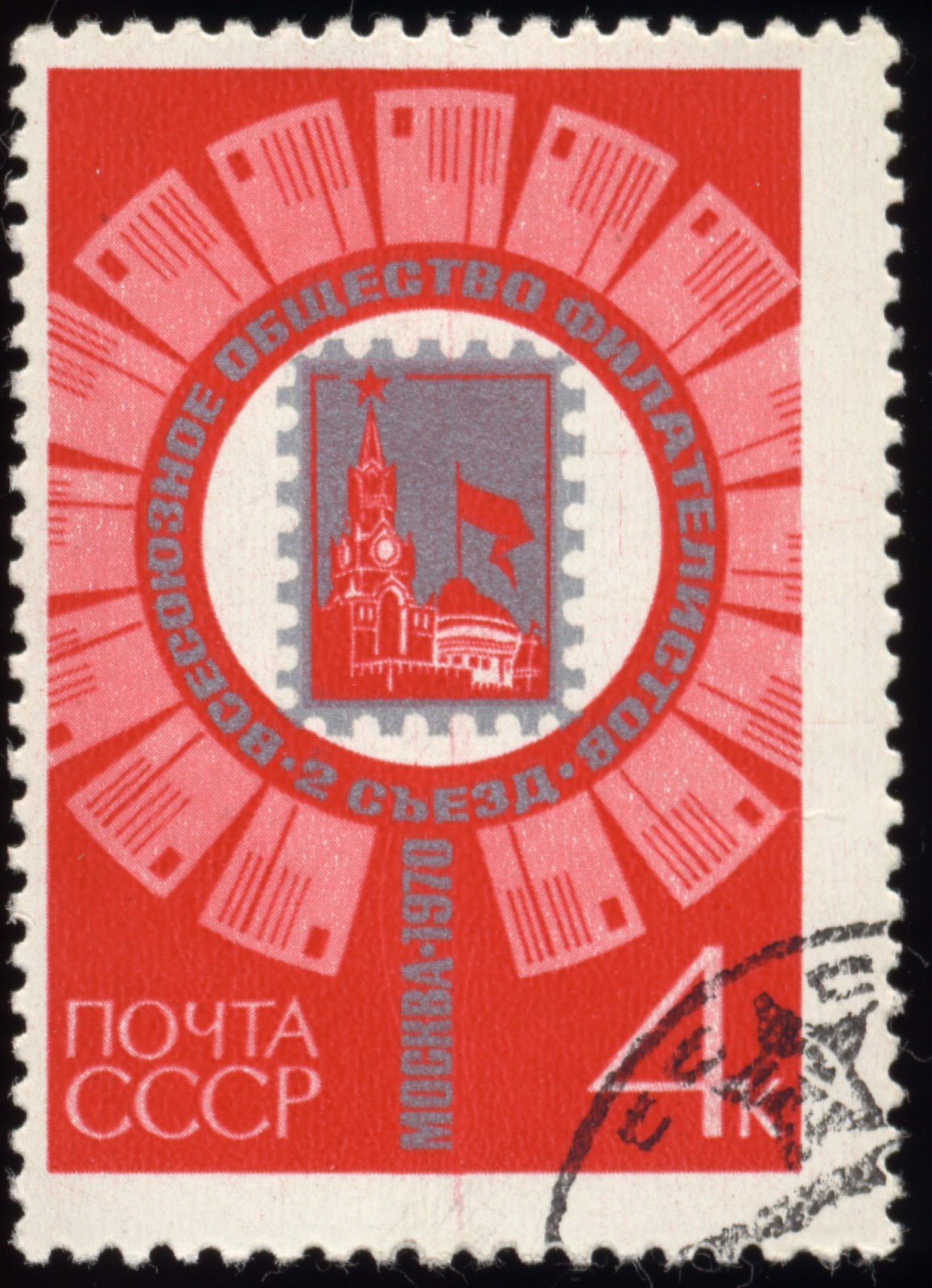
Credit: Public domain via Wikimedia Commons
Collecting by subject is the easiest way in
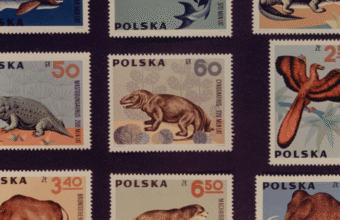
Not every beginner wants to start with a single country’s classic issues. Thematic, or topical, collecting takes a subject instead, birds, ships, space exploration, sport, gathering stamps that illustrate it regardless of country or decade. The appeal is visual and immediate: a railway-stamp collection does not require already knowing a plate number or a watermark type. Commemorative issues, produced in smaller runs than everyday definitives and meant to be looked at rather than used on a letter, suit this kind of collecting well and turn up cheaply everywhere.
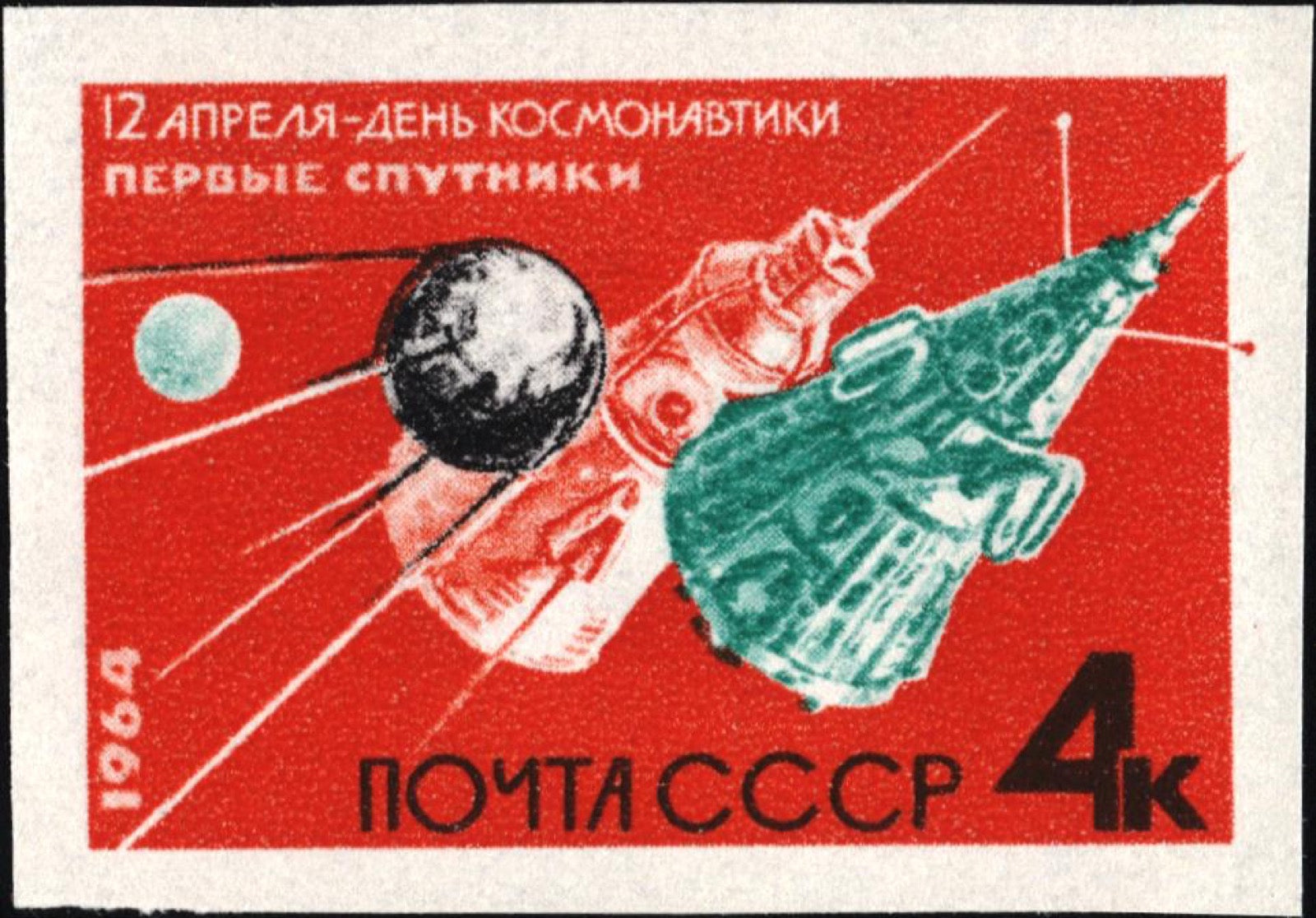
Credit: E. D. Aniskin / Post of the Soviet Union, public domain via Wikimedia Commons
Where the cheapest stamps come from
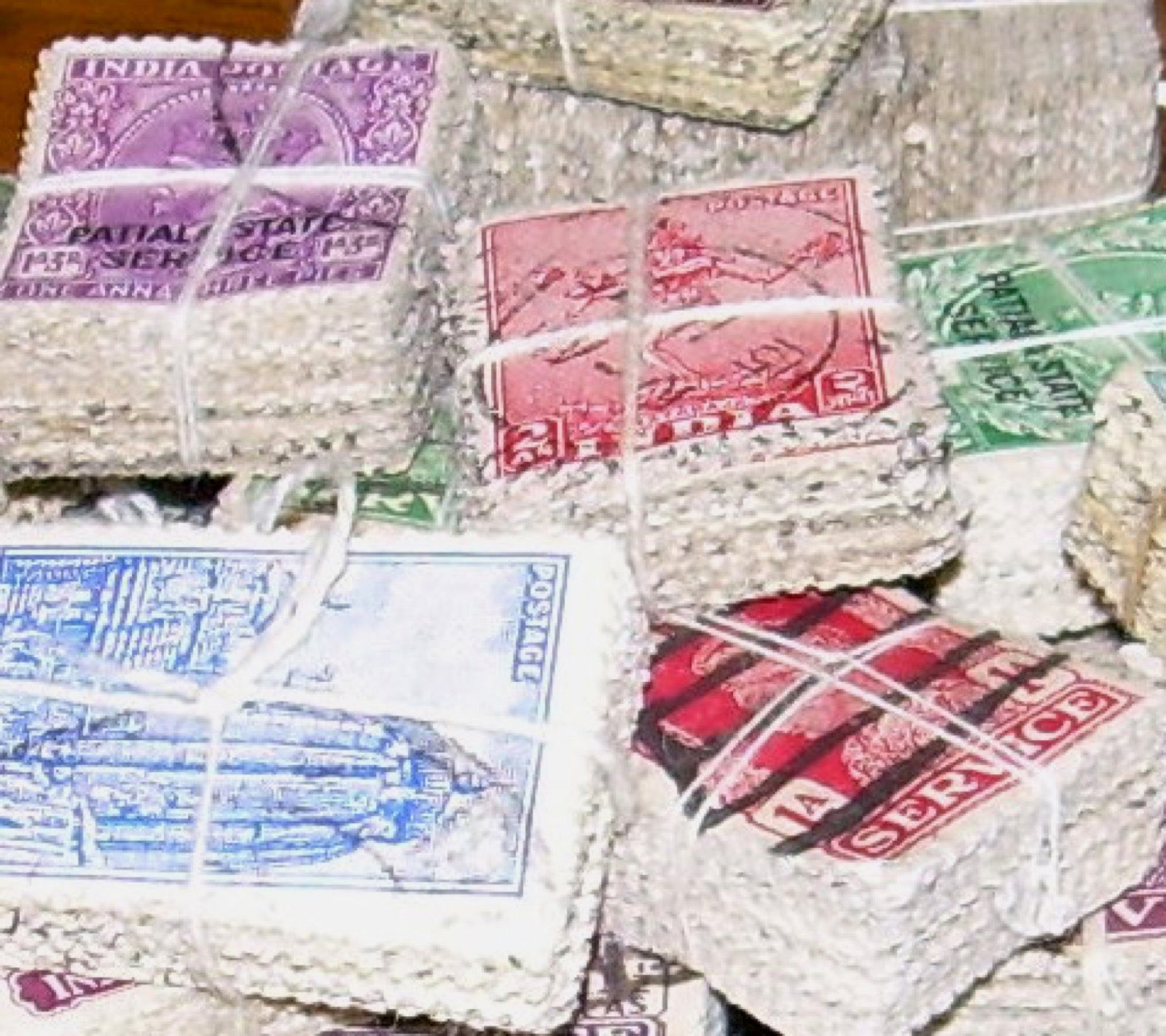
The least expensive way into the hobby is kiloware, stamps sold by weight rather than individually, usually still stuck to the corners of envelopes. A kilogram might contain many hundreds of stamps, mostly common ones, but the price works out at a small fraction of what any single stamp would cost bought separately from a dealer, and the job of soaking, sorting and identifying them is itself part of learning the hobby.
For a more structured start, specialist dealers sell ready-made beginner packs: an album or stock book, tweezers, a magnifier and a bundle of assorted stamps. Philatelic societies run a similar service through what they call approval or circuit books, parcels of stamps sent out to members on request, priced individually, with anything unwanted simply returned. It is a low-pressure way to see a wide range of material before deciding what to specialise in.
Credit: Public domain via Wikimedia Commons
Somewhere to ask when a stamp turns out to matter
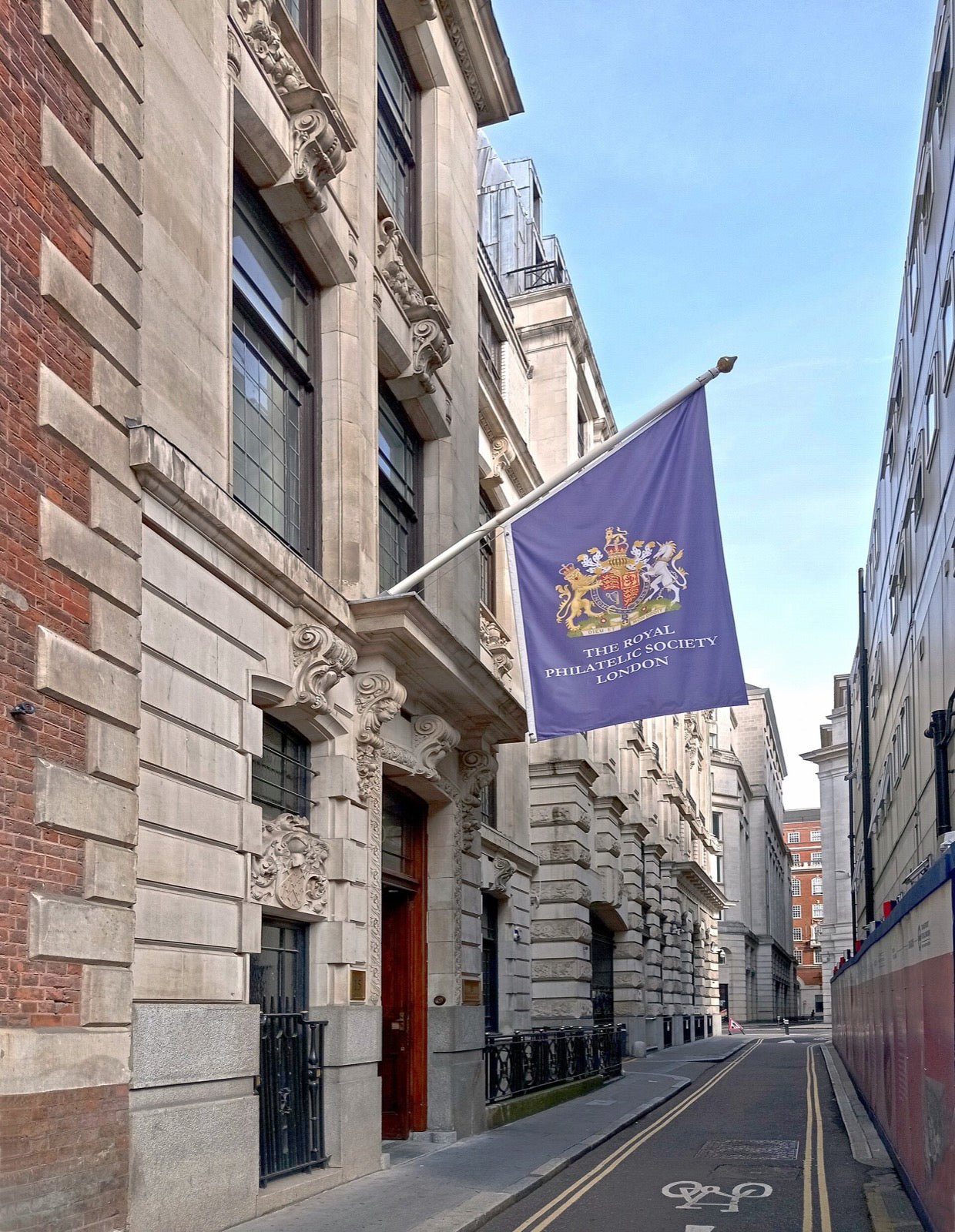
Serious rarities are also the most forged items in the hobby, so a certificate from a recognised expertising body matters more here than in most collecting fields. The Royal Philatelic Society London, founded in 1869, runs an Expert Committee that examines and certifies stamps on request, and holds a library of more than 400,000 items for members researching their own. A stamp’s fame counts for little without that kind of paperwork.
New collectors are better served by a society built for them. The American Philatelic Society covers the basics, what to collect, where to get stamps, how to store them, alongside a research library, circuit books for buying and selling by post, and collection insurance for members whose holdings have grown beyond a shoebox. Joining one of these organisations early, rather than after a costly mistake, is worth more than any single purchase.
Credit: Philafrenzy via Wikimedia Commons (CC BY-SA 4.0)
The hobby that starts at £375 and tops £5 million
What makes stamp collecting unusual is how little separates a beginner’s first purchase from the material that makes headlines. The Penny Black sold through Paul Fraser Collectibles for £375 and the British Guiana one-cent magenta that made £5.5 million at Sotheby’s are the same kind of object: a printed label authorising the carriage of a letter. What moved the second one into eight figures was scarcity, a single surviving example against the Penny Black’s tens of millions, not a different sort of appeal.
A new collector who starts with kiloware, learns to read a catalogue number rather than trust a catalogue price, and works out which condition terms actually change what a stamp is worth, is doing exactly what built every great collection before it. The scale is different. The skills are not.