




Cask whisky investment means buying an entire barrel of maturing Scotch, rather than a bottle, in the hope that it will be worth more by the time it is sold or bottled. The idea is simple enough: a newly filled cask costs far less than an aged one, and whisky can only be made by waiting. What is less simple is everything that sits underneath that idea, because a cask is a physical asset stored many miles away, in someone else’s warehouse, governed by tax rules that change and a market with no central price list.
That gap between the pitch and the paperwork is where most first-time buyers come unstuck. The Scotch Whisky Association has published guidance on personal cask investment for more than twenty years, and the reason it keeps needing an update is that the questions buyers ask, and the tricks some sellers use, do not go away.
This guide sets out how cask ownership works, what genuinely moves a cask’s value, what it costs beyond the purchase price, and how to spot the sellers worth avoiding.
Discover all in our:
Cask whisky investment: A beginner’s guide for first-time buyers
Credit: Rosser1954 Roger Griffith, public domain via Wikimedia Commons
How buying a cask works
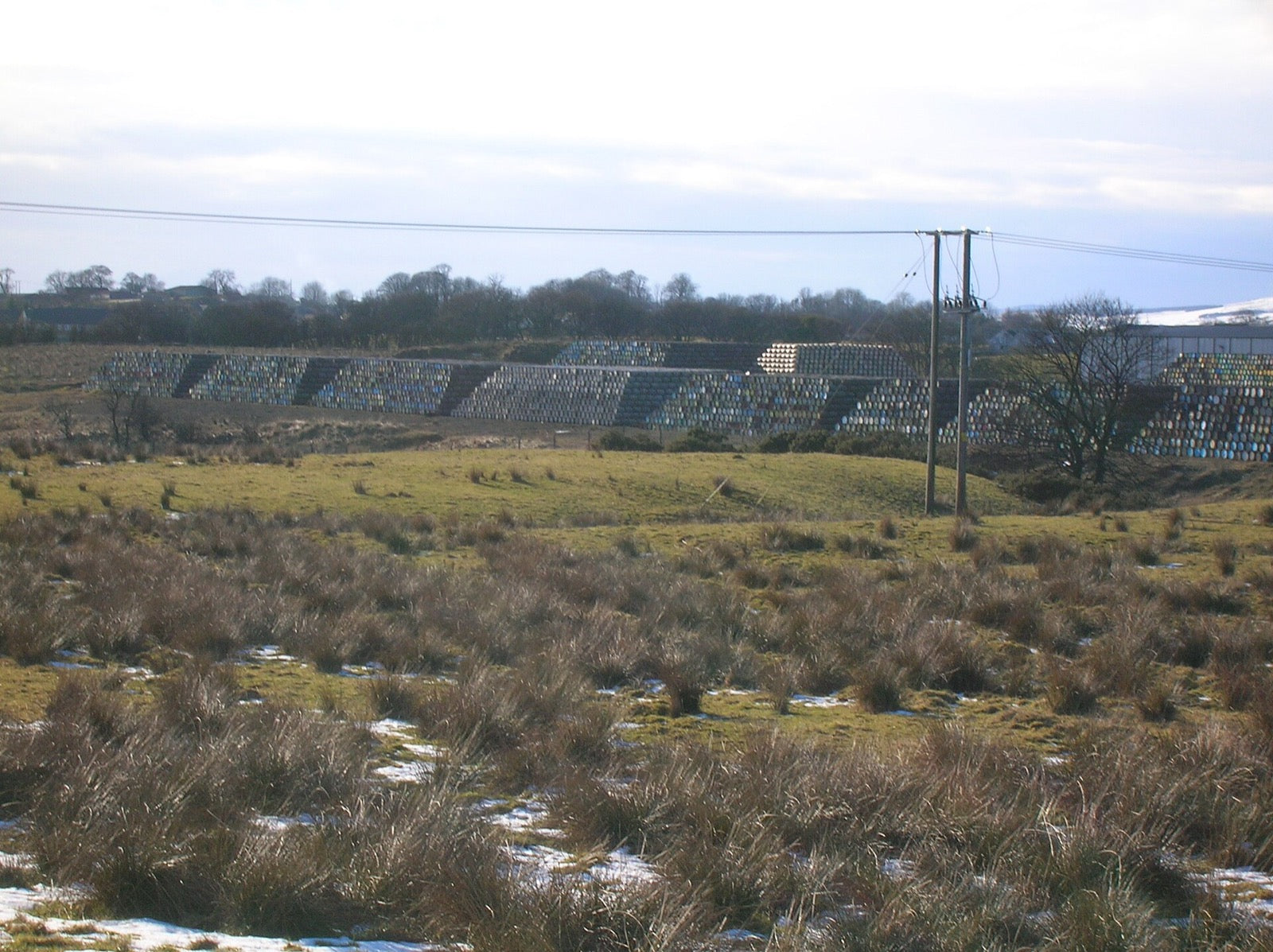
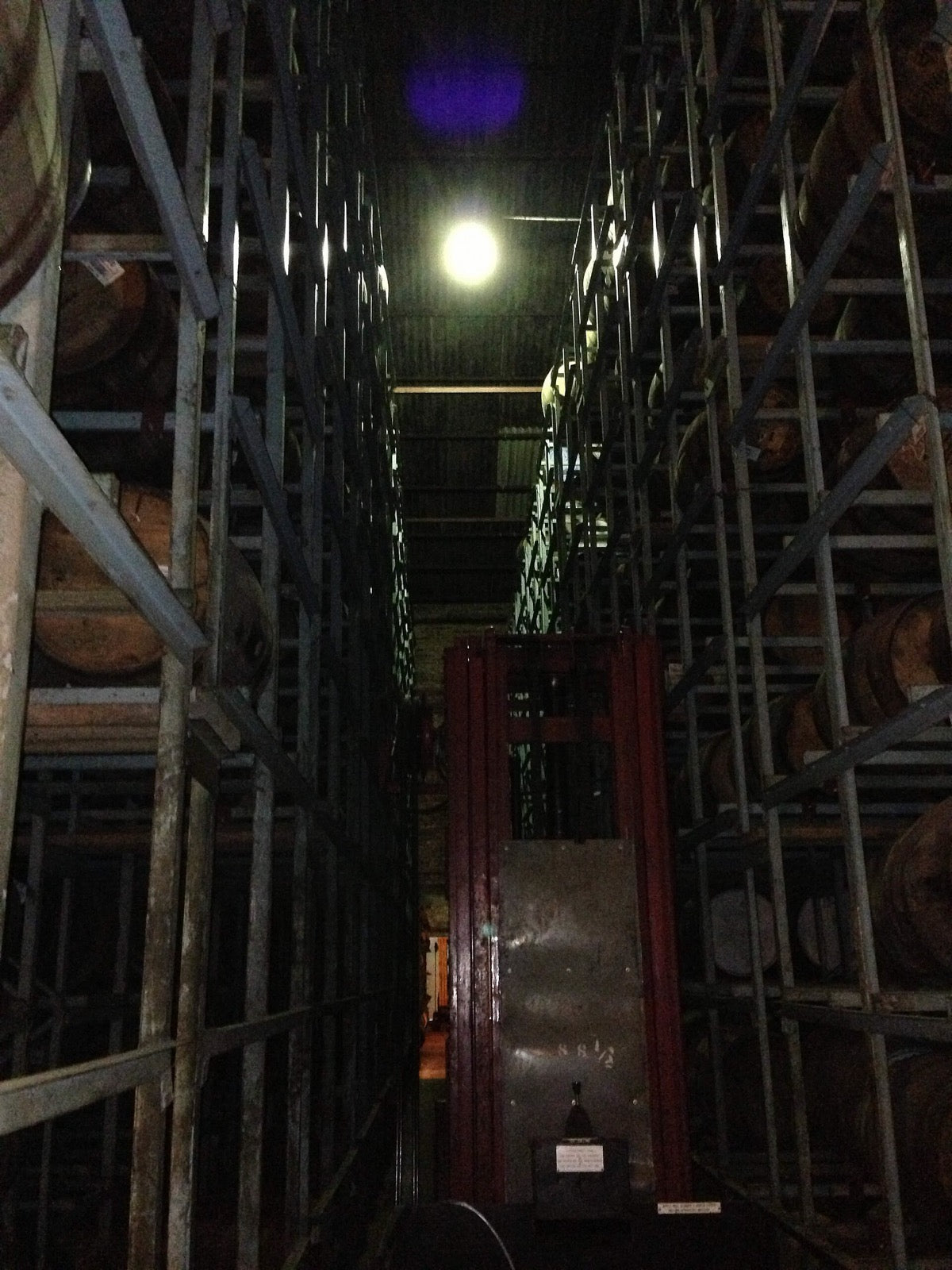
You do not take a cask home. It stays in an HMRC-approved bonded warehouse in Scotland for the whole time you own it, and what changes hands is the paperwork, not the barrel. The Scotch Whisky Association describes the traditional method as “a delivery order, a document setting out the details of the cask to be transferred, signed by purchaser and seller and then delivered to the warehousekeeper.” Skip that step and the risk is real: as the SWA puts it, “if the sale is not properly recorded, then there is a risk that the cask may be sold without your knowledge.”
The rules around who has to register as an owner changed on 3 March 2025, when new Warehousekeeper Regulations replaced the old Warehousekeepers and Owners of Warehoused Goods Regulations. Individual cask owners no longer need their own licence to hold a cask in their name; the compliance burden now sits with the warehousekeeper instead.

Credit: QueenBarenziah via Wikimedia Commons (CC BY 4.0)
What moves a cask’s value
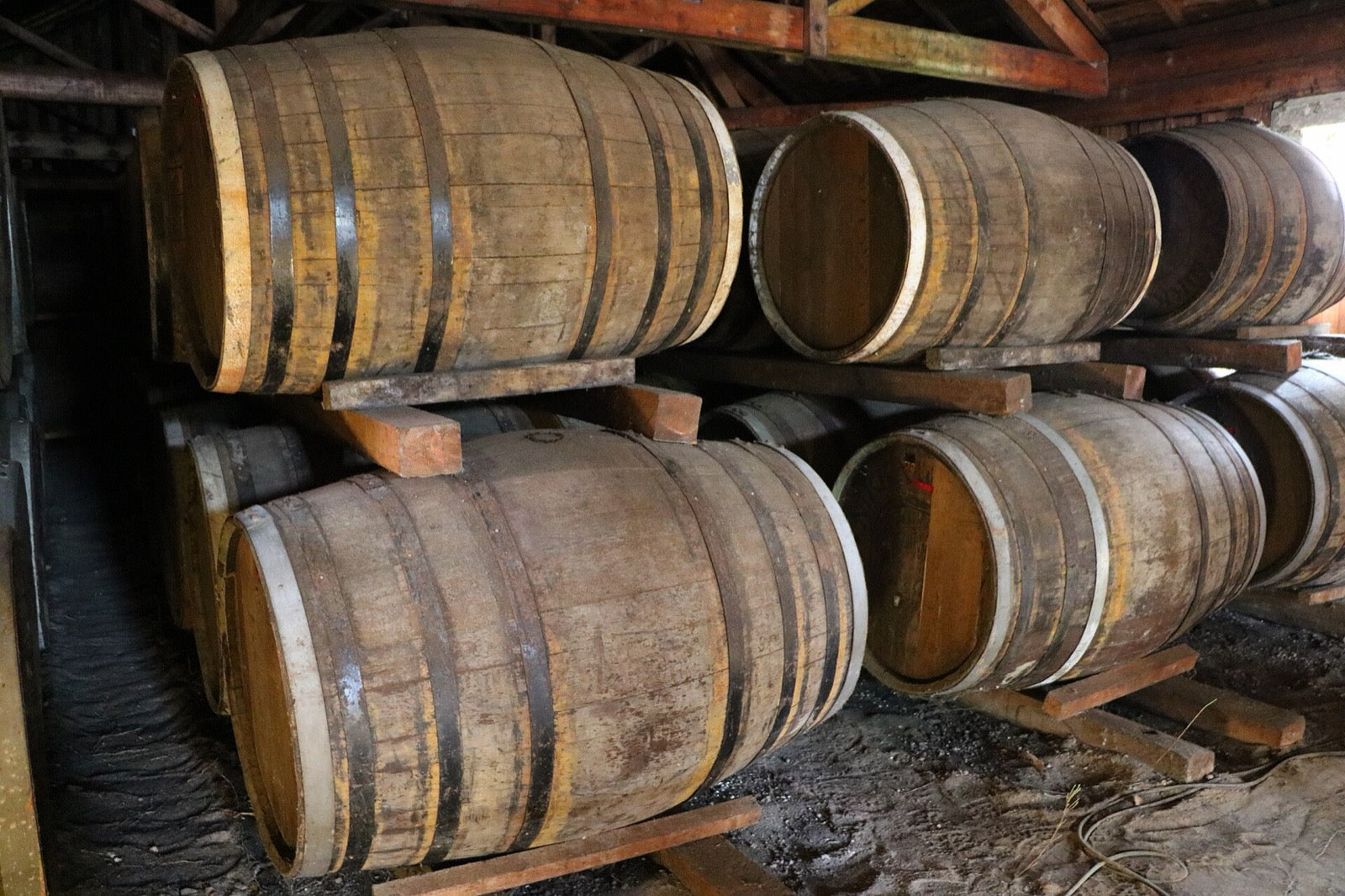
Age is only part of it. Distillery reputation, cask type (a first-fill sherry butt behaves very differently to a refill bourbon barrel) and how the spirit is developing inside all play a part, and none of it is guaranteed to move in the buyer’s favour. The SWA is blunt about the one certainty: “the only certainty about owning a cask is that it will lose roughly 2% of its contents through evaporation each year”, the angel’s share that reduces the litres you eventually have to sell or bottle.
What makes valuing any of this difficult is that there is no published reference price to check it against. “There is no regulated market for mature or maturing casks of Scotch Whisky,” the SWA states, “no officially published list of buying and selling prices for casks from different distilleries or at different ages and no established mechanism for selling.” Independent whisky consultant Mark Littler puts the consequence plainly: “It’s impossible to do any independent research into pricing. This leaves the public vulnerable.”
Credit: さかおり via Wikimedia Commons (CC BY-SA 4.0)
The real cost of owning a cask
Cask prices start low. Cask Trade, one of the trading platforms in this market, states plainly: “there is no minimum spend, the starting point is the price of a cask. Prices start at £1,500.” That figure buys new-make spirit with years of maturation still ahead of it, and the purchase price is only the opening cost.
Storage and insurance are charged annually for as long as the cask sits in bond, and the largest bill comes at the end. Bottle the cask yourself and excise duty falls due on every litre of pure alcohol it contains. As the SWA states, “in 2025 the rate of duty in the UK is £32.79 per litre of pure alcohol to which Value Added Tax at 20% must be added.” None of that is optional, and none of it appears in a cask’s advertised purchase price.
Credit: Polonoid via Wikimedia Commons (CC BY-SA 4.0)
Why the market has no referee
Whisky casks are not a regulated financial product, so none of the usual consumer protections apply. The Advertising Standards Authority has confirmed that “the physical whiskey investment market was not regulated within the UK”, which means no Financial Conduct Authority oversight, no Financial Services Compensation Scheme if a firm collapses, and no route to the Financial Ombudsman Service if a deal goes wrong.
That gap is not theoretical. In March 2025, the Official Receiver, acting as liquidator for Cask Whisky Ltd, confirmed that “Cask Whisky Ltd held contracts with bonded warehouses for the storage of cask whisky” but did not itself own any of the whisky in them. Customers were told directly that they, not the failed company, “are the owners of the goods in the bonded warehouses”, and had to approach each warehouse separately to sort out their holdings.
Credit: sebastian.b. via Wikimedia Commons (CC BY 2.0)
Spotting a cask scam before it costs you
Regulators have already caught firms overstating what a cask can realistically return. In January 2026, the Advertising Standards Authority upheld a complaint against Whiskey & Wealth Club Ltd over adverts promising “an average of 8-18% return per annum” and “55% per annum projected return”, after finding the figures ignored the service fees, of 2 to 5%, the firm charged when buying casks back, and failed to disclose that the market was unregulated.
Before paying anyone, ask for the cask’s distillery, distillation year and cask reference number, confirm the warehouse is HMRC-approved and in Scotland, and insist on a delivery order recording the transfer in your name. A seller who cannot produce one, or who pushes for a fast decision, is the clearest warning sign there is.
The £175,000 gap between one valuation and the next
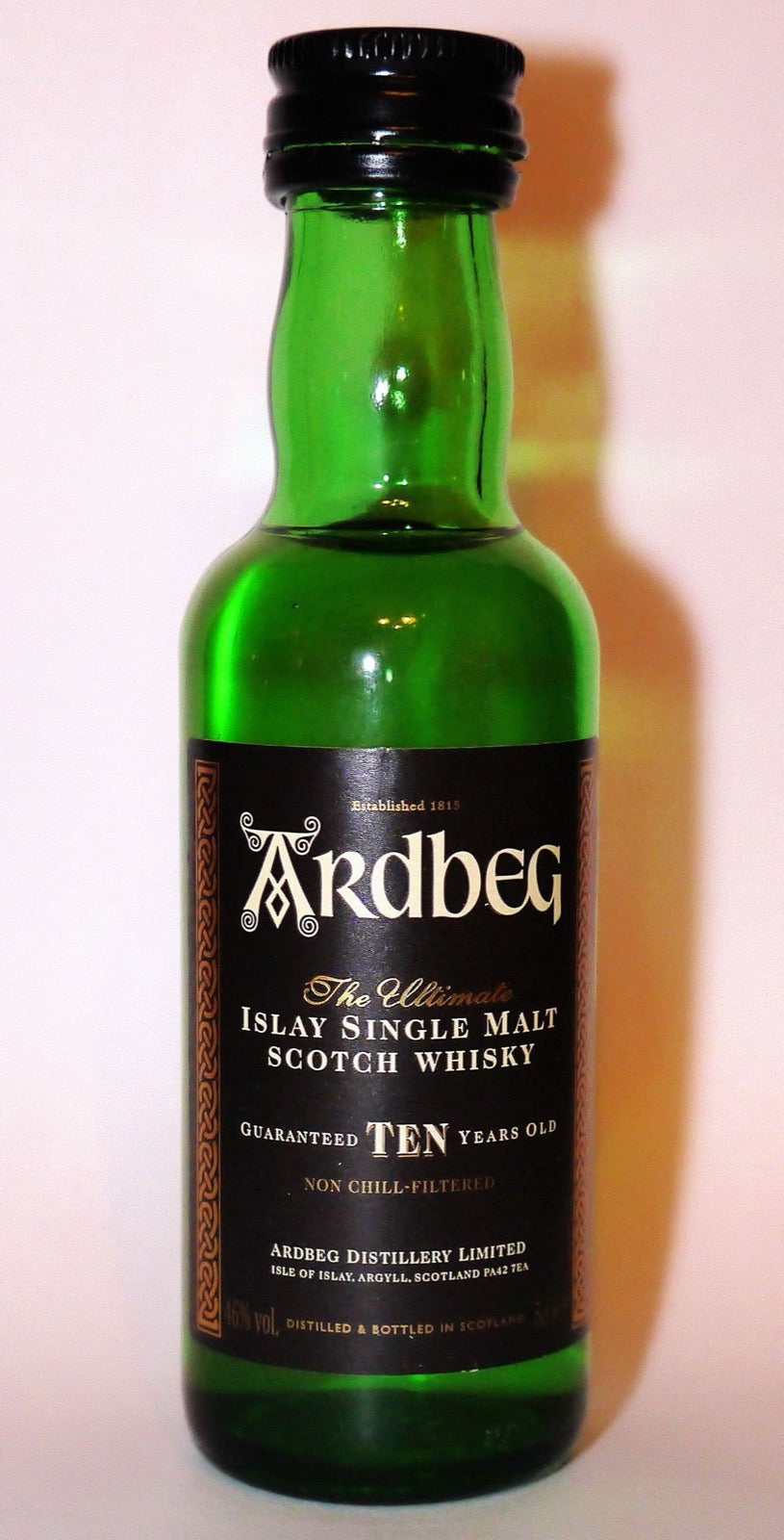
In 2022, Hampshire cask owner Peter Matcham sold his 1994 Ardbeg after a whisky brokerage made him an offer over lunch: £30,000, agreed on the spot. Four months later, a comparable 1994 Ardbeg sold at auction for £205,000. Nothing about the whisky changed in those four months. What changed was that one sale went through a single buyer’s private offer and the other went through the open competition of an auction room.
That gap is the whole argument for patience in this market. Without a published price list, a first offer is not a market price, it is one person’s opinion of what a cask is worth to them. Getting more than one valuation, from more than one route to market, costs nothing and is the only real defence a first-time buyer has against selling too cheap or paying too much.