



Scotch whisky as an investment usually starts with a headline figure. In November 2023, a single 75cl bottle of The Macallan Valerio Adami 60 Year Old 1926 sold at a Sotheby’s auction in London for £2,187,500, a record for any bottle of spirit or wine sold at auction. Figures like that explain the interest, but they say nothing about what a new buyer should actually expect to pay, to risk, or to do differently from buying a case of wine.
The word investment covers two quite different activities here. One is buying a finished, labelled bottle, in the way a wine collector buys a case of claret. The other is buying an unbottled cask maturing in a bonded warehouse, years before anyone decides what it will become. The two involve different costs, different paperwork, and, according to the Scotch Whisky Association’s own guidance for buyers, different levels of protection if something goes wrong.
This guide sets out what actually moves the price of a whisky bottle, what owning a cask involves in practice, and why the Association itself warns that the paperwork, rather than the whisky, is usually where a cask purchase goes wrong.
Discover all in our:
Scotch whisky as an investment: what new buyers need to know
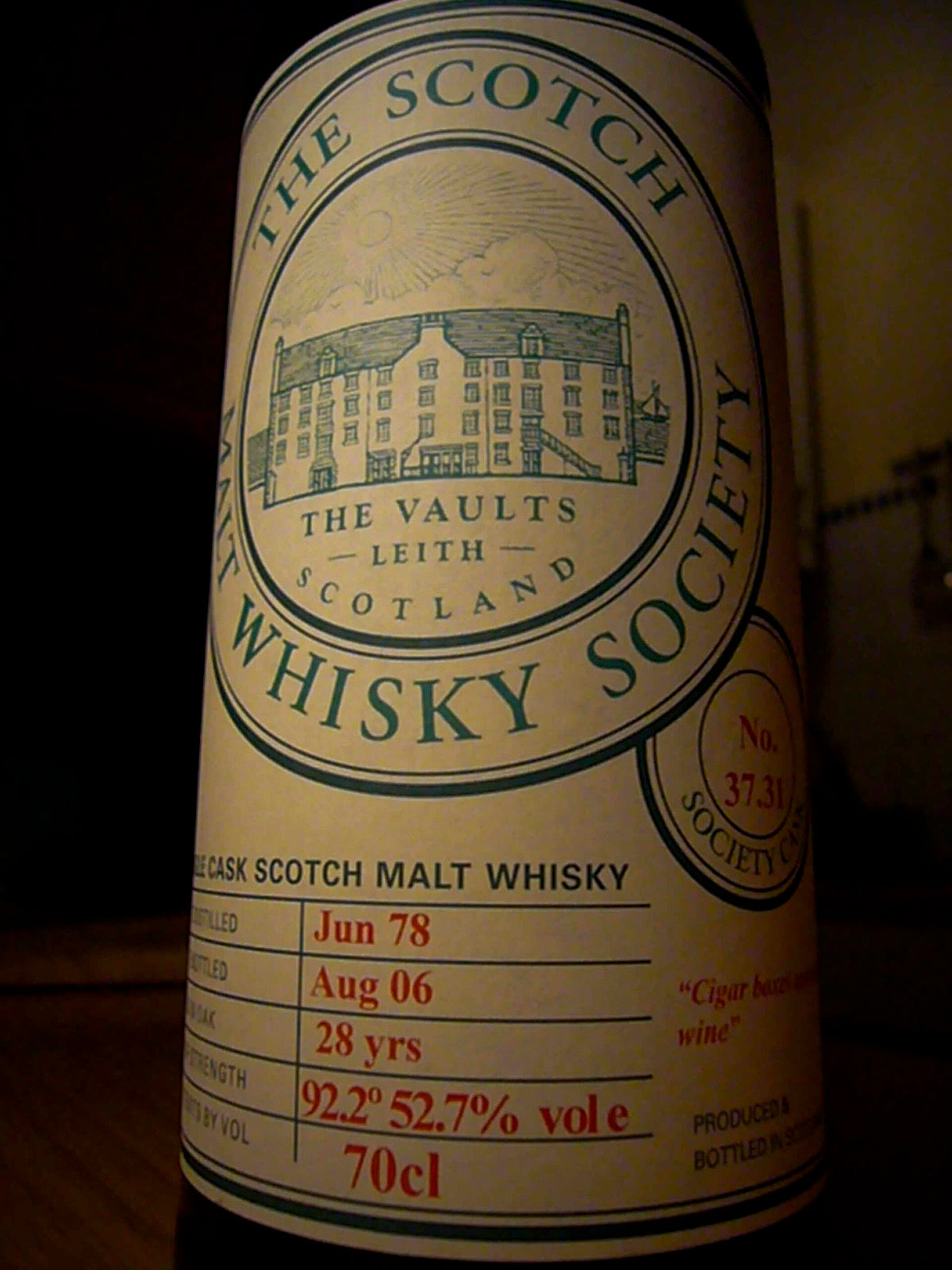
Credit: Paul Joseph via Wikimedia Commons (CC BY 2.0)
Bottles and casks are not the same market
A finished bottle can be checked against a public record. Auction houses record, and in time publish, what particular distilleries, vintages and bottlings have previously made, so a buyer can judge a new asking price against real history. A cask cannot be checked the same way. The Scotch Whisky Association, the industry body for the sector, states plainly that there is “no regulated market for mature or maturing casks of Scotch Whisky, no officially published list of buying and selling prices for casks from different distilleries” and “no established mechanism for selling”. Cask sales happen through private brokers rather than a saleroom, and the Association notes that “only a tiny proportion of the total amount of Scotch Whisky produced in Scotland is bought and sold in this way”.
For a buyer, that absence of a saleroom is not a technicality: there is no hammer price anywhere to check a broker’s asking figure against.
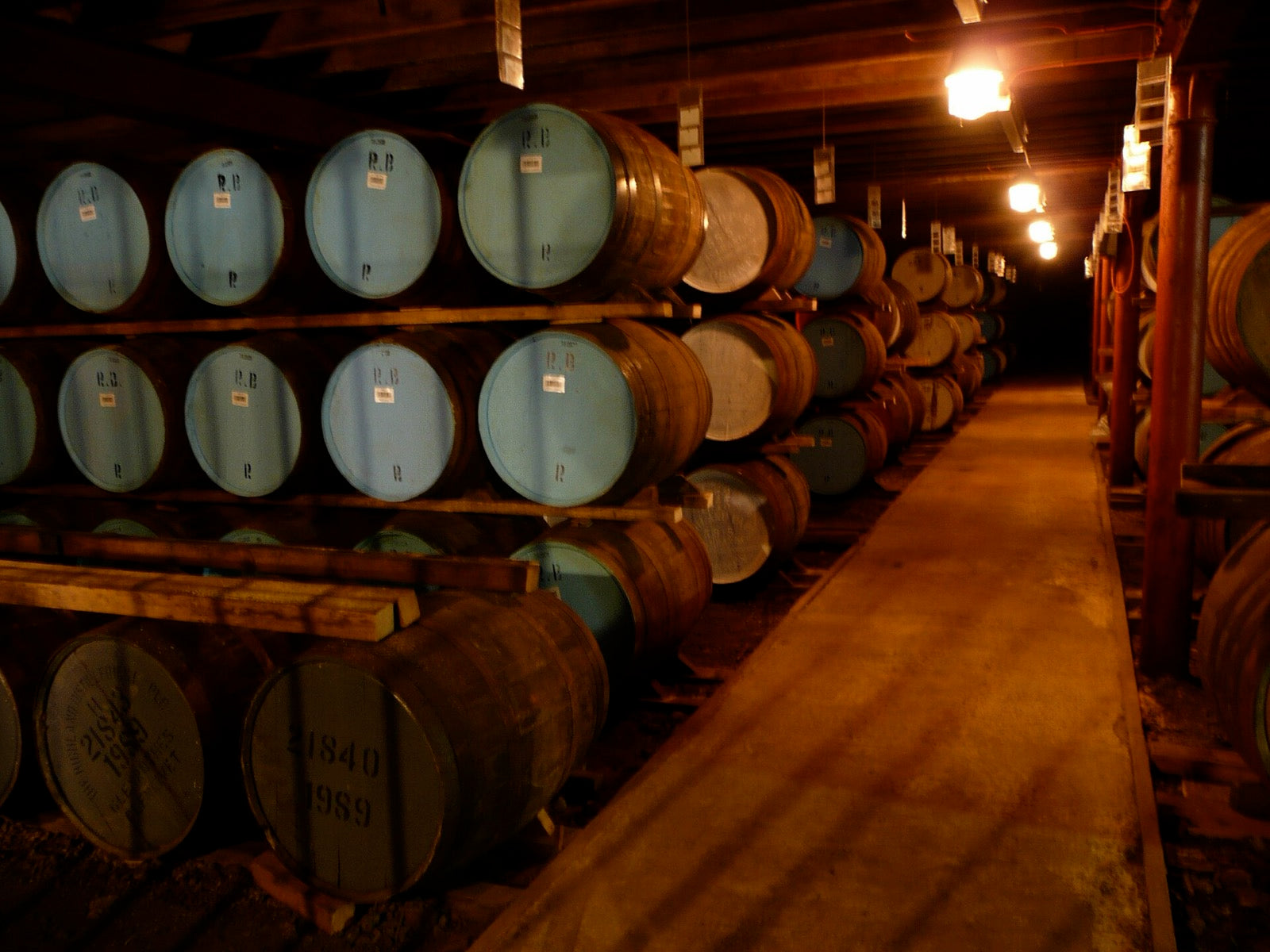
Credit: Yves Cosentino via Wikimedia Commons (CC BY 2.0)
What actually moves a bottle’s price
Age and distillery reputation both matter, but scarcity that can never be added to matters more. Port Ellen, on Islay, fell silent in the early 1980s and stayed closed for, in Diageo’s own words, “more than 40 years” before reopening on 19 March 2024. Whisky distilled there before the closure cannot be replicated by the reopened distillery. Sister distillery Brora reopened under the same investment programme. Bottlings from a distillery’s silent decades trade at a premium over whisky from one that never stopped, because supply is fixed the moment the last cask is filled.
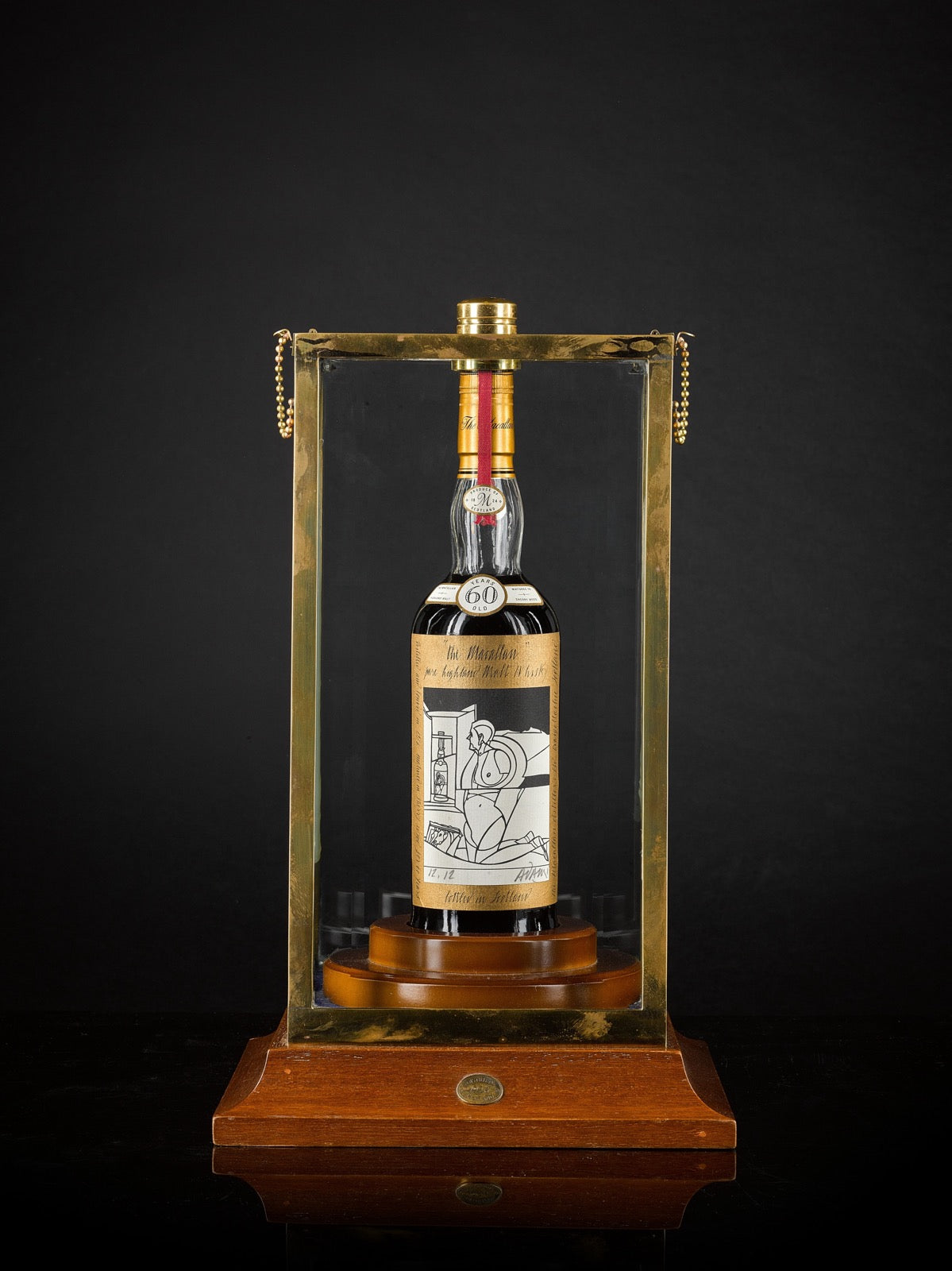
The Macallan 1926 bottle that made £2,187,500 at Sotheby’s sits at the extreme end of that logic: one of only 40 bottles filled from that vintage, one of just 12 carrying a label painted by Valerio Adami, and, on Sotheby’s own account, “the record for the most expensive whisky ever sold at auction”. Before the sale, The Macallan reconditioned the bottle, replacing the capsule and cork and testing a sample against another 1926 bottle, the first time it had done so for this vintage.
Credit: Sotheby’s
Cask ownership is a paperwork exercise
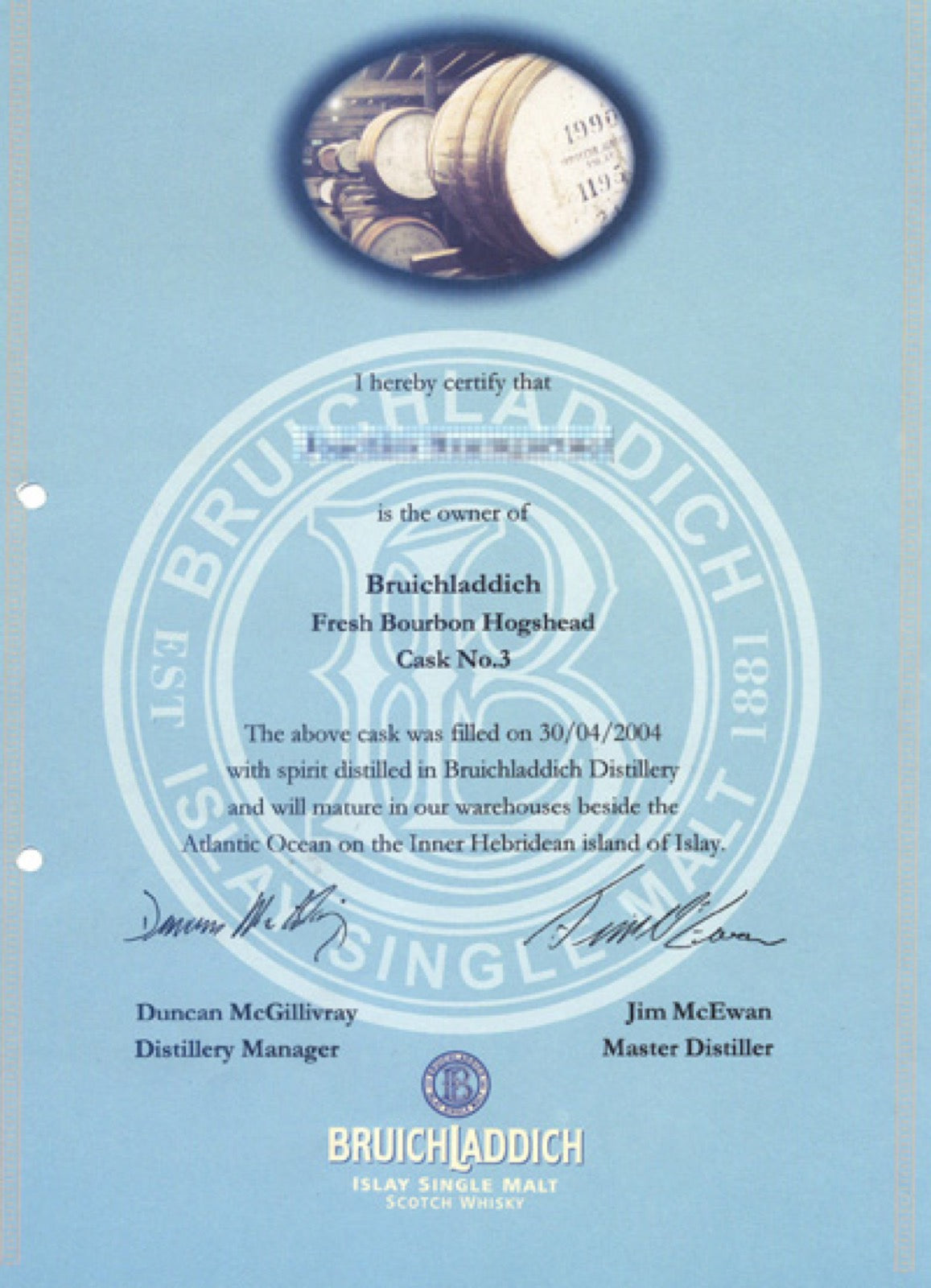
Buying a cask means buying the right to a specific, numbered filling of spirit in a bonded warehouse, and that right exists only on paper. The Scotch Whisky Association’s guidance for cask buyers is direct about what can go wrong: if a sale is not properly recorded, it warns, “there is a risk that the cask may be sold without your knowledge”. A genuine transfer should leave the buyer named on a delivery order lodged with the warehouse keeper, not just an invoice from whichever broker arranged the sale. Because there is no public register of cask sales to check against, that paperwork is normally the only evidence of ownership a buyer will ever hold.
Credit: pleomax, public domain via Wikimedia Commons
The authenticity problem
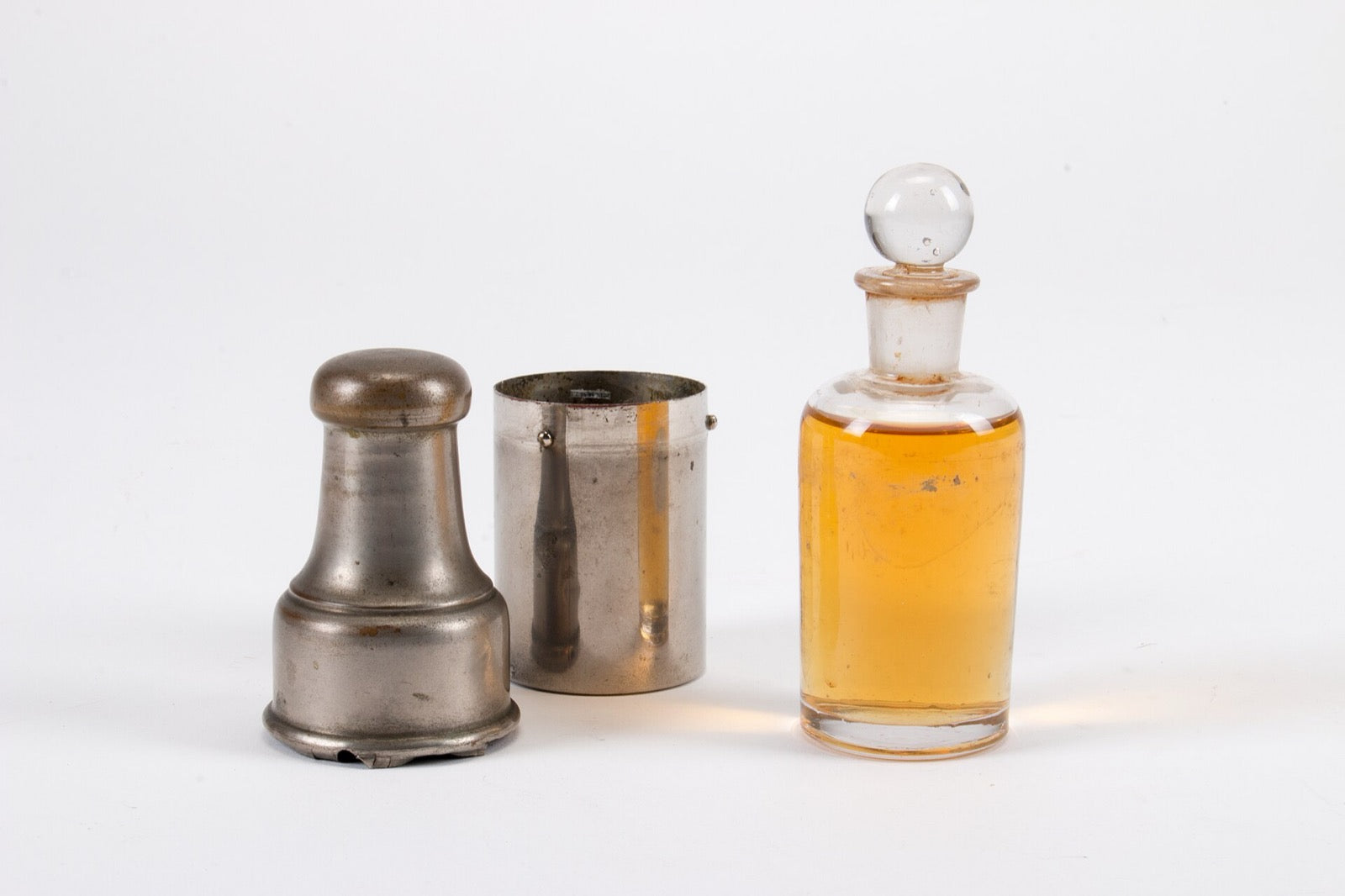
Bottled whisky carries a different risk, and it grows with the bottle’s age. In a 2018 study, the Scottish Universities Environmental Research Centre used radiocarbon dating to test 55 bottles of rare Scotch bought on the secondary market, on behalf of the whisky analyst Rare Whisky 101. Of the 55, 21 were found to be fake or wrongly dated. Had they been genuine, those 21 bottles would together have been worth around £635,000, with individual bottles in the sample ranging from £2,500 to an estimated £150,000.
Every bottle in the sample claiming a distillation date of 1900 or earlier turned out to be fake, which led RW101 co-founder David Robertson to conclude that “every single ‘antique’ pre-1900 distilled whisky RW101 have had analysed over the last 2 years has proven to be fake”. A paper trail back to the distillery, or to a previous, documented sale, is what a buyer is really paying for once a bottle is old enough to attract this kind of forgery.
Credit: Auckland War Memorial Museum Tāmaki Paenga Hira via Wikimedia Commons (CC BY 4.0)
What new buyers should actually do
None of this means a new buyer should stay away, only that the two markets need to be treated differently. A bottle bought through an established auction house comes with a lot description, a price history, and usually a route back to resale through another house. A cask does not, so confirmation from the warehouse keeper, clear paperwork in the buyer’s own name, and honesty about storage and insurance costs matter more than any forecast a broker offers about future value. Neither a bottle nor a cask carries the protection that comes with a regulated financial product. Whisky is a physical good, not a financial one, and the Scotch Whisky Association itself says regulating its sale as an investment is not within its remit.
Credit: Lord van Tasm via Wikimedia Commons (CC BY-SA 3.0)
What the Macallan record and the fake bottles have in common
The Macallan sale and the SUERC’s carbon-dating study describe the same market from opposite ends. One bottle, with a documented history running back to 1926 and a label by a named artist, made £2,187,500 at a saleroom built to record such things. Twenty-one bottles with no comparable paper trail turned out to be worth nothing at all, whatever they were sold as.
A cask sits closer to the second case than most new buyers expect, because a delivery order lodged with a warehouse keeper is the only record of ownership that exists anywhere. Before spending on either, the practical question is not what a bottle or a cask might become worth, but who could check that figure if it had to be sold tomorrow.