



Fine wine collecting starts with a decision most people make by accident: a bottle bought for a special occasion is worth holding onto, and a few years later a dozen more sit beside it. Turning that into a proper first cellar, rather than a growing wine rack, means knowing what separates a bottle worth ageing from one meant for this weekend, and how to store it.
The habit of ranking wine by quality is not new. Bordeaux’s 1855 classification, drawn up by brokers ahead of that year’s Paris Exposition Universelle, still shapes which bottles new collectors reach for first, and Burgundy’s vineyard hierarchy does the same further east. Neither tells you which wine tastes best. Both say which one is more likely to reward being left alone in a cellar for a decade, the more useful question for a beginner.
The market has also given beginners a reasonable start. Liv-ex, which tracks the secondary market, reported its indices broadly stable through the first quarter of 2026, with the first monthly declines since the previous August only in March. A settled market means less pressure to chase a rising price, and more time to tell a wine worth cellaring from one that simply carries a famous name.
Discover all in our:
Fine wine collecting: a beginner’s guide to building your first cellar
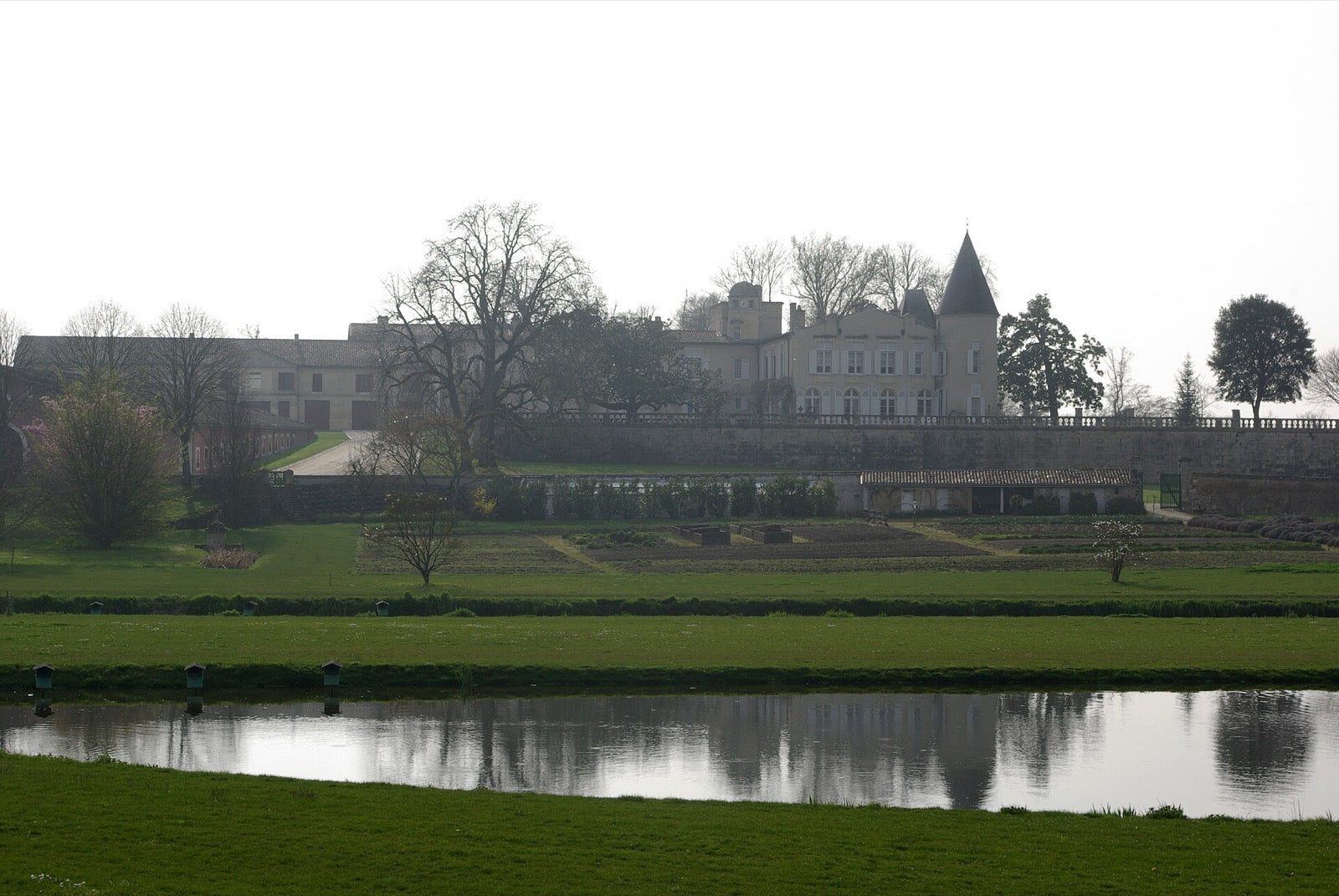
Credit: David Perez, public domain via Wikimedia Commons
Bordeaux, Burgundy and what the labels actually mean
Bordeaux’s 1855 classification exists because Napoleon III wanted the region’s best wines identified for the Paris exhibition, so brokers ranked châteaux by reputation and price alone. Only four estates ranked Premier Cru: Lafite Rothschild, Latour, Margaux and Haut-Brion. The list has barely moved since; the only promotion in over a century and a half came in 1973, when Mouton Rothschild, a second growth in 1855, was elevated to join them. None of this makes a first growth unreachable: a single magnum from a case marking 150 years of Rothschild ownership made £1,488 including premium at Bonhams London in April 2024, proof that a famous name need not mean a five-figure bottle.
Burgundy ranks the vineyard rather than the château. Grand Cru sites make up around 2 per cent of the region’s production; Premier Cru vineyards add a further 12 per cent; the rest is village and regional wine. A label naming only a vineyard, such as Clos de Vougeot, is Grand Cru; one carrying both a village and a vineyard name, such as Gevrey-Chambertin 1er Cru Clos Saint-Jacques, is Premier Cru. Learning to read that difference matters more than memorising famous names.
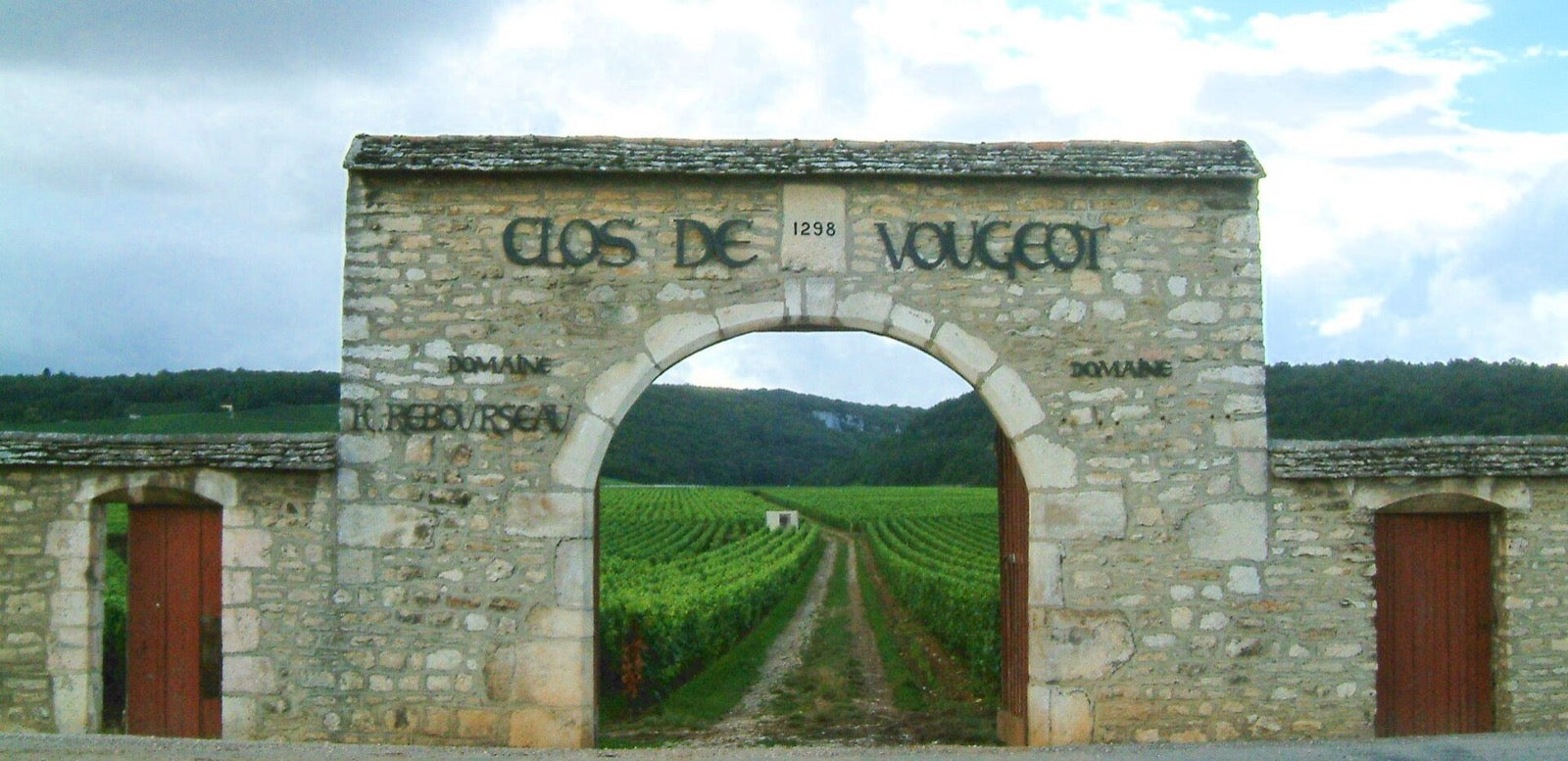
Credit: Christophe.Finot via Wikimedia Commons (CC BY-SA 2.5)
Buying before the wine exists: en primeur and beyond
Bordeaux, Burgundy, the Rhône and Port still sell part of each vintage en primeur, while the wine matures in barrel. Merchants taste barrel samples the spring after harvest, châteaux release part of that year’s production at an opening price, and buyers pay months or more than a year before it is bottled. It can be the cheapest way to secure a wine that will be hard to find once released, though nothing guarantees the price will rise.
For a first cellar, buying wine that is already bottled, through a merchant or at auction, is the more straightforward route, and removes the wait. Either way, the aim is the same: build a relationship with sellers who can show where a bottle has been since it left the property, rather than chasing whatever listing looks cheapest online.
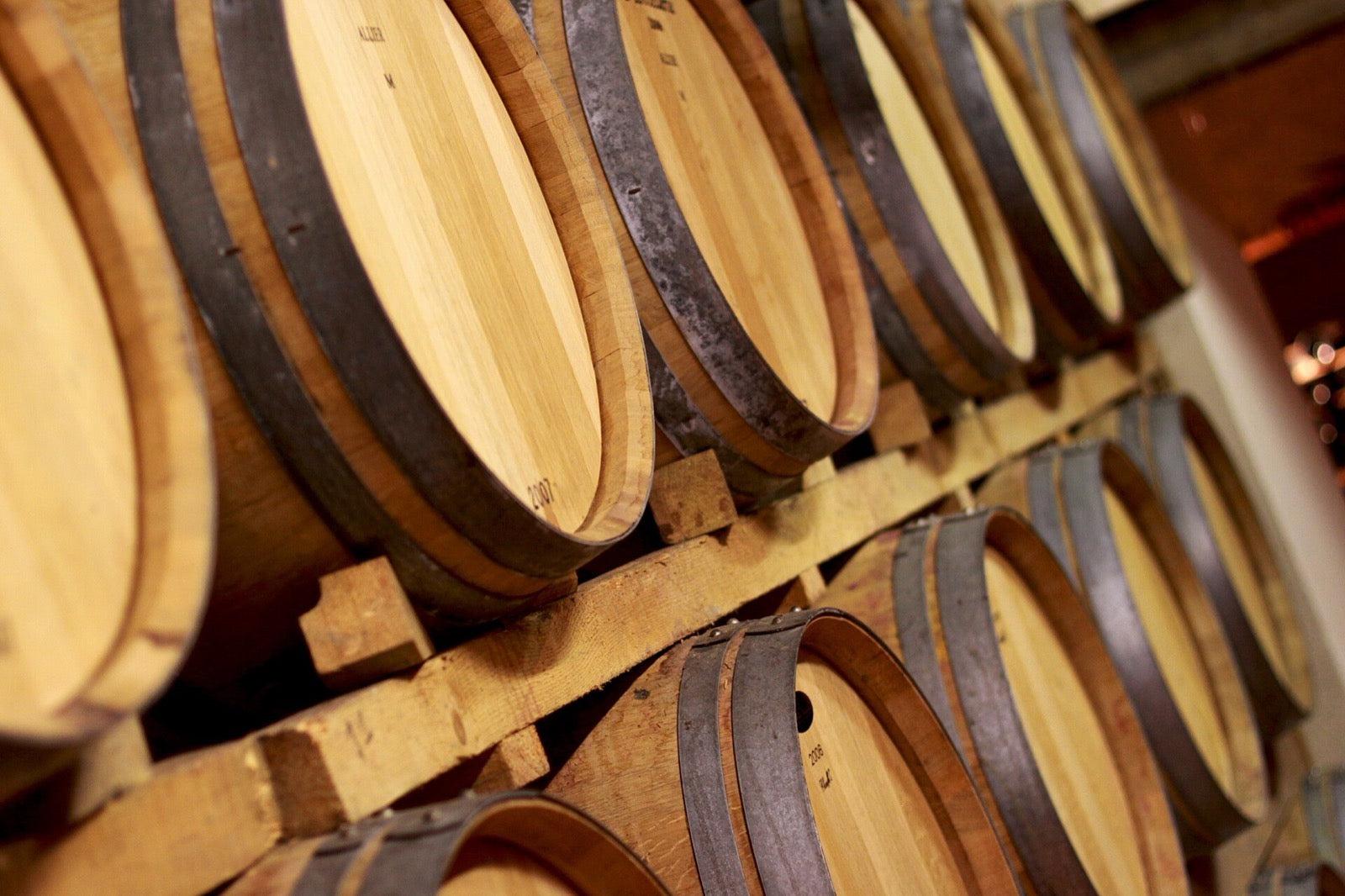
Credit: Christophe Eyquem via Wikimedia Commons (CC BY 3.0)
Getting storage right before buying more
Wine Spectator’s own guidance sums up the range collectors work within: a temperature between 45°F and 65°F (7°C to 18°C), with 55°F (13°C) close to ideal, and humidity between 50 and 80 per cent. What matters more than the exact figure is stability. A cellar that drifts a few degrees across a year does less damage than one that swings up and down every week.
Light and vibration matter too. Ultraviolet light degrades wine over time, so serious storage keeps bottles away from windows or behind UV-filtered glass. Sustained vibration is thought to speed up unwanted chemical reactions, so a cooling unit’s motor should sit clear of its bottles, and a spot near a washing machine or a subwoofer is worth avoiding. None of this needs a purpose-built room. A cool, dark cupboard away from a kitchen or a boiler will hold a first case well; the fittings can come later.

Credit: PattayaPatrol via Wikimedia Commons (CC BY-SA 4.0)
Why provenance matters more than the label
The clearest argument for buying carefully is Rudy Kurniawan, the Indonesian collector who spent the 2000s relabelling ordinary wine as rare Burgundy and Bordeaux before his FBI arrest in March 2012. Buyers are estimated to have paid at least $20 million, around £12.6 million at the time, for bottles that turned out worthless, and he was convicted at trial in 2013.
A beginner’s defence against that risk is the one professional buyers rely on: paper trail. A bottle with a documented chain of custody, ideally straight from the château or domaine, or held continuously in bond, is worth more than an identical bottle with no history. Buying from an established merchant or a major auction house, rather than an unfamiliar private seller, is the simplest way to keep that chain intact.
Credit: David Monniaux via Wikimedia Commons (CC BY-SA 3.0)
Starting small and building from there
None of this needs a large budget. A sensible first step is a mixed case, six or twelve bottles across two or three regions, bought from an established merchant and treated as a chance to learn how each wine changes over a year or two, not as an investment. Buying a single bottle to mark an occasion differs from building a cellar, and the two are easy to confuse.
Keep records from day one: what was bought, from whom, for how much, and how it has been stored. That record becomes the provenance for whoever buys the wine from you later, and it is easier to build as you go than to reconstruct after ten years in a cupboard.
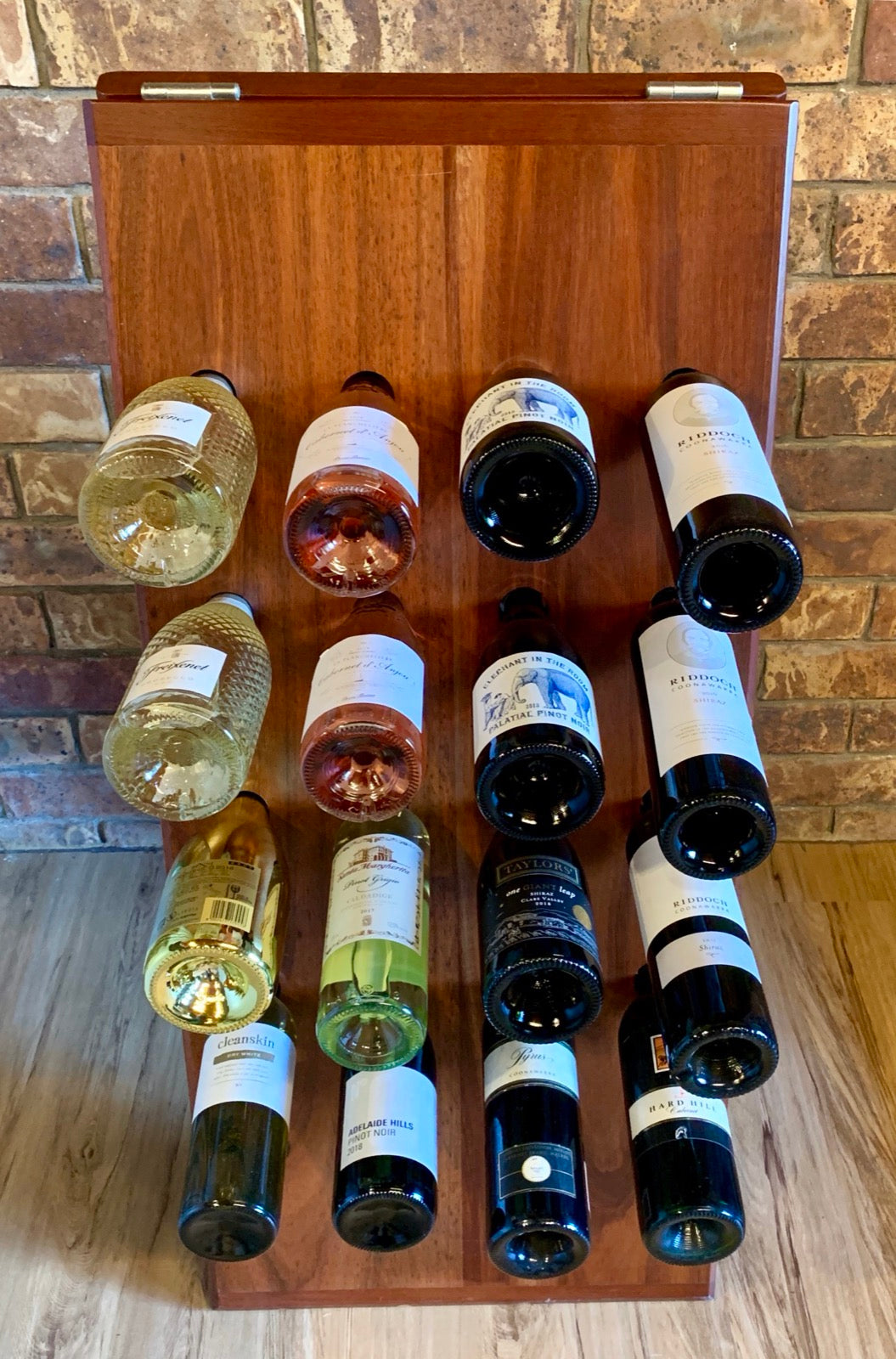
Credit: Kgbo via Wikimedia Commons (CC BY-SA 4.0)
What separates a cellar from a wine rack
The classification systems, the storage conditions and the paperwork point the same way: a cellar built well is built slowly. The 1855 rankings took a broker’s afternoon to draw up and have shaped the market for over a century and a half; a cork kept at a stable 13°C for twenty years will outlast one rushed into a cupboard for two. Neither rewards urgency.
What separates a first case from a fiftieth is rarely luck or capital. It is the habits picked up early: buying from sellers who can prove a bottle’s history, keeping storage dull and consistent, and treating each case as something to learn from rather than flip. Get those right at the start, and the cellar builds itself, one vintage at a time.