





The most relevant non-sport trading card franchises
Pokémon is only the beginning. From a $16.5 million Pikachu card to record-breaking Star Wars, Magic: The Gathering, One Piece and Yu-Gi-Oh! sales, non-sport trading cards are one of the fastest-growing corners of the collecting hobby. This guide ranks the five franchises setting the pace, plus honourable mentions including Garbage Pail Kids and Disney, with every price verified against the original auction listing.
2026-09-09
The 10 most valuable baseball trading cards of all time
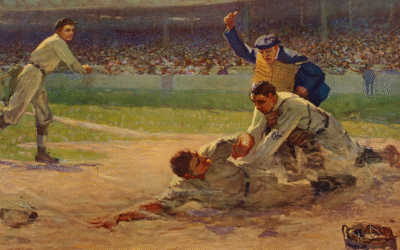
From a tobacco card printed before the First World War to a single signed rookie from 2009, these are the ten most valuable baseball cards ever sold. Mickey Mantle’s 1952 Topps rookie leads at $12.6 million, with two different Honus Wagner T206 cards and three Babe Ruth issues also breaking seven figures along the way.
2026-09-08
The 10 most valuable boxing trading cards of all time
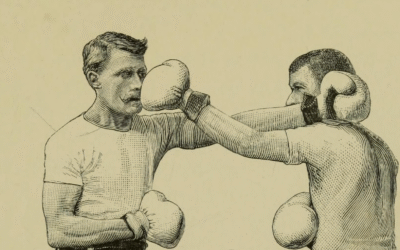
Muhammad Ali’s earliest trading card, a hand-cut 1960 magazine insert from his Olympic year, tops this countdown of boxing’s ten most valuable cards, outselling even a one-of-one Mike Tyson autograph. Floyd Mayweather, Sugar Ray Robinson, Rocky Marciano and the sport’s first Black heavyweight champion, Jack Johnson, all feature, with prices ranging from three to six figures at auction.
Graded trading cards: PSA vs SGC
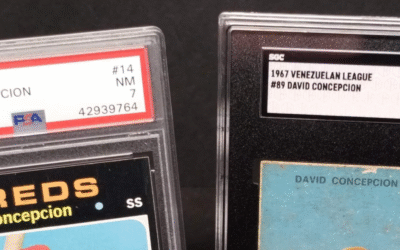
PSA and SGC grade the same trading cards on similar numeric scales, yet their fees, turnaround times and bidder confidence can differ sharply. This guide compares PSA and SGC pricing tier by tier, explains how their grading scales differ, and uses real Robert Edward Auctions sales of one 1957 Topps Mickey Mantle to show what an identical grade from each company has sold for.
2026-09-07

Guide to the T206 Honus Wagner and pre-war cards
The T206 Honus Wagner is baseball’s most famous pre-war card: fewer than sixty survive, and one sold for £4.8 million in 2021. This guide explains why the American Tobacco Company withdrew Wagner’s card in 1909, how population reports measure real scarcity, what other pre-war cards became rare by accident, and how to spot the trimming that catches out unwary buyers.
Professional sports trading cards: a guide for beginners
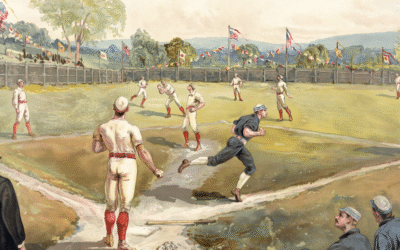
A practical starting guide for anyone new to sports card collecting: what really decides a card’s value, whether to specialise in one sport, and which cards, from affordable vintage commons to modern rookies, make sensible first buys. Real auction results, including a $168,000 Michael Jordan rookie, show why grading and condition, not fame, set the price.
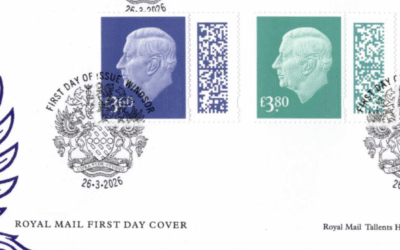
First day covers explained: the story on every envelope
Every first day cover is really three records in one: a stamp, a postmark proving exactly when it entered use, and often an illustrated cachet explaining why. This guide traces the practice from the Penny Black’s first days in May 1840 to what actually separates a keepsake worth a few pounds from a certified rarity that has sold at auction for £44,000.
2026-09-04
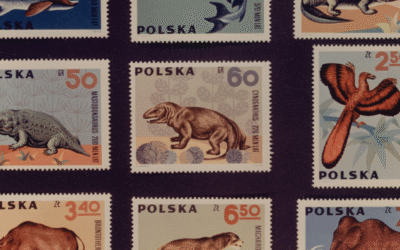
The magic of collecting stamps
The Penny Black turned a broken, recipient-pays postal system into a single flat rate, and changed how Victorian Britain kept in touch. This guide traces Rowland Hill’s fight to get it made, why a scrap of engraved paper can still feel like a passport to somewhere else, and how the rarest survivors, such as the British Guiana One-Cent Magenta, now sell for millions.
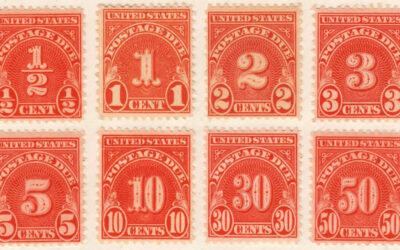
What is a postage due stamp? Philately’s odd one out
Most stamps are proof of postage already paid. Postage due stamps do the opposite: applied by the post office to collect what a sender never paid in the first place. Plain, numeral-faced and often nameless, they are philately’s odd one out, and they have produced a Newfoundland spelling error, an inverted watermark, and a nationwide Irish postal anomaly along the way.
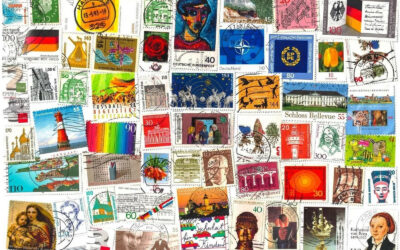
Rare German stamps: the issues collectors want most
Germany did not exist as one country for the first thirty years of stamp collecting, and that fragmented history is exactly what makes its rarest issues so collectable. From Bavaria’s pioneering one-kreuzer black to a warship’s improvised bisect and a five-pfennig stamp printed in the wrong colour, these are the stamps that keep German specialists and certifying bodies busiest.
2026-09-03
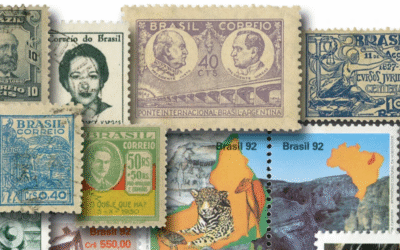
Valuable foreign stamps most collectors overlook
Forget the Penny Black and the Inverted Jenny: the most interesting overseas stamps rarely make headlines. A Chinese die proof that set a world record. A Zanzibar stamp with its own country’s name misspelled. A Mexican airmail issue struck for Amelia Earhart’s flight. Ten stamps from China, Africa, Latin America, Australia, Russia and Hawaii, chosen for their stories rather than their price tags.

Why the British Guiana 1c magenta is worth millions
Printed in a hurry in 1856 and sold for six shillings by a schoolboy in 1873, the British Guiana 1c magenta is now the most expensive object on earth by weight. It has passed through a French count, a textile magnate, a convicted killer and a shoe designer, each sale a new record. Here is how it reached £5.9 million.
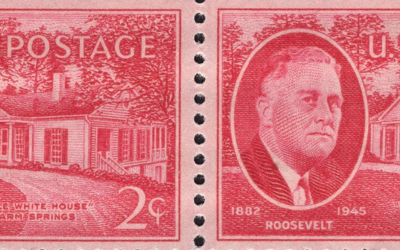
Franklin D. Roosevelt’s secret hobby: stamp collecting
Franklin D. Roosevelt began collecting stamps at eight and never stopped, sorting new arrivals in the Oval Office and personally approving roughly 200 US stamps as president. His work with postmaster general James Farley produced Farley’s Follies, one of philately’s great scandals, and his 1946 estate sale made headlines. Here is his story, and how to collect this history today.
2026-09-02

Selling a stamp collection: what to know before you sell
Selling a stamp collection is not something most people do more than once, and it shows: catalogue totals get mistaken for cash offers, and rushed decisions cost real money. This beginner’s guide covers what to establish first: inventorying and storing a collection, getting it properly assessed, choosing between a dealer and public auction, and why patience usually pays.

Stamp buyers: who can you actually trust?
Selling a stamp collection means trusting a stranger with something that took decades to build, and the philatelic trade has always had more than its share of buyers with more confidence than history. Here are seven dealers, from Paul Fraser Collectibles to Zurich’s Corinphila Auctions, each with a documented, independently checked record of paying real prices for real stamps, so a seller knows exactly who they are dealing with.