



Professional sports trading cards have been collected since Topps issued its first true baseball set in 1952, a 407-card series wrapped in bubble gum and designed the previous autumn by Sy Berger and Woody Gelman. Built on Topps’ earlier 1951 “Red Backs” and “Blue Backs” issues, that set fixed the card size and layout the hobby still uses today, and it created the first great chase: a Mickey Mantle card so heavily discarded by children at the time that surviving high-grade copies now anchor the entire vintage market.
The modern hobby looks different from the one built around penny sleeves and shoeboxes. Professional Sports Authenticator (PSA), founded in July 1991 by David Hall, who had already founded the Professional Coin Grading Service, gave buyers a way to judge a card’s condition and authenticity without holding it, and the business grew quickly once eBay made it possible to trade with strangers on the other side of the world. Beckett, SGC and CGC followed with their own grading scales, and a raw card and a graded one are now, in effect, different products.
For anyone starting out, the choices can look overwhelming: which sport, which era, which grading company, and how much to spend before you understand what you are buying. This guide covers what moves a card’s price, how to decide whether to specialise in one sport, and which cards make a sensible starting point for a new collection.
Discover all in our:
Professional sports trading cards: a guide for beginners
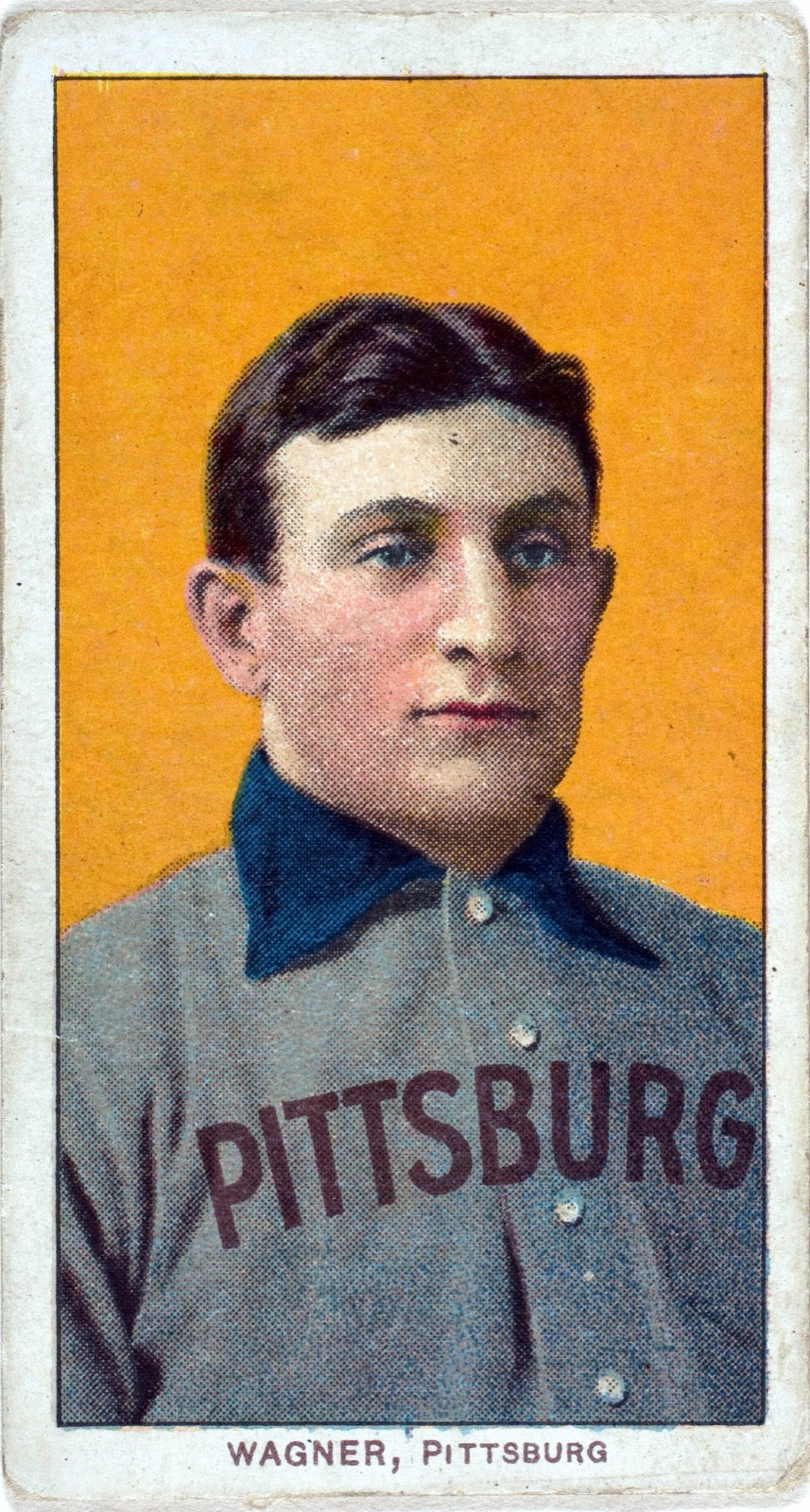
Credit: Public domain via Wikimedia Commons
Condition and grading decide the price, not the name alone
A famous player’s rookie card is not, on its own, worth much: the grade attached to it usually matters more than the name. Robert Edward Auctions, now trading online as REA, sold a 1986-87 Fleer Michael Jordan rookie card graded Gem Mint 10 by PSA for $168,000, about £134,647, in its Spring 2024 auction. The same card in a lower grade, with a dented corner or a dull surface, would sell for a fraction of that, because the grade is the difference between an object collectors argue over and one they do not.
Fame is not a guarantee either. In its Winter 2025 auction, Huggins & Scott sold a 1962 Topps Mickey Mantle, graded NM-MT 8 by PSA, for $12,000, about £9,823. Mantle is the biggest name in the hobby, yet this particular year and issue, printed with a wood-grain border that chips easily, is harder to find in top condition than his far more famous 1952 rookie. The price reflects that specific combination of player, year and surviving condition, not the name on its own.
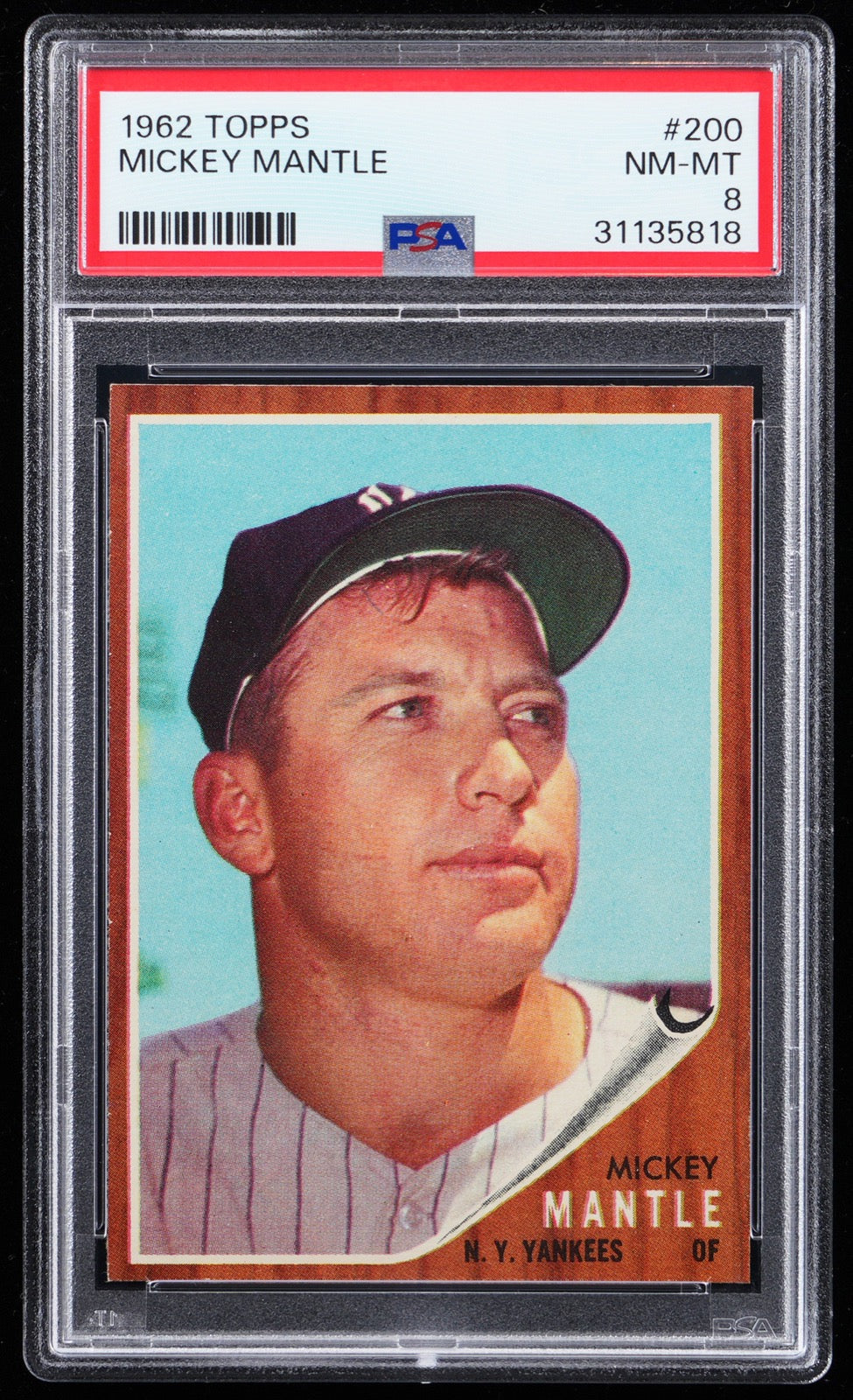
Credit: Huggins & Scott Auctions
Should you specialise in one sport?
Most experienced collectors eventually settle on one sport, one era, or even one team, and there is a practical reason for it: knowing a sport well enough to judge who is worth collecting takes years, not a weekend. A beginner who already follows baseball, basketball or football closely will find it far easier to recognise a meaningful rookie card, a key statistical season, or a player heading towards a hall of fame, than someone starting from nothing.
Specialising early is not compulsory, though. Buying across two or three sports for the first year or two, while you learn how grading, print runs and card values work, is a reasonable way to find out which market suits your budget and interests before committing to it.
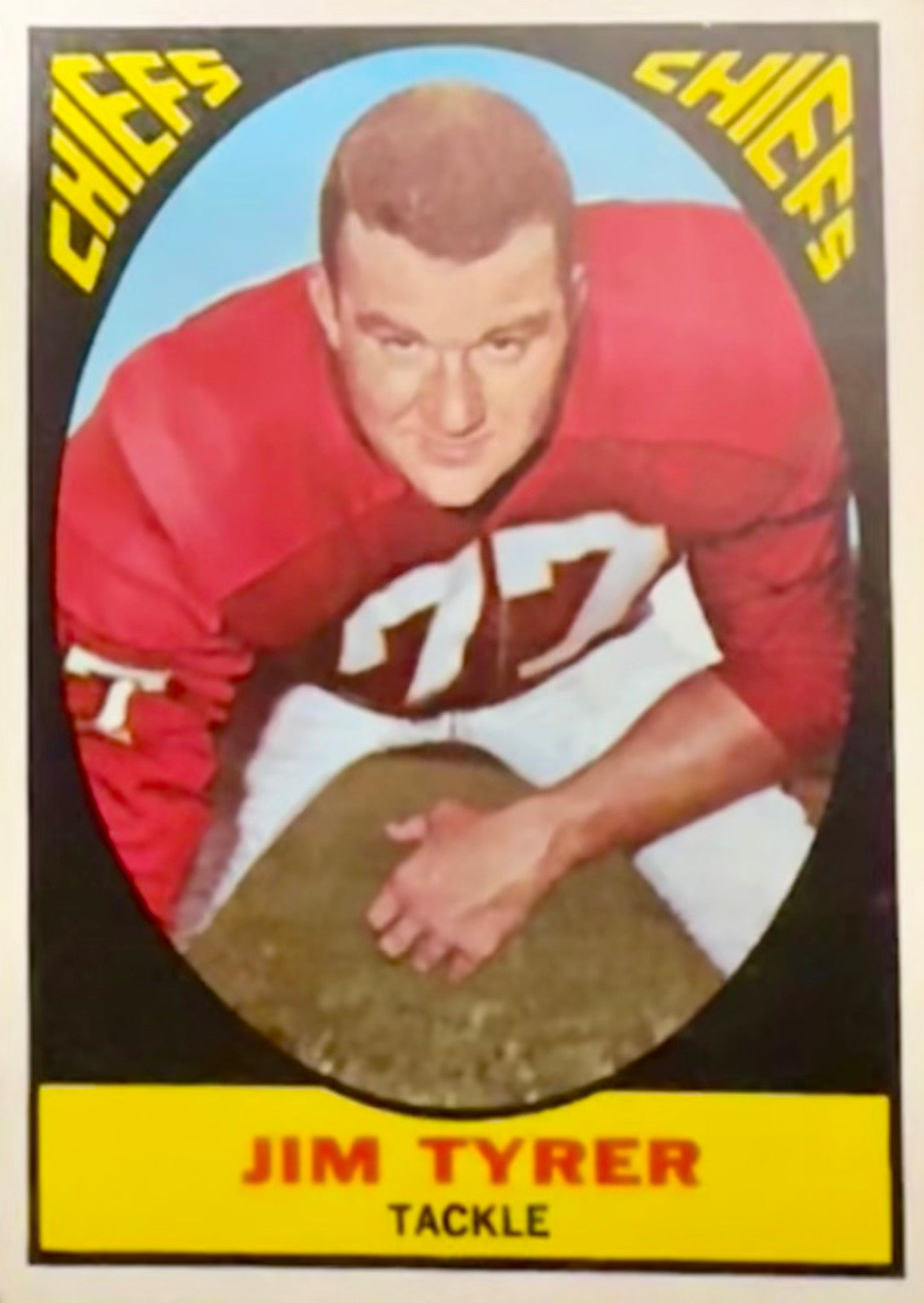
Credit: Tyrer family, public domain via Wikimedia Commons
Learn to read a card before you buy one
A rookie card is a player’s first widely issued card, and it is usually the single most collected card of that player’s career whatever he goes on to achieve. It is the natural starting point for working out what a set is worth chasing.
Beyond the rookie card, most modern releases also include parallels, the same design printed on different coloured or patterned stock, inserts, a separate subset within the same release, and serial-numbered cards, each individually numbered out of a stated print run, sometimes down to a single copy. A base card, a numbered parallel and a one-of-one patch card can share the same player, year and set, yet be entirely different objects with entirely different values.
The grade attached to a card is not something to take on trust from a seller’s own description. It should come from PSA, Beckett, SGC or CGC directly, since a raw card described only as “mint” by whoever is selling it is not a reliable basis for a price.
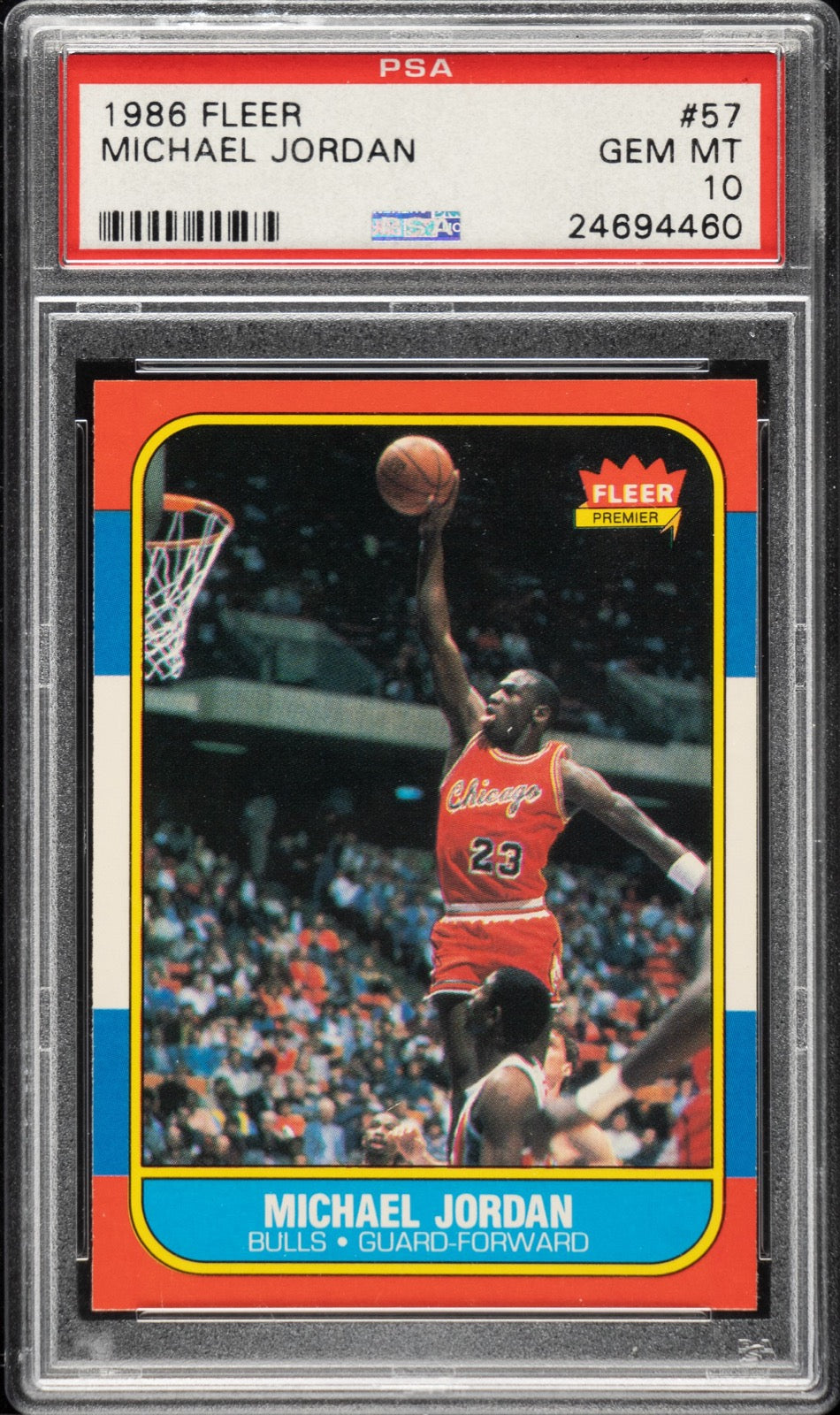
Credit: Robert Edward Auctions (REA)
Cards worth starting with
You do not need six figures to begin. REA’s own guide to the 1957 Topps baseball set puts commons at roughly $5 to $50, about £4 to £37, depending on condition, and mid-tier Hall of Famers such as Ernie Banks, Yogi Berra and Whitey Ford at $150 to $500, about £111 to £370, in mid-grade examples. Building towards a complete vintage set one common at a time, rather than chasing its single most expensive card, is a realistic way to learn a set’s history without overspending.
Modern base rookie cards of current players, bought raw rather than graded, are a cheaper way in again. Grading itself is worth delaying: submission fees can cost more than the card is worth, so it rarely makes sense to grade anything until you have learned to judge condition for yourself.
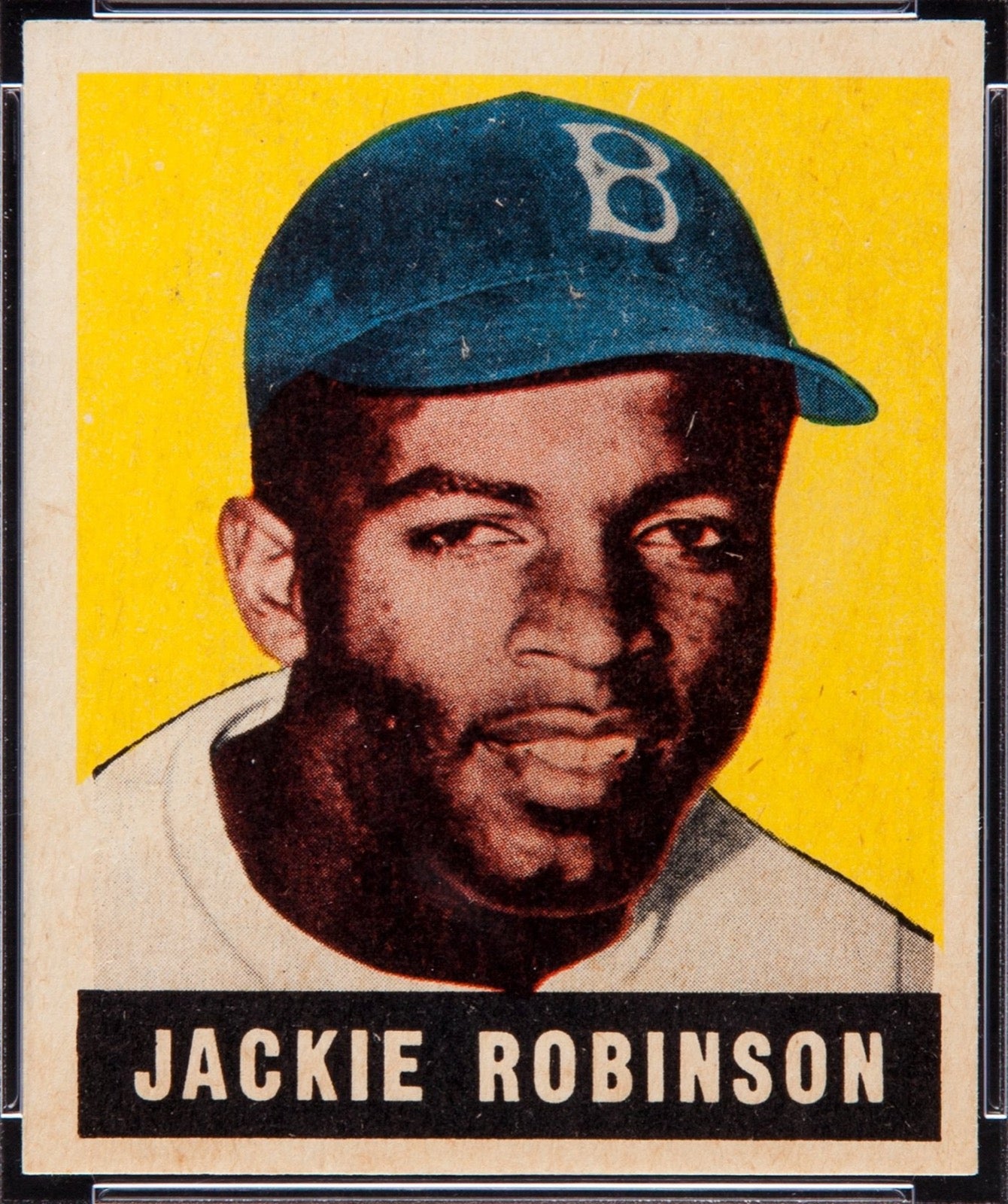
Credit: Leaf International, public domain via Wikimedia Commons
Where to buy, and how to avoid fakes
Specialist auction houses, including Goldin, Fanatics Collect (formerly PWCC Marketplace), REA, Memory Lane, Love of the Game and Huggins & Scott, deal specifically in graded cards and publish their results, which makes them a safer starting point than an unfamiliar private seller. Population reports, the count of how many examples a grading company has certified at each grade, are worth checking too, but treat them as a snapshot rather than a fixed fact: a card described as “one of three known” changes as more examples are submitted, so the figure is only ever true as of the date it was checked.
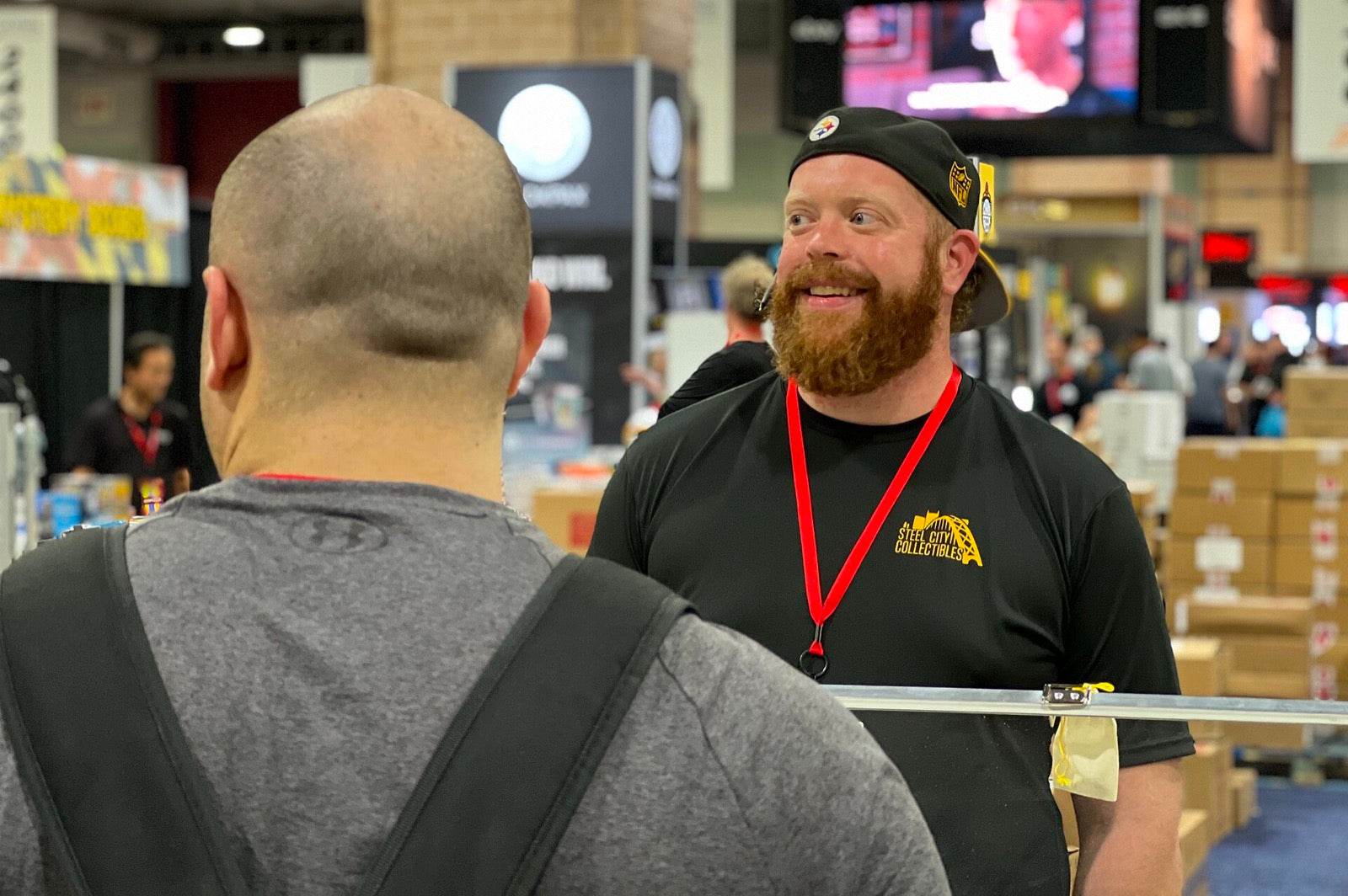
Credit: Wjl14 via Wikimedia Commons (CC BY-SA 4.0)
Why a Hall of Famer’s name is only the start of the story
The Jordan rookie and the 1962 Mantle above share a lesson: the player’s name gets a card noticed, but the specific year, the surviving condition and an independent grade decide what it is worth. A beginner who learns to check those three things before checking the name is already ahead of most people buying their first card.
None of this requires a large budget to start. A handful of vintage commons, a modern rookie card of a player you already follow, and the patience to learn how to judge condition for yourself will teach you more about the hobby than any single expensive purchase.