



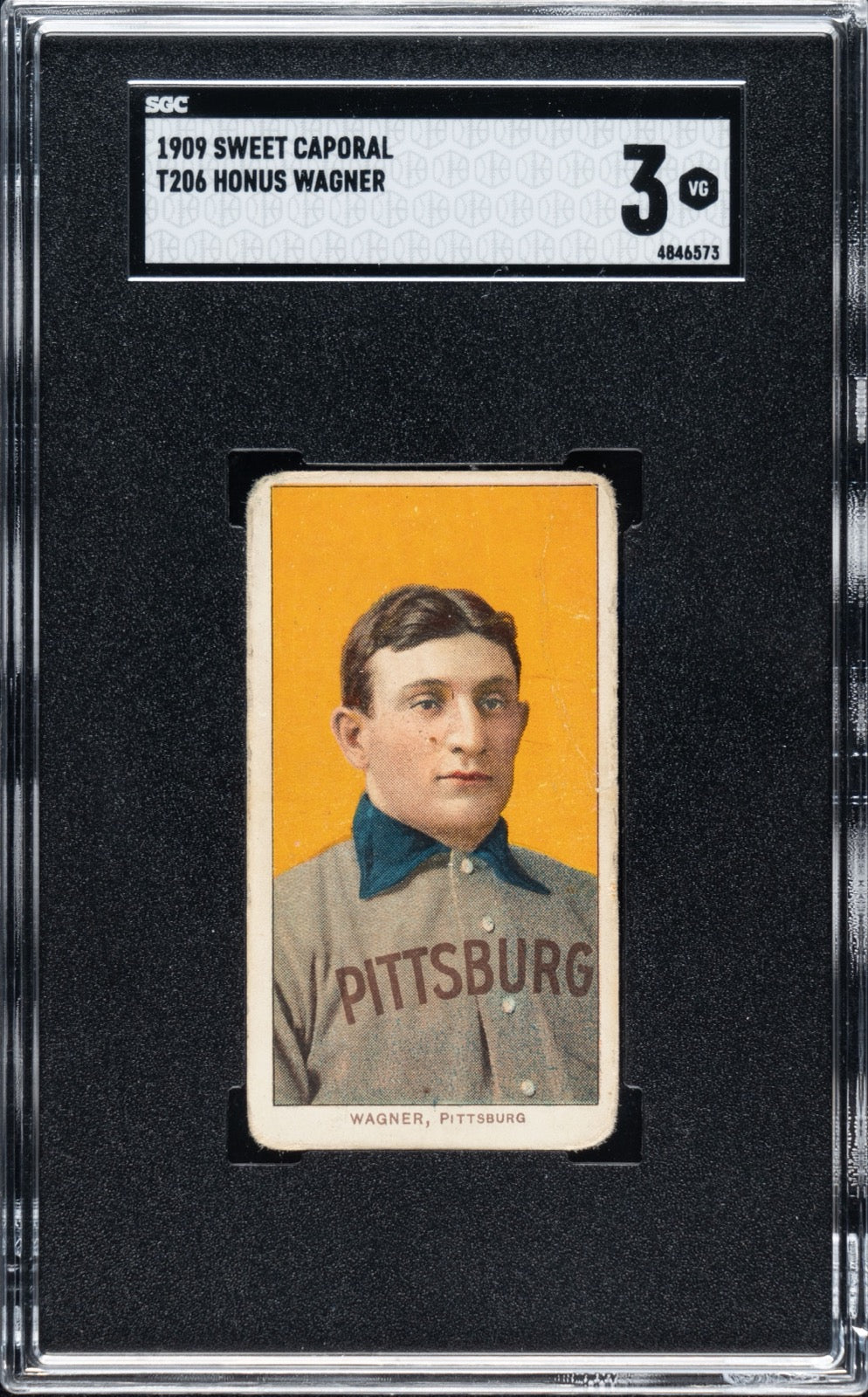
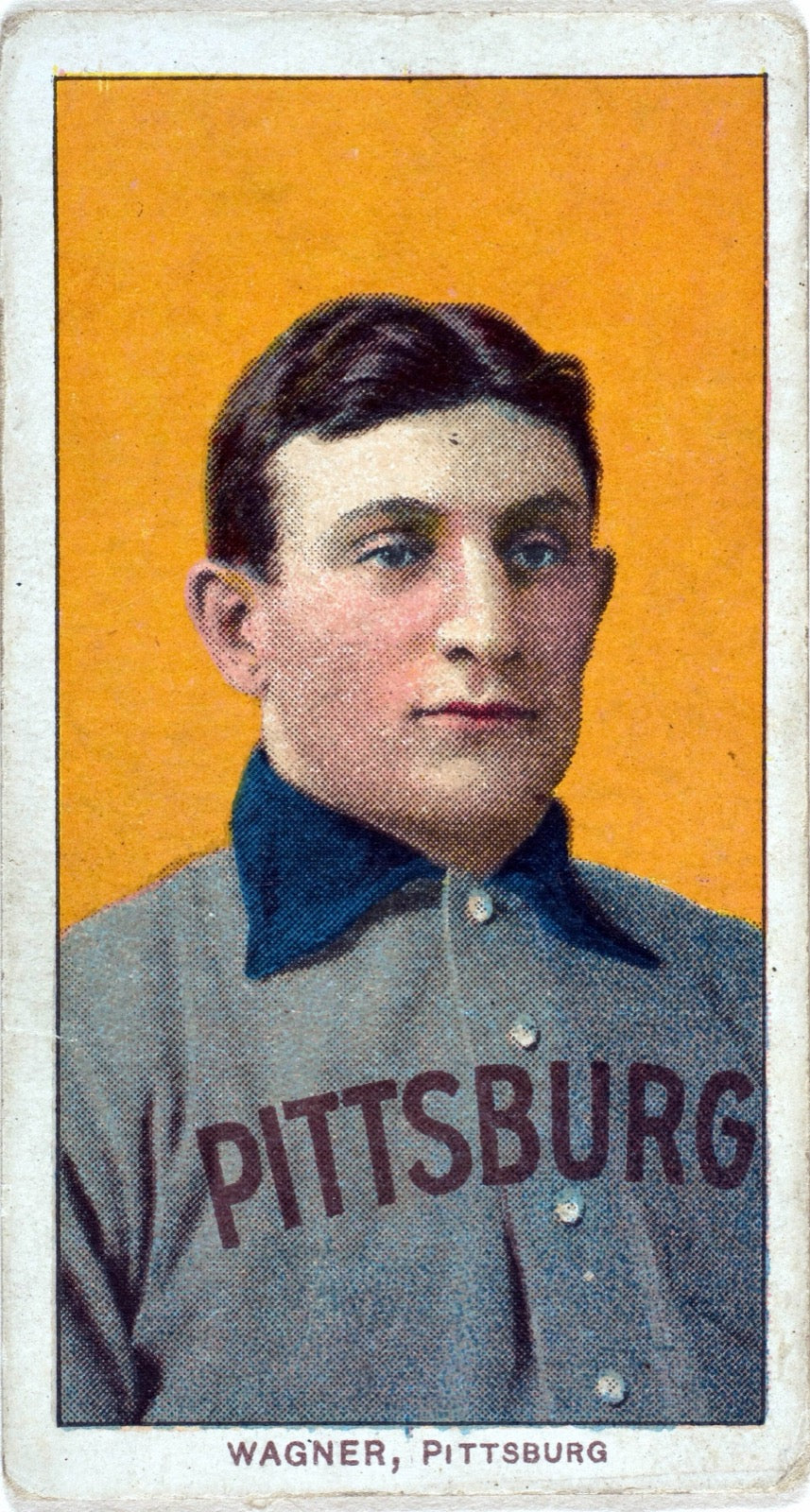
The T206 Honus Wagner is the card every pre-war baseball card eventually gets measured against: a single withdrawn print run from a 1909 cigarette set that turned into the most expensive piece of cardboard in the hobby. Fewer than sixty are known to survive, and the ones that do carry a story almost as valuable as the card itself.
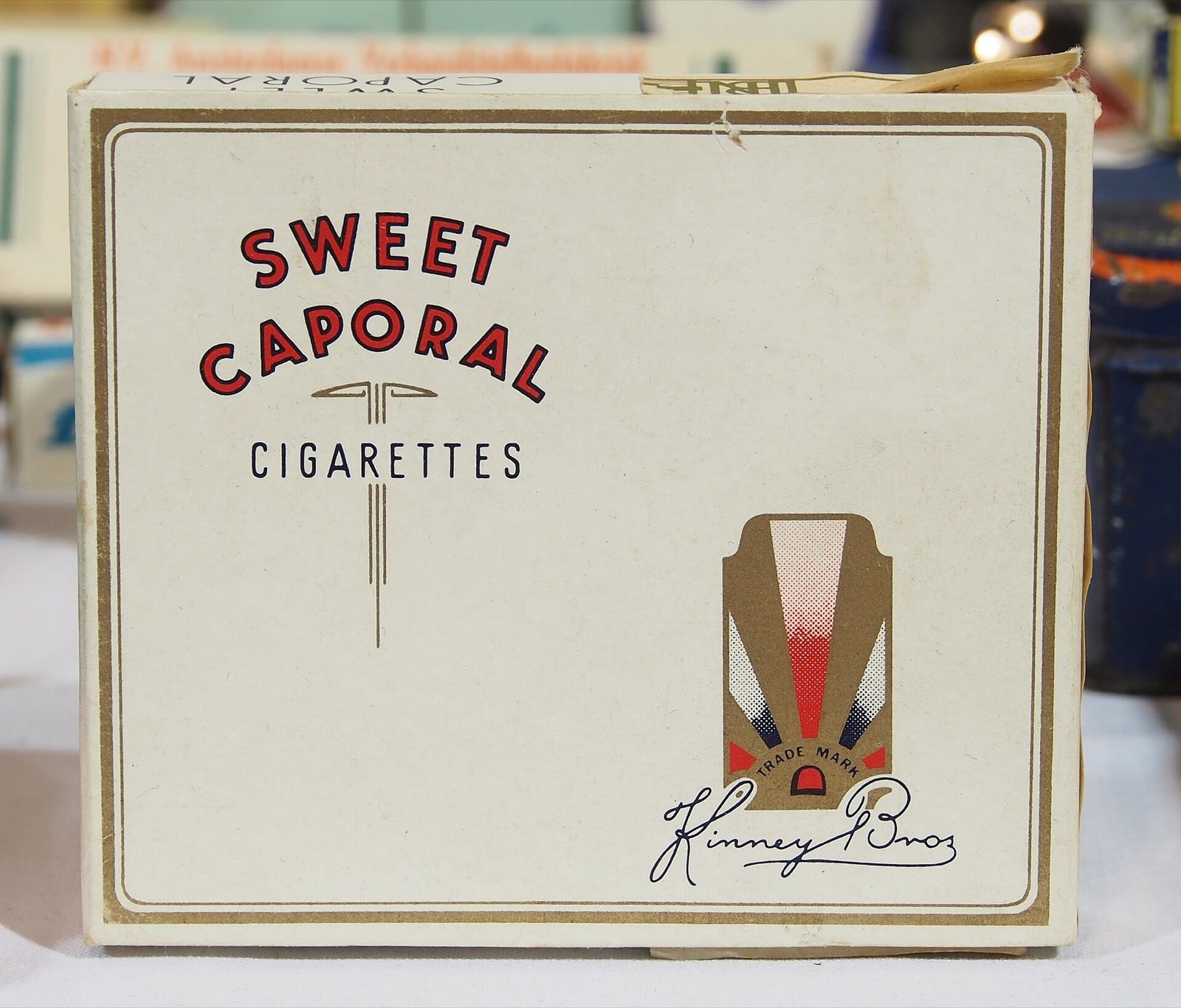
The American Tobacco Company issued the T206 series between 1909 and 1911, distributing 524 subjects across sixteen cigarette and loose-tobacco brands, from Piedmont and Sweet Caporal to Old Mill and Polar Bear. Honus Wagner, the Pittsburgh Pirates shortstop then at the height of his career, was meant to be one name among hundreds. Instead his card was pulled from production almost as soon as it appeared, and that single decision is the reason collectors are still chasing it more than a century later.
For anyone starting out in pre-war cards, the Wagner is both the extreme case and the clearest lesson: how rarity, condition and paperwork combine to set a price, and how easily all three can be faked. This guide covers what actually makes the card rare, what it has sold for, and what to check before trusting a pre-war card’s authenticity.
Discover all in our:
Guide to the T206 Honus Wagner and pre-war cards
Credit: Robert Edward Auctions
Why the American Tobacco Company withdrew the card
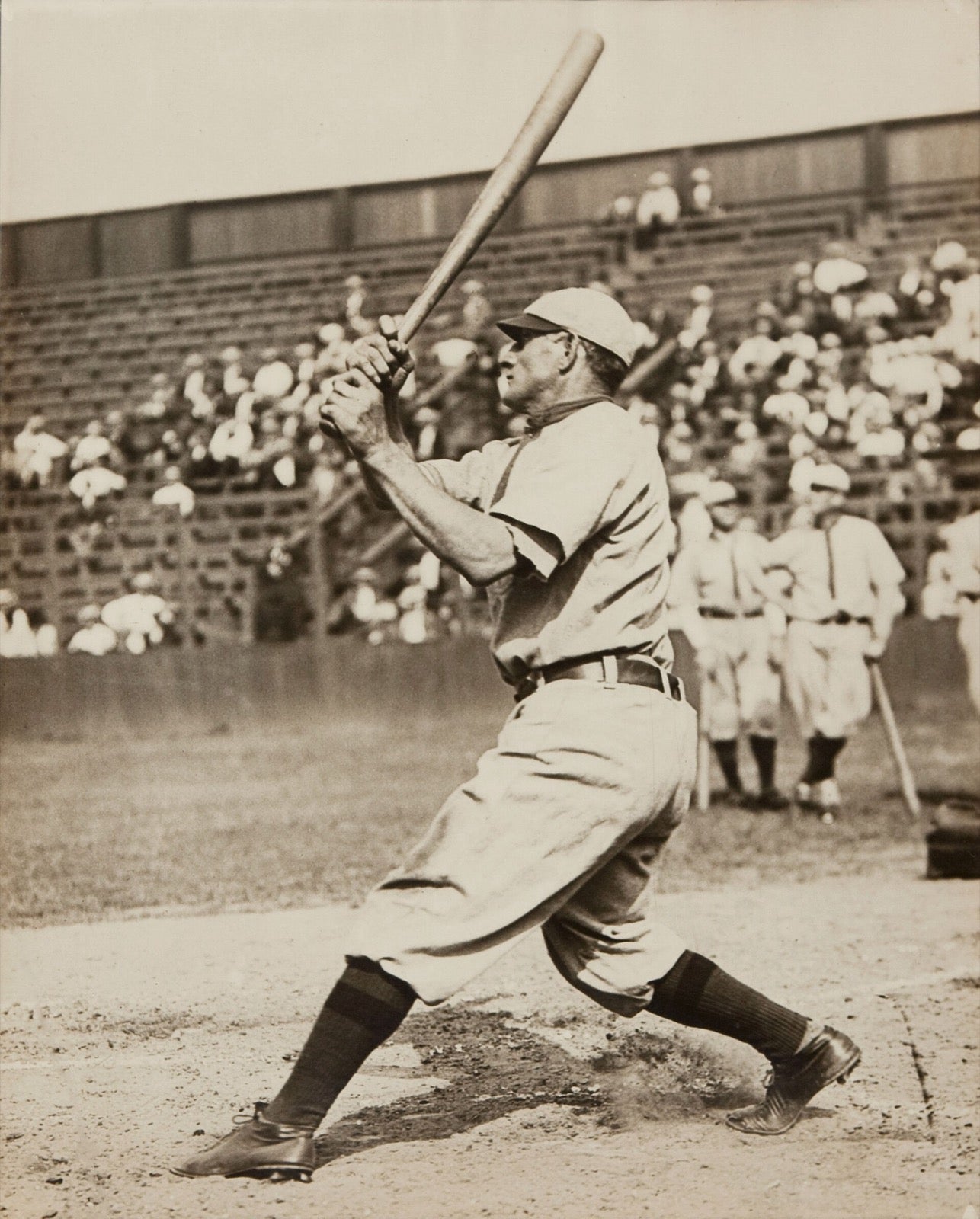
The most durable account of the withdrawal comes from Wagner’s own correspondence. A Sporting Life article dated 4 October 1912 records that a local American Tobacco Company representative, John Gruber, wrote asking for his consent to appear in the set. Wagner refused, and enclosed a $10 cheque to cover the fee Gruber would otherwise have earned for securing it. Gruber, according to a follow-up account printed in the Cleveland Plain Dealer in 1955, never cashed it, framing the cheque instead.
Why Wagner objected is still debated. He is on record using tobacco himself, which undercuts the popular idea that he refused purely to keep cigarettes out of children’s hands. Whatever the reason, the American Tobacco Company had already begun printing his card on some of its brands before the refusal reached the factory, and the print run was cut short. Every surviving Wagner descends from that abbreviated batch.
Credit: Charles M. Conlon, public domain via Wikimedia Commons
How rare is the T206 Wagner, really
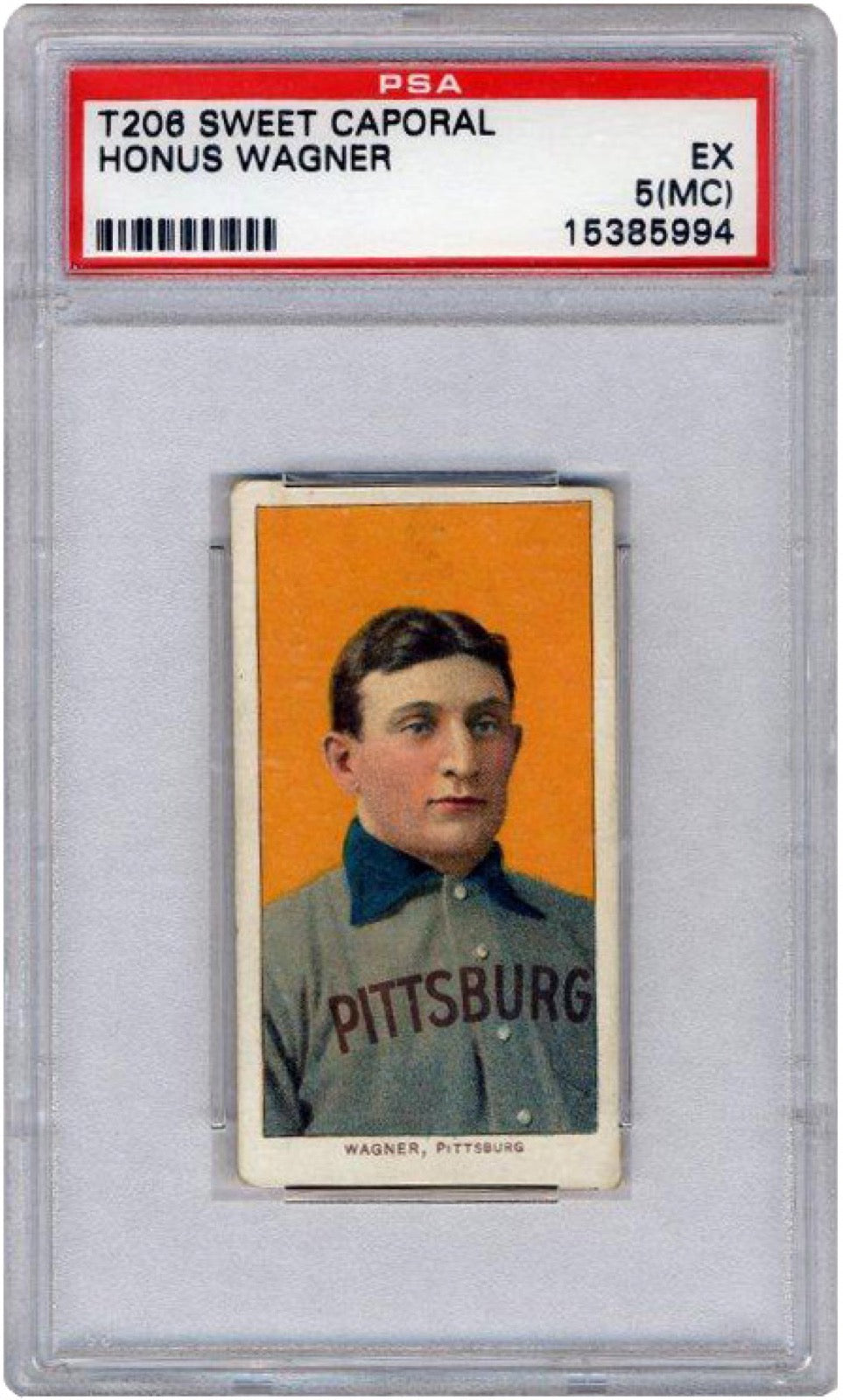
Population figures shift as cards are re-submitted or cross between grading companies, so any count is a snapshot rather than a fixed total. Robert Edward Auctions, a specialist house that regularly handles the card, states on its own site that only fifty examples have been authenticated across the major grading services, and that Wagner cards have changed hands at public auction just 58 times since 1991.
Condition is where the scarcity bites. According to Robert Edward Auctions, a Wagner graded VG or better has come up for public sale only six times since 2008, across just three individual cards. Most of what survives is low-grade: creased, trimmed at the corners by earlier handling, or missing colour. A “PR 1” or “Authentic” grade is not a defect in the Wagner market so much as the norm.
Credit: Uncredited baseball card artist, public domain via Wikimedia Commons
What auction records reveal about demand
The current public auction record belongs to a Wagner graded SGC VG 3, discovered on Long Island in 1973 and sold through Robert Edward Auctions on 16 August 2021 for £4.8 million ($6,606,296). The same auction house’s own sales history shows the card had already set a record for its grade when it first came to public sale back in 2012, before nearly quintupling in value over the following nine years.
That trajectory is not unique to one copy. Because so few Wagners exist and so few owners ever sell, each fresh appearance tends to reset expectations rather than settle them, with demand from a fixed and growing pool of collectors chasing a supply that cannot expand.
Beginners should treat headline Wagner prices with some caution. Private sales are common at this level and rarely disclosed in the same detail as a public result, so a press figure is not always as verifiable as a hammer price at a named auction house.
Credit: Robert Edward Auctions
Beyond Wagner: other pre-war rarities forged by chance
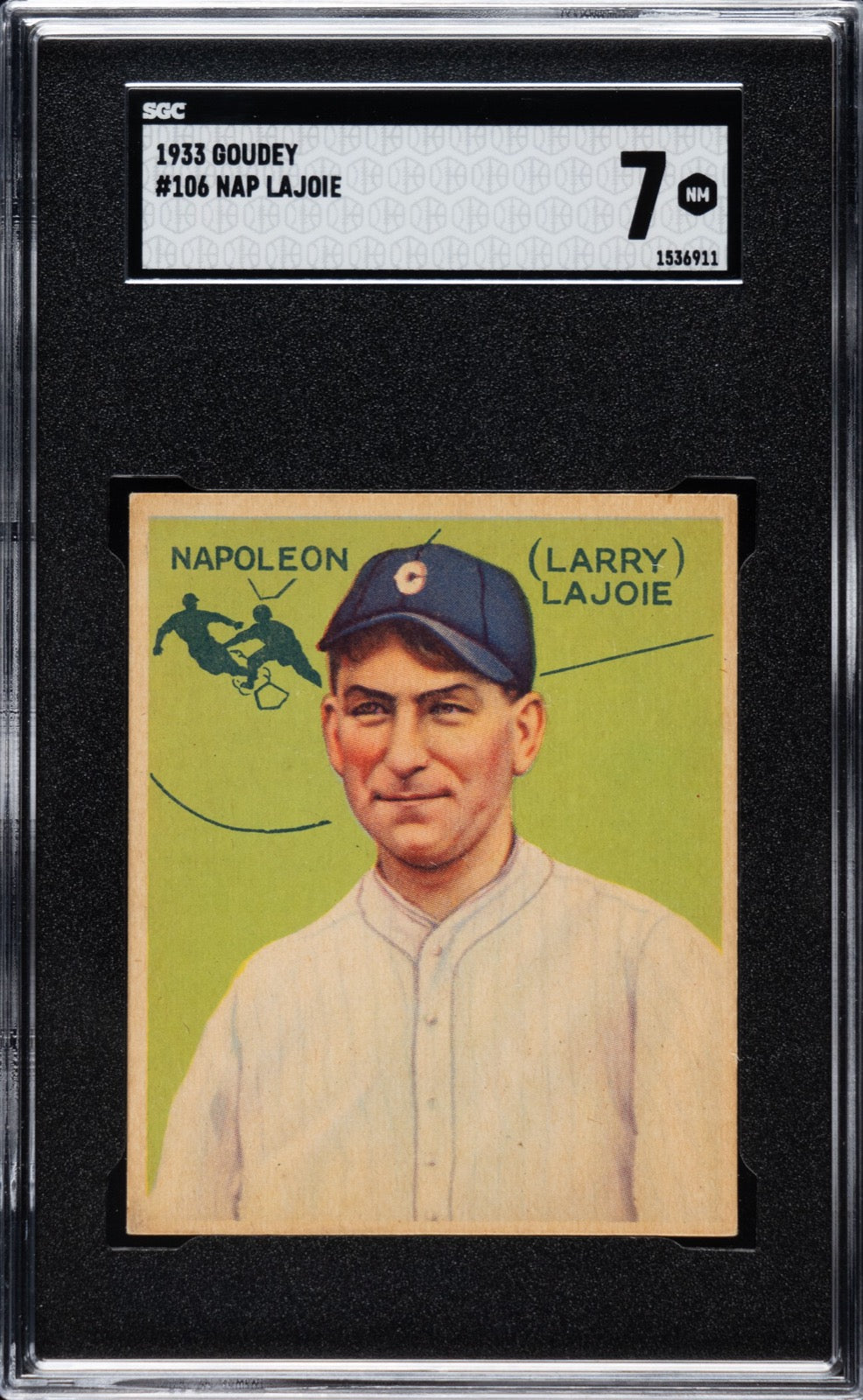
The Wagner is not the only pre-war card whose scarcity was accidental rather than planned. The 1933 Goudey Gum Company set ran to 240 numbered cards, but card No. 106, reserved for the long-retired Napoleon Lajoie, was never printed with the rest of the set. Collectors who wrote in to complain were sent the missing Lajoie by mail in 1934, with a letter of apology, which is why the card exists at all. Robert Edward Auctions sold a Lajoie graded SGC NM 7 for £78,168 ($99,000) in its Fall 2023 auction.
Other pre-war rarities followed different routes to the same result: the T206 set itself includes short prints and printing errors produced in smaller numbers than the rest of the run, without ever being withdrawn deliberately. The lesson is consistent: rarity in pre-war cards is almost always a specific, documentable event, not a vague sense that older cards are automatically scarce.
Credit: Unknown author, public domain via Wikimedia Commons
The authentication problem: trimming and altered cards
High value invites alteration, and the T206 Wagner has the hobby’s most notorious example of it. A copy bought by dealer Bill Mastro in the mid-1980s and later sold to Wayne Gretzky and Bruce McNall was graded the highest mark ever given to a Wagner, but suspicions about its sharp corners persisted for decades. In October 2013 Mastro pleaded guilty to mail fraud and admitted trimming the card’s edges with a paper cutter to improve its appearance before selling it on, without disclosing the alteration to the buyer. He was sentenced to 20 months in federal prison in 2015. Trimming, re-colouring and pressing are the alterations pre-war buyers most need to watch for, since each can turn a low grade into a far more valuable one without changing the card’s authenticity outright.
Credit: Alf van Beem, public domain via Wikimedia Commons
Why grading and provenance decide what a pre-war card is worth
None of this means a beginner needs to become a paper conservator before buying a first pre-war card. It means trusting the grading company’s holder and the auction house’s own listing, rather than a seller’s description or a price quoted second-hand. A card graded by PSA or SGC has been checked for exactly the kind of trimming that caught up with Mastro, and a sale recorded by a specialist auction house is traceable in a way a private deal never quite is. The Wagner’s climb from a $10 cheque nobody cashed to a multi-million-pound card did not happen because the card became rarer. It happened because buyers learned, slowly and sometimes expensively, what to check before they believed what they were looking at.