



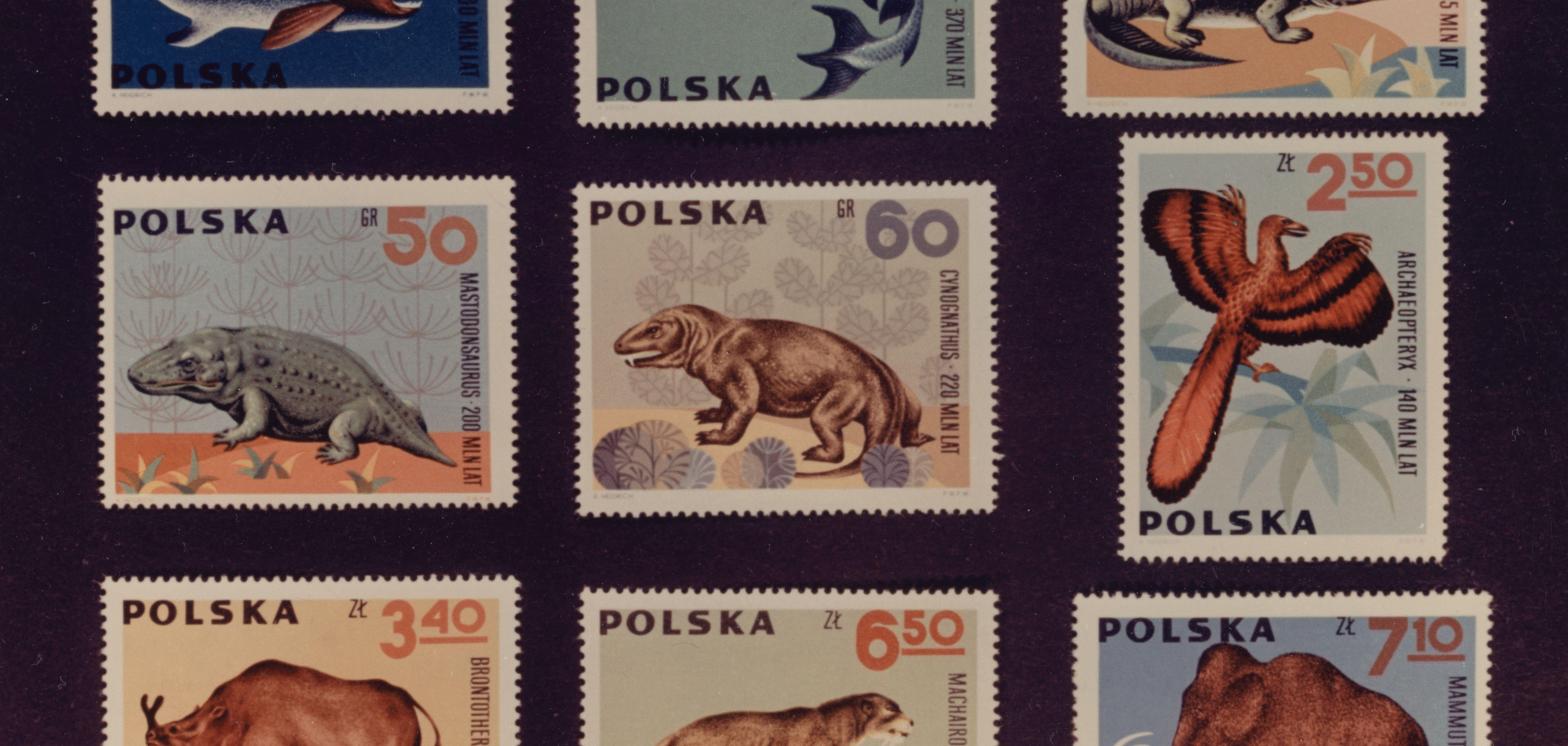
The magic of collecting stamps starts with scale. A piece of paper not much bigger than a fingernail can carry a monarch’s portrait, a nation’s postal reforms and, in rare cases, a price that runs into millions of pounds. Few hobbies compress so much history, geography and value into something you can hold between two fingers.
That combination goes back to a single object: the Penny Black, put on sale in Britain on 1 May 1840 as the world’s first adhesive postage stamp. Chris West tells its story in detail in A History of Britain in Thirty-Six Postage Stamps, and it is really two stories at once. One is about a broken postal system and the stubborn reformer who fixed it. The other is about an industrial nation working out what to do with its own cleverness.
What follows traces how that story unfolded, why a stamp can feel like a passport to somewhere else entirely, and why collectors and investors alike keep returning to a market that has been running for close to two hundred years.
Discover all in our:
The magic of collecting stamps
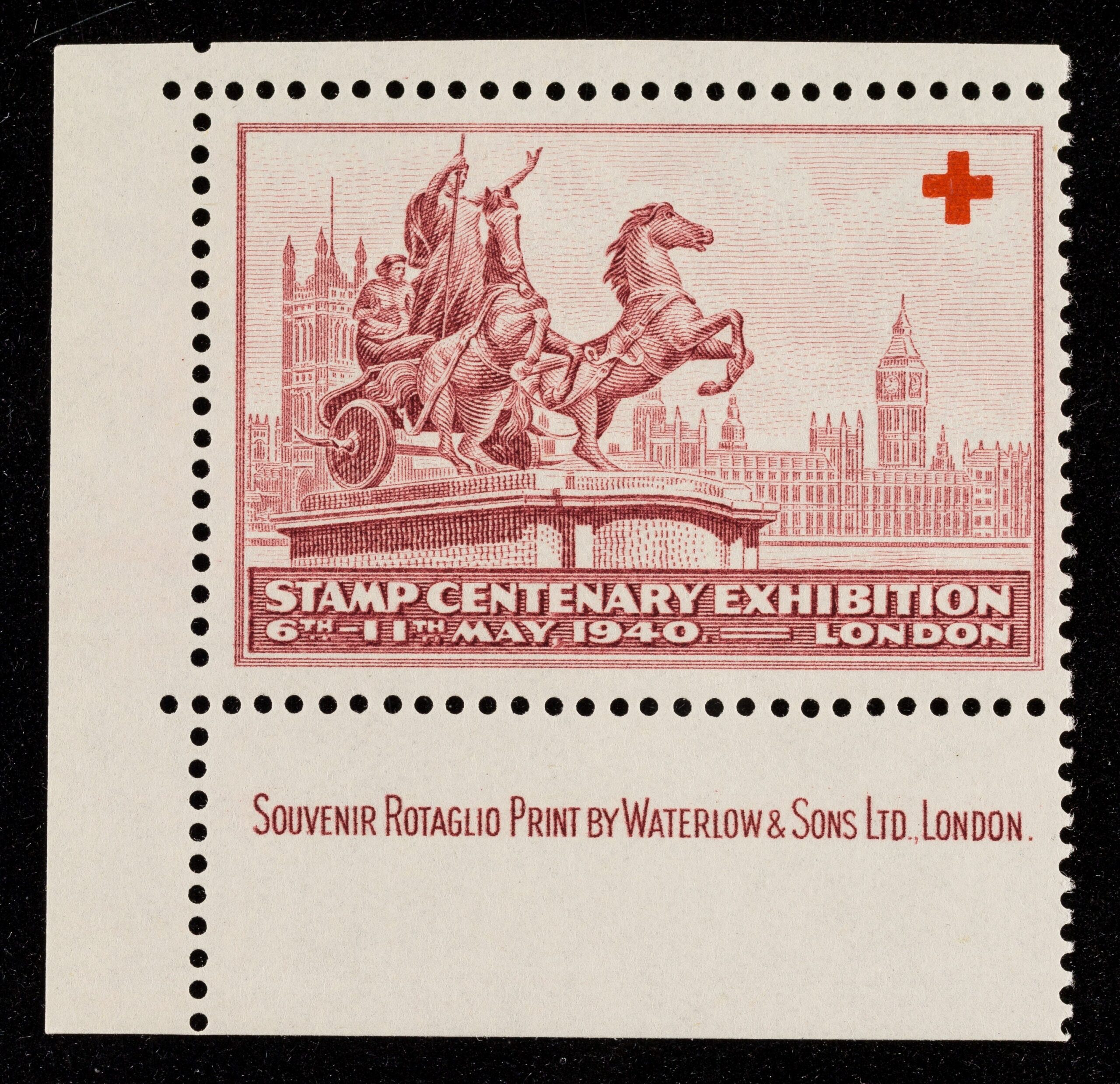
Credit: Wellcome Collection – Public Domain
A young queen inherits an unfinished revolution
Victoria became queen in June 1837, inheriting a country that West describes as both brilliant and troubled at once. It was brilliant in its industry: engineers and entrepreneurs such as Matthew Boulton and Josiah Wedgwood had helped make Britain the world’s fastest-growing economy. It was troubled in what that growth cost, with slums, child labour and long working hours spreading alongside the factories and foundries.
The same split ran through the way Britain governed itself. Trade and naval power gave the country outsized influence abroad, without much idea of how to use it responsibly. A culture of aristocratic elegance sat over a system that could tip easily into the corruption of a closed elite. Sorting out that dual inheritance, West argues, called for creativity, courage and energy, and postal reform is one of the clearest examples of the Victorians actually supplying it.
The post before the penny
Sending a letter before 1840 was neither cheap nor simple. A national penny post already had a precedent: William Dockwra had run one in London from 1680, promising delivery anywhere in the city within four hours for a penny, until the government nationalised his profitable scheme for the Duke of York. After the Duke fled the throne in 1688, Dockwra ended up running his own system again, this time on a government salary. Other cities copied the idea successfully. Beyond them, the post was a mess.
Mail between towns was slow, and a bewildering scale of tariffs and surcharges meant that sending a single sheet of paper across Britain could cost around eight and a half old pence, worth roughly £40 in today’s money. The recipient, not the sender, paid on delivery, which meant letters were regularly refused if nobody was home or nobody had the coins to hand. Members of Parliament and peers, meanwhile, posted for free, a perk that businesses paid for by offering them directorships.
Rowland Hill’s one penny idea
Rowland Hill was not a career postal official. He had been running his father’s progressive school in Birmingham since he was 25, designing its buildings and teaching practical mathematics alongside Latin, while inventing a rotary printing press, a stagecoach speedometer and a ship’s propeller in his spare time. He had also helped design the charter for the new colony of South Australia, securing religious freedom and civil liberties for its settlers.
In 1837 Hill privately published a pamphlet, Post Office Reform, its Importance and Practicability, arguing for a flat national rate of one penny regardless of distance, paid in advance by the sender rather than collected from the recipient. The Postmaster General dismissed it as wildly impractical, and the Post Office’s own secretary, Colonel Maberley, rejected it outright. Hill found allies with more pull: a City lobbying group organised by Henry Cole, and the network of Mechanics’ Institutes that had sprung up in industrial towns to educate working men. By 1839 Parliament had ordered the new system built along Hill’s lines, and put him in charge of delivering it.
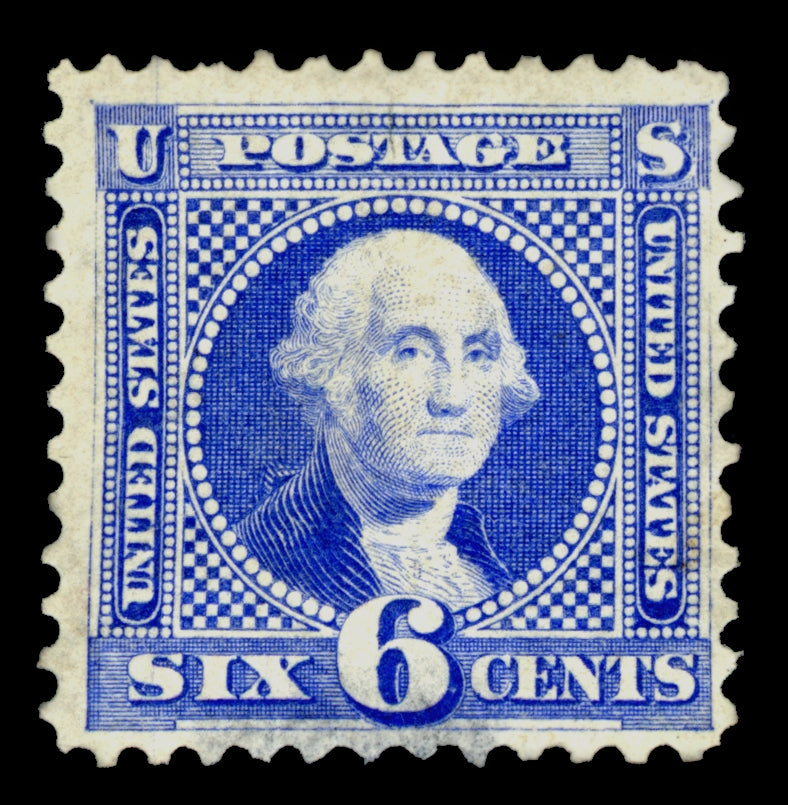
Credit: Public domain via Raw Pixel
Designing the world’s first stamp
A public competition for prepaid postal materials drew more than 2,600 entries, though barely fifty of them proposed anything resembling a stamp. Most competitors thought in terms of preprinted envelopes and letter sheets. The winning envelope design, by the artist William Mulready, was mocked so thoroughly in the press, partly for its odd allegorical figures, that it was withdrawn and destroyed in specially built envelope-burning machines.
The stamp that survived was based on a medal William Wyon had designed for one of Victoria’s early public appearances. Hill had the sketch redrawn by the artist Henry Corbould and refined the layout and intricate background himself. Engravers at Perkins Bacon, a small printing firm skilled in line engraving, turned it into plates of 240 stamps at a time. Victoria approved the finished design on 20 February 1840. The Penny Black went on sale on 1 May, valid for use from the 6th, and Perkins Bacon printed 68 million of them in the following ten months.
The effect was immediate. Britain had sent about 70 million letters in 1839. By 1841 that had risen to 208 million, and by 1850 it stood at 350 million. Other countries followed Britain’s lead within a few years, and the idea of paying one small, flat, prepaid rate to send a letter anywhere in a country spread across the world.
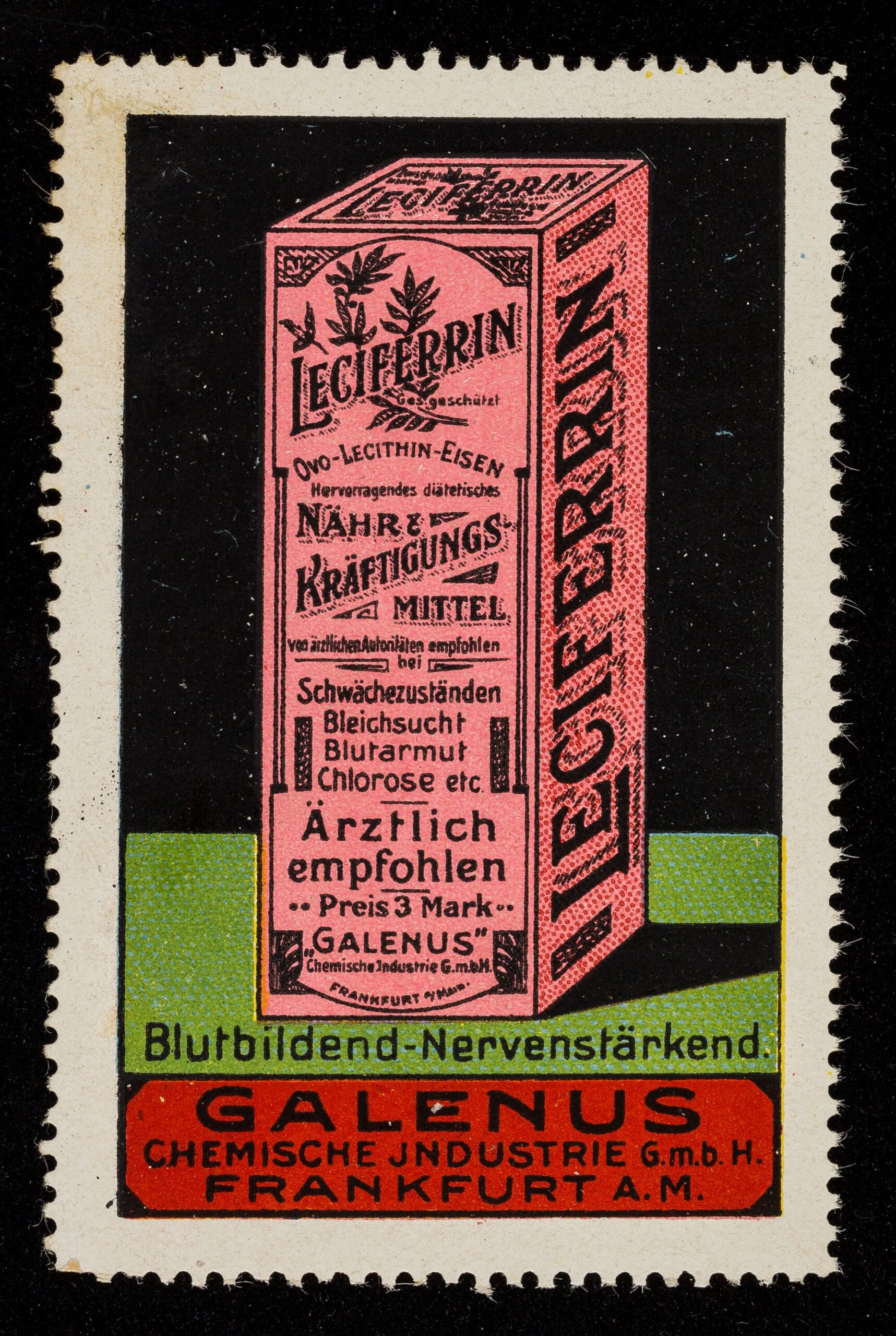
Credit: Public domain via RawPixel
A window on the wider world
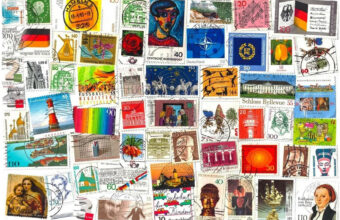
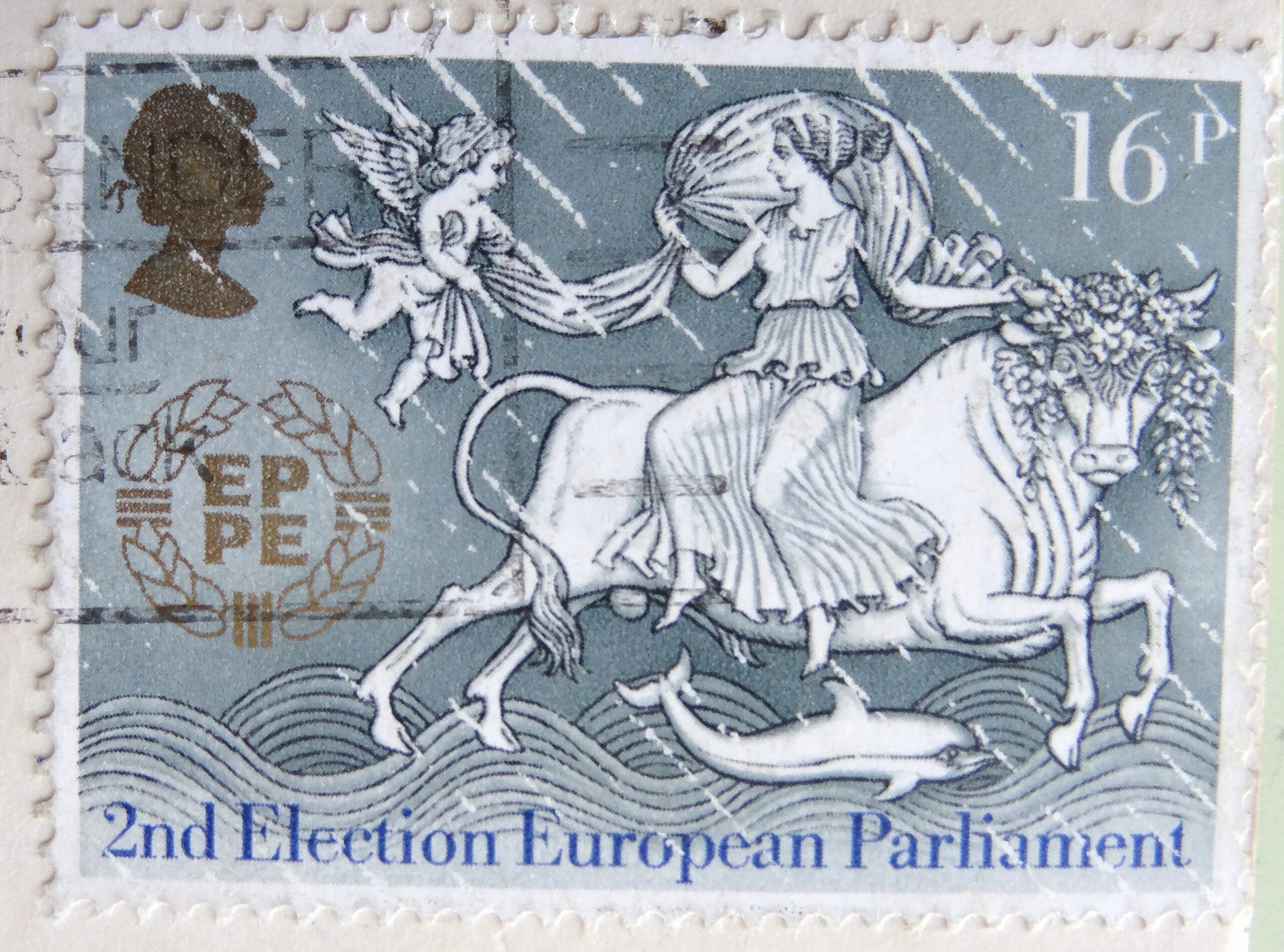
Part of the appeal of collecting stamps has nothing to do with money. A stamp is a miniature engraving, often designed by serious artists, carrying a country’s chosen self-image in a space smaller than a postage-sized square of paper: a monarch, a national bird, an anniversary, a mountain range nobody in the room has ever seen. Before television or the internet, a stamp album was often a child’s first atlas, a way of learning that Ceylon, Zanzibar or Tanganyika existed at all.
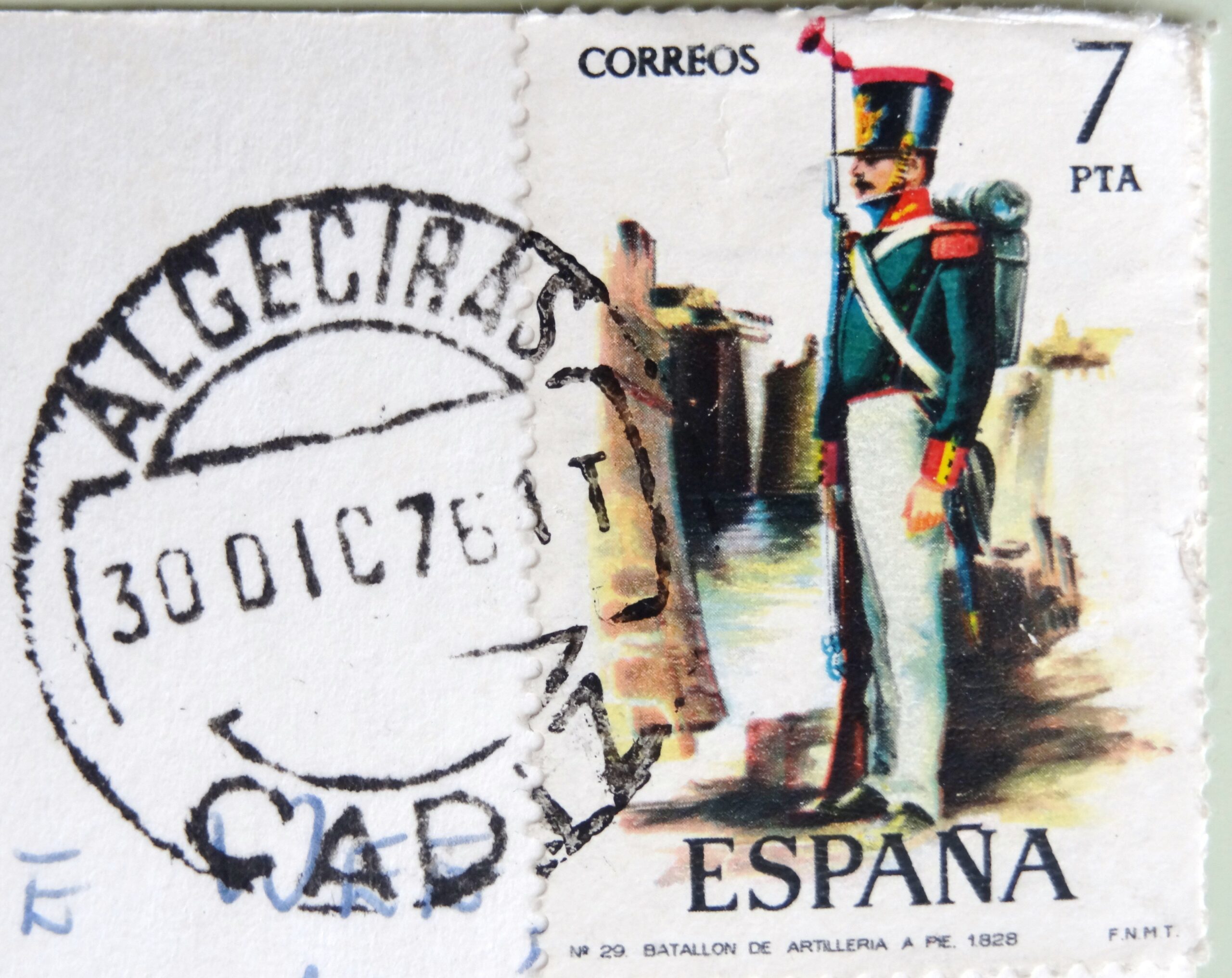
Postal history collectors take that further. A stamp on its original envelope carries a route, a postmark, a date and sometimes a story: the ship it crossed an ocean on, the war it slipped through, the address of someone long gone who was, for a moment, waiting for exactly that letter. Holding one is closer to holding a small, dated fragment of somewhere else’s history than owning most other kinds of antique.
Credit: Public domain via Raw Pixel
Why a penny idea still moves serious money
Stamp collecting has a genuine investment side, and it works on rules that are easy to misread. The figure printed in a Stanley Gibbons or Scott catalogue is a reference price, not a valuation. It tells you what a stamp is called and roughly where it sits in a hierarchy of rarity, but it is not what the stamp would fetch if sold tomorrow. What actually moves a price is condition, centring, the state of the gum, the type of cancellation and, for the rarest issues, a certificate of authenticity from a body such as the Royal Philatelic Society London.
Rarity at the very top of the market produces genuinely large sums. The British Guiana One-Cent Black on Magenta, the only surviving example of an 1856 colonial provisional stamp, sold at Sotheby’s in New York on 8 June 2021 for $8.3 million, around £5.9 million, bought by the dealer Stanley Gibbons. Even bulk archives can carry serious value: on 4 December 2012, Spink sold the Chartwell Collection’s original plate reconstructions used to compile the 1922 Nissen reference book, comprising 2,706 individual Penny Blacks, for £364,266 against a £150,000 starting price.
Most Penny Blacks, it is worth saying, are not worth anything like that. Some 68 million were printed in the stamp’s first year alone, and ordinary used copies remain some of the least expensive classic stamps a beginner can buy. What the market rewards at the top end is the same thing Rowland Hill was originally trying to fix: scarcity, verified condition and a story that can be checked. Nearly two centuries after his penny idea went on sale, that is still what decides whether a stamp is a curiosity or a serious asset.
Credit: Public domain via Raw Pixel