



First day covers are envelopes bearing a stamp postmarked on the exact date that stamp became valid for use, a practice as old as Britain’s first adhesive postage stamp, the Penny Black, issued on 6 May 1840. It grew into one of the more methodical branches of stamp collecting, with its own societies, cachet artists and specialist auctions.
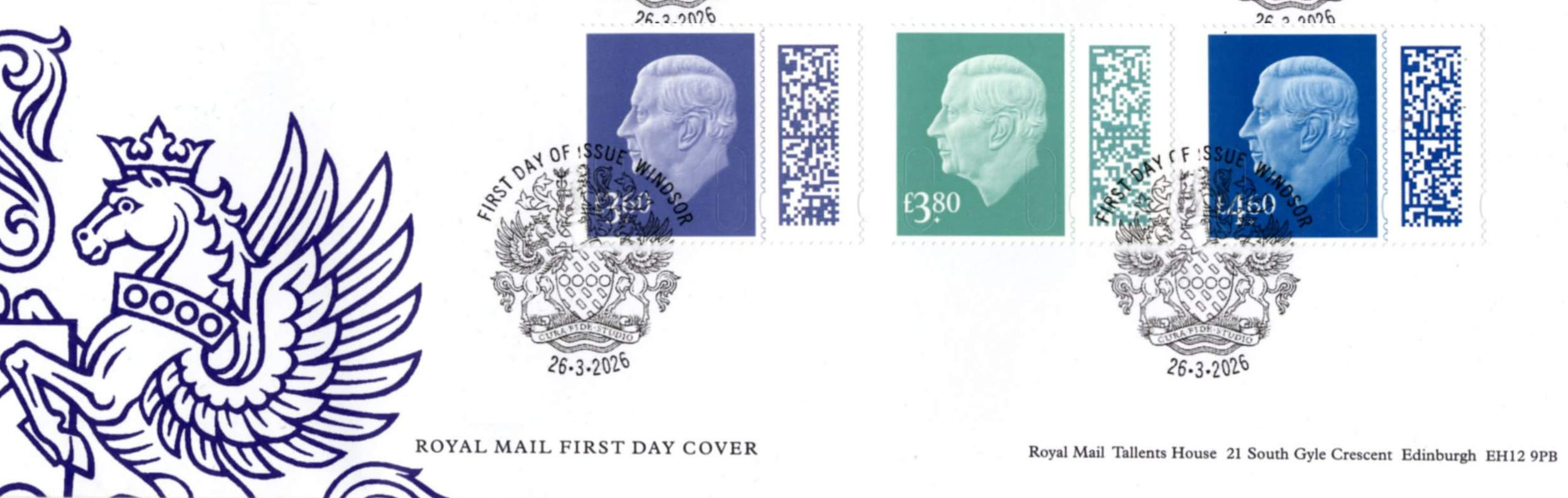
An envelope like this carries three pieces of evidence. The stamp says what was issued. The postmark says exactly where and when it entered use. And, on most covers made after the 1920s, a cachet says why the issue mattered enough to mark.
This guide covers where the practice began, how the cachet turned a plain envelope into something worth keeping, and what separates a cover worth a few pounds from one sold at auction for tens of thousands.
Discover all in our:
First day covers explained: the story on every envelope
Credit: General Post Office, public domain via Wikimedia Commons
What exactly counts as a first day cover?
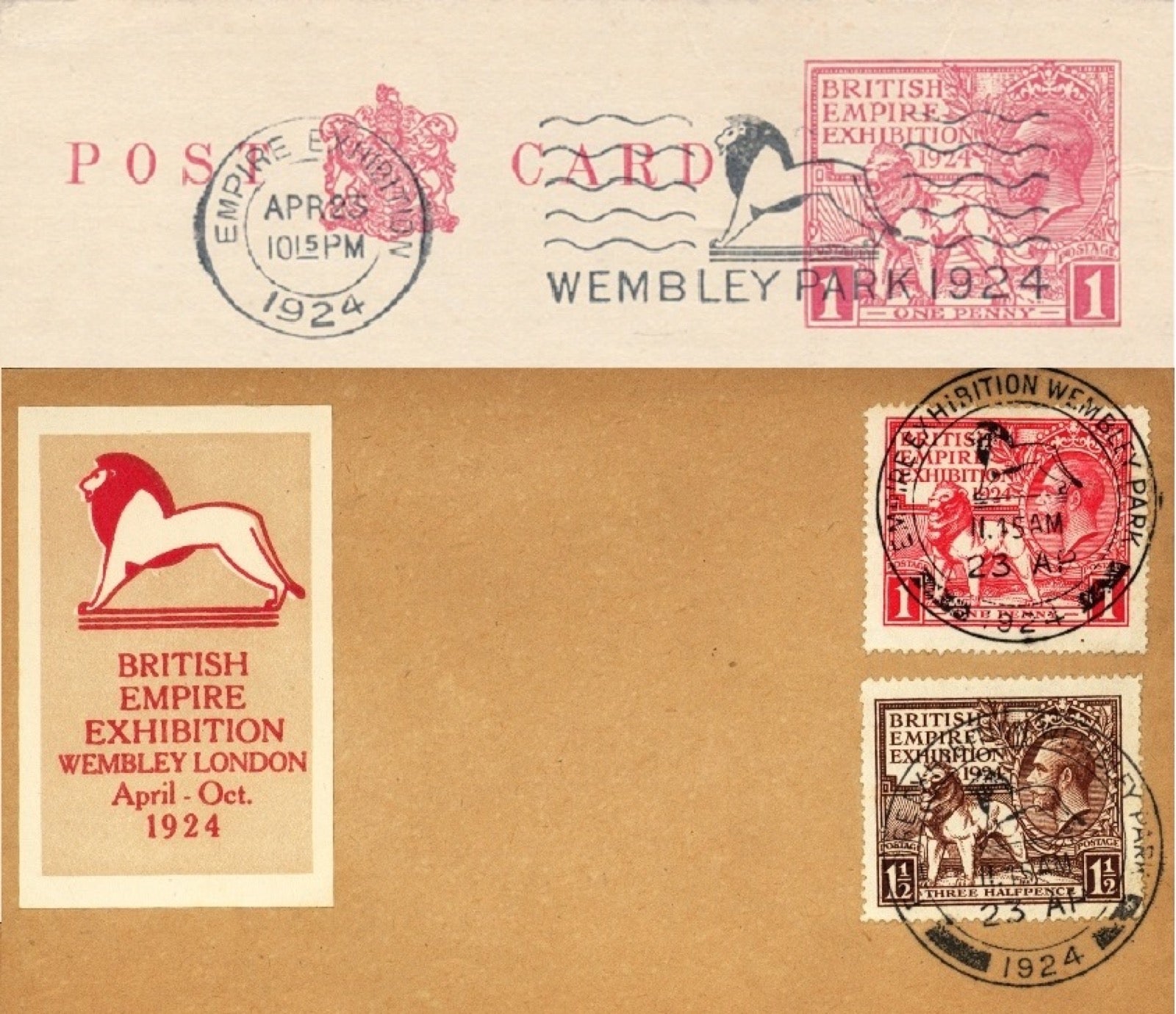
A first day cover is not simply an old envelope with a stamp on it. The stamp must be cancelled, by an official postmark, on the exact date that issue first became valid for postage; otherwise, an identical-looking envelope is just a used cover from later in the stamp’s life, worth a fraction as much. The postmark is applied by the post office and carries that authority alone. The cachet, added by a dealer, a society or the collector, can be anything from a printed caption to a hand-painted illustration, and a cover does not need one to qualify.
Credit: Public domain via Wikimedia Commons
Britain’s first day, long before anyone used the phrase
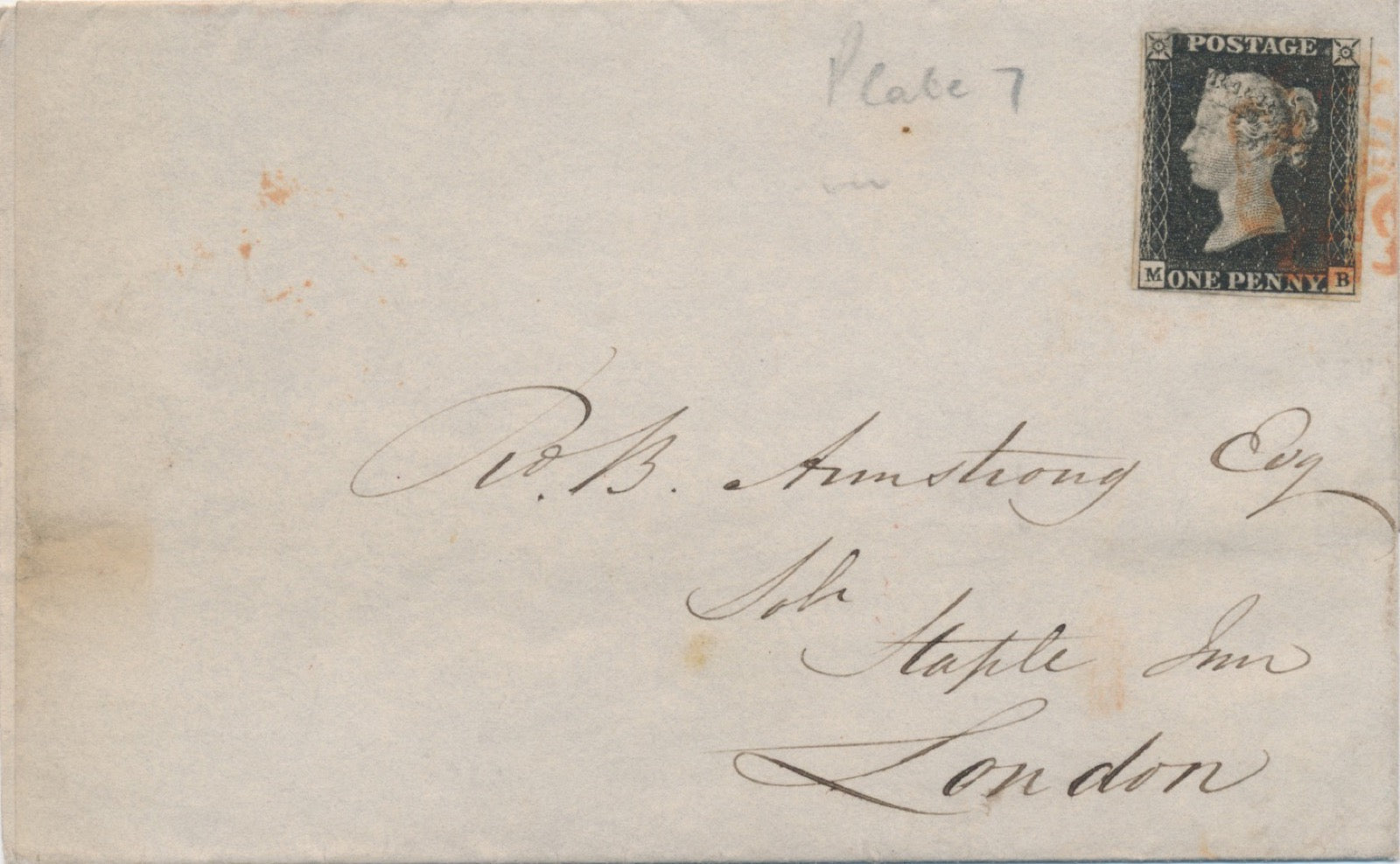
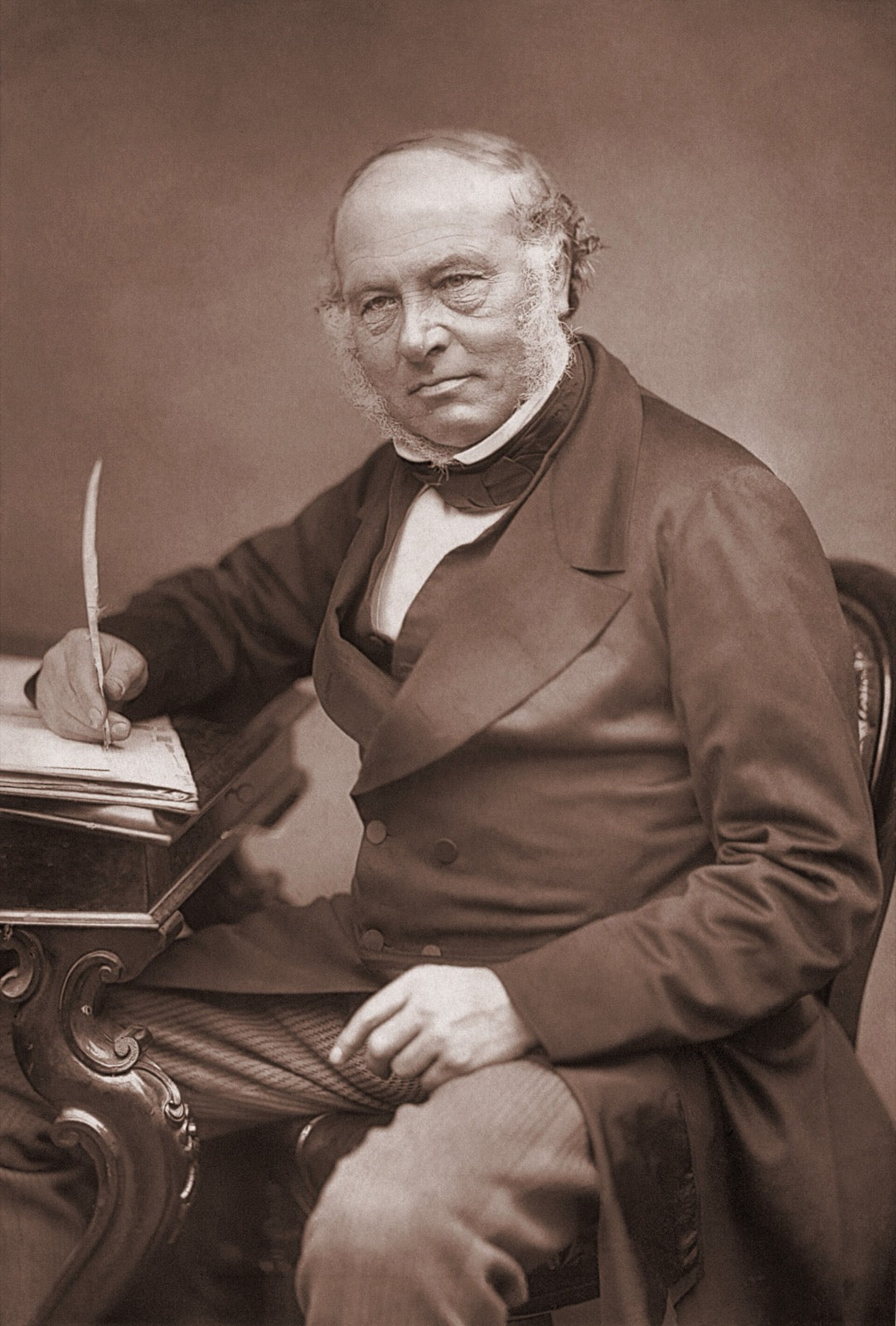
The practice is as old as the adhesive stamp itself, even though nobody called it a first day cover at the time. Rowland Hill’s campaign for cheap, prepaid postage became law in August 1839, and the Penny Black, bearing William Wyon’s portrait of the young Queen Victoria, went on sale in London on 1 May 1840. It only became valid on 6 May, which is why the earliest covers span several dates: one example is recorded used on 1 May, and other post offices, Bath among them, let customers use it as early as 2 May. Those pre-official covers, cancelled with the red Maltese Cross used to mark the labels as spent, are what a modern collector would recognise as first day material.
Credit: Public domain via Wikimedia Commons
How an envelope became a small work of art
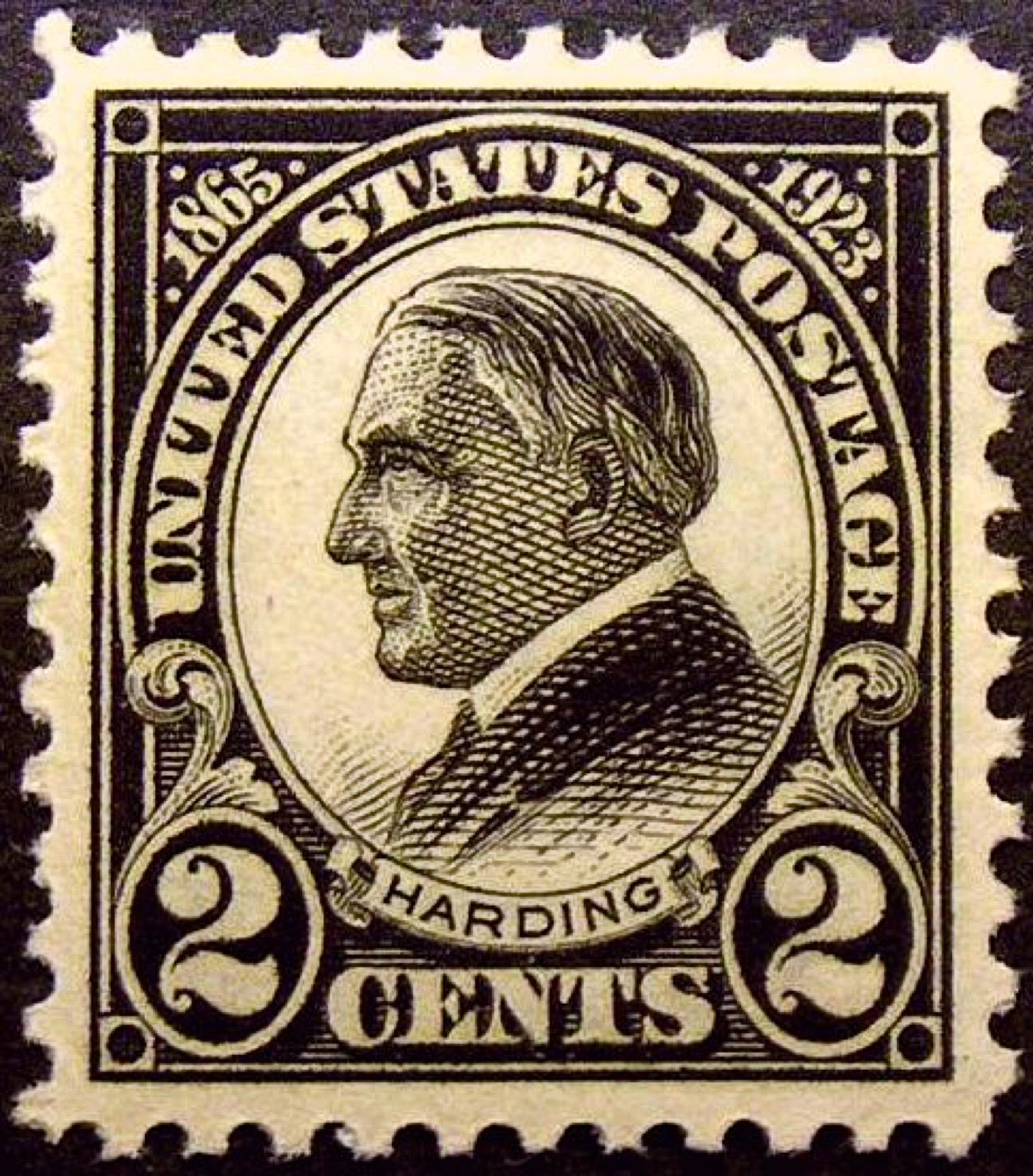
The decorated first day cover, the kind most people picture today, is a twentieth-century invention. On 1 September 1923, the philatelist and publisher George Ward Linn added a printed black border and caption to an envelope carrying America’s new two-cent stamp marking the death of President Warren Harding, generally reckoned the first pre-printed cacheted first day cover.
Other dealers copied the idea, and within a decade hundreds of cachet makers were competing for business, using engraving, multicolour printing, hand painting and even silk-like cloth. Firms such as ArtCraft, Artmaster, Fleetwood, House of Farnam and Colorano turned the trade into an industry generating thousands, sometimes tens of thousands, of cachets for a single US stamp release, and the idea even left the ground, with cachet designs flown on space missions.
Credit: Bureau of Engraving and Printing, public domain via Wikimedia Commons
Postmarks, ceremonies and the societies that grew up around them
The postmark itself kept evolving. Plain date-and-place cancellations gave way, from the 1960s and 1970s, to pictorial postmarks designed for the new issue, adding a second illustrated element alongside any cachet. Postal authorities also began marking a stamp’s first day with a proper ceremony, inviting officials and dignitaries, partly for press coverage and partly to give collectors a fixed event to attend.
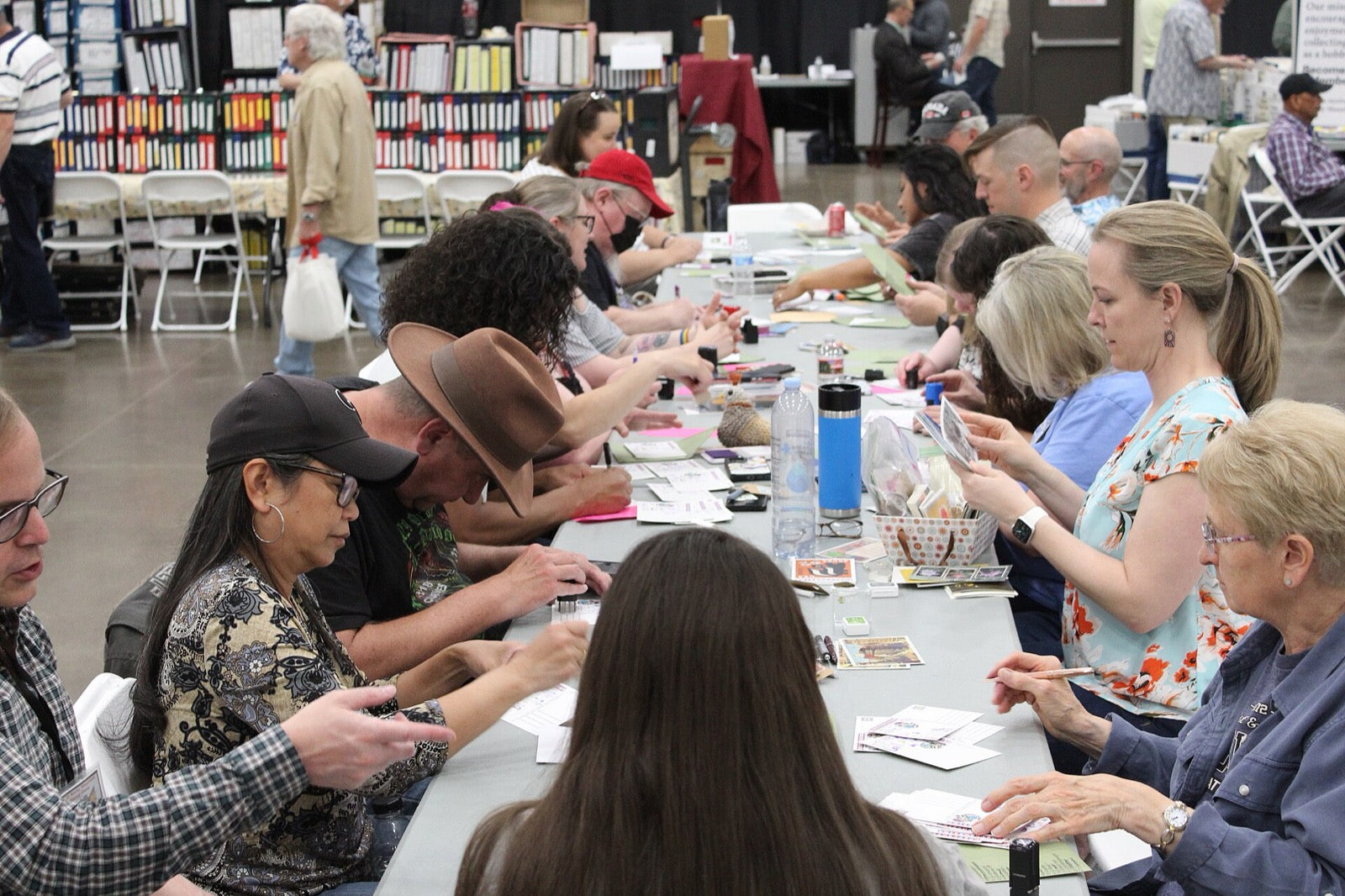
That culture needed organising. The American First Day Cover Society, founded in 1955, now has more than 30 chapters and around 1,100 members, and runs an annual convention, Americover, held alongside the Great American Stamp Show. Britain’s equivalent is the Royal Philatelic Society London, founded in 1869 and granted royal patronage in 1906, whose Expert Committee is one of the two bodies collectors turn to when a cover’s authenticity needs settling.

Credit: Mikepascoe, public domain via Wikimedia Commons
What separates a keepsake from an auction lot
Rarity, condition and paperwork decide the gap. A cover survives in far greater numbers from a stamp’s second or third day than from its first, so date alone can multiply a price several times over. Certification matters too: the Royal Philatelic Society London and, in the United States, the Philatelic Foundation both issue certificates of authenticity, the Foundation’s archive running to more than 622,000 of them.
That gap shows up at auction: Spink sold a Penny Black first day cover on 14 April 2010 for a hammer price of £44,000, a single stamp tied by two strikes of the red Maltese Cross to a manuscript dated “London 6 May 1840” and posted to Paisley. Stanley Gibbons had catalogued the same stamp at £125,000; Spink’s own estimate was £35,000 to £40,000. The cover had belonged to the American bond investor William H. Gross, and only around 78 Penny Black first day covers are recorded as surviving. A catalogue number prices the stamp alone, not what a particular cover will make on the day.
Credit: Mikepascoe, public domain via Wikimedia Commons
Building a first collection without paying auction prices
None of this need be expensive to start. National postal services still issue new stamps with their own first-day postmark, and a cover bought on the day of issue costs little more than the stamp itself. Modern covers rarely appreciate much, but they are how collectors learn to read one before spending serious money on an older cover. Store covers flat, away from light and damp, in archival sleeves rather than a scrapbook with adhesive pages, since old album glue is what damages many covers now on the market.
Why the same three checks still set the price
What has not changed since 1840 is what a first day cover actually records. The stamp, the postmark and, for the past century, the cachet each fix one fact: what was issued, when it entered use, and why that moment was worth marking. A modern commemorative cover bought over a post office counter does the same job as the manuscript-dated Penny Black covers from May 1840, on a smaller scale and for a smaller outlay.
That is also why the gap between a £44,000 hammer price and a few pounds at a post office counter is not really about age. It comes down to how many other covers survive from that date, whether a certificate backs the claim, and whether the postmark and the calendar agree. Those checks worked for the buyers queuing outside London post offices in May 1840, and they still work today.