




Features
Features blogs and quizzes.
Features blogs and quizzes.

Five movements, five different scandals: a rejected urinal, a manifesto that helped feed Fascism, a surrealist show trial, a covert CIA funding programme, and a fashion trade that copied an artist’s work without paying her. From Dada’s Fountain to Bridget Riley’s Op Art, these are the documented rows behind five of art history’s most disputed movements.
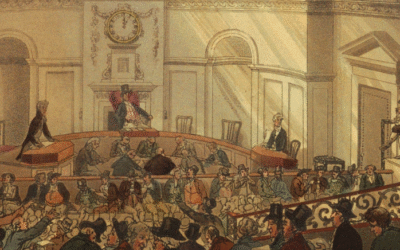
A modern art gallery can feel like a closed shop until you know the routine: how prices are set, what a condition report actually tells you, and what a buyer’s premium adds to a hammer price. This guide walks first-time buyers through galleries and auction houses alike, so a first painting gets bought on questions answered rather than guesswork.
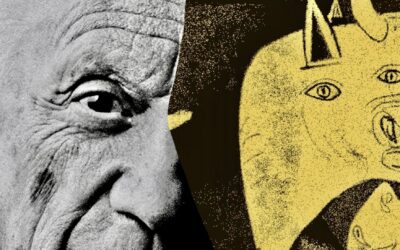
Guernica will never be sold, but the objects around it can be. This guide traces Picasso’s anti-war epic from the 1937 bombing that inspired it, through its decades in exile at MoMA and its 1981 return to Spain, to the etchings, tapestries and a live 2026 loan dispute that give collectors a genuine way into its history.
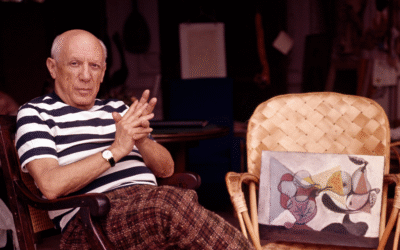
Understanding cubism and collecting Pablo Picasso offers insight into one of art history’s great revolutions. Picasso’s fragmented forms changed painting and influenced sculpture, architecture and design. For collectors, his works represent both artistic milestones and sound investments, with auction records regularly exceeding nine figures.
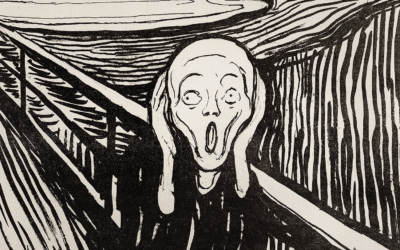
Edvard Munch’s The Scream is one of art’s most reproduced images, yet only four originals were ever made. Two have been stolen from Norwegian museums, in a ladder-and-window heist during the 1994 Winter Olympics and an armed daylight robbery a decade later, and only one has ever sold, for a record £74 million at Sotheby’s. Here’s the full story.
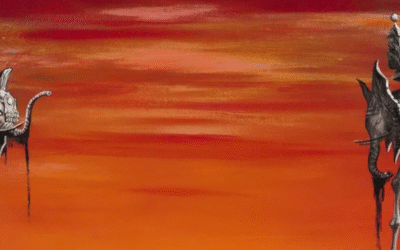
Salvador Dali remains one of the most recognisable names in modern art. While his major paintings achieve headline prices, prints, signed books and original lithographs offer attainable entry points. This practical beginners guide explains what to look for, where to find it and how to verify authenticity, with five verified examples.
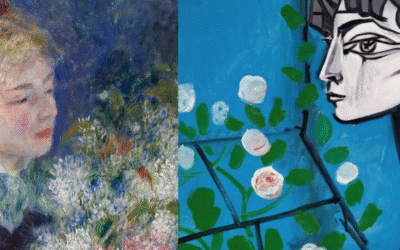
Impressionism vs cubism is a comparison that comes up whenever collectors start weighing which historic movement holds up best as a long-term store of value. Both produced some of the highest prices ever recorded at auction, yet the two markets behave quite differently once you look past the headline numbers.
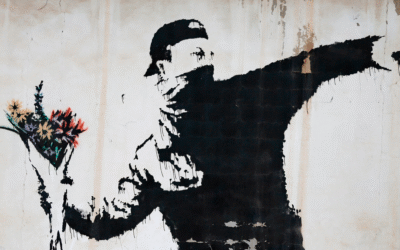
Banksy has quietly dismantled the assumption that street art—work created without permission and intended to be seen freely—could ever find its way into an auction house. His career demonstrates how verifiable provenance and institutional acceptance can transform graffiti from a cultural contradiction into a serious, high-value investment category.
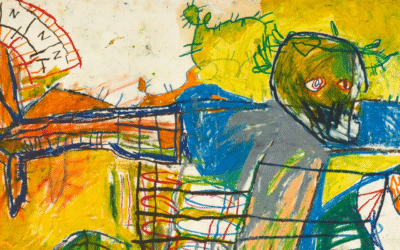
Pop art 101 offers beginners a comprehensive roadmap to collecting works by Andy Warhol, Keith Haring and Jean-Michel Basquiat. This essential guide explains the movement’s origins and characteristics, profiles each artist’s career and auction records, provides practical advice on authentication, provenance and condition reports, discusses budget planning across entry levels and identifies trusted sources for purchasing verified pop art in the current market.
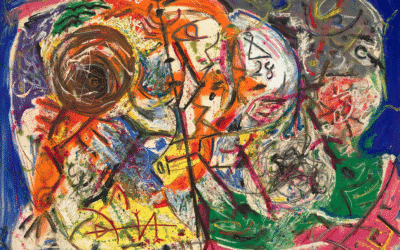
From a rediscovered da Vinci to a Klimt portrait sold only last November, these are the ten highest prices ever paid for a painting at public auction. Each one broke a record, and each broke it for a different reason: rarity, provenance, a single-owner estate sale, or simply a name too significant for the market to ignore. Here is how they got there, and what came next.
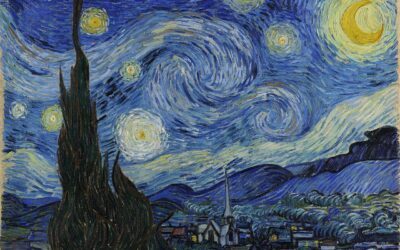
Discover the tragic story behind Vincent van Gogh’s The Starry Night. Painted in June 1889 during his voluntary stay at the Saint-Paul-de-Mausole asylum in Provence, this iconic work captures both a literal view and a deeply personal vision. From the east-facing window of his room, Van Gogh created a swirling night sky that transforms private turmoil into timeless art, connecting his emotional struggle to the vastness of the cosmos.
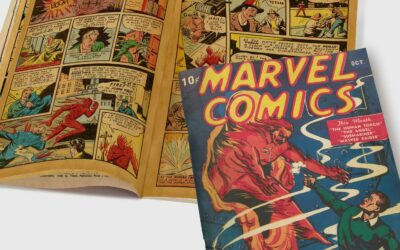
A ten-cent pamphlet from October 1939 introduced the Human Torch, the Angel and the Sub-Mariner, and modern collectors now pay six and seven figures for it. This guide walks through what Marvel Comics #1 is worth by grade, the record sales that keep resetting the bar, and what genuinely drives the price, plus practical advice for buying a copy with confidence.
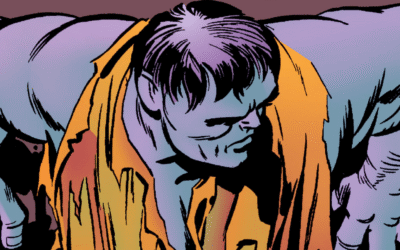
The Incredible Hulk first appeared in his own comic book in May 1962, an issue that introduced the character along with Dr Robert Bruce Banner, Betty Ross, Rick Jones and General Thunderbolt Ross. For collectors, this single comic is a prime example of a Silver Age key that continues to grow in both historical importance and market value. The book established a foundation that would support decades of storytelling in the Marvel Universe.
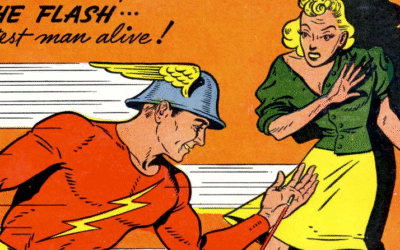
Flash Comics #1 from 1940 remains one of the most valuable Golden Age keys with verified sales from £29,192 for low-grade copies to £93,000 for near-mint examples. With fewer than 100 graded copies known, this first Jay Garrick appearance continues to appreciate as a blue-chip collectible.

Most Marvel cards in an old shoebox are worth very little — but hologram inserts, graded rarities and original card art are a different story entirely. This guide breaks down what actually drives value, from PSA grading to a record-breaking $81,250 sale, so you know what to look for before you sell.