




Salvador Dali remains one of the most recognisable names in modern art, his surreal imagery securing a lasting place in cultural history. While his major paintings command prices in the tens of millions, a wide range of collectibles allows enthusiasts to build meaningful collections without entering the highest tier of the fine art market.
It’s absolutely crucial to separate cheap, mass-produced tat from proper authentic pieces. Things like original lithographs, signed books, and limited prints sit in a brilliant sweet spot. They give you a genuine, tangible link to Dali without requiring a lottery win, and getting your head around this middle market is the real starting point for any budding collector.
In this guide, we’ll walk you through exactly what to keep an eye out for, where to actually source it, and how to make sure it’s the real deal. To give you a proper feel for the market, we’ve also pulled together five concrete examples of Dali pieces that have recently gone under the hammer at respected auction houses and trusted dealers.

Credit: SBS
Discover all in our:
A beginner’s guide to collecting Salvador Dali
Understanding Salvador Dali collectibles
Dali’s output extended far beyond the canvases for which he is best known. Throughout his career he produced lithographs, etchings and book illustrations, creating multiple entry points for collectors. These works were often published in limited editions, signed and numbered by the artist, which establishes provenance.
Signed books represent another accessible category. Dali authored and illustrated several volumes, from Les Diners de Gala to Dali’s Mustache. First editions with original signatures command premium prices, with the key being establishing authenticity.
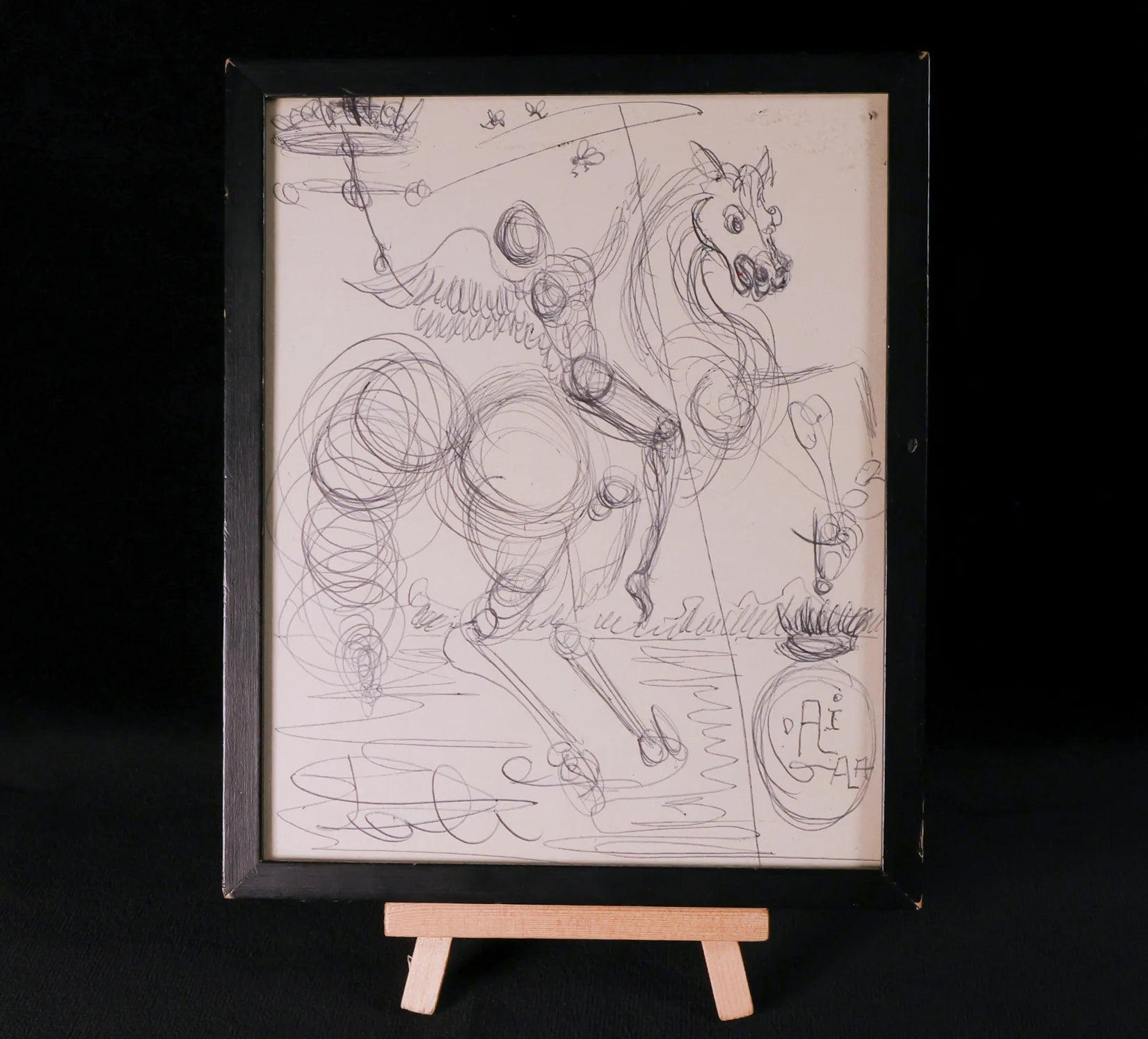
Original drawings and studies offer a more direct connection to the artist’s hand. While major preparatory works reach high sums, smaller sketches and commercial illustrations provide opportunities at lower price points. Condition and provenance are critical.
Credit: Bonhams
What makes Dali collectibles valuable
Authenticity is the foundation of value. Dali’s signature is distinctive but was also widely forged during his lifetime and after. A certificate from a recognised expert or auction house provides essential reassurance. For signed books, the signature should match known examples from the relevant period.
Provenance strengthens desirability. A piece with documented ownership history, particularly traceable to the artist or his circle, commands a premium. Auction records and exhibition history provide verifiable trails supporting authenticity.
Condition significantly affects value. Works on paper should be examined for foxing, toning or stains. Original frames can add value if contemporary, but poor framing that has caused damage will reduce it.
Credit: Paul Fraser Collectibles
Five entry points for new collectors
These five verified examples demonstrate the variety available. Each piece sold through a reputable auction house or dealer, with prices converted to British pounds where necessary.
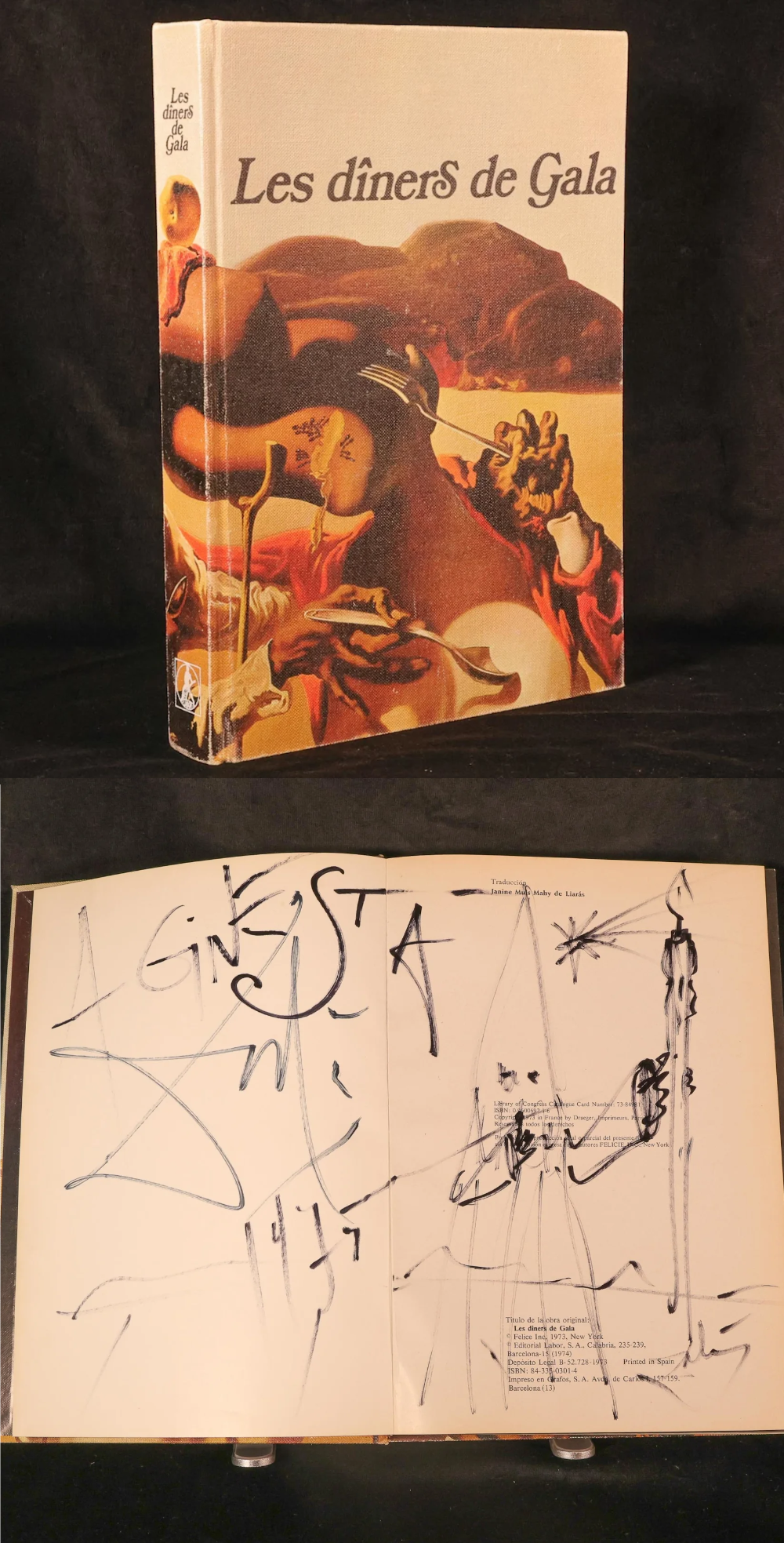
Signed cookbook with original drawing: £9,995. A hardcover copy of Les Diners de Gala from 1974 features a bold signature reading Dali on the front free endpaper. The artist added an original drawing of a hooded religious figure on the copyright page, measuring approximately 7.5 by 11.5 inches. The book shows some rubbing but remains in near fine condition.
Credit: Paul Fraser Collectibles
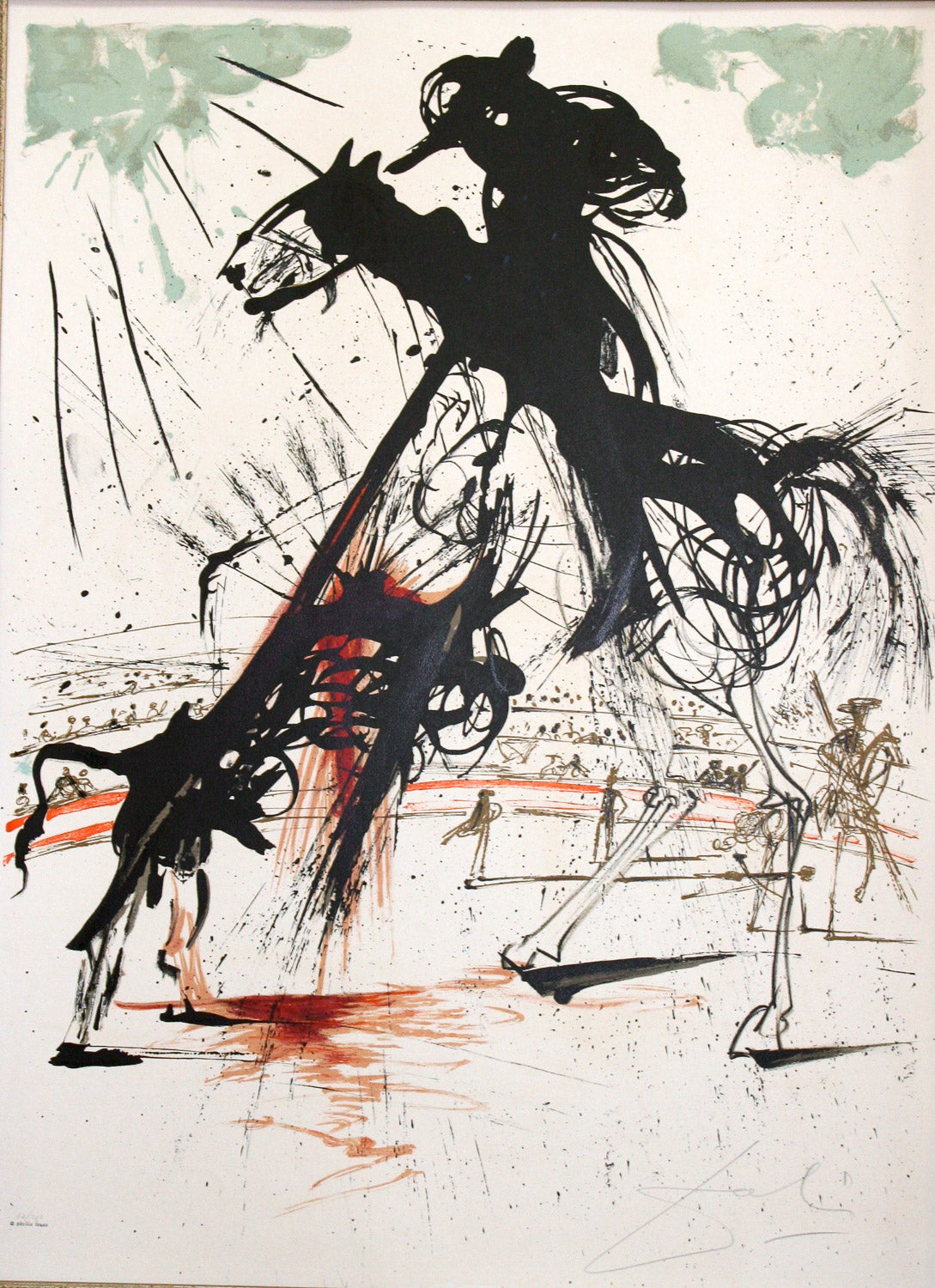
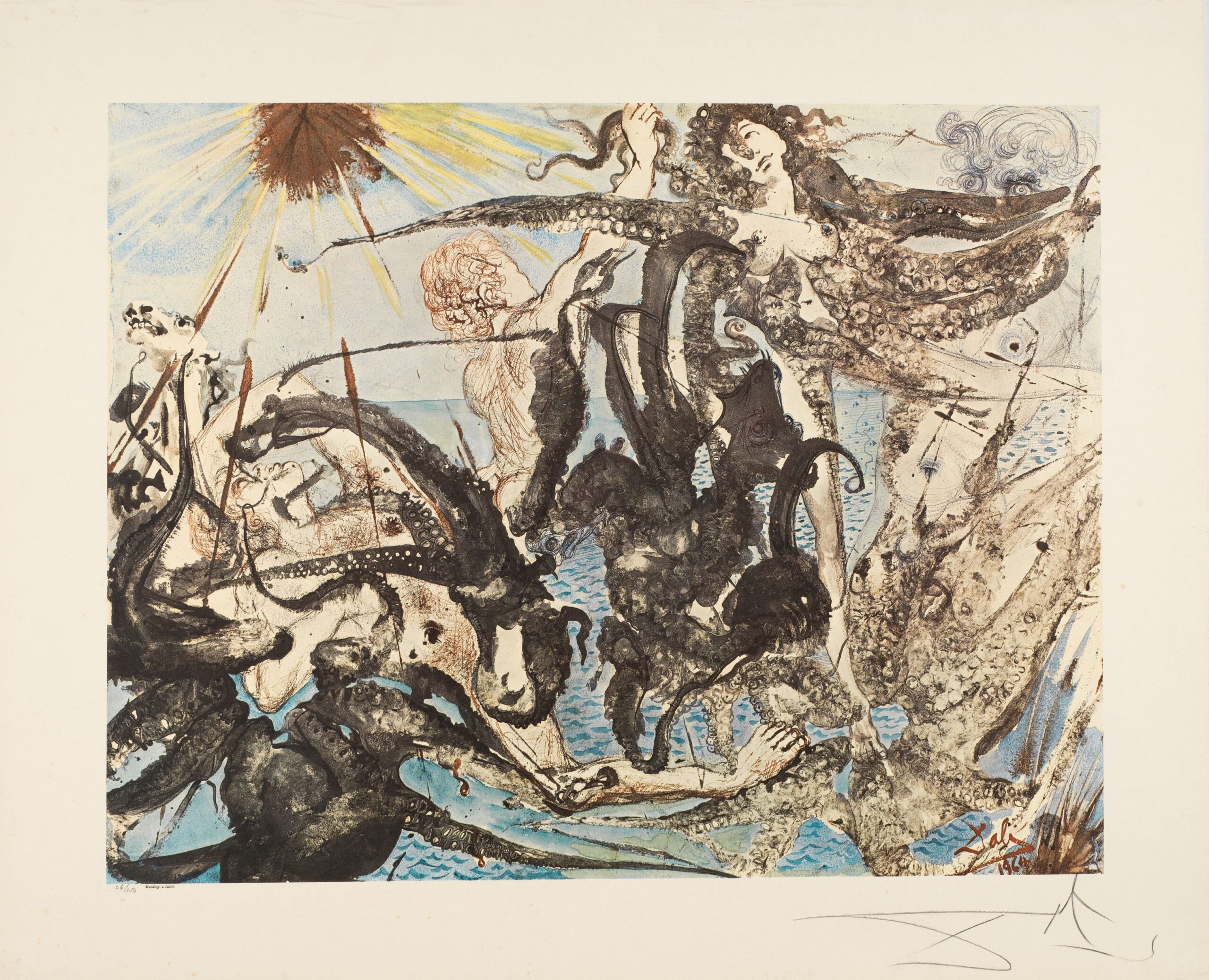
Triumph of the Sea lithograph: £750. This colour lithograph from 1965, printed on wove paper, was published by Sidney Z Lucas. Signed and numbered 26 out of 150 in pencil, with margins measuring 660 by 803 millimetres. Sold by Bonhams in June 2014.
Credit: Bonhams archive
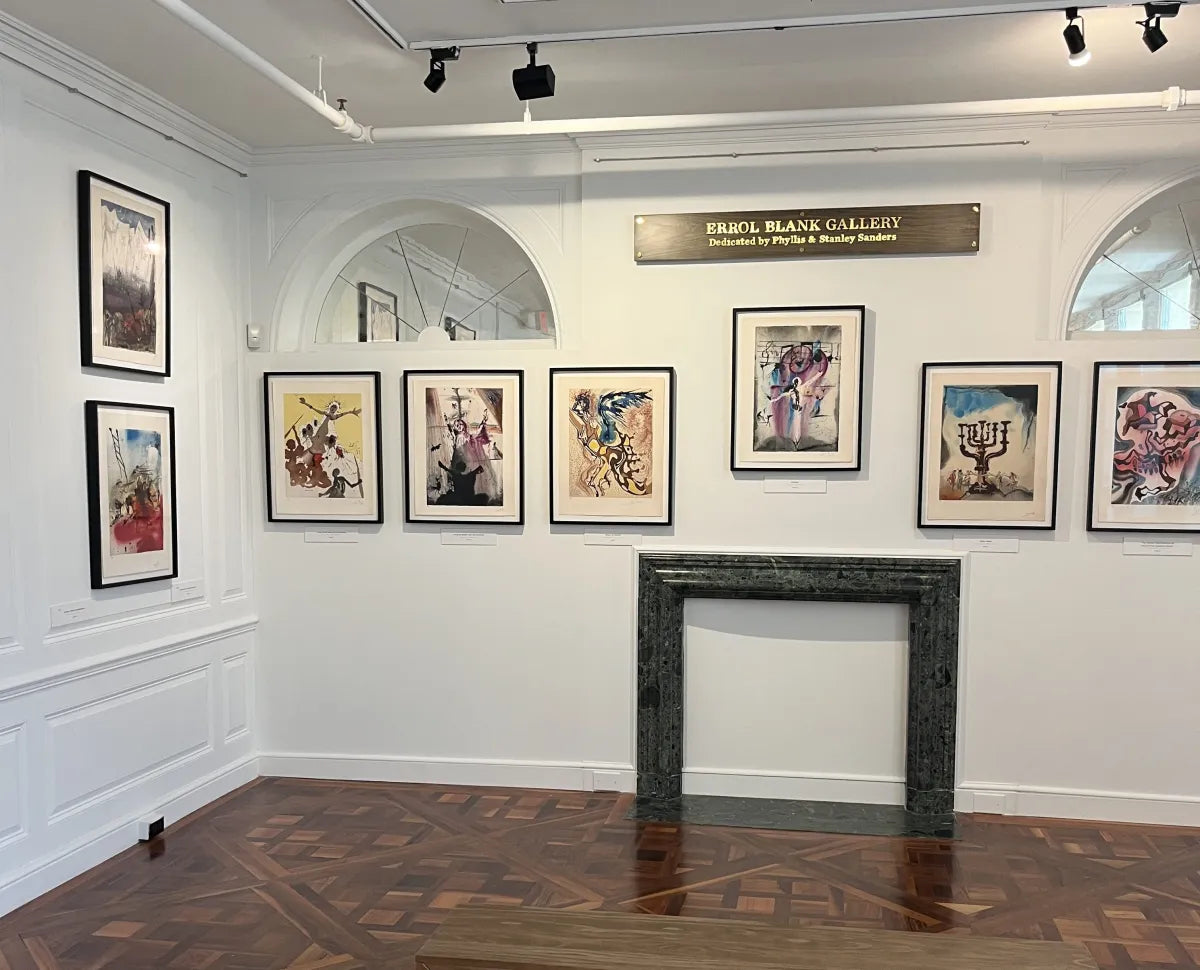
Aliyah complete set of 25 lithographs: £10,633. Published by Shorewood Publishers in New York in 1968, this complete set comprises 25 signed and numbered colour lithographs. The suite illustrates the story of Aliyah. Sold by Christie’s in 2015 for USD 16,250, converting to approximately £10,633.
Credit: Christie’s
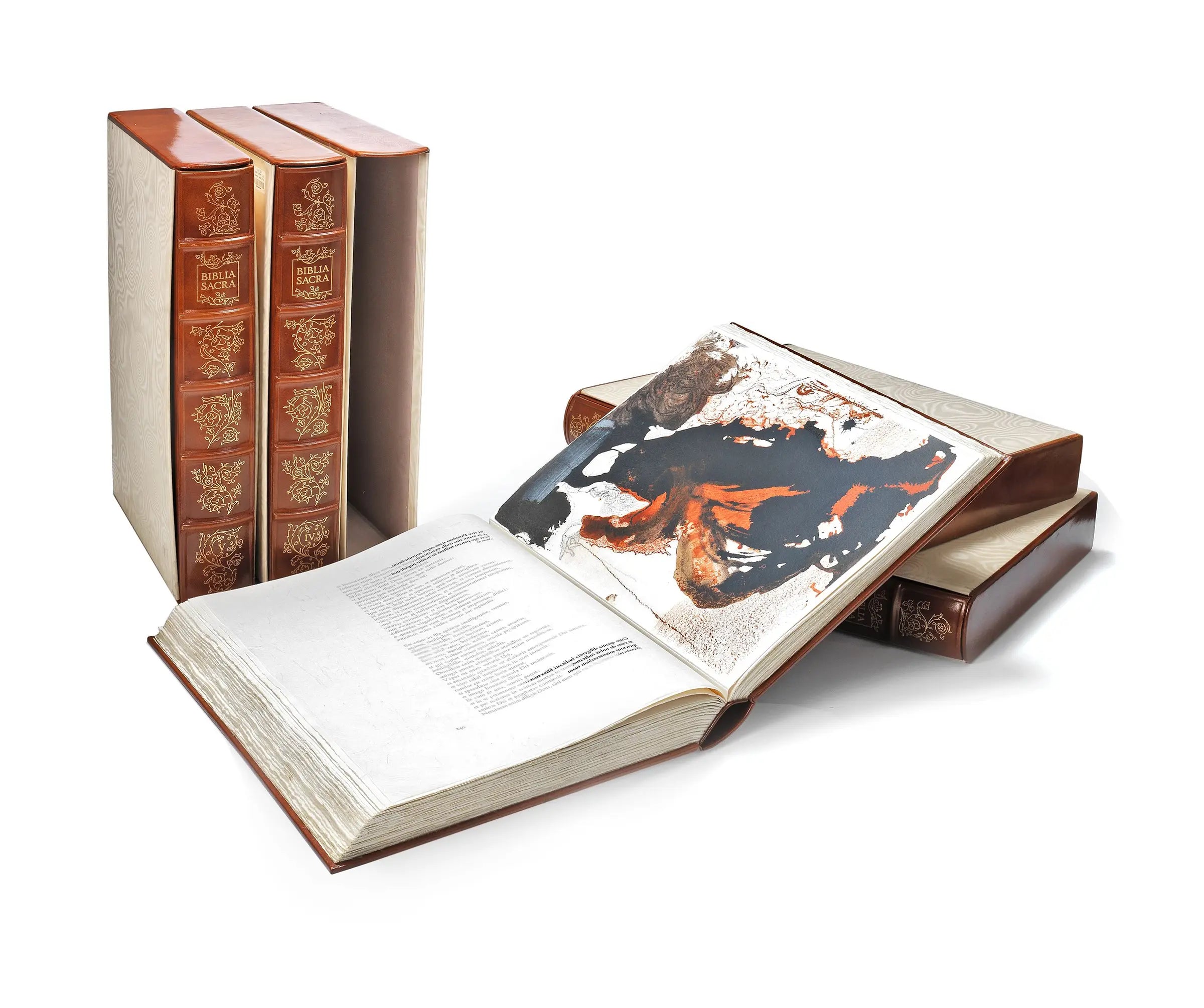
Biblia Sacra complete set of 105 offset lithographs: £3,750. This comprehensive suite from 1967 comprises 105 offset lithographs illustrating the Bible. Sold by Sotheby’s in 2018, the complete set demonstrates how Dali’s religious period produced print series that remain collectible.
Credit: Sotheby’s archive
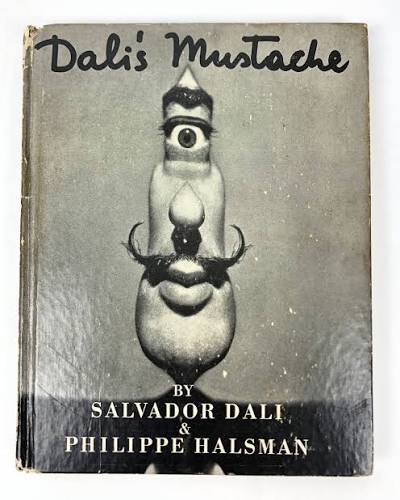
Signed book Dali’s Mustache: £574. This first edition from 1954, published by Simon and Schuster, is prominently signed and inscribed on the front pastedown in fountain pen, Dali, 1959. The hardcover measures 5.25 by 7 inches with 126 pages. Sold by RR Auction in April 2025 for USD 756, converting to approximately £574.
Credit: RR Auction archive
Where to find Dali collectibles
Established auction houses and specialist dealers provide the most transparent marketplace. They offer detailed cataloguing, guarantees of authenticity, and often have stock consigned directly from private collectors. Here are five of the best places to buy Dali collectibles:
Online platforms require more caution. While they can offer good value, authentication falls more heavily on the buyer. Reputable platforms provide detailed images and return guarantees.
Building a collection with confidence
Start with a clear focus. Some collectors specialise in Dali’s religious works, others in his surrealist period or book illustrations. Defining a collecting area builds depth and expertise.
Set a realistic budget and stick to it. The examples cited range from £574 to £9,995, demonstrating that meaningful collecting can begin at various price points. Factor in framing, insurance and restoration costs.
Educate yourself continuously. Attend auction previews, read catalogues and join collector groups. The more you understand Dali’s techniques and working methods, the better equipped you will be to spot both genuine opportunities and potential pitfalls.
Why Dali collectibles continue to attract
Salvador Dali’s enduring appeal lies in his ability to bridge avant-garde art and popular culture. His technical mastery and eccentric public persona created a body of work that remains recognisable and intriguing. For collectors, this translates into a market with sustained demand.
The relative affordability of prints, books and drawings allows new collectors to enter the market with confidence. As the examples demonstrate, verified pieces with clear provenance can be acquired at accessible prices. The key is patience, research and a willingness to learn.