
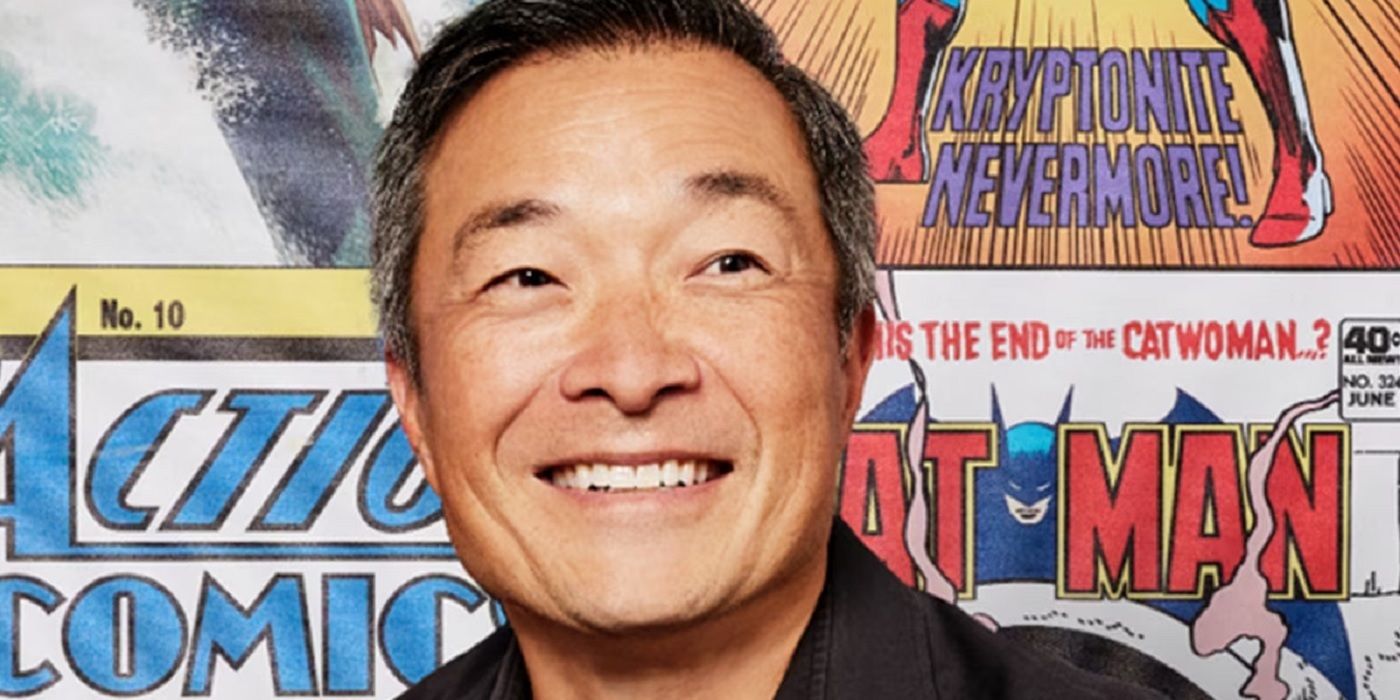
Jim Lee art has moved from affordable convention sketches to six-figure auction lots since the artist’s debut at Marvel Comics in 1987. Over nearly four decades, Lee has gone from a jobbing penciller on Alpha Flight to President, Publisher and Chief Creative Officer of DC Comics, and the market for his original pages, covers and sketches has grown alongside his career.
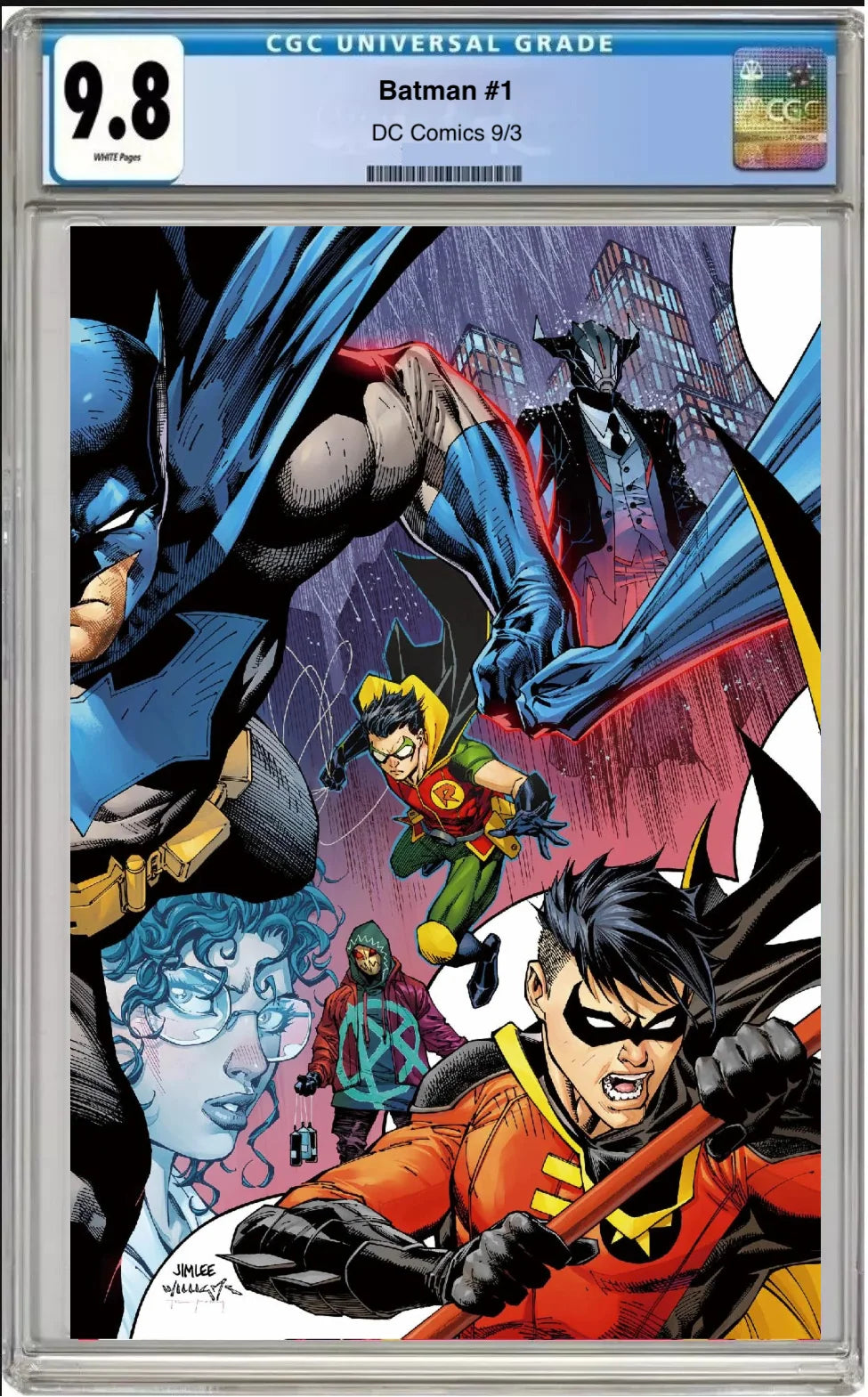
Most people encounter Lee’s work through mass-market printed comics, trade paperback collections and the hundreds of variant covers DC has issued using his art, from anniversary specials to recent Batman and Justice League reprints. None of that is what serious collectors chase. The material that commands real money is the handmade original: a pencilled and inked page of Bristol board, complete with the white-out corrections, paste-ups and marginal notes that never made it to print, or a sketch drawn and signed by Lee himself. Authenticity and traceable ownership, not the printed image, are what separate a poster from a genuine piece of comic-book history.
That distinction matters because the market for Lee’s original art has climbed steadily, with individual pages now regularly clearing six figures at auction. Heritage Auctions, which handles the great majority of his art on the secondary market, has sold Lee originals spanning his entire career, and Lee himself has consigned pieces from his personal collection. What collectors of Jim Lee art buy, what pushes prices up or down, and how to approach the market with some confidence all follow from that distinction.
Discover all in our:
A collector’s guide to Jim Lee art across the decades
Four decades, four eras
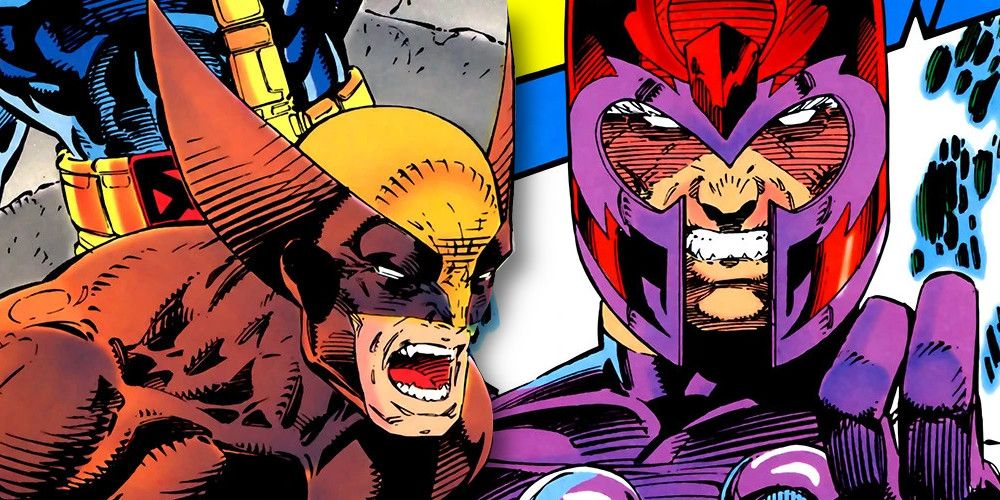
Lee’s career divides fairly cleanly into distinct periods, and collectors tend to specialise in one. He broke in at Marvel Comics in 1987, working on Alpha Flight and The Punisher War Journal before taking over The Uncanny X-Men in 1990. His 1991 spin-off series X-Men vol. 2, co-written with Chris Claremont, still holds the Guinness World Record for best-selling single comic issue, with more than 8.1 million copies of issue No. 1 sold.
In 1992, Lee joined six other artists in founding Image Comics, running his own imprint, WildStorm Productions, and titles including WildC.A.T.s and Deathblow. He sold WildStorm to DC Comics in 1998 and spent the following two decades as an illustrator and executive there, drawing “Hush” in 2003 and Superman Unchained in 2013, and helping architect DC’s 2011 New 52 relaunch. He was named DC’s Chief Creative Officer in 2018, its sole publisher in 2020, and its President in 2023, a role he still holds.
Credit: ScreenRant
What collectors buy
Original comic art sits at the top of the market: individual pencilled-and-inked pages, usually on boards around 10 x 15in or 11 x 17in, sold as covers, splash pages or interior story pages. Cover art and splash pages carry the biggest premiums, since they show a single striking image rather than a sequence of small panels.
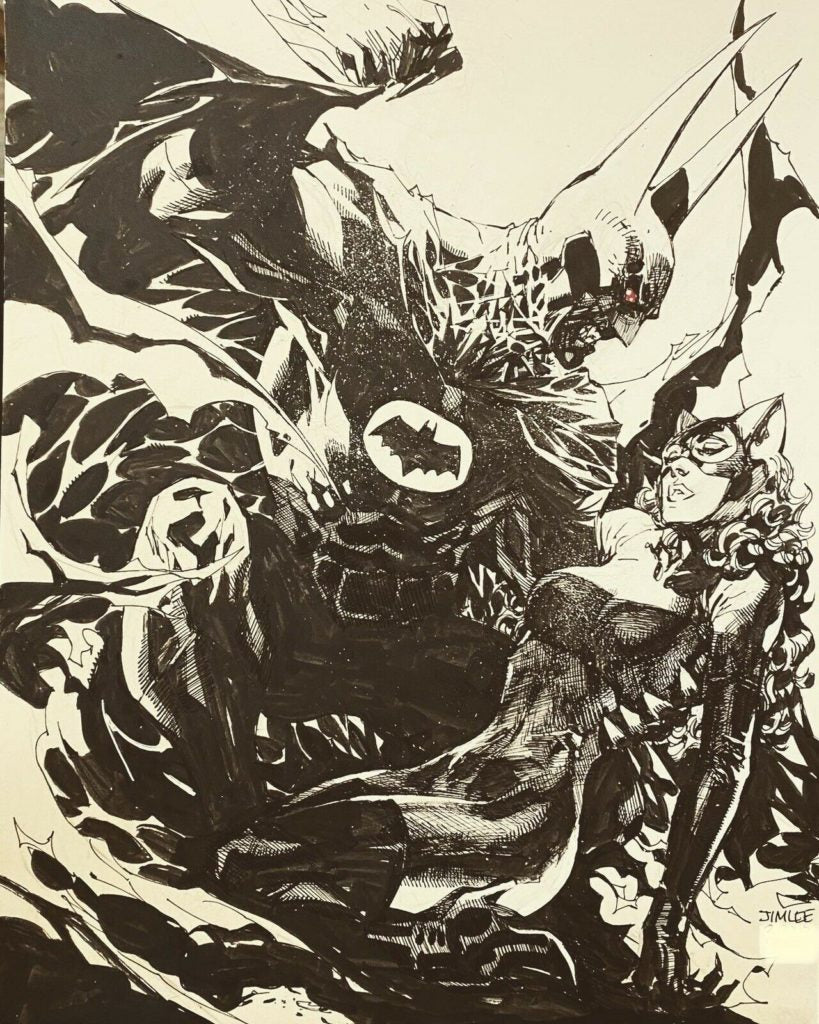
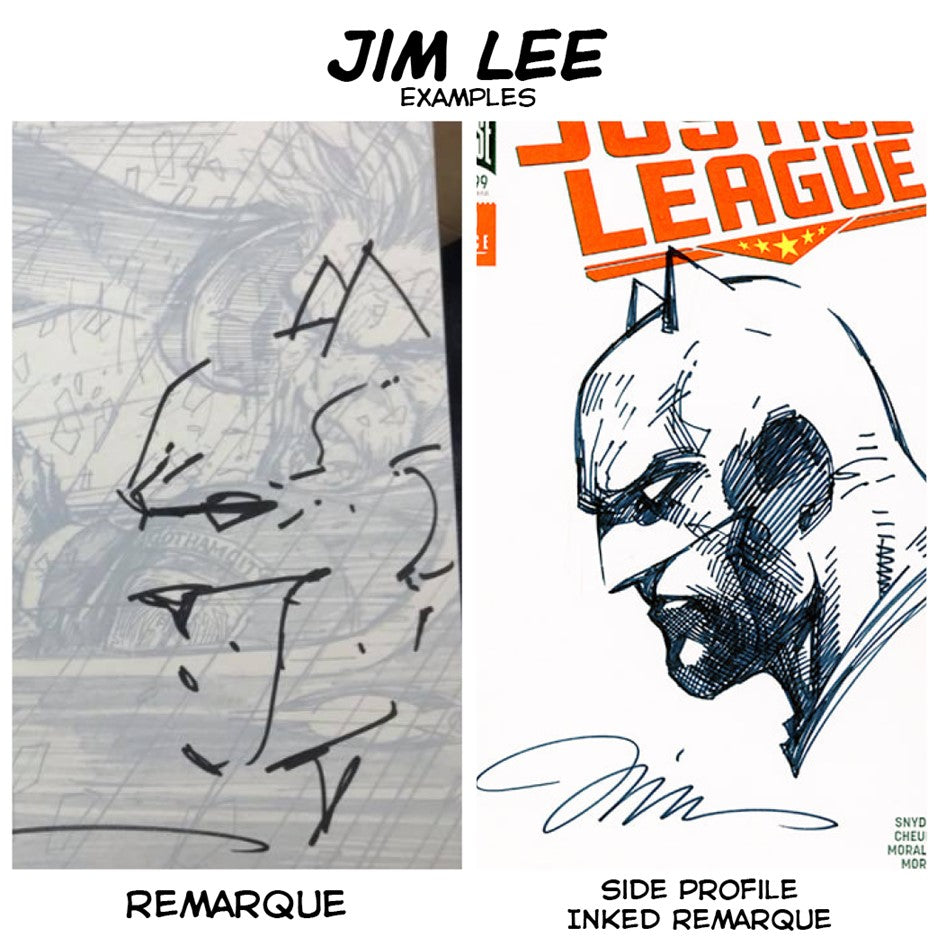
Below that sits sketch and commission work. Lee has periodically taken commissions through his agent, with prices reported to range from around $1,000 for a small head-and-shoulders sketch to $25,000 to $35,000 for a full-figure, full-page illustration. Signed comics, particularly copies certified through CGC’s Signature Series, and official DC prints sit at the more accessible end of the market, alongside trading cards from his 1990s X-Men and WildStorm work.
Credit: Original Comic Art Tips
What drives the price
Character and story matter as much as craftsmanship. Batman, Wolverine and the X-Men consistently outsell lesser-known WildStorm or Image characters, and pages tied to a landmark storyline carry a premium over routine issues. The clearest illustration is the gap between cover art and interior pages: in June 2022, Lee and inker Scott Williams’ triple-gatefold cover for Batman No. 619, the finale of the “Hush” storyline, sold at Heritage Auctions for $504,000, around £407,938, the highest price paid for a Lee original at that point. By contrast, an action-packed interior page from Uncanny X-Men No. 271, featuring Wolverine, sold that same April for $360,000, around £278,424 (a record for an interior page by Lee), but still well below what a marquee cover commands.
Provenance adds another layer. Pieces that come directly from Lee’s own personal collection, several of which he has consigned to Heritage over the years, tend to generate particular interest, since they carry his direct history of ownership rather than passing through several intermediate hands.
Credit: CGC
Authenticity, condition and provenance
Because original art is a one-of-a-kind object rather than a graded printed comic, buyers rely on a paper trail rather than a slab. Reputable auction houses describe each board in detail: the medium, typically ink over graphite, sometimes with Zipatone or correction fluid, its dimensions, any paste-ups, production notes or staining, and a condition grade such as Excellent or Very Good. Lee frequently signs pages he sells directly, which adds a further layer of verification.
Buying only through established auction houses or well-known dealers, checking a piece’s sale history, and being wary of art with no documented provenance at all are the basic precautions that apply to Jim Lee originals as much as to any other original comic art.
Credit: CGC
Building a collection on any budget
Original art from Lee’s most famous runs is now a five- or six-figure purchase, but there are more affordable ways into collecting his work. Signed comics, official prints, sketch covers and trading cards from the 1990s can still be found for modest sums, and they carry genuine historical interest without the price tag of a page of original art.
For those ready to buy original work, watching Heritage’s Comics & Comic Art Signature auctions, where the bulk of Lee’s art passes through the secondary market, is the most reliable way to see current pricing and available pieces. Commissions taken directly through Lee’s agent are the other route in, though recent prices put those firmly at the higher end of the hobby.
Why cover art outpaces interior pages in Jim Lee’s market
Jim Lee’s career now spans nearly four decades and three different eras of American comics, and each has left behind its own layer of collectible material, from early Punisher War Journal pages to recent Batman variant covers drawn while running DC as its President. That range is part of what makes his work interesting to collect: a page from 1990 and a cover from 2022 can sit in the same collection while representing entirely different chapters of his career.
The $504,000 paid for the Batman No. 619 cover and the $360,000 record for an interior page show where the market’s confidence currently sits, and with Lee still working, appearing at conventions and taking on new projects, both figures are current benchmarks rather than a closed chapter.