



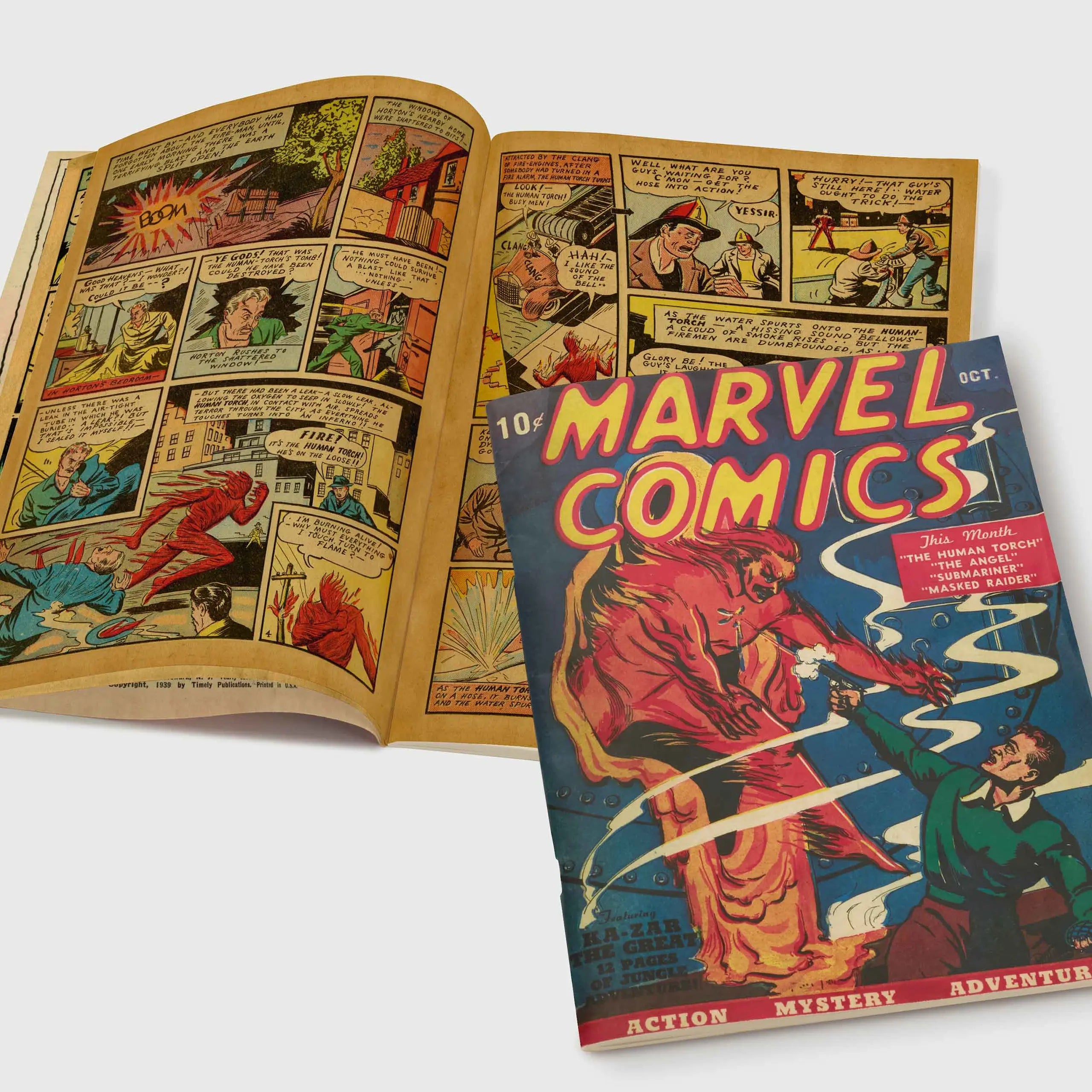
The first Marvel comic, published in October 1939 as Marvel Comics #1, has become one of the most closely watched books in the entire hobby, and asking what a copy is worth today is no longer a question only specialists ask. Timely Comics, the company that would eventually rename itself Marvel, put the issue together on a shoestring, and nobody involved could have known they were laying the first brick of a universe that now spans comics, film and television.
Inside the 68 pages, Professor Horton’s android creation broke loose as the original Human Torch, a costumed vigilante called the Angel cleaned up a corrupt city, and a young artist named Bill Everett introduced Namor, the Sub-Mariner, in a story that gave Marvel its first anti-hero. Ka-Zar and the Masked Raider filled out the rest of the book. None of it looked like a landmark at the time. It looked like ten cents’ worth of adventure fiction printed on cheap newsprint, sold from a newsstand rack alongside dozens of similar titles that have since been forgotten.
That ten-cent pamphlet has since turned into sums that regularly clear six and seven figures at auction, and the gap between a worn reading copy and the finest known example is enormous. Grade, page quality, printing and provenance all move the price in different directions, which makes Marvel Comics #1 a useful case study in how the modern comic market values a book.
Discover all in our:
First Marvel comic: modern day values for Marvel Comics #1
The comic that started it all
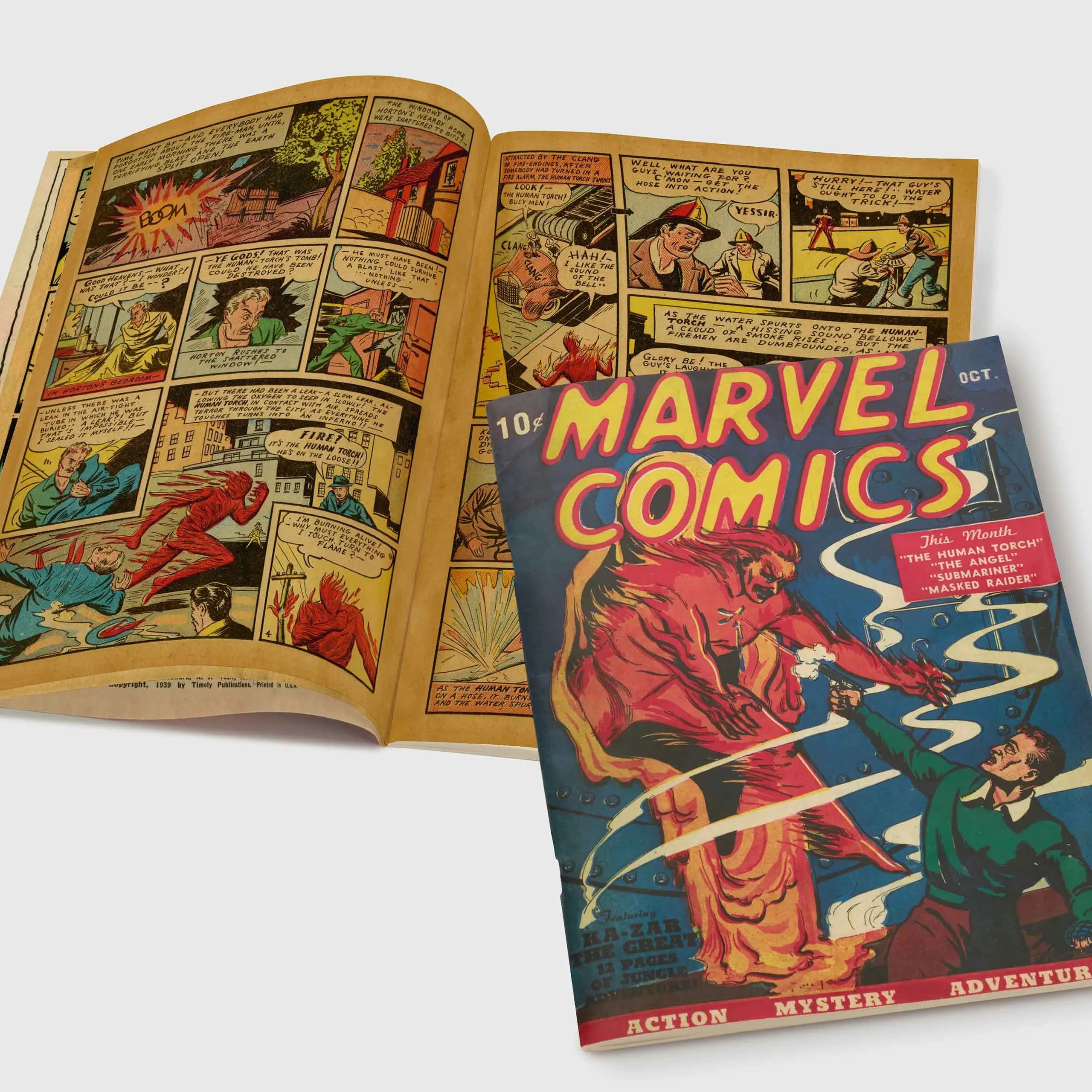
Marvel Comics #1 was Timely’s first comic book title, and its first printing of 80,000 copies sold out fast enough that a second printing followed, distinguishable by an October cover date blacked out and replaced with November. From issue #2 onward, the title became Marvel Mystery Comics, which ran for close to a decade before Timely reshaped it again as a horror title in its final years.
Credit: FoliioSociety
What a copy is worth by grade today
According to the 2019 Overstreet Comic Book Price Guide, a complete but heavily read copy graded Good 2.0 carries a guide value of around £33,500 ($43,200), while a near-pristine copy graded NM- 9.2 is valued at roughly £558,000 ($720,000). Those are printed guide estimates rather than confirmed sales, and Heritage Auctions’ own archive shows the real market has tended to run ahead of them: a mid-grade 4.0 copy sold there in 2015 for over £42,000 ($65,000), and even a well-worn 0.5 copy with a detached cover still found a buyer for over £14,000 ($22,000) the same year.
Credit: Comic Connect
The record-breaking sales
The book’s headline result remains the CGC 9.4 “Windy City” pedigree copy, the finest known example, which Heritage Auctions sold in November 2019 for £976,517 ($1.26 million), a Marvel auction record at the time. The copy had been bought off a newsstand decades earlier by a Uniontown, Pennsylvania mail carrier who made a habit of picking up first issues, and it had changed hands only a handful of times since.
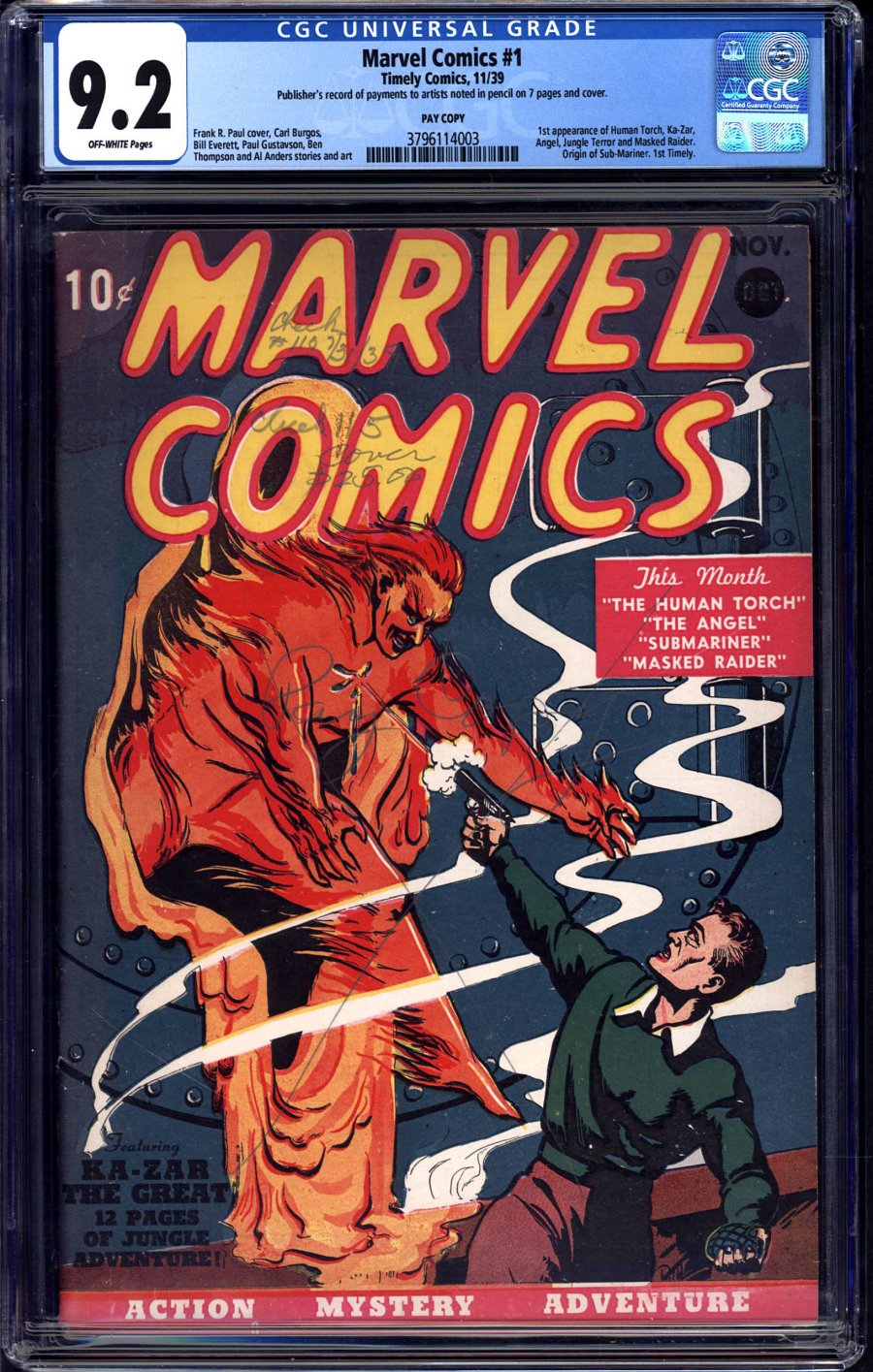
That record has since been overtaken outside the traditional auction-house circuit. In March 2022, a so-called “pay copy” bearing publisher Lloyd Jacquet’s handwritten notes on what he owed his artists, including the $25 he paid cover artist Frank R. Paul, sold through the online marketplace ComicConnect for just under £1.8 million ($2,427,800), as reported by the Associated Press. The annotations, rather than the condition alone, are what pushed that particular copy so far past the Heritage benchmark.
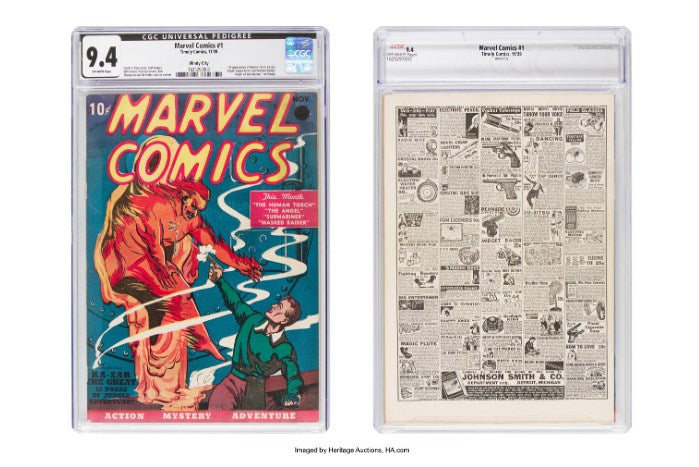
Credit: CGC
What actually drives the price
Three things tend to matter most. The first is scarcity: fewer than 100 copies of Marvel Comics #1 have ever been certified by CGC, putting it in the same rarefied bracket as Action Comics #1 and Detective Comics #27. The second is what the book contains, since it holds several genuine firsts at once: the debuts of the Human Torch, the Angel and the Masked Raider, Ka-Zar’s first comic book appearance, and the origin story of the Sub-Mariner. The third is condition and page quality, which is why two copies only a point or two apart on the CGC scale can be separated by hundreds of thousands of pounds. A documented pedigree or an unusual story, such as the mailman’s newsstand purchase or the publisher’s pay notes, adds a further premium on top of all three.
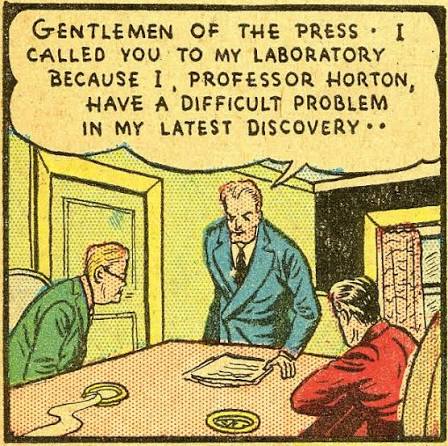
Credit: CGC
Buying and collecting advice
Anyone shopping for a copy, at any grade, should treat third-party grading as the starting point rather than the whole picture. Checking a CGC certification number directly against the grading company’s own records confirms the grade and catches counterfeit labels. Page quality, noted separately from the numerical grade as white, off-white or tan, affects value on its own, and any restoration should be clearly disclosed rather than discovered later. Because guide prices lag the market, comparing a prospective purchase against recent results from established auction houses gives a far more realistic sense of current value than the printed guide alone. Buying through a recognised auction house or dealer, rather than an unverified private sale, remains the safest route into a book at this level.
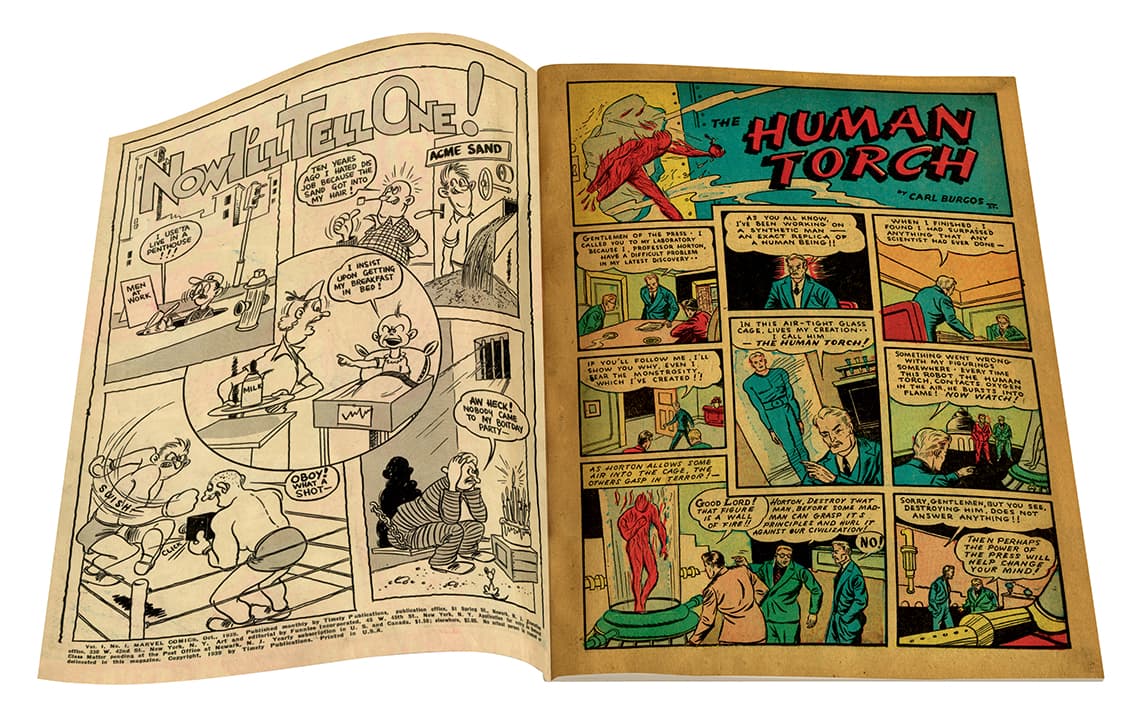
Credit: Marvel
What keeps pushing Marvel Comics #1 higher
Every record sale of this book has been overtaken by a story as much as by a grade. The mailman’s newsstand copy and the publisher’s handwritten pay notes both did as much to move the price as the CGC number stamped on the case, and that pattern shows little sign of slowing as fewer high-grade copies remain in private hands.
For collectors working at more modest levels, the underlying lesson holds regardless of budget: grade and page quality set the floor, but scarcity and a documented history are what turn a valuable comic into a record-setting one.