




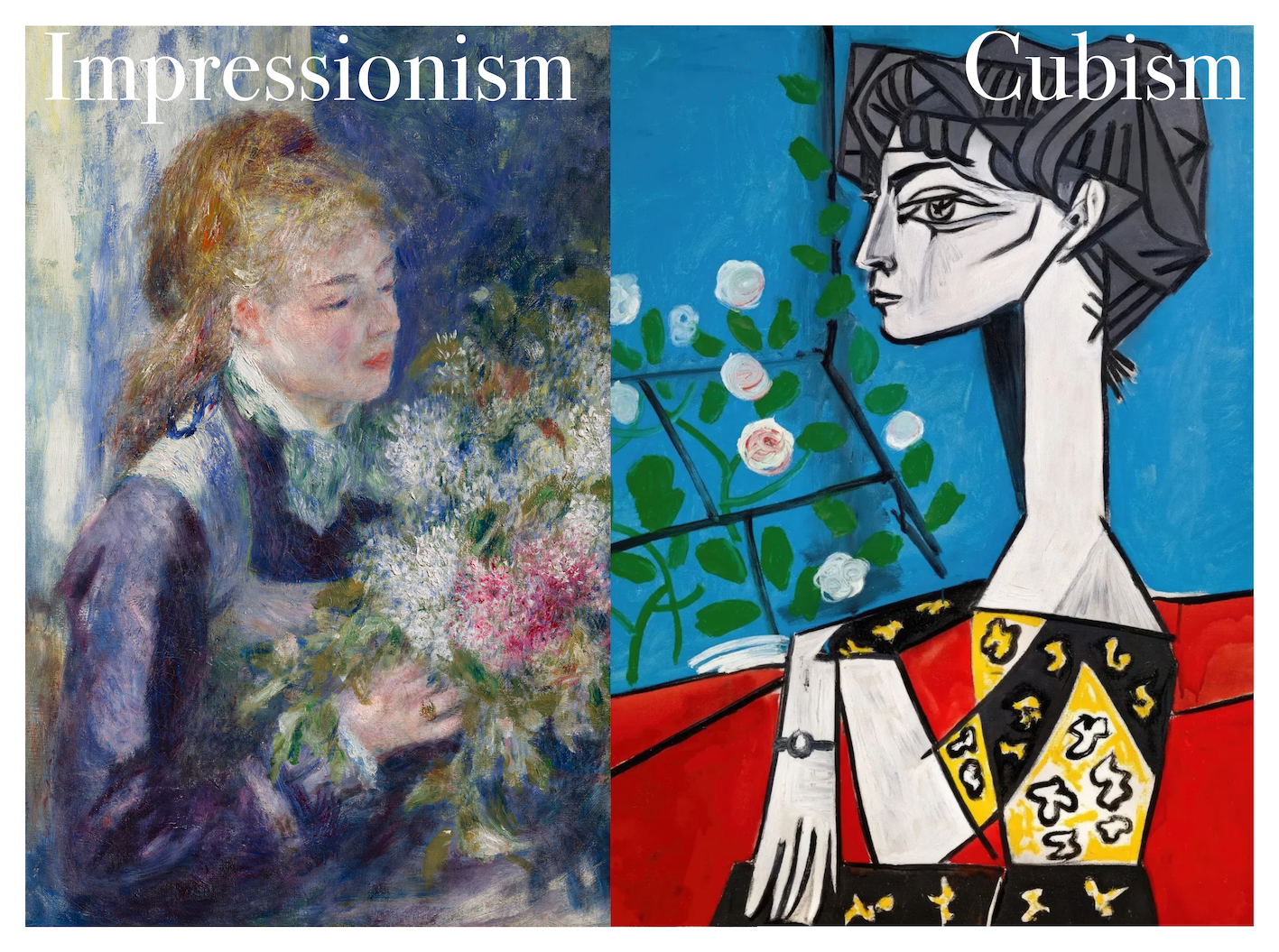
Comparing Impressionism and Cubism is a common exercise for collectors considering which historic movement serves as a stronger long-term store of value. Both movements have generated headline-grabbing sums at major auction houses, yet their underlying markets operate under very different dynamics. Claude Monet’s Meules and Pablo Picasso’s Cubist works often share the same Impressionist and Modern evening sales at Christie’s and Sotheby’s, but their market trajectories tell two distinct stories.
At first glance, Cubism might seem like the higher-performing asset class. Picasso’s $179 million Les Femmes d’Alger easily surpasses Monet’s $110 million Meules, which holds the top price for Impressionism. However, that comparison paints an incomplete picture. Picasso’s record-setting painting was created decades after Cubism had reached its natural end, serving as a late homage to Delacroix rather than a piece from the movement’s core period. By contrast, Monet’s result reflects a deep, active market that regularly yields eight-figure sales during routine auction cycles.
Auction houses have seen renewed stability in historic art sectors, with 2025 marking a return to growth for US auction revenues after a multi-year slowdown. This recovery was largely driven by established blue-chip categories rather than volatile contemporary works. For collectors, this makes it an ideal time to evaluate how Impressionism and Cubism perform as long-term holdings.
Discover all in our:
Impressionism vs cubism: which movement offers the best long-term investment?
What sets each movement’s market apart
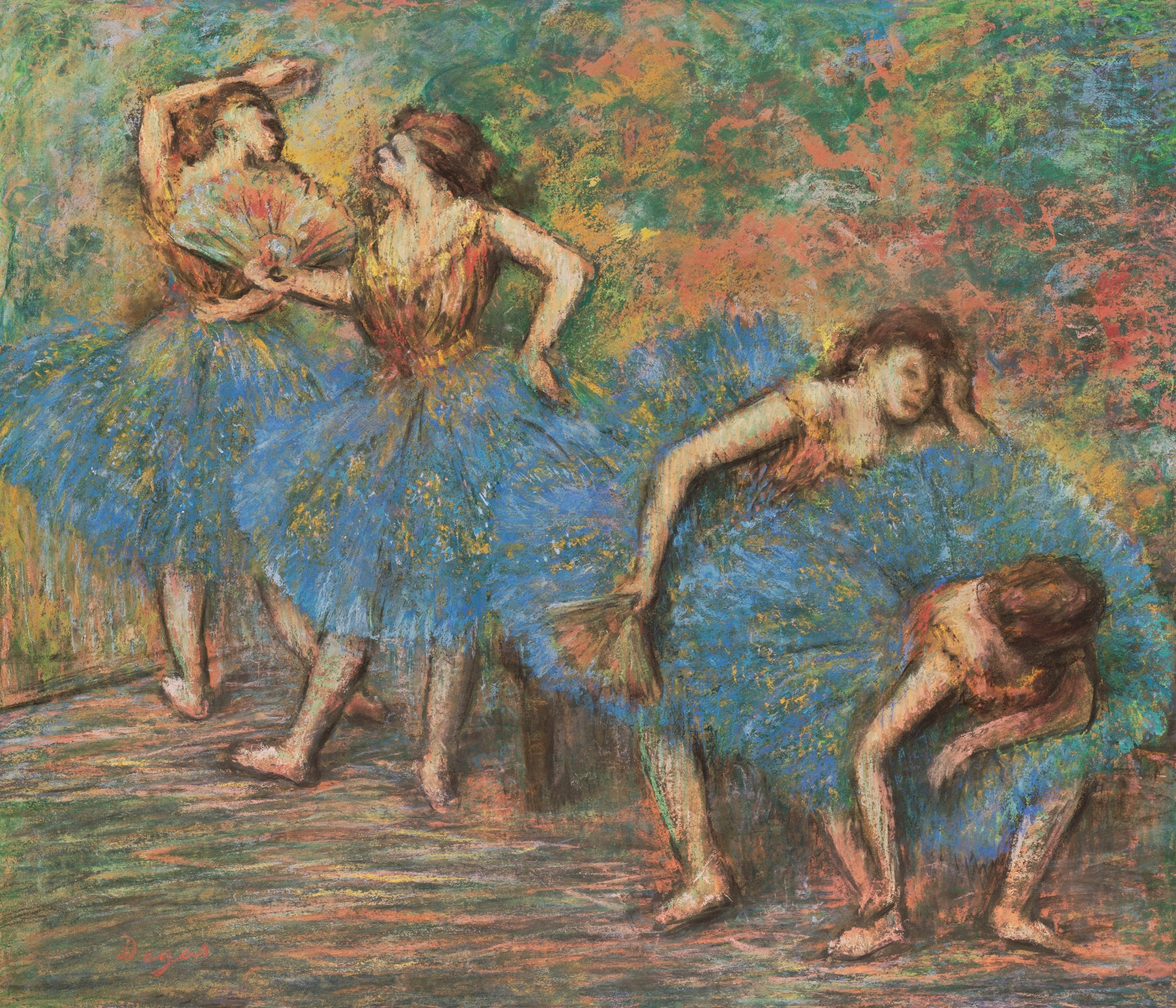
Impressionism was a broad movement spanning several decades and featuring dozens of productive artists. Monet alone created roughly 2,000 paintings, while figures like Renoir, Degas, Pissarro, Sisley, and Morisot also left behind substantial bodies of work. This volume ensures that quality pieces consistently enter the market from private collections and estates, offering buyers entry points at various price levels, from modest works on paper to museum-grade masterpieces.
Cubism, by contrast, was a highly concentrated movement that lasted roughly from 1907 to 1914. It was spearheaded primarily by Picasso and Georges Braque before expanding into variations by Juan Gris and Fernand Léger. Because the majority of defining Cubist works were secured by major institutions long ago, the appearance of an important early Cubist painting at auction is an uncommon event rather than a seasonal occurrence.
Credit: Christie’s and Pablo Picasso Museum, edited by Collecting Daily.
The record prices so far
Monet’s Meules, from his famous haystack series of 1890 to 1891, sold at Sotheby’s New York in May 2019 for $110,747,000. This remains the highest price ever paid for an Impressionist work at auction. The painting had previously sold in 1986 for a small fraction of that sum, making its 2019 sale the clearest single benchmark for the upper tier of the Impressionist market.
The record for a true early Cubist painting belongs to Picasso’s Femme assise from 1909, which fetched £43.2 million ($63.4 million) at Sotheby’s London in June 2016, well above its presale estimate. Representatives from Sotheby’s noted that it was one of the very few major Cubist works remaining in private hands. In this case, extreme market scarcity, rather than steady seasonal supply, pushed the price far past expectations.
The highest price associated with Picasso’s name, $179,365,000 for Les Femmes d’Alger (Version ‘O’) at Christie’s in May 2015, represents his late synthetic style from 1955. Because it falls well outside the analytic Cubist window of 1909 to 1912, it reflects demand for Picasso as a global brand rather than the strength of the Cubist movement as an isolated category.
Outside of Picasso, the Cubist market thins out quickly. Georges Braque’s auction record of $15,845,000, set in 2013, was achieved not by a Cubist work, but by an early Fauvist landscape painted before Cubism was conceived. This highlights just how narrow the trading field is for top-tier Cubist art once Picasso is removed from the equation.
Credit: Christie’s
Liquidity and where the market stands today
Data from the 2026 US Art Market Report by Bank of America and ArtTactic shows that sales across major auction houses rose 23 percent in 2025 to $3.17 billion. Historical sectors led this expansion. This trend favors Impressionism, as the category maintains enough annual transaction volume to establish clear pricing trends. Cubism, by comparison, trades too infrequently to form an independent market index, meaning its value remains tied to broader Modern art trends and the performance of Picasso’s overall market.
Risks worth weighing
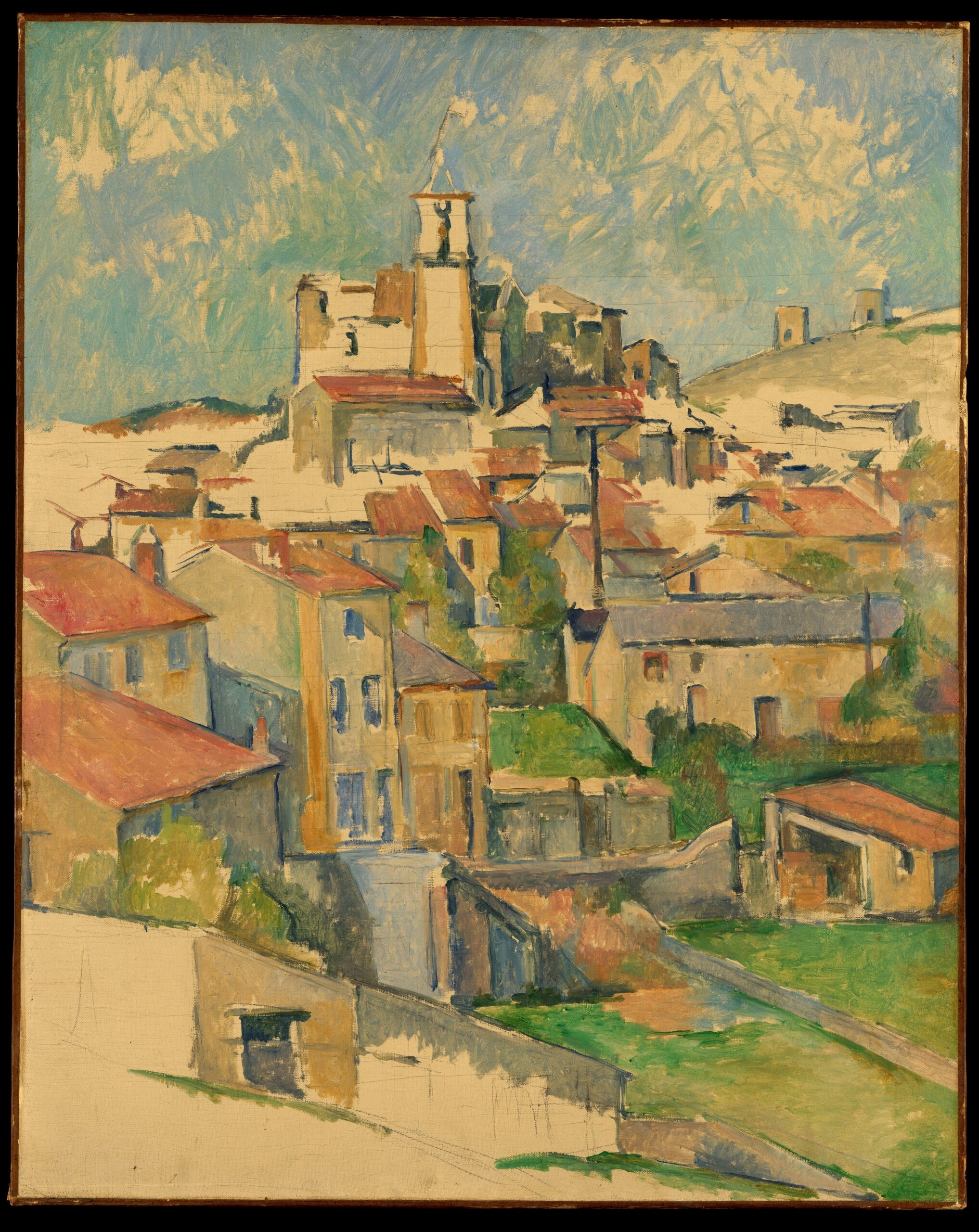
Both categories come with specific risk factors. Impressionist works on paper and pastels require careful conservation due to material fragility, while lesser-known names in the movement carry higher risks regarding condition and provenance. Cubism presents a different challenge. Because so few important works reach the market, pricing can be unpredictable and volatile, making returns harder to model even when dealing with premier names.
Credit: Touchonian
Why depth has tended to serve collectors better than scarcity
Comparing these two movements reveals two distinct investment dynamics. Impressionism offers breadth, a rich pool of artists, decades of historical output, and a steady supply of estate inventory. These factors provide liquidity and price transparency, which are qualities that institutional and long-term investors generally seek.
Cubism operates more like a market for rare collectibles. While exceptional results occur when a masterpiece like Femme assise surfaces, opportunities are constrained by a small group of artists and long waiting periods between major offerings. Neither approach is inherently superior, but each requires a clear understanding of market structure. As always, art values depend heavily on the condition, provenance, and timing of individual works, meaning general comparisons should be treated as context rather than direct financial guidance.