



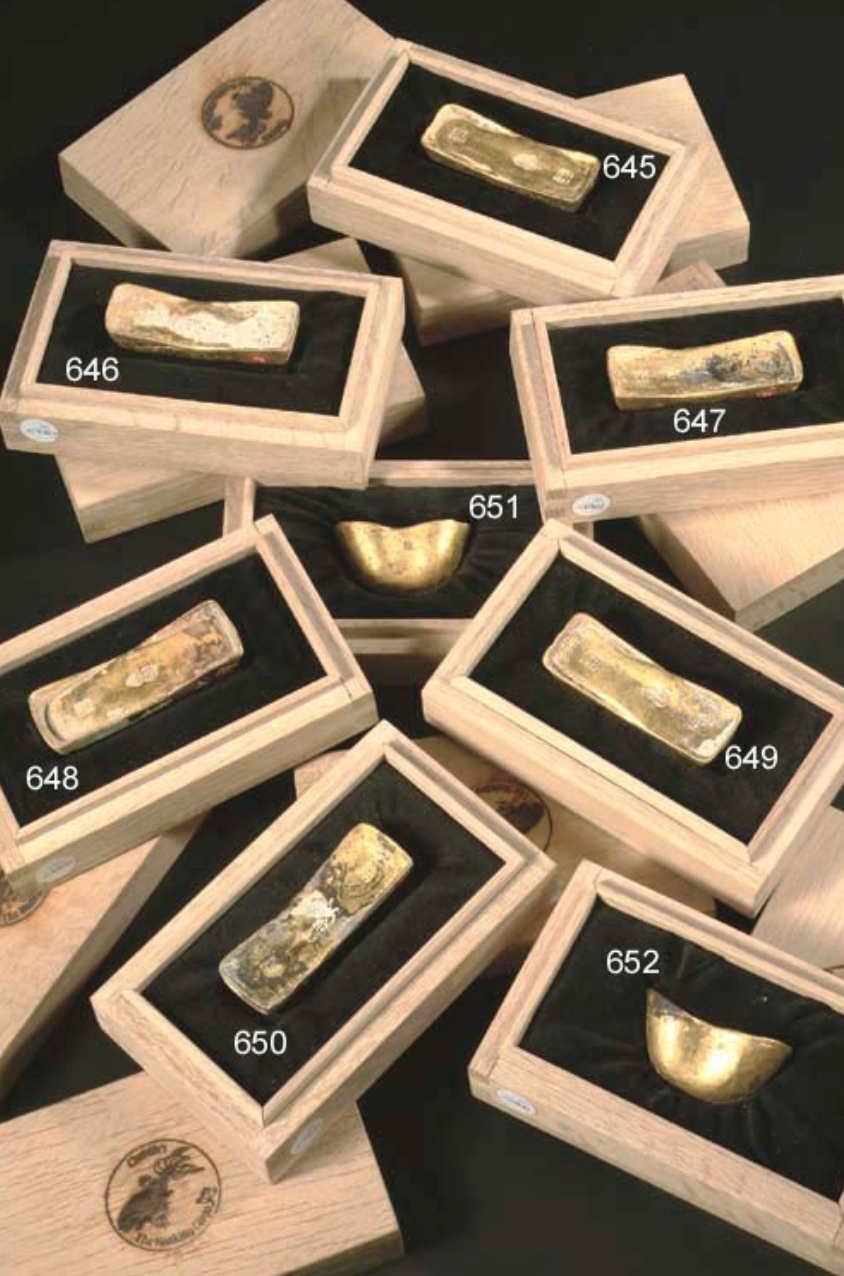
Physical gold has stored value through currency reforms and changing empires, from ancient Chinese sycees to colonial Spanish ingots. This guide covers what bullion is, its different forms, how it is valued, and what to consider before buying.

Credit: Christie’s
Gold bullion 101: a beginner’s guide to buying and selling
Where the term “bullion” comes from
The word “bullion” comes from a French term meaning “boiling”, referring to the practice of melting raw gold to cast it into ingots and bars. This process took place in melting houses, and the term now covers gold and silver coins, bars, and ingots.
The two main forms of bullion
Credit: Christie’s
Gold coins
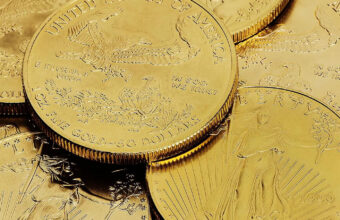
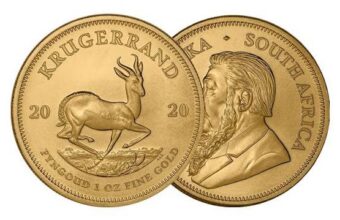
Sovereign-issue gold coins are widely recognised and traded. Examples include the British Britannia and Sovereign, the American Gold Eagle, the Canadian Maple Leaf, and the South African Krugerrand.
In several countries, coins classified as legal tender carry tax advantages. In the UK, Britannia and Sovereign coins are exempt from Capital Gains Tax because gains on legal tender are taxed differently to other assets. These rules vary by jurisdiction, so check local tax policies before buying.
The value of a bullion coin depends on its precious metal content multiplied by the current gold price. A coin with a face value of £1 may hold gold worth hundreds of times that amount.
Gold bars
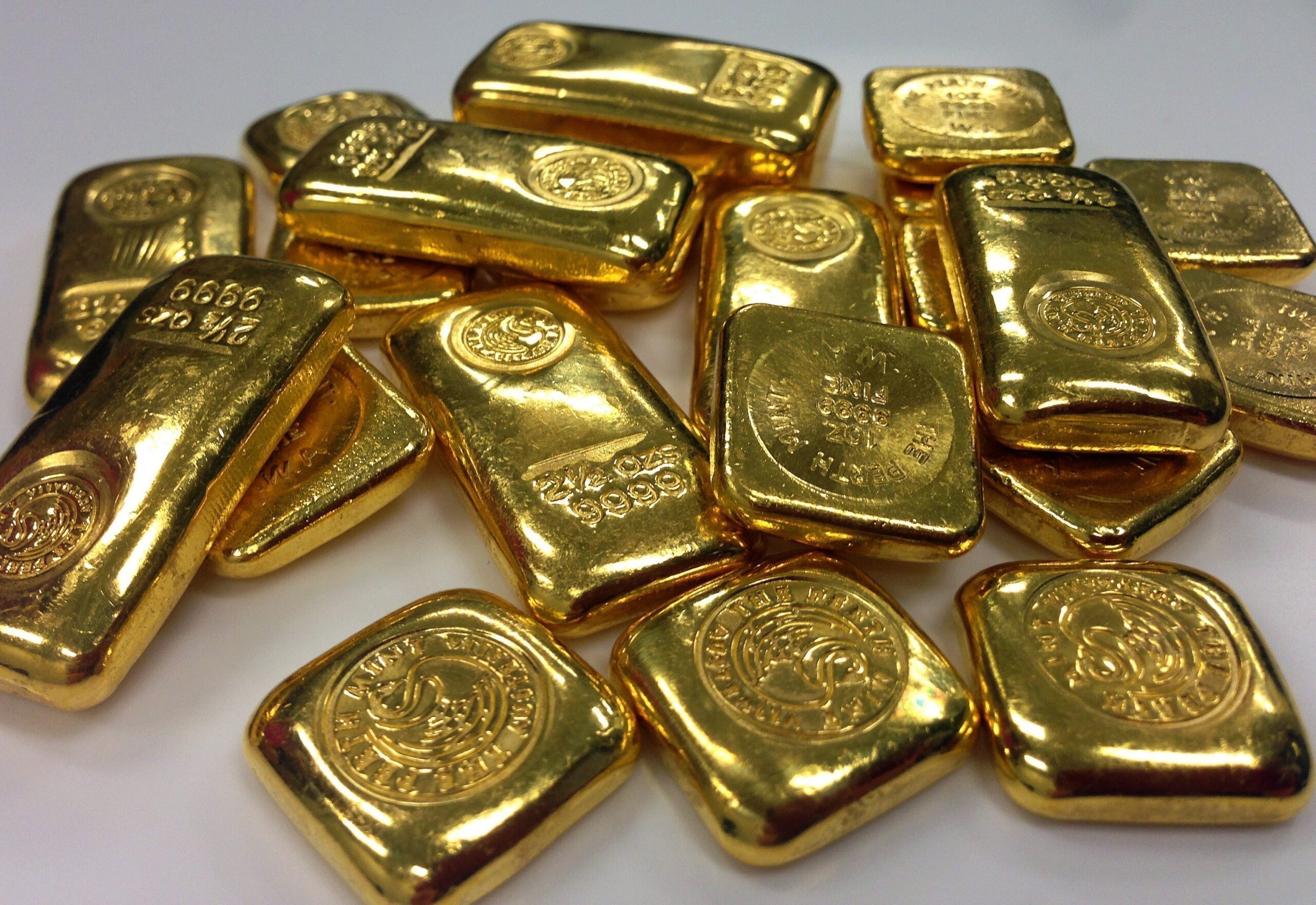
Manufacturers worldwide produce gold bars in weights ranging from one gram to a kilogram or more, conforming to international purity and weight standards. They usually cost less per gram than coins, which carry a premium for their design and minting.

Credit: Christie’s
Choosing between bars and coins
The choice depends on your investment goals:
- Bars offer a cost-effective way to hold a specific weight of gold.
- Coins offer liquidity in smaller units and carry collectable value based on their designs and mint marks.
Investors often hold bars for exposure to the gold price and coins for flexibility.
Understanding bullion purity
Gold purity, or fineness, is measured in parts per thousand. A piece with a fineness of 999.0 contains 999 parts pure gold to 1 part of another metal. The purest gold commercially available is around 999.9, and anything at 999.0 or above is considered “fine gold”.
Some coins, such as the British Sovereign, are struck in 22-carat gold. This has a fineness of 916.7, meaning 91.67% pure gold alloyed with a metal like copper. The alloy makes the coin more resistant to scratches, a necessary feature when coins circulated as currency.

Credit: Royal Mint
Why people invest in gold bullion
Investors often use gold bullion as a hedge against economic uncertainty. Gold has historically maintained or increased its value during periods of high inflation and currency devaluation. It acts as a way to preserve wealth over the long term.
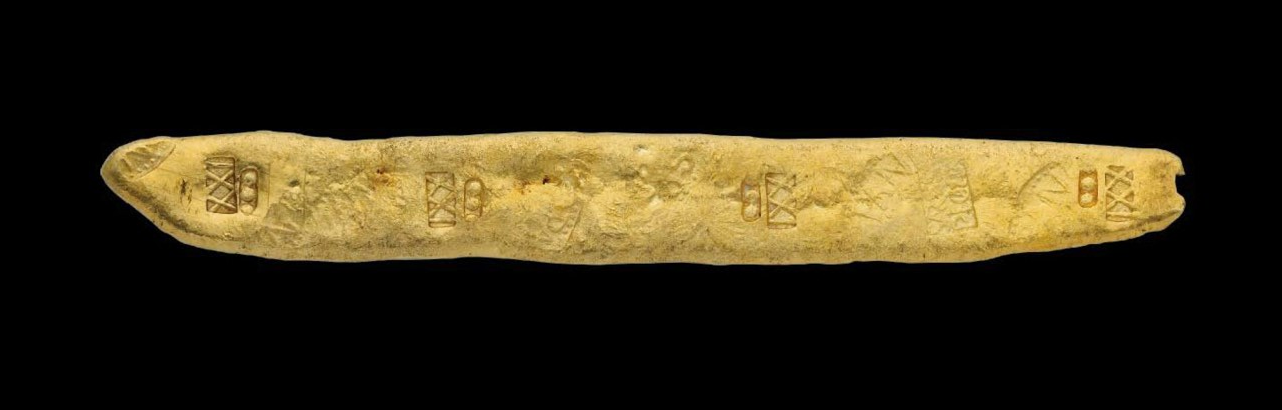
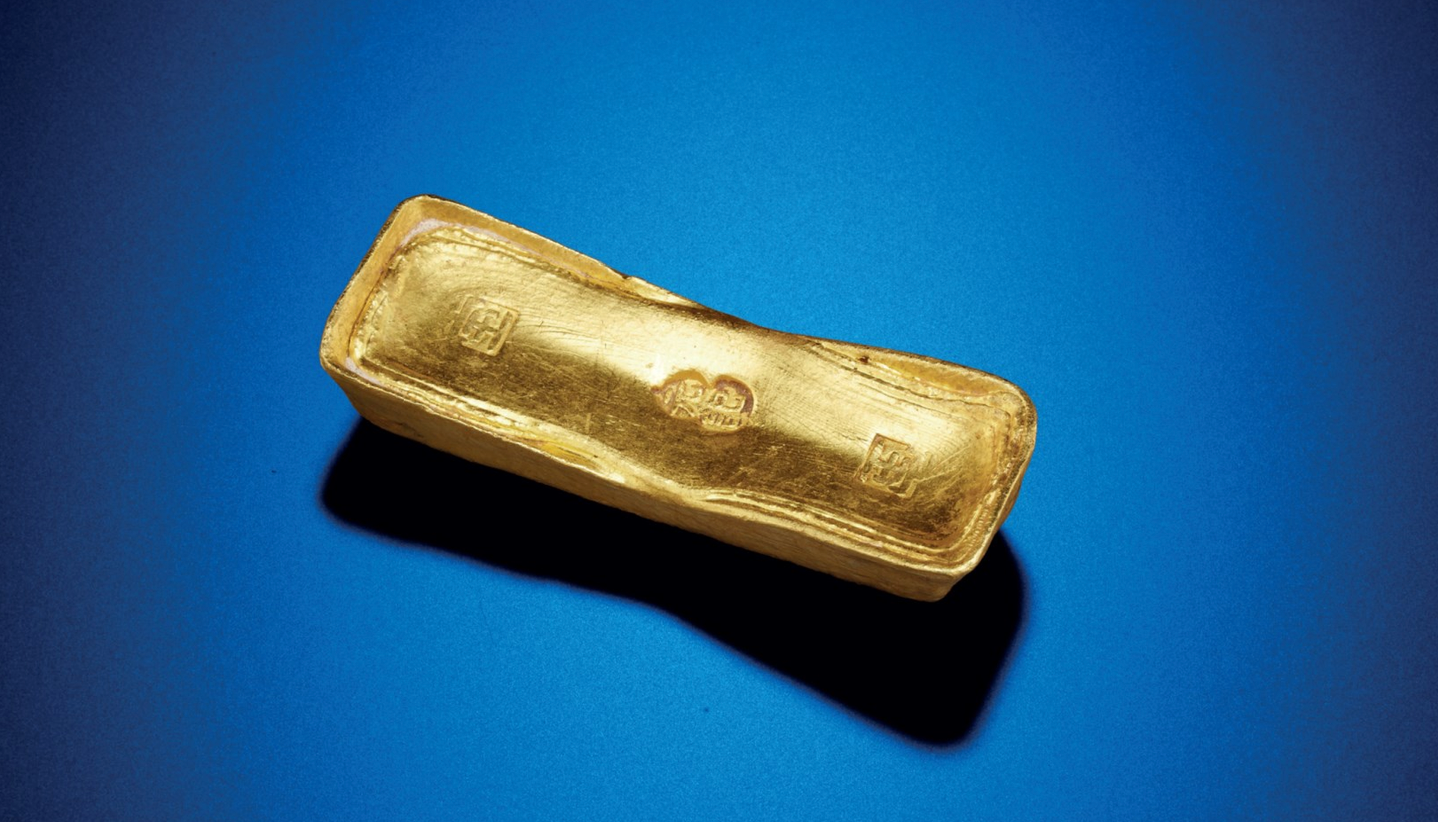
Gold bullion coins also attract collectors because mints release new designs regularly. Rare coins and bars, or those with documented provenance and historical significance, can command auction premiums separate from their metal weight.
New versus pre-owned bullion
Pre-owned bullion is often the most cost-effective way to acquire physical gold. Newly minted pieces carry manufacturing premiums and delivery costs, making them more expensive than second-hand pieces of the same weight and purity.
New pieces appeal to buyers looking for mint-condition coins or original documentation.
Tips before you buy
- Gold prices fluctuate daily in response to global events, so check the market price before you buy.
- Verify whether the price includes delivery or insurance, and confirm the purity and weight.
- Capital Gains Tax and VAT rules for bullion vary by jurisdiction and affect the cost of the investment.
- Use established dealers with verifiable reviews and secure payment processes.
- Decide whether you want an inflation hedge, a liquid asset, or a collectable piece. This determines whether bars, common coins, or rare pieces suit you best.
Tips before you sell
- Keep purchase receipts, certificates of authenticity, and assay reports to confirm your bullion is genuine.
- Weigh your pieces and check the day’s spot price to find their baseline value before approaching a buyer.
- Contact several dealers for quotes, as offers can vary.
- Reputable dealers buy close to the spot price and deduct a modest commission. A very low offer relative to spot is a warning sign.
- Pawn shops and travelling buyers often offer below fair market value.
- Request bank transfers or verified cheques rather than cash, and use insured, trackable shipping for postal sales.
- Check how any gains are taxed in your jurisdiction before finalising the sale.