



What coins are hidden in the Spanish galleon San Jose? The short answer is that researchers have identified hand-struck Spanish colonial gold cobs, or macuquinas, made at the Lima Mint in 1707. That answer is more useful than the usual treasure estimates because it comes from marks recorded on the seabed, not from a lost manifest or a modern calculation of bullion value.
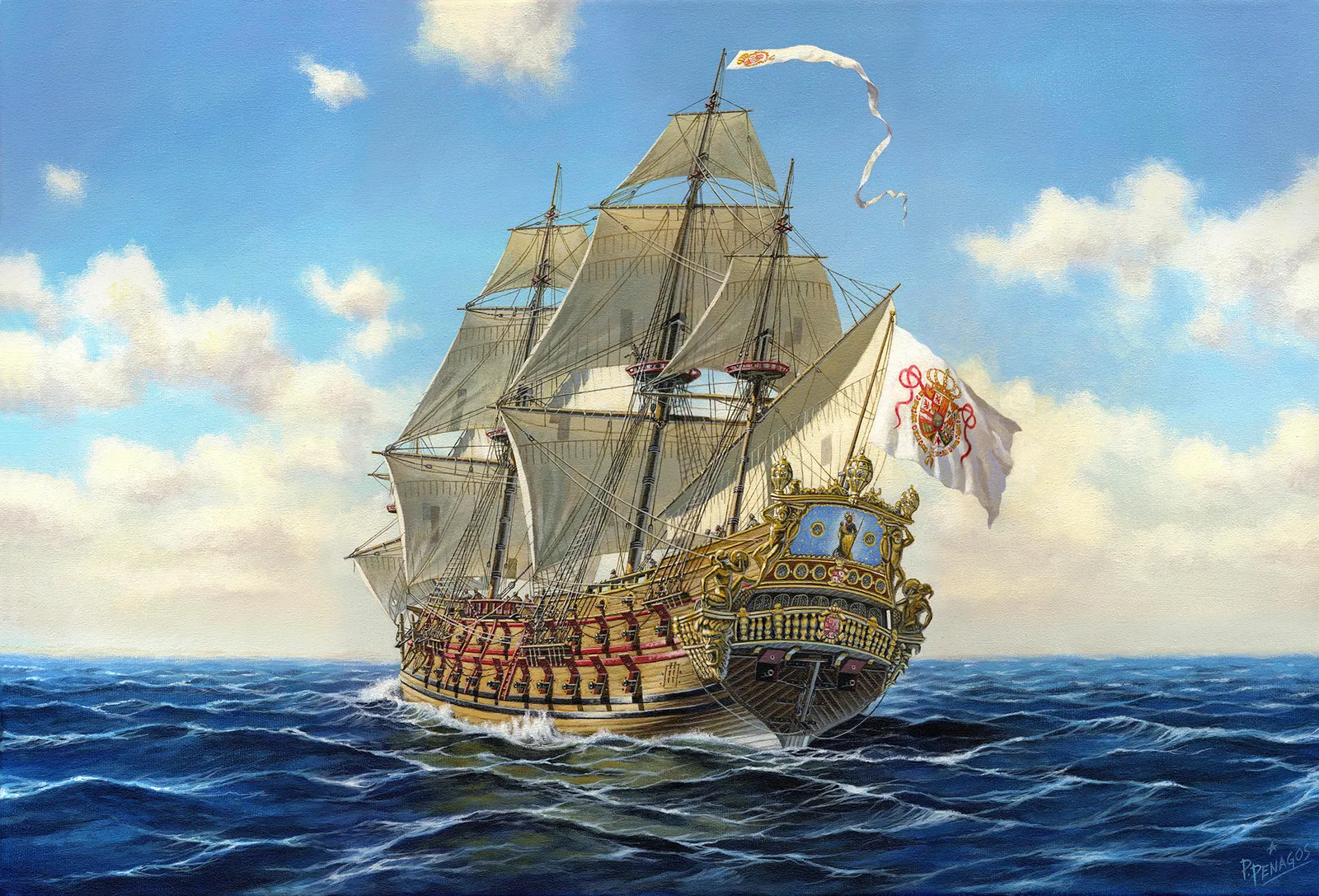
The San José was a 64-gun Spanish Navy galleon and the flagship of the Tierra Firme fleet. She sank on 8 June 1708 during Wager’s Action, a battle with a British squadron off Barú, near Cartagena. The wreck lies roughly 600 metres below the Caribbean surface. Most of the crew died, so this is also a war grave, not simply a container of saleable objects.
Colombia treats the site as submerged national heritage and has kept its exact location secret. Spain argues that a commissioned state warship retains sovereign protection. The historical route also brings Bolivia and Peru into the discussion, because the cargo was assembled in the Viceroyalty of Peru and some of its precious metal may have come from Potosí.
Discover all in our:
What coins are hidden in the Spanish galleon San José?
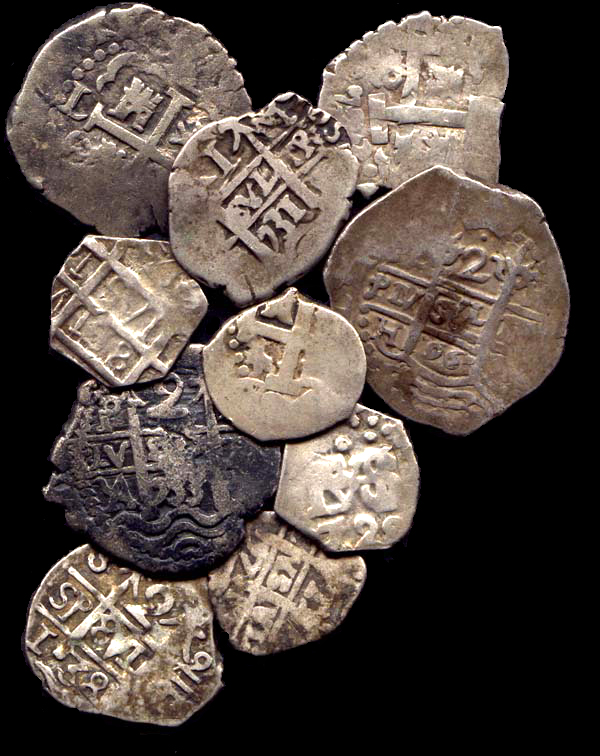
What the San José carried to the seabed
Historical accounts place gold, silver, emeralds, jewellery and coin among the cargo gathered for the Spanish Crown. The fleet sailed from Portobelo towards Cartagena after the fair there. A complete coin inventory is not available, and the multi-billion-pound figures repeated in the press are estimates rather than a numismatic count.
The archaeological evidence is narrower and stronger. In 2022, Colombia’s Navy used a remotely operated vehicle to photograph the wreck without excavating it. Researchers mapped coin groups around the stern. The 2025 study in Antiquity says the visible pieces are irregular, hand-struck cobs. They average about 32.5 millimetres across and probably weigh around 27 grams, although the number visible changes with sediment and seabed movement.
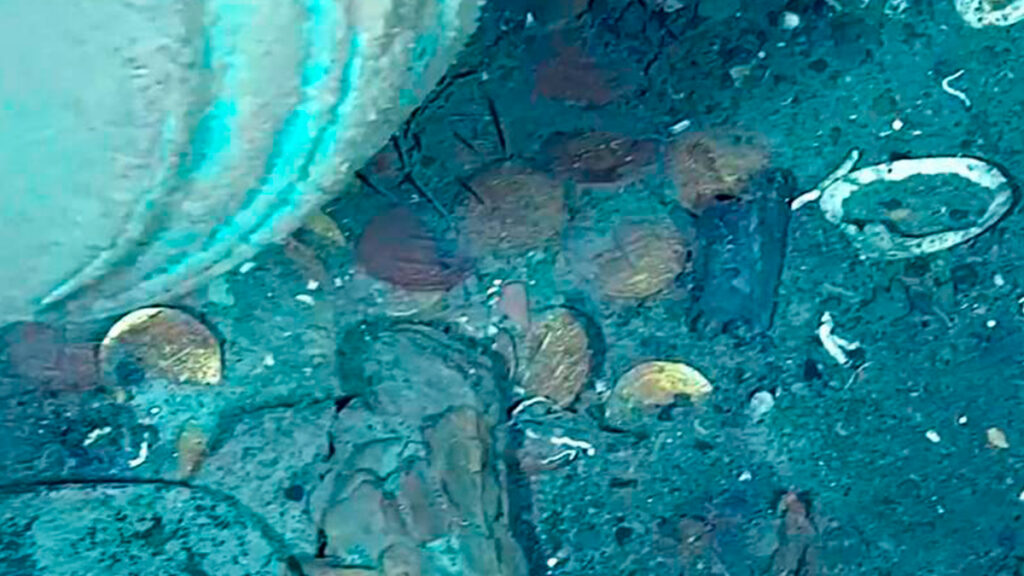
The coin type identified by the researchers
The best-documented coins are gold 8-escudos cobs. This was the highest denomination in the series, but the word “cob” matters as much as the number. The blanks were struck by hand and cut to weight, so irregular edges and incomplete legends are normal.
The marks give the wreck its date and route. The Lima mint is indicated by the L and the distinctive waves beneath the crowned Pillars of Hercules. The number 8 records the denomination. An H identifies Francisco de Hurtado, Lima’s chief assayer in 1707. PVA abbreviates Plus Ultra, while 707 records the year. The other face carries a Jerusalem Cross and the quartered Castile and León shield.
That date does not prove that every coin was struck in 1707 or that every piece was an 8 escudos coin. It does show that part of the hoard fits a ship travelling the Tierra Firme route after the 1707 Lima issues were made. Combined with the porcelain and cannon evidence, it is why the 2025 study identifies the San José.
What happened to the three recovered macuquinas
In November 2025, Colombia moved from non-invasive survey to a carefully selected recovery phase. The team collected three macuquinas, a bronze cannon, porcelain and associated sediment. The purpose was conservation and analysis, not a trial sale. The coins went to the National Museum of Colombia, while other material went to the underwater cultural heritage laboratory in Cartagena.
The December 2025 update says the coins are allowing a closer study of hand minting. Researchers noted an overlapping 8, cut letters and differences in die alignment. Each coin records a particular act of manufacture. The authorities have not published a complete numismatic description of each recovered coin, so it would be wrong to label all three as 8-escudos gold pieces.
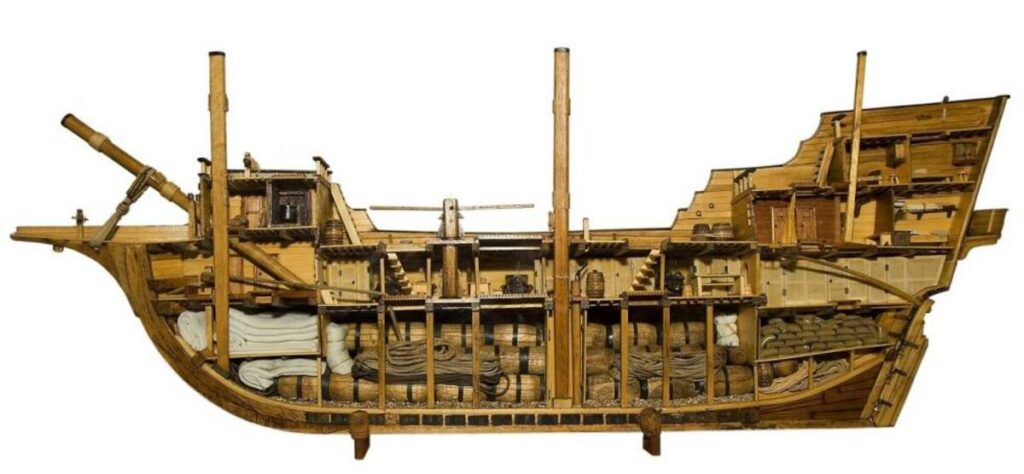
Why Peru is part of the story
The Lima Mint was in the Viceroyalty of Peru, and the study links the gold mainly to mines in Puno and Huamanga. The cargo then travelled through the colonial tax system to the Tierra Firme fleet. Peru is central to the coins’ historical origin.
The modern dispute needs a distinction. The sources reviewed here do not show a separate claim by Peru’s government. The reported Indigenous claim comes principally from Bolivia’s Qhara Qhara nation and other Bolivian communities, whose ancestors’ labour was used at Potosí. The BBC also mentions groups in Peru. Their argument is that the metals are shared historical heritage, not Spanish property or a private treasure chest.
Colombia, Spain and the prospect of an auction
Colombia’s position is that the wreck forms part of its submerged archaeological heritage. Its official project information repeatedly describes the objects as evidence with historical and cultural value, not as items with a market price. Spain’s position begins elsewhere: the San José was a commissioned Spanish warship, its crew served the Crown, and the vessel should retain the protection normally attached to a state ship. The two positions concern ownership, sovereignty and the proper treatment of a grave as much as they concern gold.
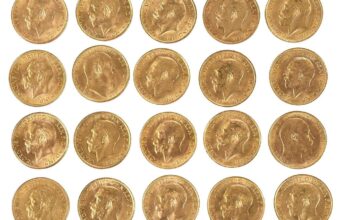
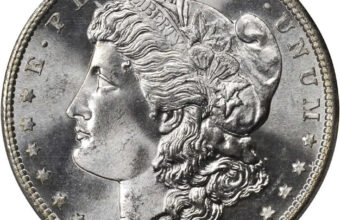
The auction question has a simple practical answer. A legitimate sale of the recovered coins is highly unlikely under the present policy. The 2001 UNESCO Convention rejects commercial exploitation and gives preservation in situ priority, although Colombia is not a party. Colombia’s heritage classification points in the same direction. A comparable colonial cob appears in the Bonhams archive, but a San José coin would carry archaeological provenance and contested title.
My expectation is that the recovered pieces will remain in research collections, conservation storage or a controlled museum display. A future auction would require more than a bidder and an auctioneer. It would require a final decision on title, a lawful route for deaccession, and agreement over whether removing an archaeological object from public care is permissible. Given Colombia’s stated policy, Spain’s sovereign claim and the Indigenous objections to commercialisation, a joint museum arrangement is far more plausible than a saleroom appearance.
Why the San José coins are unlikely to become auction lots
The coins are valuable because they answer questions that bullion weight cannot. Their mint, assayer, date, striking method and position among the wreckage help reconstruct an Atlantic supply route and the final voyage of a particular ship. Until the courts, governments and descendant communities settle what can be recovered and who may hold it, the most realistic future for the San José macuquinas is study and public interpretation. Collectors may one day see accurate replicas, photographs or exhibition catalogues. The coins themselves are much more likely to stay tied to the wreck than to enter a catalogue of lots.
This may disappoint anyone looking for a price guide, but it is what the evidence supports. We can identify the 1707 Lima cobs with confidence. We cannot yet count every coin, assign every recovered piece a denomination, or treat the seabed as an auction inventory.