



What should you look for when searching for Latin America and Spanish coins? Start with the fact that these pieces belong to one monetary world. Silver reales and gold escudos were struck in Spain and in the American viceroyalties, then carried through mines, ports and trading networks. A coin from Mexico City, Lima or Potosí can tell a story about the Spanish monarchy, local labour, Atlantic shipping and Asian commerce.
The most familiar example is the real de a ocho, or piece of eight. The Museo Arqueológico Nacional describes it as the silver coin that connected Europe, America and Asia. Its successor currencies included the pesos of the new Spanish American republics and the United States dollar. Gold has its own language: escudos, doblones and onzas were made in Spain as well as the Americas.
For collectors and investors, the best starting point is not a list of supposedly valuable dates. It is the evidence on the coin. Identify the denomination, monarch, mint, assayer and manufacturing method before considering price. Recent coverage of the Grundy Collection of Latin American and Spanish Coins stresses historical importance, rarity, provenance and condition. Those priorities keep the object and its history together.
This guide follows the coins from the imperial system to the details that matter most.
Latin America and Spanish coins: a guide for beginners
Begin with the imperial denominations
Keep the denominations separate. The silver real was the everyday unit, and the eight-real piece was the large silver coin that circulated internationally. It is often called a peso, duro or Spanish dollar in later descriptions. Smaller fractions, including one, two and four reales, are useful study coins because their marks can be easier to compare across a series.
Gold escudos formed the high-value side of the system. An eight-escudo piece, or onza, is not a gold version of an eight-real coin. It belongs to a different denomination, with its own weight, designs and collecting literature. The Museo Arqueológico Nacional’s overview of the escudo is a useful reminder that these coins were made in both mainland Spain and the American territories.
Learn the difference between cobs and milled coins
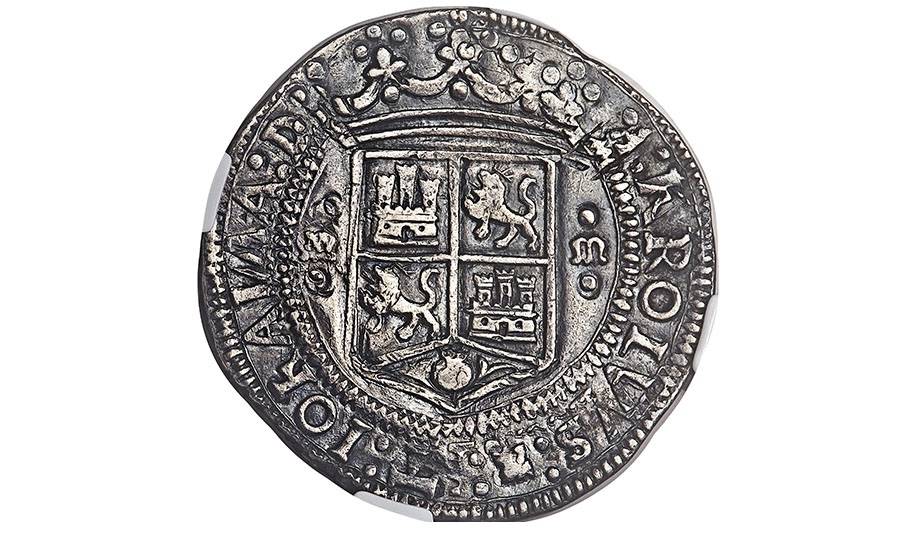
Manufacturing method is one of the quickest ways to orientate yourself. Cobs, also called macuquinas, were hammered rather than made as perfectly round coins. Their irregular flans and incomplete legends are part of the appeal, not automatically signs of damage. A strong cob offers something to read: a cross or shield, mint mark, assayer’s initial, date or complete legend.
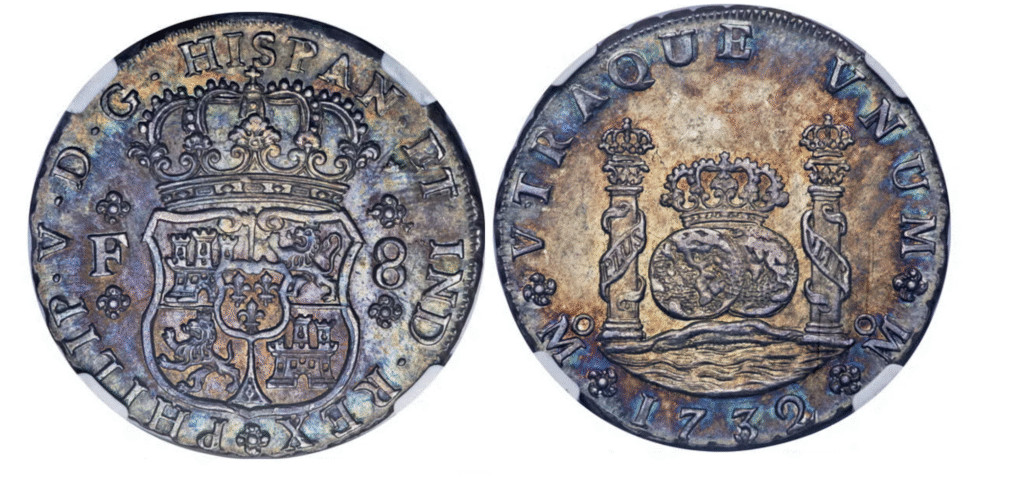
Milled coinage belongs to the later move towards more regular, mechanically produced pieces. The Pillar type, with the Pillars of Hercules, is especially important in the story of the eight reales. The first Mexican Pillar eight reales appeared in 1732, and the design spread to other Spanish American mints. Later portrait issues show the reigning monarch more directly. When comparing examples, do not judge a milled coin by the forgiving standards of a cob, or dismiss a cob merely because it is not round.
Read the mint and assayer marks
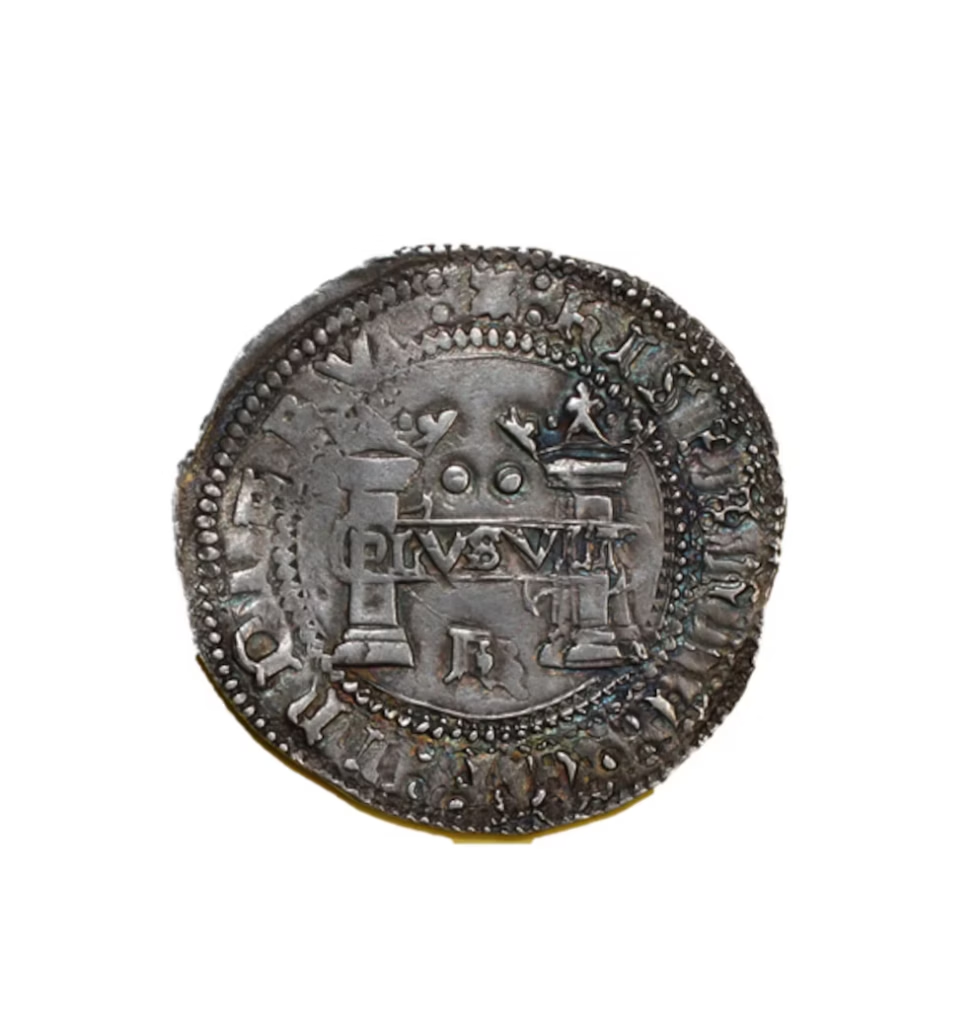
The most useful information may be smaller than the portrait. Mint marks identify where the coin was made, while assayer initials identify the official responsible for checking metal and production. Spanish pieces may come from Segovia, Seville or Madrid. In the viceroyalties, collectors encounter Mexico City, Lima, Potosí, Bogotá, Guatemala and Santiago. The mark connects the object to the place where its silver or gold entered the imperial system.
Do not guess from a single letter. Compare the mark with a specialist catalogue, a museum database or a reputable certification record, and check whether the combination of monarch, date, denomination and assayer is historically possible. A date can be genuine while the attribution is wrong, particularly when the coin is worn, clipped or struck from a damaged die. Photograph both sides, record the weight and diameter, then write down every visible mark before asking a dealer for an opinion.
Give dates, strike and surfaces equal weight
Rarity is not the same as age. A common seventeenth-century type with a weak strike may be less desirable than a scarcer date with clear devices and an honest surface. On cobs, look for a readable date, complete cross, shield detail, mint and assayer marks, and enough flan to understand how the coin was made. On milled pieces, inspect the rims, lettering, pillars or portrait, and evidence of clipping or striking weakness.
Never clean a coin to make those details brighter. NGC explains that harsh chemicals and abrasives permanently change the texture and lustre of a coin’s surface. A bright piece may therefore be less desirable than a darker one with original surfaces. Professional conservation is a different matter, but it is not a way to reverse scratches, polishing or aggressive cleaning.
Treat provenance as part of the coin
A Spanish colonial coin may have passed through a mine, royal mint, Atlantic fleet and several collections before reaching you. A documented history can help establish what the coin is, while shipwreck or hoard claims need careful checking. NGC’s account of a suspected Potosí royal cob shows why: experts compared it with auction records, weighed it and tested its metal before identifying it as counterfeit.
Ask for the original lot description, certification number, photographs and recovery paperwork. A certificate is not a substitute for an independent opinion. Be wary of vague language such as “found in the Americas” or “pirate coin” without a named wreck, documented chain of custody and details that match the object.
Collect the story before chasing the return
Coins from Spain and the former viceroyalties make a coherent collecting theme because the series cross borders without losing local identities. Build a chronological set of eight reales, follow one mint such as Potosí, compare Spanish and American escudos, or study how imperial designs gave way to republican pesos. The National Archaeological Museum’s online American collection shows the depth available for focused research.
Investment should follow knowledge rather than replace it. Buy the best documented, most honestly preserved example you can afford, and leave room for books, specialist advice and better photographs. A coin with a modest market value can still be an important witness to the movement of silver, authority and people across the Spanish world. That is the reason to learn what the marks say before asking what the coin might be worth.
Why the marks matter more than the romance
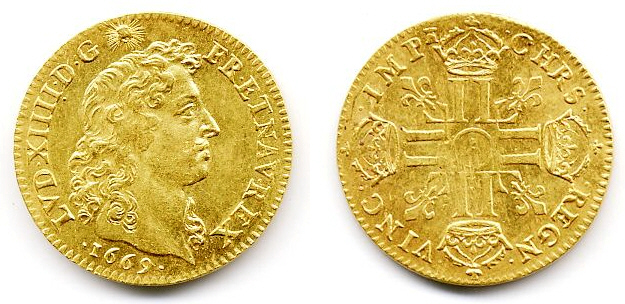
The strongest Spanish and Latin American coin collections are not assembled from attractive names alone. They are built by reading the small evidence: a mint mark, an assayer’s letter, a date, a surviving edge and a surface that has not been scrubbed into silence. Those details connect a coin made in Spain or a viceroyalty to the wider history of the Spanish empire and the later republics.
Begin with one denomination and one mint, study museum examples, and keep your records. Over time, the irregular cob, the pillar dollar and the gold onza stop looking like unrelated treasures. They become chapters in the same monetary history, each with a different route through the Atlantic world.