



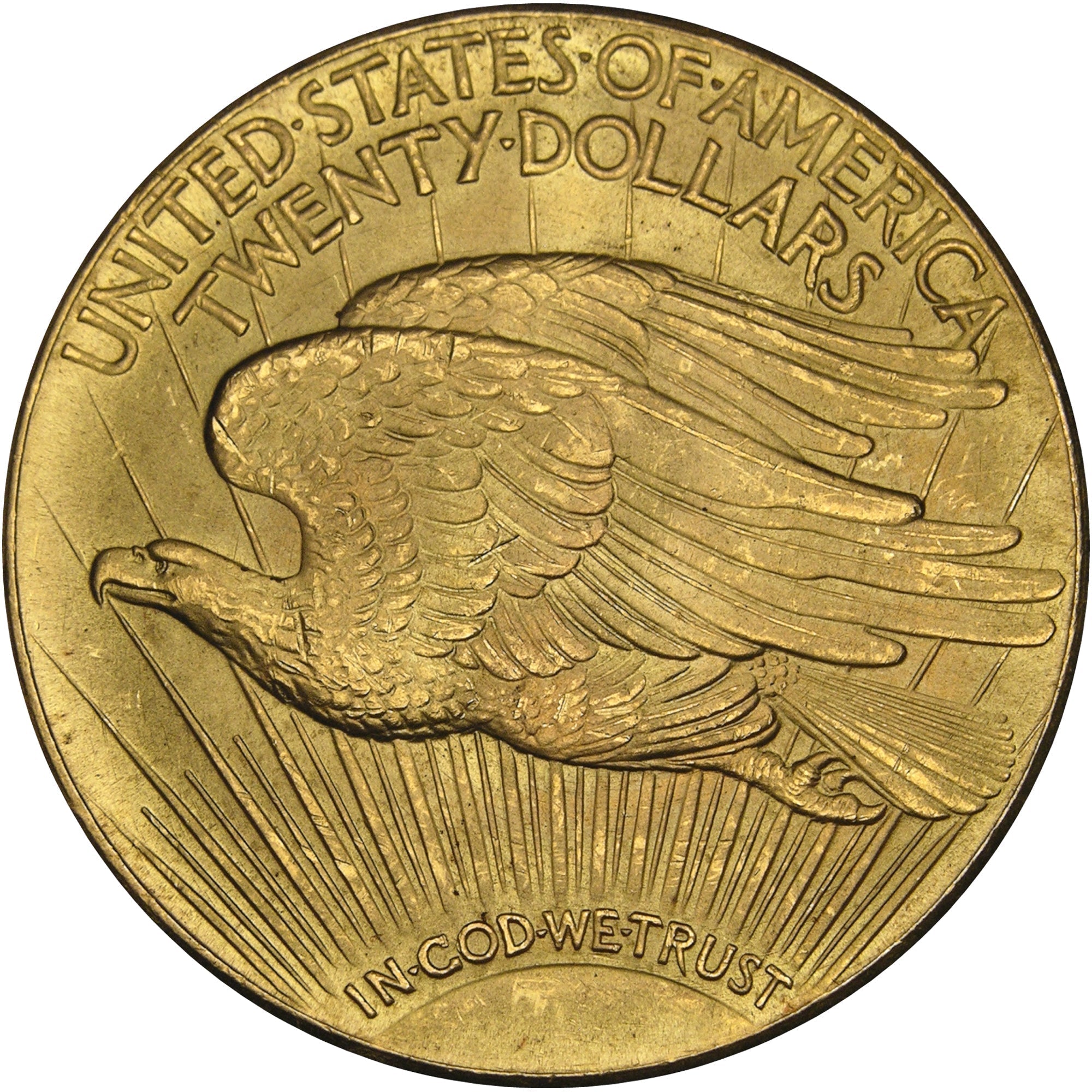
The 1933 double eagle is a $20 gold coin struck by the United States Mint. The Mint produced 445,500 of them in 1933, during the Great Depression, but none were ever released to the public. The government ordered nearly all of them melted down, sparing only two.
Before that order could be carried out, 20 coins were stolen from the Mint. They passed through the hands of private collectors until the US Secret Service tracked them down, and nine of the recovered coins were later destroyed. Thirteen specimens are known to survive today. Only one, the Weitzman Specimen, may legally be owned by a private citizen. Because the coin was never officially issued, owning any other surviving example remains illegal, and the Secret Service still investigates reports of further specimens turning up.
Two of the thirteen sit in the US National Numismatic Collection, and ten more are held at the United States Bullion Depository in Fort Knox. The privately owned coin sold at auction for $7.59 million in 2002, then for $18.9 million in 2021, a price that still stands as the highest ever paid for a coin.
Credit: Wikipedia
The origins and design of the double eagle
The double eagle dates back to 1849, when the United States Mint introduced the $20 gold coin to help manage the large influx of gold from the California Gold Rush. It took its name from its face value, exactly double that of the existing $10 Eagle.
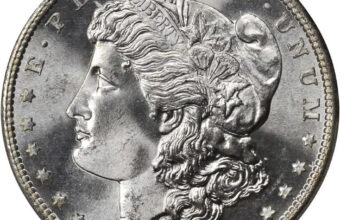
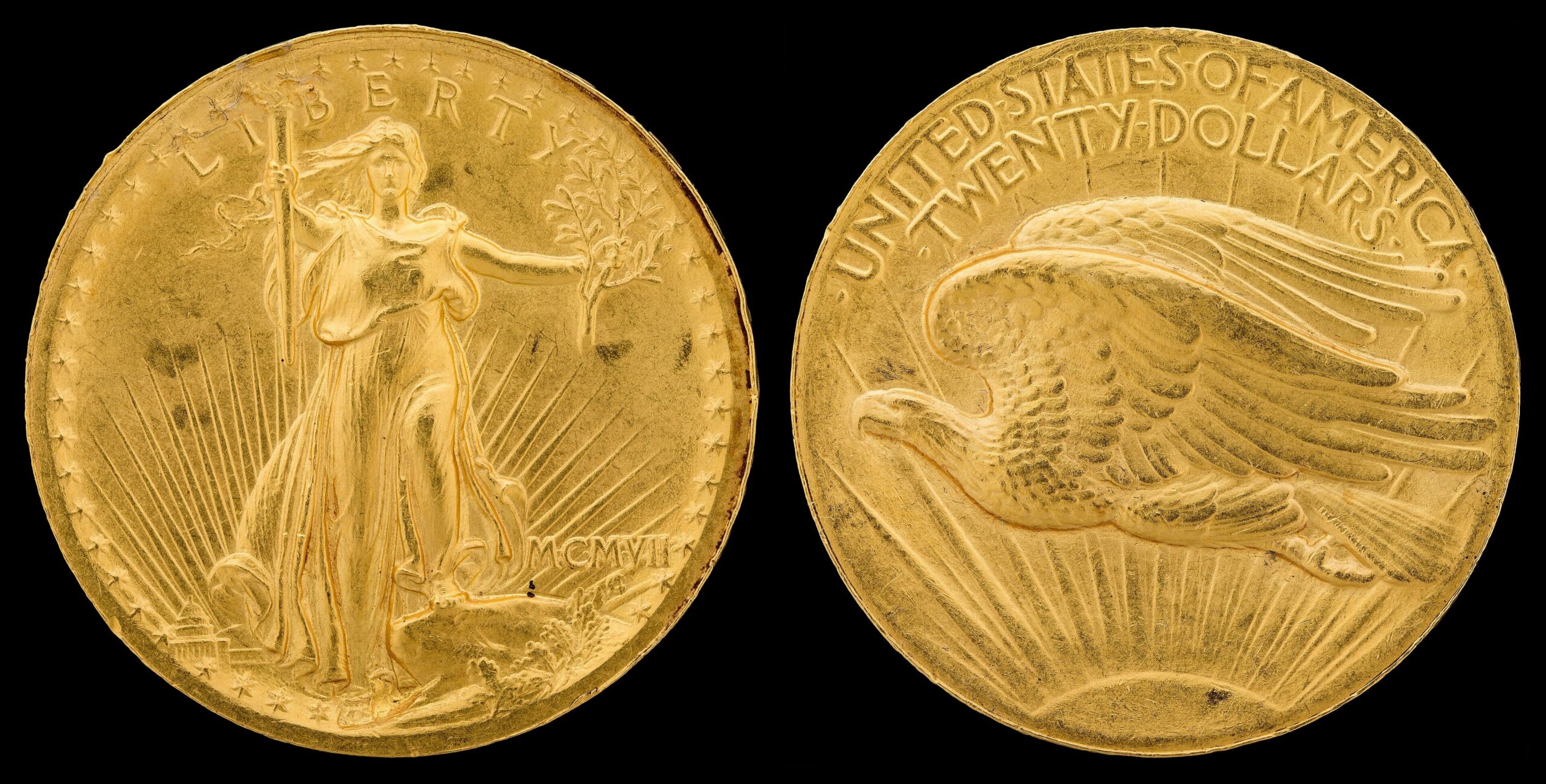
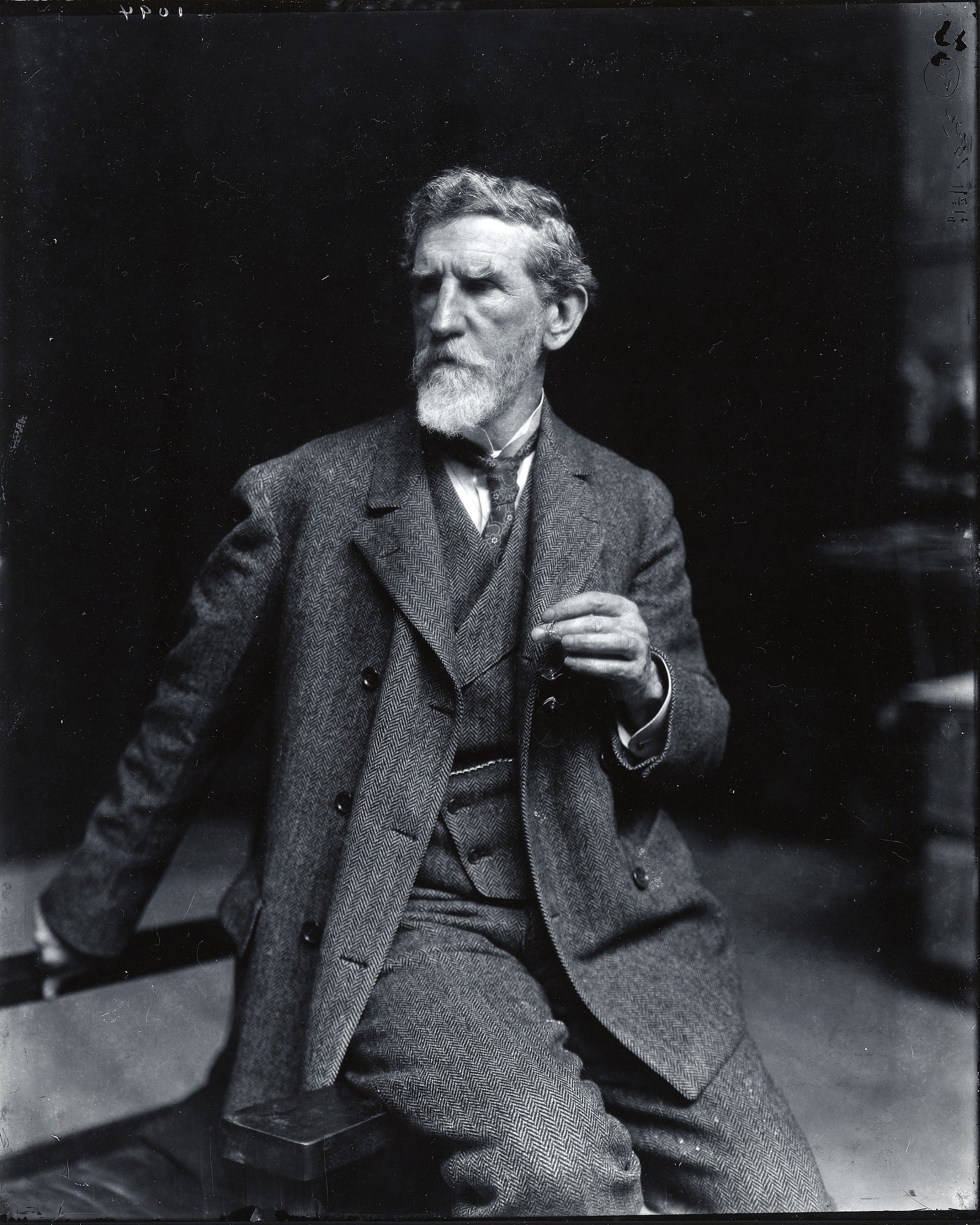
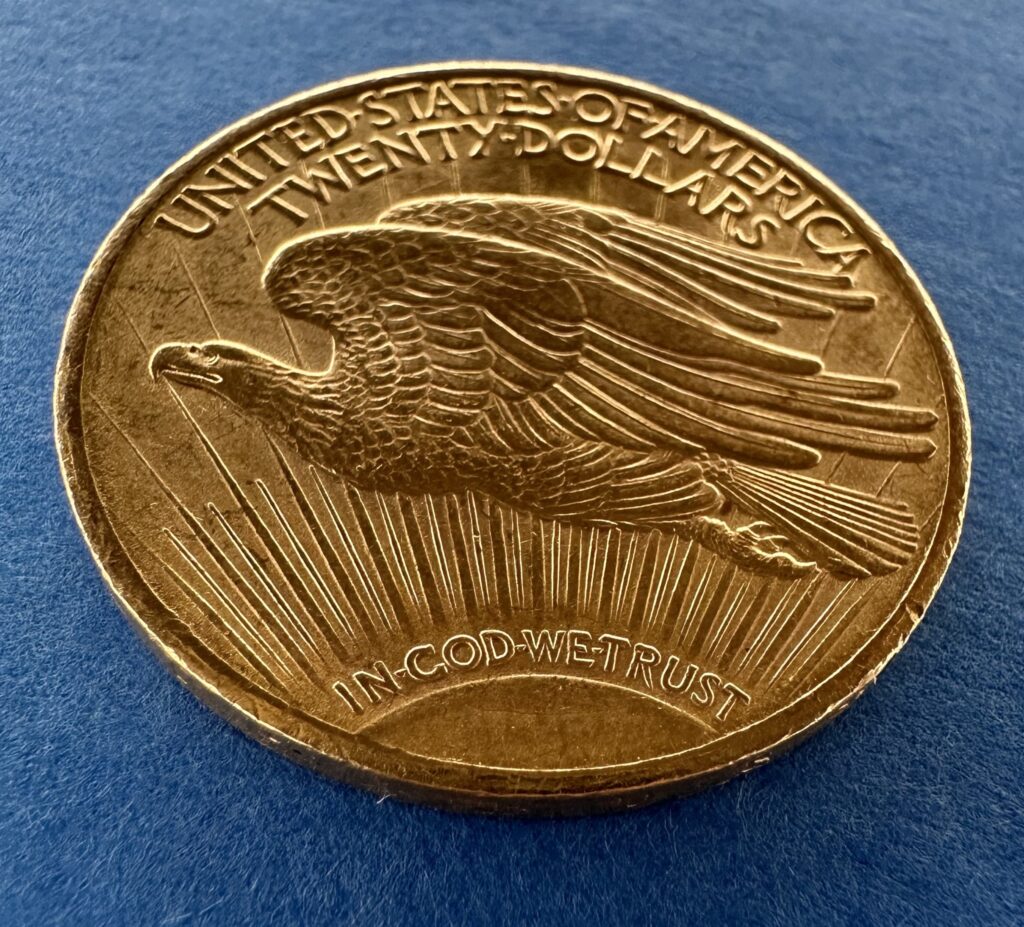
Sculptor Augustus Saint-Gaudens designed the 1933 double eagle. In 1905, President Theodore Roosevelt asked him to redesign the nation’s coins to make them more artistic. Drawing on ancient Greek motifs, Saint-Gaudens produced an obverse showing Lady Liberty striding forward, a torch in one hand and an olive branch in the other, with the United States Capitol behind her. The reverse showed an eagle in flight, encircled by the sun’s rays. The design’s high relief meant it needed several strikes to mint properly, so the Mint later modified it for mass production.
The Mint struck Saint-Gaudens double eagles every year from 1907 to 1932. The coins circulated widely as legal tender and were often used in international trade. The 1933 issue, with 445,500 coins struck at the Philadelphia Mint, was the last before an economic downturn brought production to a halt.
Credit: Wikipedia
The Great Depression and Executive Order 6102
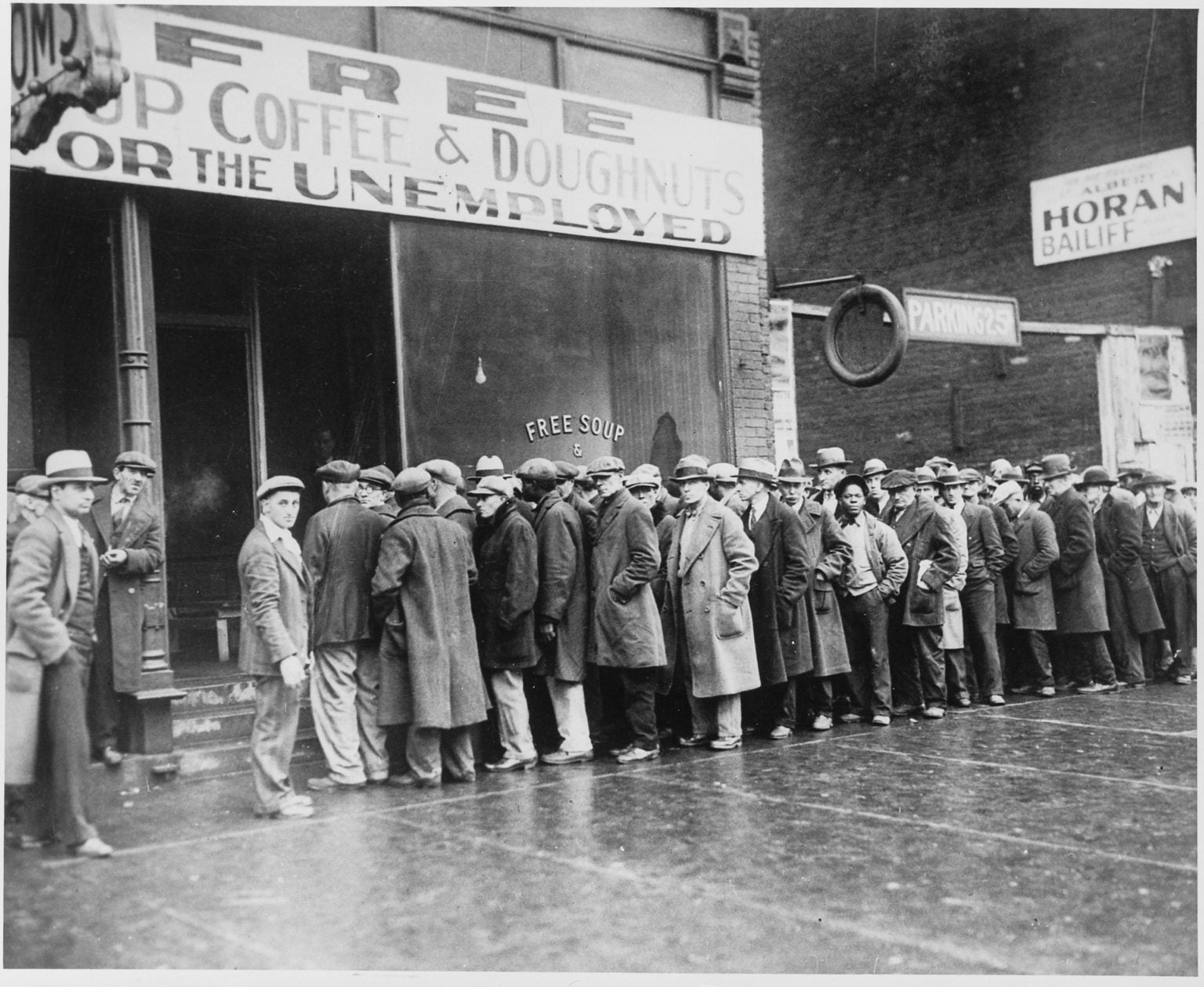
The Great Depression shaped the fate of the 1933 double eagle. In early 1933, the United States faced a severe banking crisis. To stabilise the economy, President Franklin D. Roosevelt issued Executive Order 6102.
This order required all individuals to hand over their gold coins, gold bullion and gold certificates to a Federal Reserve bank or branch by 1 May 1933. This applied to gold owned on or before 28 April 1933. The order had specific exemptions:
- Gold needed for legitimate and customary use in industry, profession or art within a reasonable timeframe.
- Gold coins and certificates not exceeding $100.00 belonging to any one person, along with gold coins of recognised special value to rare coin collectors.
- Gold set aside or held in trust for a recognised foreign government, foreign central bank or the Bank for International Settlements.
- Gold licensed for other legitimate transactions not related to hoarding.
In 1934, Congress passed the Gold Reserve Act, which made private possession and circulation of United States gold coins illegal and declared they were no longer legal tender. Citizens had to exchange their gold coins for paper currency.
Since the 1933 double eagles were struck after Roosevelt’s order, they were never legal tender. As a result, the Mint melted down most 1933 coins in late 1934 and destroyed some others in its own tests. It presented two coins to the US National Numismatic Collection, and one of them remains on display at the National Museum of American History.
Credit: Unidentified / pressbooks.pub
Theft and the initial Secret Service investigations
Several 1933 double eagles were stolen before they could be melted, unknown to Mint officials at the time. Investigators found that only one man, head Mint cashier George McCann, had access to the coins. McCann had previously served prison time for a similar embezzlement scheme in 1940. He is thought to have traded older double eagles for the 1933 coins just before the melting process, which let him avoid compromising the Mint’s accounting books and inventory lists.
These stolen coins made their way to collectors through Israel Switt, a Philadelphia jeweller closely connected to the Philadelphia Mint. The coins circulated privately for years. The Secret Service only learned of the theft when an investigative reporter, researching coins for an upcoming Stack’s Bowers auction, contacted the Mint.
The Secret Service began an official investigation in March 1944. Before this, a Texas dealer had already sold one of the coins to a foreign buyer, and it left the country in February 1944. During the first year of the investigation, the Secret Service seized or received seven coins, and the Mint destroyed them soon after. Investigators recovered an eighth coin the following year, and the Mint destroyed it. By 1945, they had identified Switt, who admitted to selling the nine located coins but claimed he could not remember how he obtained them. The Justice Department tried to prosecute Switt and his accomplice, but the statute of limitations had expired. Investigators recovered a ninth coin in 1952, and the Mint destroyed it.
Credit: Attic Capital
The King Farouk specimen
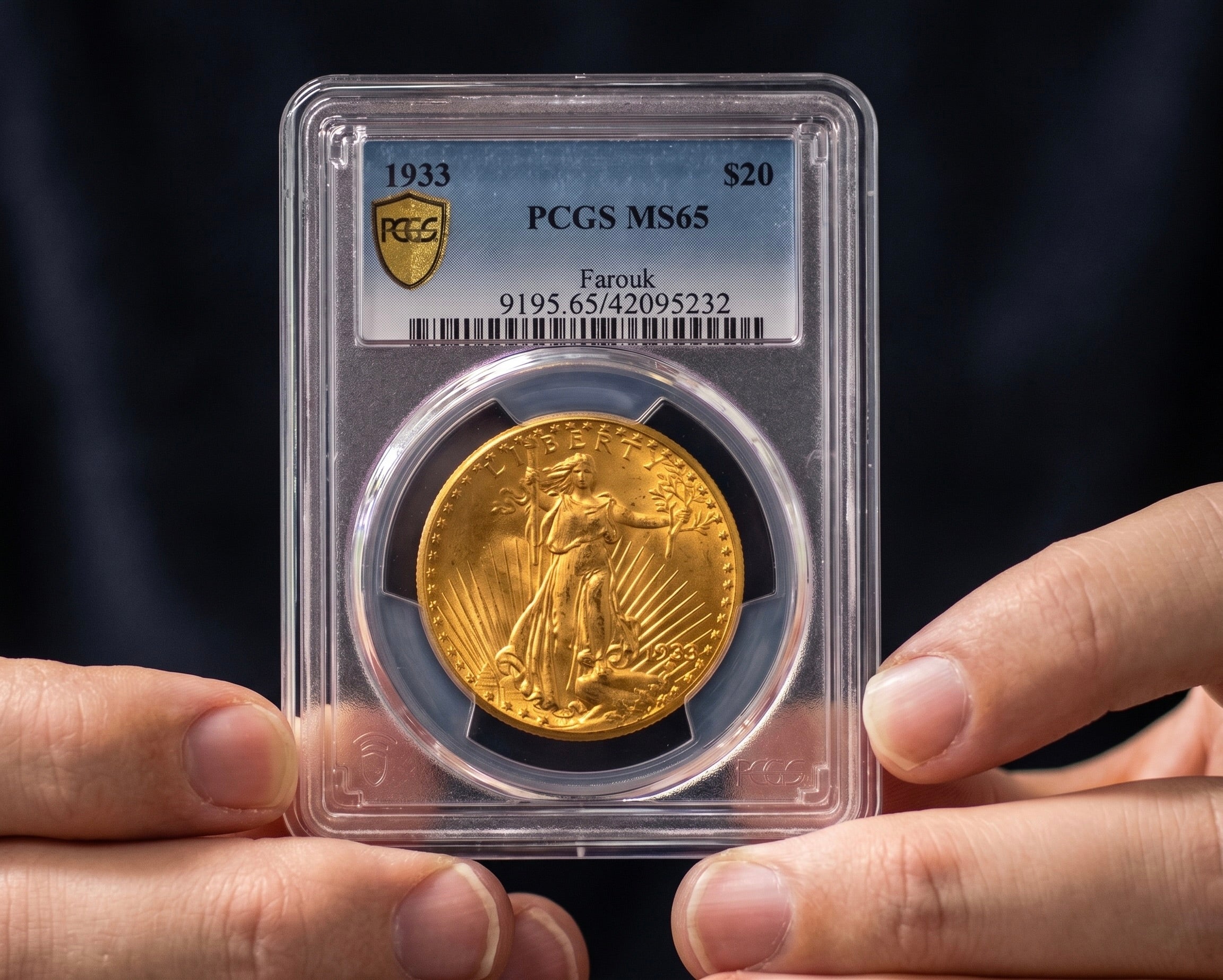
King Farouk of Egypt, a passionate collector who owned more than 8,500 coins, bought the single coin that left the United States in 1944. Farouk’s ministers applied to the United States Treasury Department for an export licence, and the Treasury mistakenly granted it just days before the Secret Service discovered the Mint theft.
The Treasury Department tried to recover the coin through diplomatic means, but the onset of the Second World War delayed the process. In 1952, King Farouk was overthrown in a coup, and Stacks Bowers later auctioned his vast collections publicly. The United States formally requested the return of the double eagle, and the Egyptian government agreed to comply, but the coin disappeared and was never seen again in Egypt.
Credit: GreatCollections
Reappearance and the 2002 record sale
The Farouk specimen resurfaced more than 40 years later, in 1996. US Secret Service agents arrested British coin dealer Stephen Fenton during a sting operation at the Waldorf-Astoria Hotel in New York. Under oath, Fenton claimed the coin came from King Farouk’s collection, though investigators could not confirm this. The authorities dropped the criminal charges against Fenton, and he defended his ownership in civil court.
In 2001, the parties reached a legal settlement. Ownership of the double eagle returned to the United States government, but the settlement allowed the coin to be sold legally at auction to a private buyer. The Treasury issued a unique document to monetise the coin, making it legal tender. It temporarily held the coin in the World Trade Center vaults, moving it to Fort Knox just two months before the building’s destruction in September 2001.
On 30 July 2002, Stacks Bowers auctioned the coin in New York. The winning bid was $6.6 million; with the 15 per cent buyer’s premium and the $20 monetisation fee, the final price reached $7,590,020.00. The United States Treasury and Stephen Fenton split the proceeds evenly.
The Weitzman reveal and the 2021 sale
The buyer from the 2002 auction kept his identity private for nearly two decades. In March 2021, a New York Times article revealed that the owner was private collector Stuart Weitzman. He chose to share his identity because he planned to sell the coin at a Sotheby’s auction in June 2021. Catalogued as Lot 1, the coin sold on 8 June 2021 for $18,872,250, which set the record for the most expensive coin ever sold.
Ten additional coins were discovered
The story doesn’t end here. In August 2005, the US Mint announced that ten more stolen 1933 double eagles had been discovered. This time, they belonged to the family of Israel Switt, a dealer who had sold the coins many years earlier.
Switt’s daughter, Joan Switt Langbord, surrendered them to the US Secret Service in September 2004. The US Mint and the Smithsonian Institution have since authenticated them (July 2005).
Some numismatists argue Switt legally obtained the coins during the three-week window in March 1933 when the law still permitted trading gold bullion. According to Mint records, none of the 1933 double eagles had yet been issued, and no cashier’s daily statements show the coins being paid out.
Until the 1970s, the Mint melted down all recovered 1933 double eagles into gold bullion. But because Presidents Nixon and Ford changed the laws on gold possession, the ten recovered coins escaped destruction. A decade of legal disputes over their ownership followed.
Following an initial 2010 ruling, a jury awarded ownership to the US government in 2011. In 2015, an appeals court briefly overturned this decision, returning the coins to the Langbord family because the government had missed a 90-day filing deadline. However, the final resolution came in August 2016, when the full appeals court reversed that decision: it ruled that the coins were stolen property and let the US government keep them.