



Coin prices explained the five key factors collectors should know reveals what determines value in the numismatic market. The hobby connects collectors with centuries of monetary history, where each piece carries its own story and potential worth. Understanding these factors helps collectors see coins as valuable artefacts rather than simple currency.
Circulating coins serve a practical purpose, while collectable pieces gain worth from their scarcity, condition, composition, historical context and desirability. A coin minted in limited numbers that survives in excellent state can command prices far exceeding its face value. This distinction lies at the core of numismatics.
The market for rare and historically important coins remains strong: record prices continue to be paid for such pieces. The five factors below help both new and experienced collectors make informed decisions when building or evaluating their holdings.
Discover all in our:
Coin prices explained: The five key factors collectors should know
Rarity the foundation of numismatic value
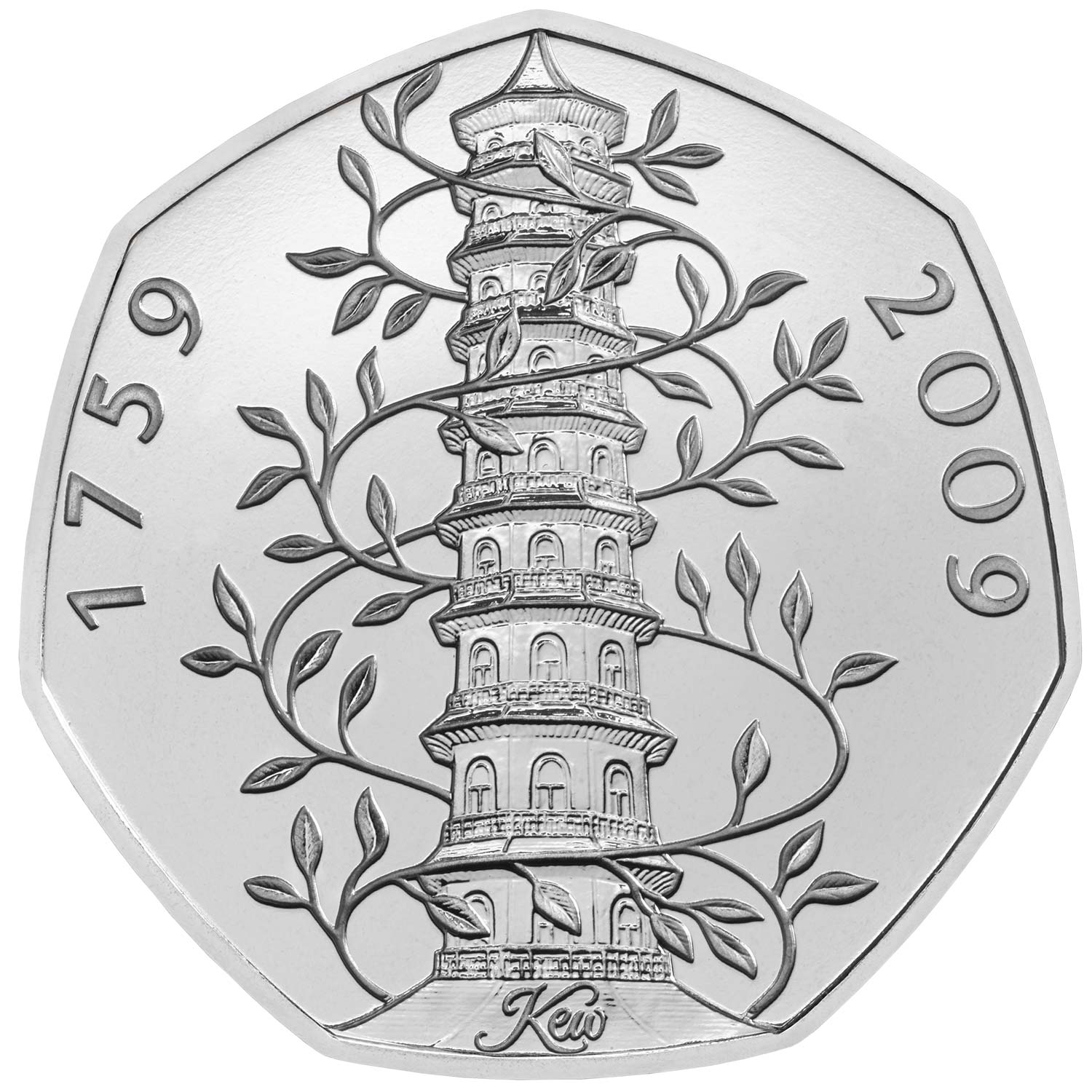
Rarity is the most basic determinant of coin value. The Royal Mint states that mintage figures establish scarcity: fewer coins produced can mean higher potential prices. The 2023 Atlantic Salmon 50p holds the record for the lowest mintage circulating coin at 200,000 pieces, while the 2009 Kew Gardens 50p follows at 210,000 pieces. These limited production runs create the scarcity that drives collector demand.
Scarcity is not solely about production numbers. The Royal Mint notes that historical events such as a change of monarch or coins being withdrawn from circulation can also create unexpected scarcity. When demand for a denomination was low in a particular year, as with the 2009 50p, the resulting low mintage produces coins that become more valuable on the secondary market. Collectors should consult official mintage figures, as these provide the clearest measure of rarity.
Credit: The Royal Mint
Condition and grading the preservation premium
A coin’s physical state has a major effect on its value. Grading provides the standardised language for assessing condition. The Royal Mint employs the British descriptive coin grading scale, using terms such as Very Fine or Uncirculated, while the Sheldon Scale offers a numerical alternative. These systems let collectors judge how wear and damage affect a piece’s worth, and higher grades fetch significantly higher prices.
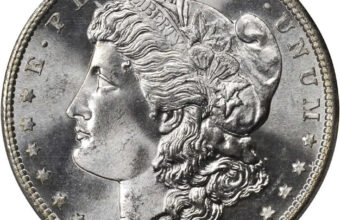
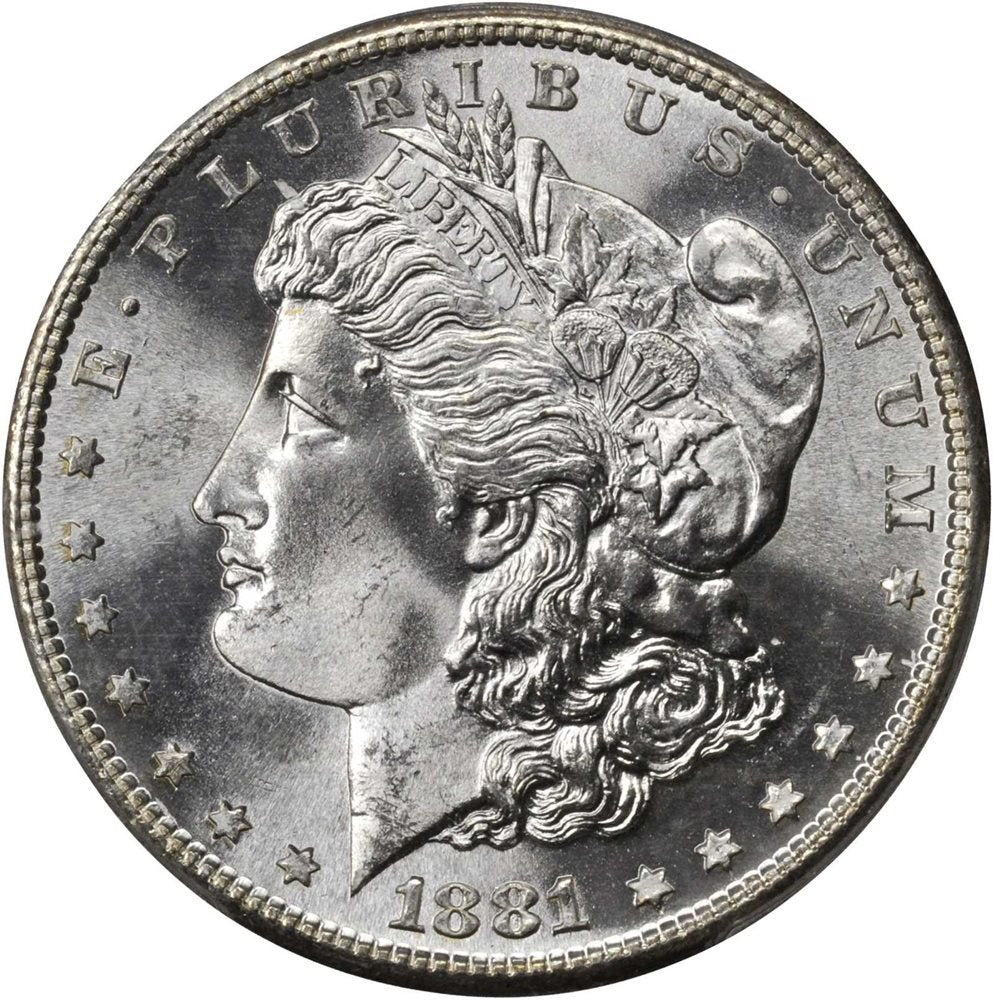
Sotheby’s provides a clear illustration of condition’s impact. A heavily worn Morgan silver dollar from San Francisco in 1884 might sell for under £40, but a near-perfect MS 67 example from the Ralph Stone Collection carried an estimate of £230,000 to £390,000 at auction. This vast difference demonstrates that preservation state can outweigh other factors in determining final value. Proper storage and handling therefore matter greatly for maintaining both condition and market worth.
Credit: PCGS
Precious metal content the intrinsic value base
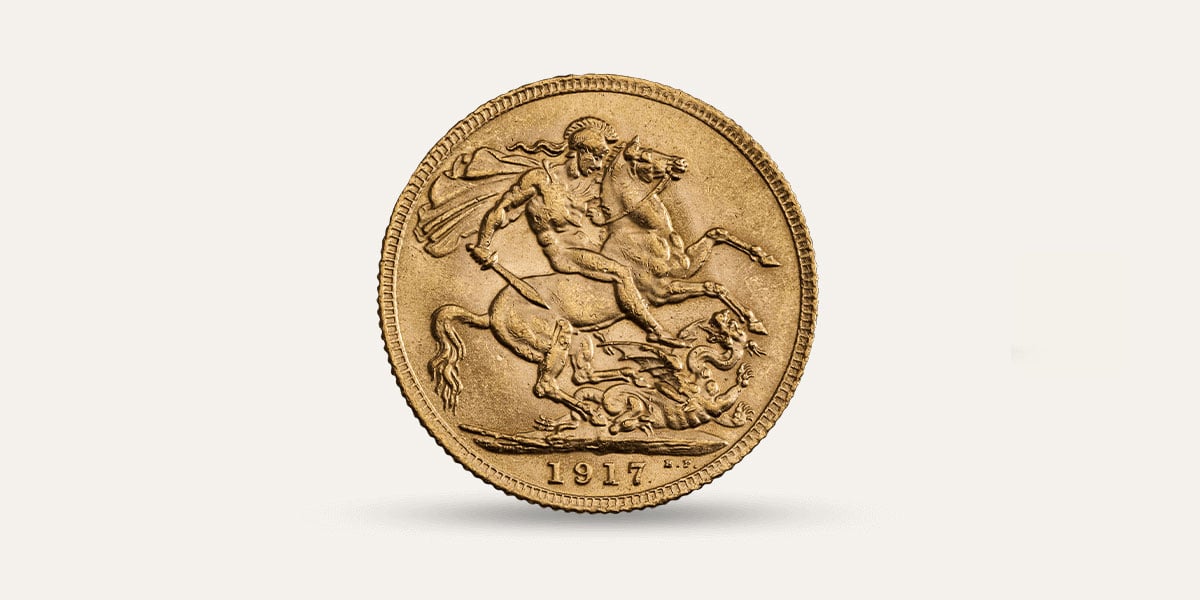
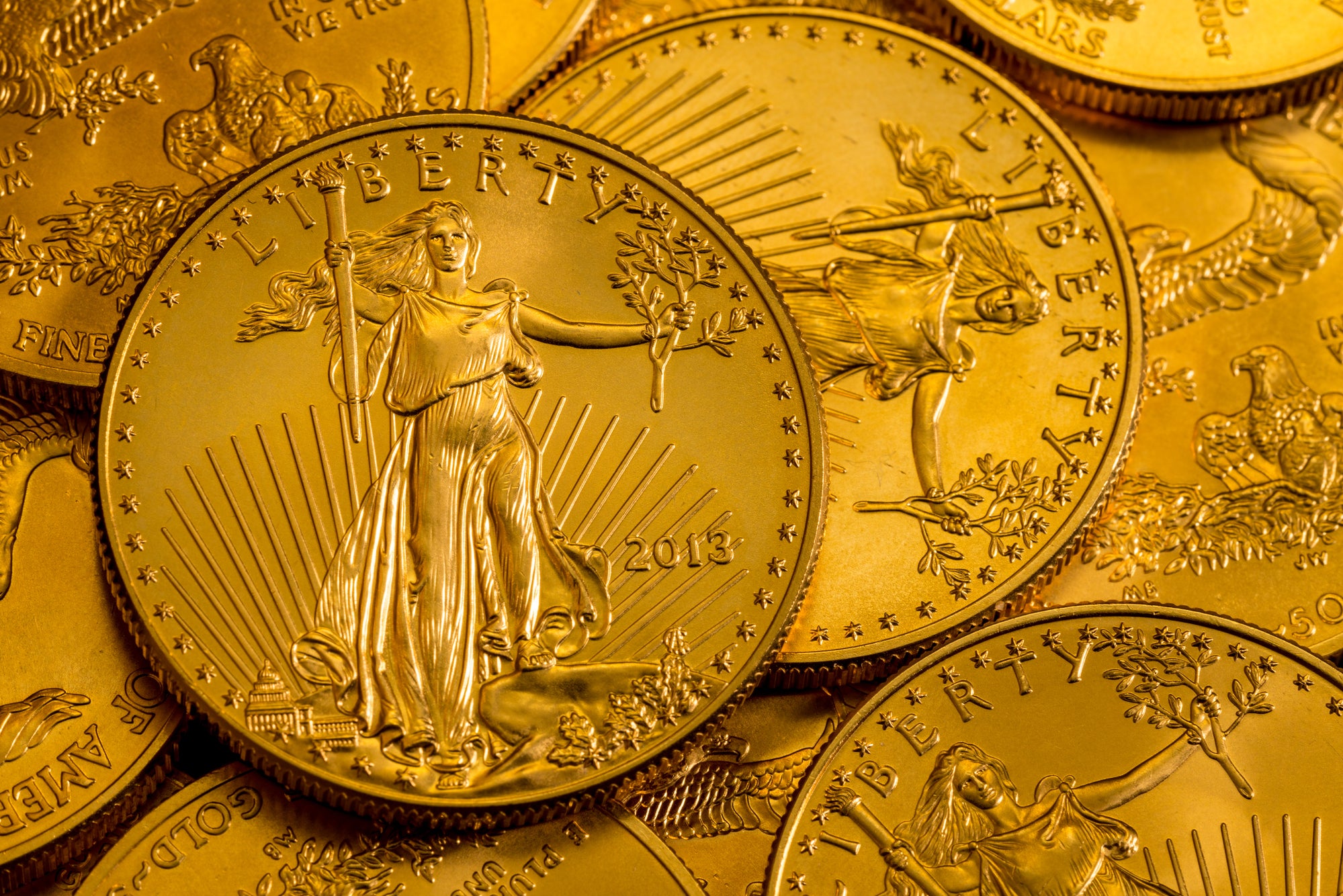
For coins containing gold, silver or platinum, the metal content establishes a floor value that supports the numismatic premium. The Royal Mint strikes bullion coins in purities from 916.67 to 999.9 fine gold, with prices based on live market rates plus a production charge. This metal value means that even common bullion coins retain worth, which gives them a stability that purely collectable pieces may lack.
The relationship between metal content and numismatic value creates interesting market dynamics. Commemorative coins often contain precious metals, which adds to their appeal beyond face value. The Royal Mint’s live precious metal price charts let collectors track gold, silver and platinum values in pounds, euros and dollars, and calculate both the intrinsic and total value of metal-bearing coins. As market rates fluctuate, so does the underlying value of precious metal coins.
Credit: The Royal Mint
Historical significance and provenance the story premium
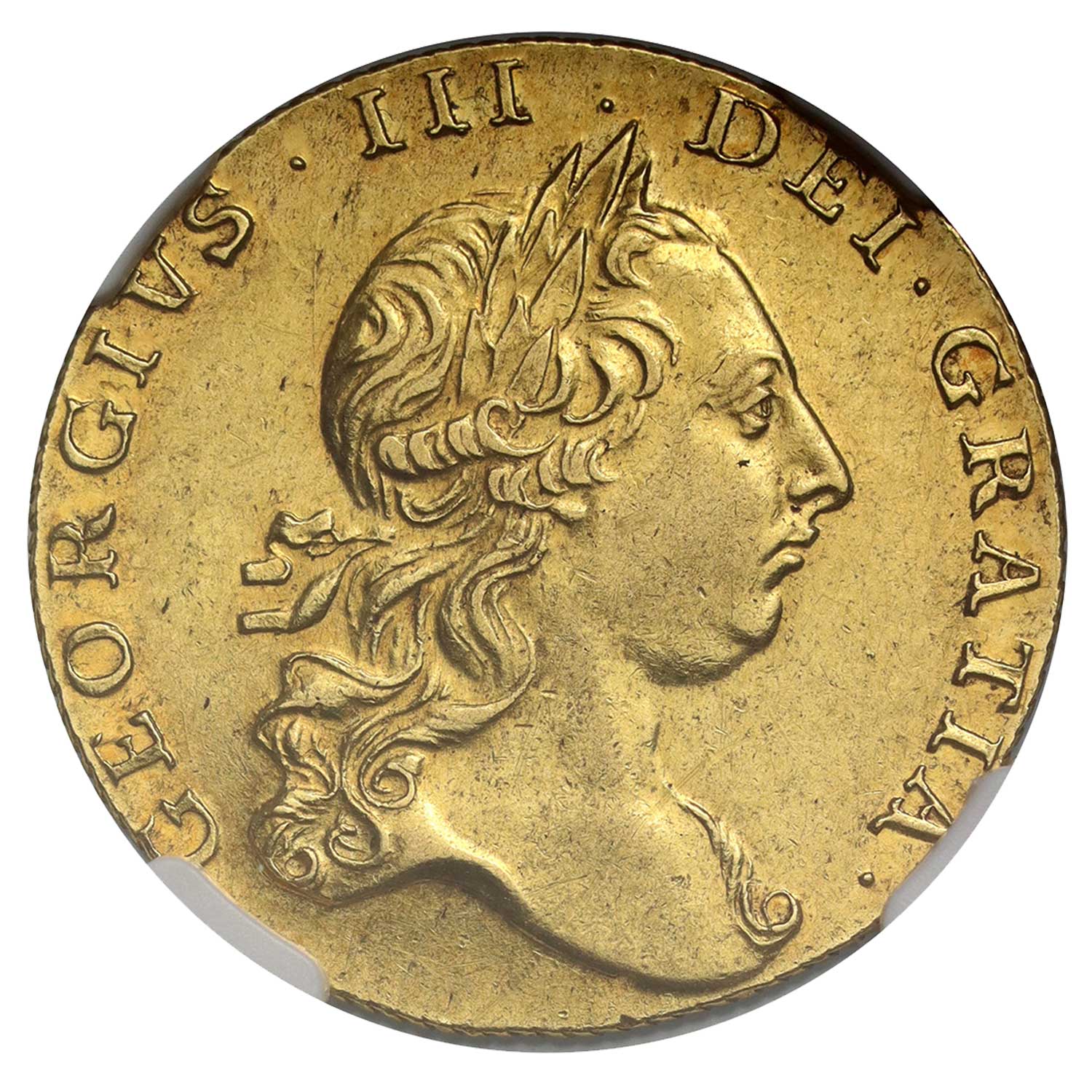
Coins that witness important historical moments or carry documented ownership histories command premiums beyond their material attributes. The Royal Mint highlights how coins from transitional periods, such as the 1764 George III Guinea from a year when design features changed, capture a specific moment in British numismatic history. These pieces give collectors a direct link to the past, and that story is part of the value.
Provenance, or the recorded history of ownership, can substantially increase a coin’s worth. A 1764 Guinea that passed from the K. Frost collection, sold at Glendining in 1984, to the Erwin Warth Collection carries this distinguished pedigree. The British Museum’s Department of Money and Medals holds one of the world’s finest numismatic collections, spanning from the 7th century BC to the present, and shows how historical context and institutional recognition add to a coin’s importance.
Credit: The Royal Mint
Demand the market driver
In the end, a coin is worth what a collector is willing to pay: demand is the final arbiter of value. The Royal Mint emphasises that while the other factors provide guidance, the market decides the actual price in any transaction. This explains why certain series or themes can experience sudden spikes in value when collector interest intensifies, as seen with commemorative coins marking significant anniversaries or cultural events.
Demand manifests in various ways across the numismatic market. Coins commemorating popular themes such as Beatrix Potter characters, the Representation of the People Act or Brexit have demonstrated particular appeal to collectors, who show willingness to pay premiums for pieces that hold personal or cultural significance. The Royal Mint advises that when buying on the secondary market, collectors should check the recommended retail price, verify original packaging and look for certificates of authenticity, as these details affect demand and therefore value.
Credit: The Royal Mint