



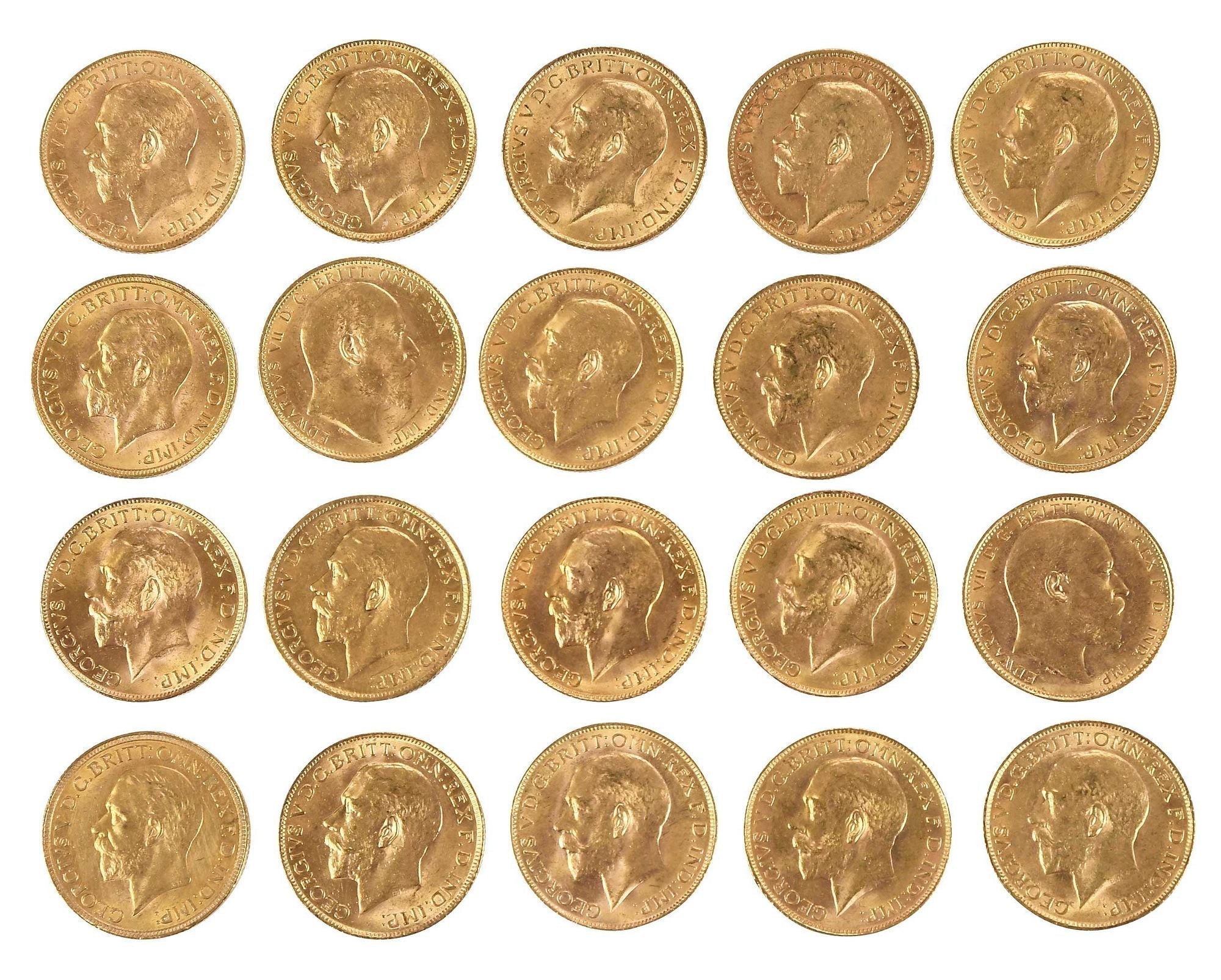
At today’s gold price of around £3,038 an ounce, the gold in an ordinary gold dollar coin is worth roughly £147. Yet the same small coin, in the right date and grade, can sell for six figures. That gap between metal value and collector value is the whole story of the gold dollar, the smallest coin the United States Mint ever struck, and it is why a coin barely bigger than a shirt button still commands serious attention from collectors and dealers more than 130 years after the Mint stopped making it.
A coin born of the California gold rush
Credit: Gold Investments
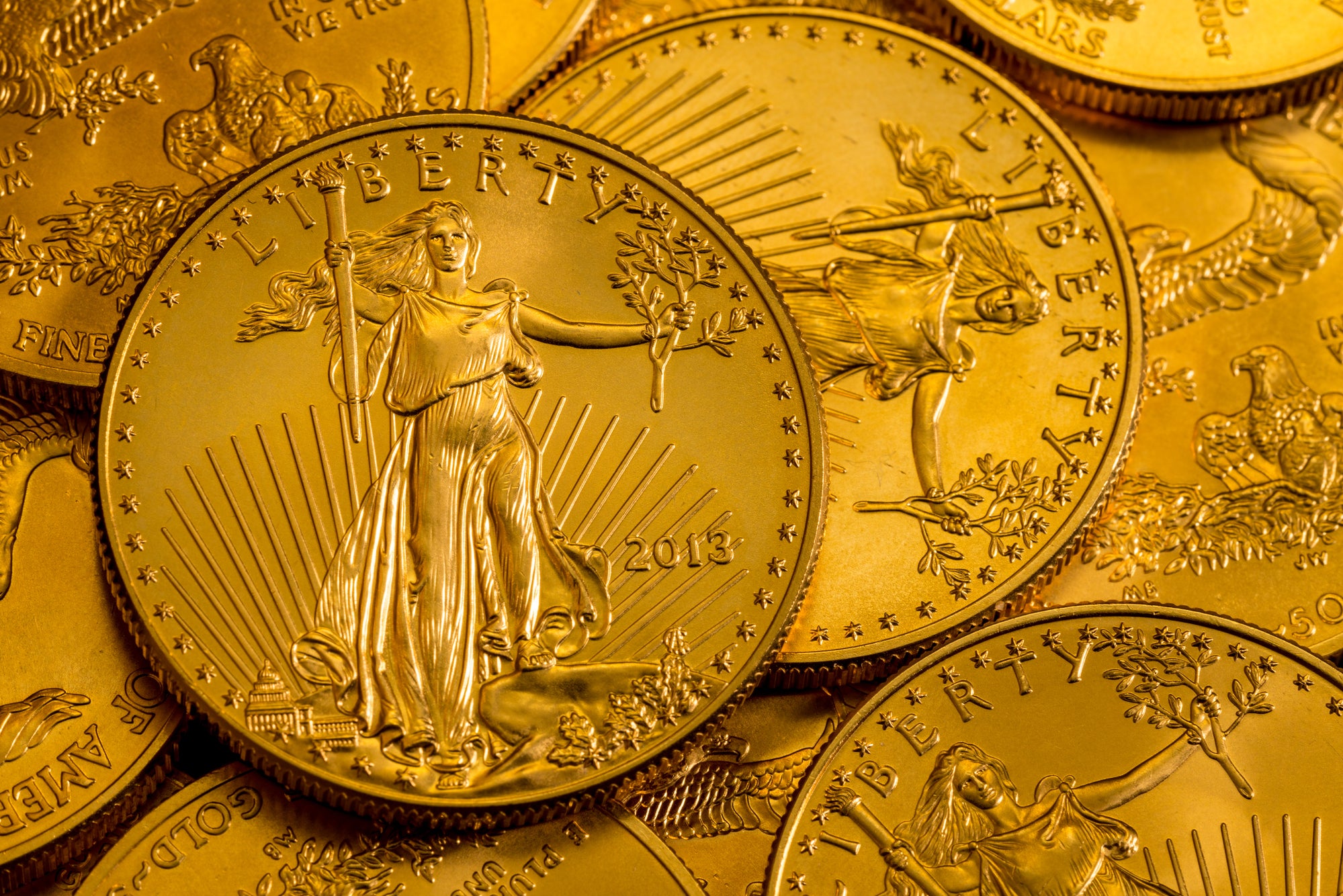
The gold dollar exists because of a problem: too much gold and not enough coins to put it into. The discovery of gold at Sutter’s Mill in 1848 sent enormous quantities of California bullion flowing east, and Congress responded with the Act of 3 March 1849, authorising two new denominations to absorb it: a £15 double eagle and a £0.75 gold coin. Mint Chief Engraver James B. Longacre designed both, but it was the gold dollar that reached production first, entering circulation in 1849.
It was, almost immediately, too small for its own good. At 12.7mm across and roughly two-thirds the size of a modern dime, the first gold dollars were easy to lose and awkward to handle, and the public complained loudly enough that the Mint went looking for a fix. Mint Director James Ross Snowden considered punching a hole through a larger coin before settling on a simpler solution: make the coin wider and thinner instead, and have Longacre redesign both faces to suit. That redesign, in 1854, began the coin’s second phase, and a further correction in 1856 produced its third and final form. Production continued at this width until 1889, when the Mint discontinued the denomination for good.
Type 1, Type 2, Type 3: knowing which one you have
Collectors divide the 40-year run into three distinct types, and telling them apart is the first step in working out what any individual coin is worth.
Type 1 (1849-1854) carries Longacre’s Liberty Head design on a small 12.7mm planchet. It is the smallest coin ever issued by the US Mint and, because early examples were often saved as novelties, Uncirculated pieces survive in reasonable numbers from the Philadelphia Mint.
Type 2 (1854-1856), sometimes called the Indian Princess Small Head, moved to a wider 14.3mm planchet and introduced Longacre’s Indian Princess portrait, its feathered headdress based, according to the numismatic scholar Walter Breen, on a Roman marble bust rather than any genuine indigenous likeness. The redesign solved the losing-coins problem but created a new one: the high relief of the portrait sat awkwardly on the thin new planchet, and most Type 2 dollars struck up poorly, particularly at the Charlotte and Dahlonega mints. Barely 1.6 million were struck across its three-year run, making it comfortably the scarcest of the three types.
Type 3 (1856-1889) kept the Indian Princess but flattened and enlarged the portrait to strike more cleanly on the same planchet size, and this became the version that carried the denomination through to its final year. It is also by far the most common type in the marketplace today, since it accounts for more than three decades of production.
Five mints, one story of scarcity
Gold dollars were struck at five different Mint facilities, each identified by a small letter beneath the wreath on the reverse: Philadelphia coins carry no mint mark at all, while C stands for Charlotte, D for Dahlonega, O for New Orleans, and S for San Francisco. Philadelphia produced the coin every year of the series and accounts for the bulk of survivors. New Orleans struck just six dates in total, none of them standout rarities. Charlotte and Dahlonega, the Mint’s dedicated gold-only branches in the South, are a different matter: both closed in 1861 as the Civil War began, and their gold dollars are scarce almost across the board, particularly in higher grades.
The key dates that separate pocket change from serious money
Credit: Public Domain Image
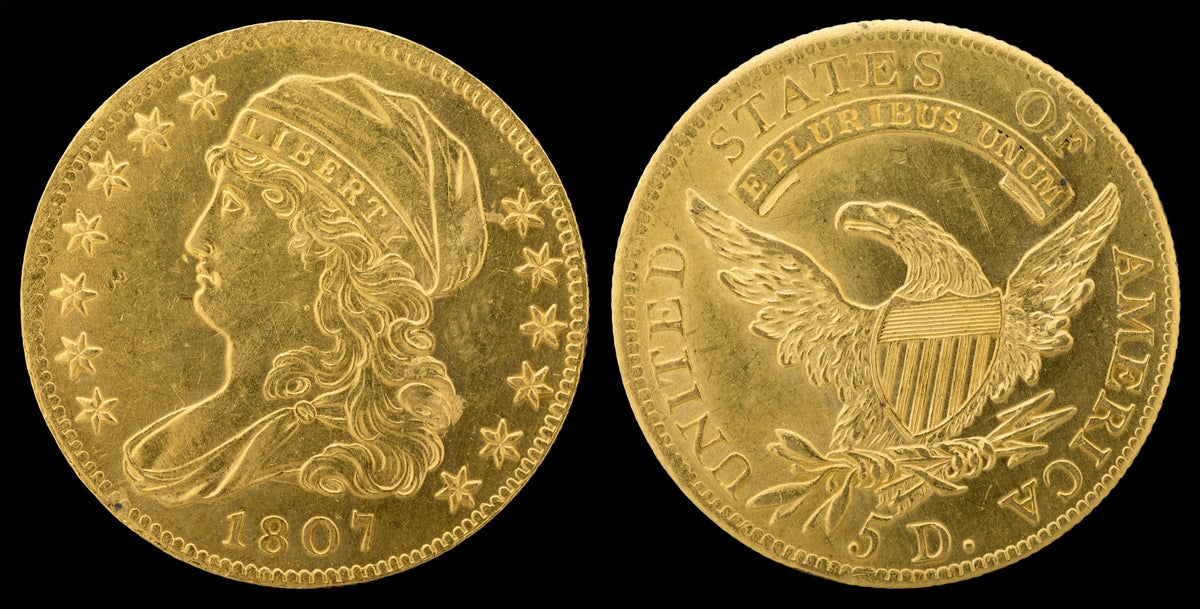
Most gold dollars, particularly common Philadelphia dates in circulated grades, trade for a few hundred pounds. A handful of dates are in an entirely different league.
The rarest of all is the 1849-C Open Wreath variety, of which only five examples are known to exist, making it effectively uncollectable outside a handful of major collections. Close behind it is the 1861-D, struck at Dahlonega under Confederate authority after South Carolina’s secession triggered a cascade of Southern states seizing federal Mint property; the Confederacy used what bullion remained on hand to strike an estimated 500 to 1,500 coins, of which perhaps 60 survive today, and it holds the distinction of being the only US coin struck entirely under Confederate control. An example graded AU58 realised £76,768 at auction in late 2024. The 1855-D is the only Type 2 gold dollar struck at Dahlonega and a one-year rarity in its own right, with roughly 75 to 100 survivors from an original mintage of 1,811; the finest known example, graded PCGS MS64, brought £123,807 at a 2015 sale. Among Philadelphia issues, the standout is the 1875, struck to a business-strike mintage of just 400 pieces plus 20 proofs, the lowest of the entire series; even circulated examples bring four-figure sums, and a PCGS MS66 specimen sold for £25,100 in 2007.
What an ordinary gold dollar is worth today
For anything short of these key dates, value comes down to three factors: type, mint, and condition. A worn, common-date Type 1 or Type 3 gold dollar in circulated grade typically trades at roughly 50% to 150% above its melt value, since the coin’s tiny gold content means the numismatic premium, not the metal, does most of the work in setting the price. Grading from the two most respected third-party services, the Professional Coin Grading Service (PCGS) and the Numismatic Guaranty Corporation (NGC), matters more here than it might for a bullion coin: a certified example in a sealed holder with a verified grade routinely sells for well above a comparable raw coin, because a buyer no longer has to trust the seller’s word for condition. Both services also publish population reports showing exactly how many examples of a given date and grade have been certified, which is the fastest way to see whether an ordinary-looking coin is quietly scarcer than it appears.
Two things that quietly destroy a gold dollar’s value
The single most damaging mistake an owner can make is cleaning the coin. Original surfaces and natural toning are exactly what graders and collectors are paying for, and even careful cleaning leaves microscopic scratches that a trained eye spots immediately, typically cutting a coin’s value by half or more.
The second is one specific to a coin this size: jewellery mounting. Because gold dollars were small, valuable and conveniently shaped, the Victorian era saw enormous numbers of them ground smooth on one face and hand-engraved as “love tokens”, sentimental gifts exchanged to mark courtships, weddings and anniversaries, a tradition that reached its peak in the 1870s and 1880s in both Britain and the United States. Gold examples are the rarest and most sought-after category of love token precisely because gold was expensive relative to the far more common silver coins used for the same purpose. An engraved or bezel-set gold dollar cannot be certified or graded as a standard coin and will not appeal to a collector building a date set, but it can carry real value of its own to specialist love-token collectors, so it pays to know which market you’re actually selling into before assuming the coin is “damaged”.
The most counterfeited date in the series
Credit: GreatCollections
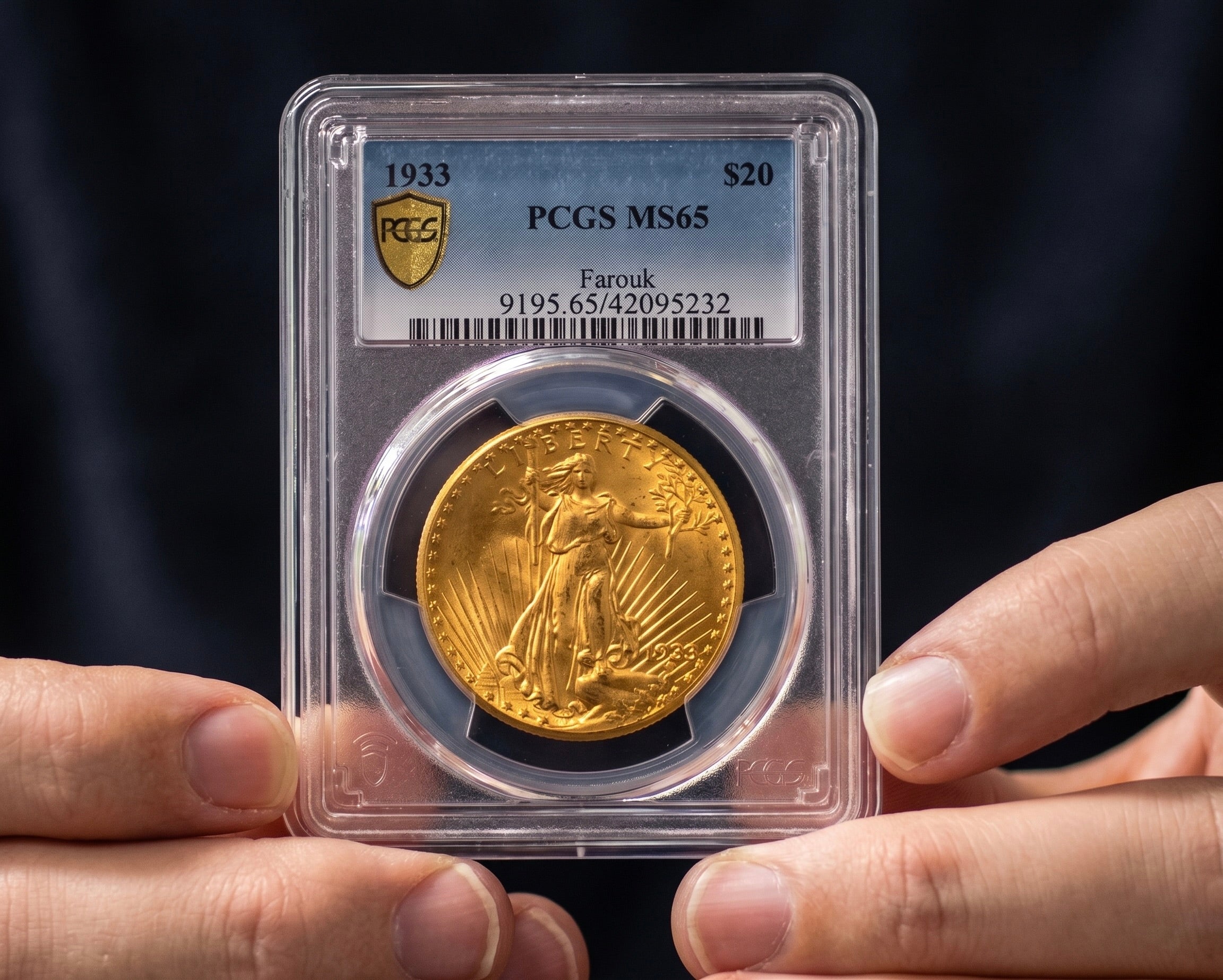
Ironically, the gold dollar most worth watching for fakes isn’t a rarity at all. The 1853 Philadelphia issue, with a mintage of more than 4 million, is the most counterfeited date in the entire series, precisely because its ordinariness makes dealers less likely to scrutinise it closely and because a convincing fake of a common date is still profitable to produce in bulk. The safest protection against any counterfeit, whether it targets a rare date or a common one, is to buy coins already certified by PCGS or NGC and to verify the certification number directly on the grading service’s own website before relying on the holder.
Where to buy a gold dollar
- Local coin shops and coin shows remain the most straightforward starting point, particularly for common-date circulated examples, and dealers affiliated with bodies such as the American Numismatic Association or the Professional Numismatists Guild carry a level of accountability that unaffiliated sellers don’t.
- For anything beyond a common date, buying a coin already graded by PCGS or NGC is the safer route, since the certification removes most of the guesswork around condition and authenticity.
- Precious-metals and numismatic dealers such as APMEX sell gold dollars alongside modern bullion.
- The major auction houses, Heritage Auctions, Stack’s Bowers, and the online-focused GreatCollections, are generally the best source for key dates and higher grades, since their catalogued sales expose a coin to the full pool of serious collectors rather than a single buyer’s inventory.
- Paul Fraser Collectibles is the world’s largest privately owned dealer in rare collectibles, offering authenticated, rare, and historical items for discerning collectors.
Where to sell a gold dollar
The same channels work in reverse, and the trade-offs are much the same as for any rare coin.
- A local dealer offers the fastest route to cash, often completed in a single visit, but pays wholesale rates, typically 50% to 70% of retail value, to leave room for resale margin. Consigning to a dealer for resale on your behalf usually carries a commission of around 20%.
- For anything approaching key-date territory, a major auction house is generally the better outcome: competitive bidding between collectors chasing the same scarce date can push a price well past what any single dealer would offer, though the process typically takes four to eight weeks from consignment to payment and carries seller commissions of 5% to 15% on top of the buyer’s premium.
- GreatCollections has carved out a niche by dropping seller commissions altogether, so consignors keep the full hammer price while buyers cover the fees instead.
- Paul Fraser Collectibles purchases rare and significant collectibles and can provide an expert appraisal and an alternative route to sale for important pieces.
Whichever route you take, get more than one opinion before committing, never clean the coin beforehand, and, if it’s been mounted or engraved as a love token, sell it as what it is rather than presenting it as a standard collector coin.