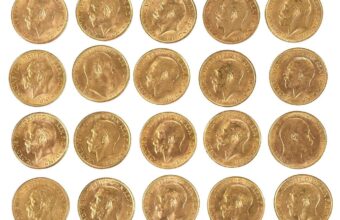

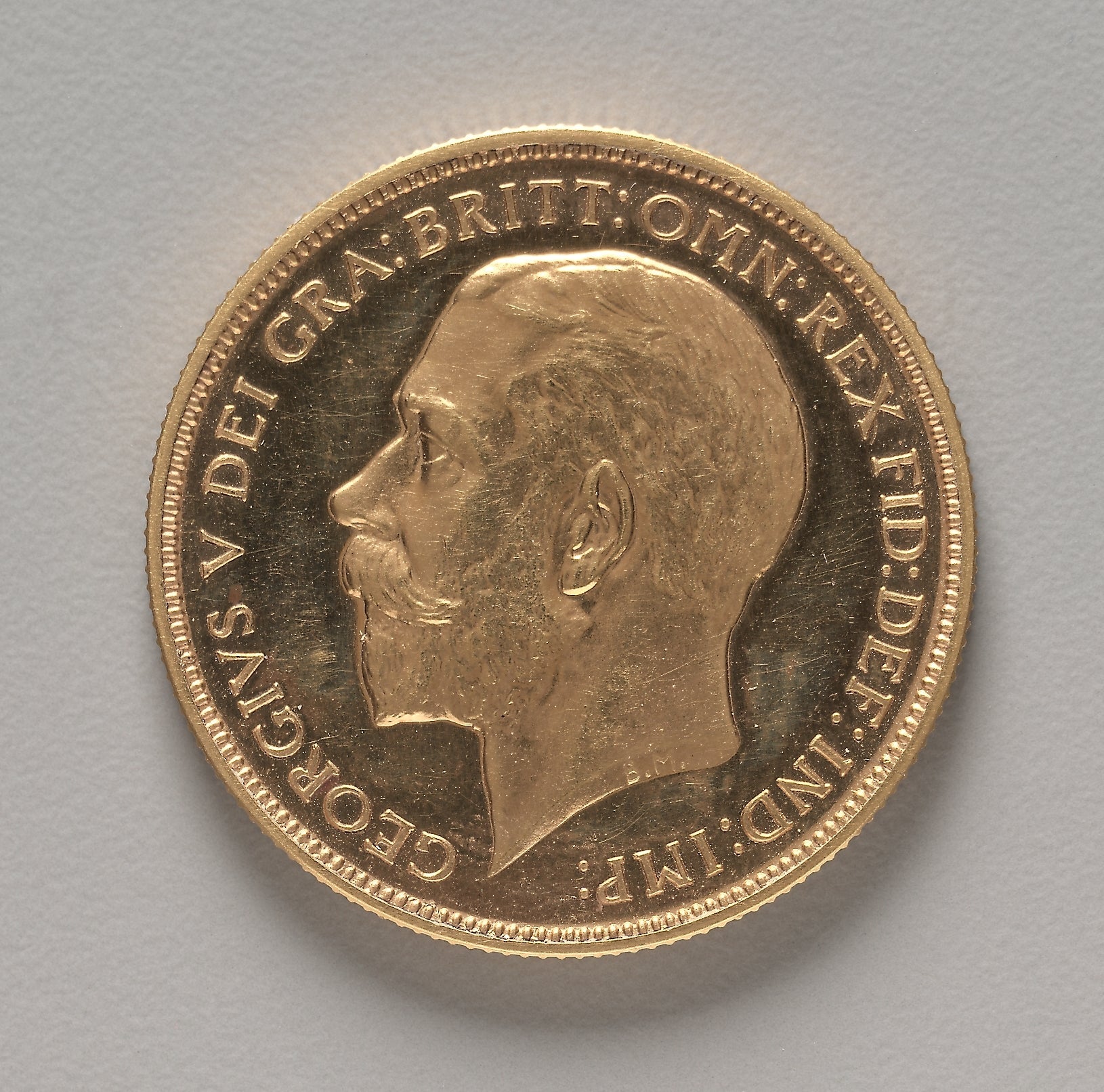
A beginners guide to coin collecting opens the door to a hobby that traces its roots back to ancient Greece, where coins were exchanged as special gifts to mark important moments. British coinage carries particular historical weight, with a legacy that spans from the first English pennies struck in silver during the seventh century through to the modern decimal system introduced in 1971. The tradition of minting coins in the UK has produced pieces in tin, bronze, silver and gold, each telling its own story about the nation’s economic and cultural development.
Note that collectable ephemera is more than a matter of age. Authentic British coins gain value through rarity, historical significance, condition and sometimes the stories they carry. A pre-decimal penny from a low-mintage year or a decimal 50p with a distinctive design can transform from simple currency into a sought-after artefact. The market reflects this shift, with collectors and investors drawn to pieces that stand out for their scarcity, design or the era they represent.
Recent years have seen steady interest in British coins, both modern and historic. The Royal Mint continues to issue commemorative pieces alongside circulating currency, while pre-decimal coins from the pounds, shillings and pence era still surface in collections and occasional pockets. This guide explains what newcomers should look for, how to verify authenticity and where to start building a collection that reflects personal interests and sound judgment.
Discover all in our:
A beginners guide to coin collecting
The following sections provide practical advice on entering the world of British coin collecting. Each topic is grounded in guidance from established authorities, including the Royal Mint, the Royal Mint Museum and long-standing UK dealers such as Chards.
Understanding British coin denominations
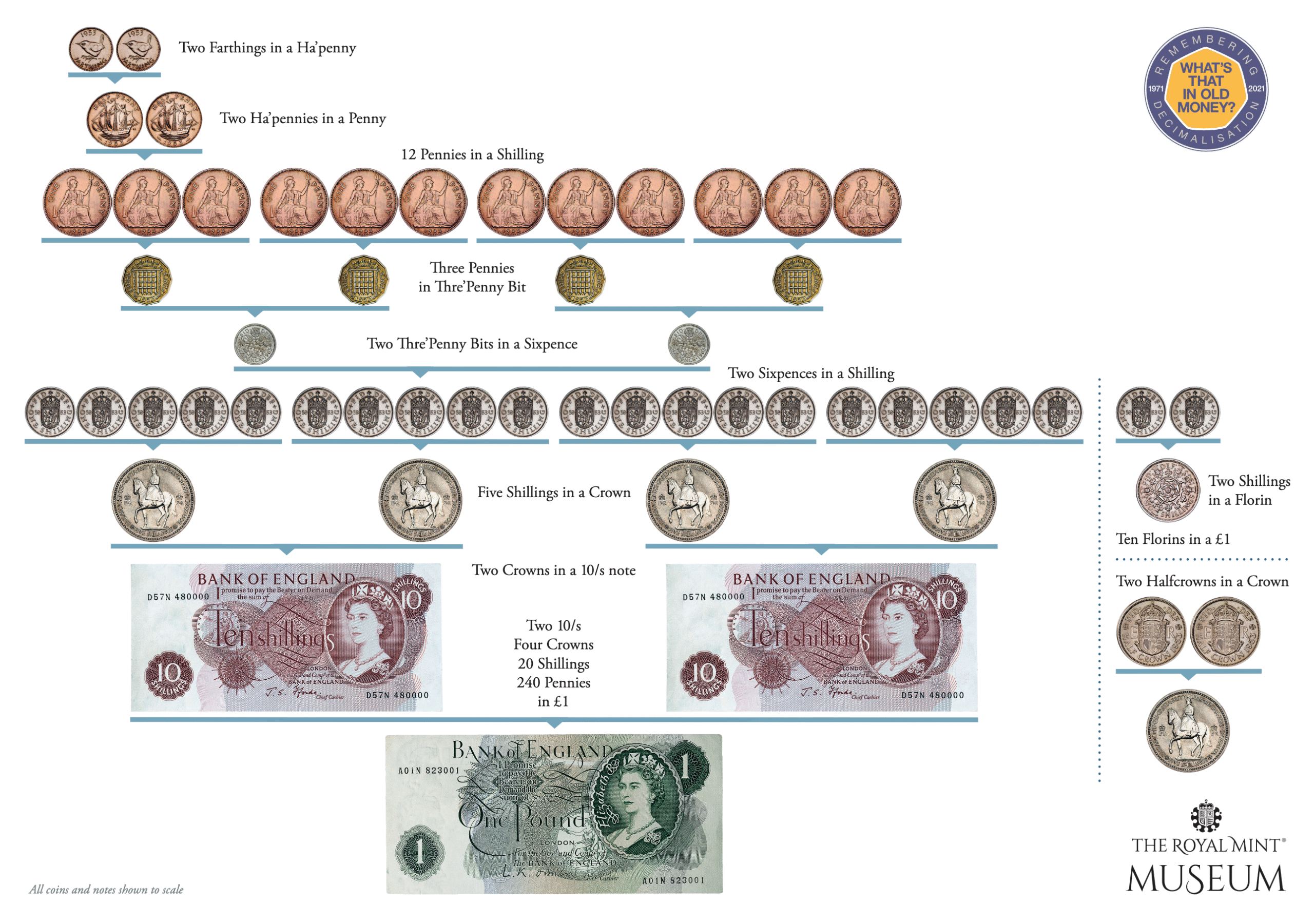
British currency has undergone significant changes, and understanding the denominations is the first step for any collector. Before 15 February 1971, the UK operated on a pre-decimal system where one pound equalled twenty shillings, and each shilling equalled twelve pence, making 240 pennies in a pound. Common pre-decimal coins included the farthing (a quarter of a penny), halfpenny, penny, threepence, sixpence, shilling, florin (two shillings) and crown (five shillings). These pieces were minted in various metals, including copper, bronze, silver and gold, depending on the denomination and period.
Decimalisation in 1971 simplified the system to 100 pence in a pound. The 5p and 10p coins were introduced in 1968, with the 1p, 2p, 50p and halfpenny following in 1971. The 20p piece arrived in 1982, the £1 coin in 1983, and the £2 coin later became a regular issue. The sixpence was withdrawn in 1980 and the halfpenny in 1984, while the 5p and 10p were reduced in size in the early 1990s, followed by a smaller 50p in 1997. Today, circulating UK coins include the 1p, 2p, 5p, 10p, 20p, 50p, £1 and £2 denominations, each with its own specifications and design history.
What to look for in a coin
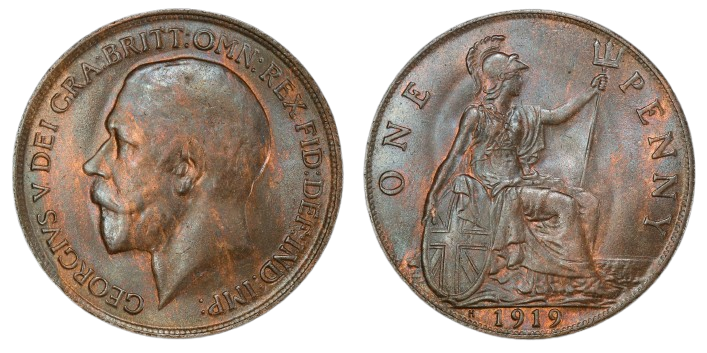
Condition is the primary factor that affects a coin’s value and desirability. Examine each piece for wear, scratches or damage such as bagmarks and edge knocks. While some circulation wear is expected, excessive damage will reduce a coin to its face value or even scrap metal value. Certain toning can be attractive to collectors, but corrosion will decrease value. If a coin retains its original mint lustre, this is highly prized, as lustre cannot be restored once lost. Higher grades command higher prices, so learning to assess condition is essential.
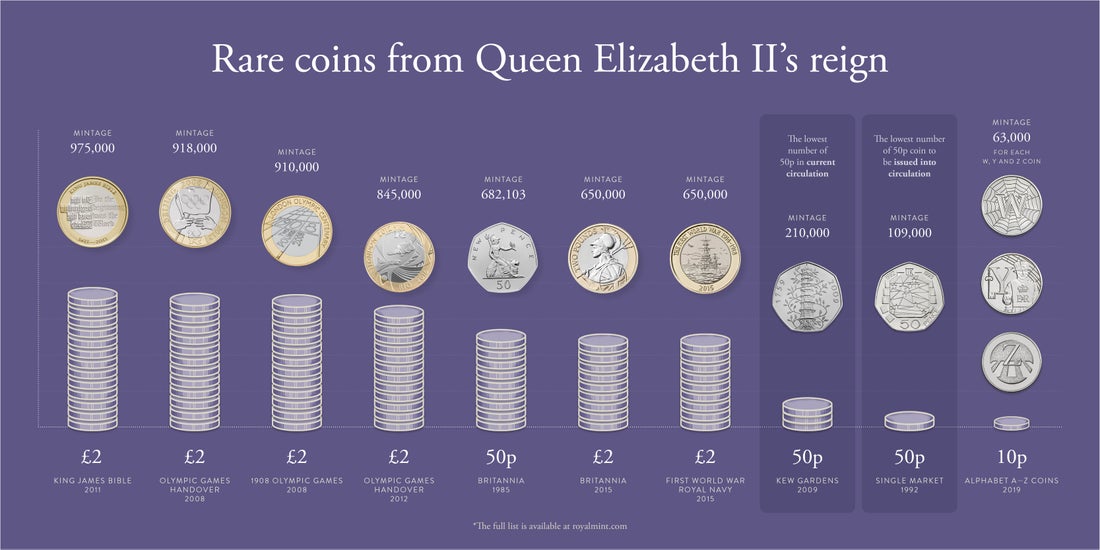
Beyond condition, consider the coin’s appeal. If a piece does not attract you, it is unlikely to appeal to other collectors. The market contains far more coins at scrap or face value than those that achieve premium prices in uncirculated condition. Rarity also plays a crucial role, with low-mintage issues, errors and special designs often commanding higher values. For modern coins, those struck in precious metals or with limited mintages can be particularly valuable.
How to check authenticity
Authenticating coins requires careful examination and reference to authoritative sources. To the untrained eye, it can be difficult to tell if a coin is genuine. Investing in precise scales and callipers allows you to weigh and measure pieces, then compare these dimensions against official specifications. While weight and size alone do not guarantee authenticity, discrepancies can indicate a forgery. The Royal Mint provides detailed specifications for all UK coins, which serve as a reliable reference point.
Additional verification methods include checking for the official Royal Proclamation, which confirms a coin’s status as legal tender. For proof editions, a certificate of authenticity should accompany the piece. When in doubt, consult reputable dealers or use professional authentication services. The Royal Mint offers authentication and valuation services for pre-decimal British coins, providing expert assessment for those seeking certainty. Only buy from established, trustworthy sources to minimise the risk of acquiring counterfeit pieces.
Setting collecting goals
Before purchasing, decide what you want to achieve with your collection. Are you collecting for pleasure, historical interest or potential investment? Most coins carry a premium over their intrinsic value, and only a small number achieve significant appreciation. Setting clear goals helps focus efforts and manage expectations. Some collectors specialise in a particular monarch, era or denomination, while others pursue thematic collections such as commemorative issues or coins featuring specific designs.
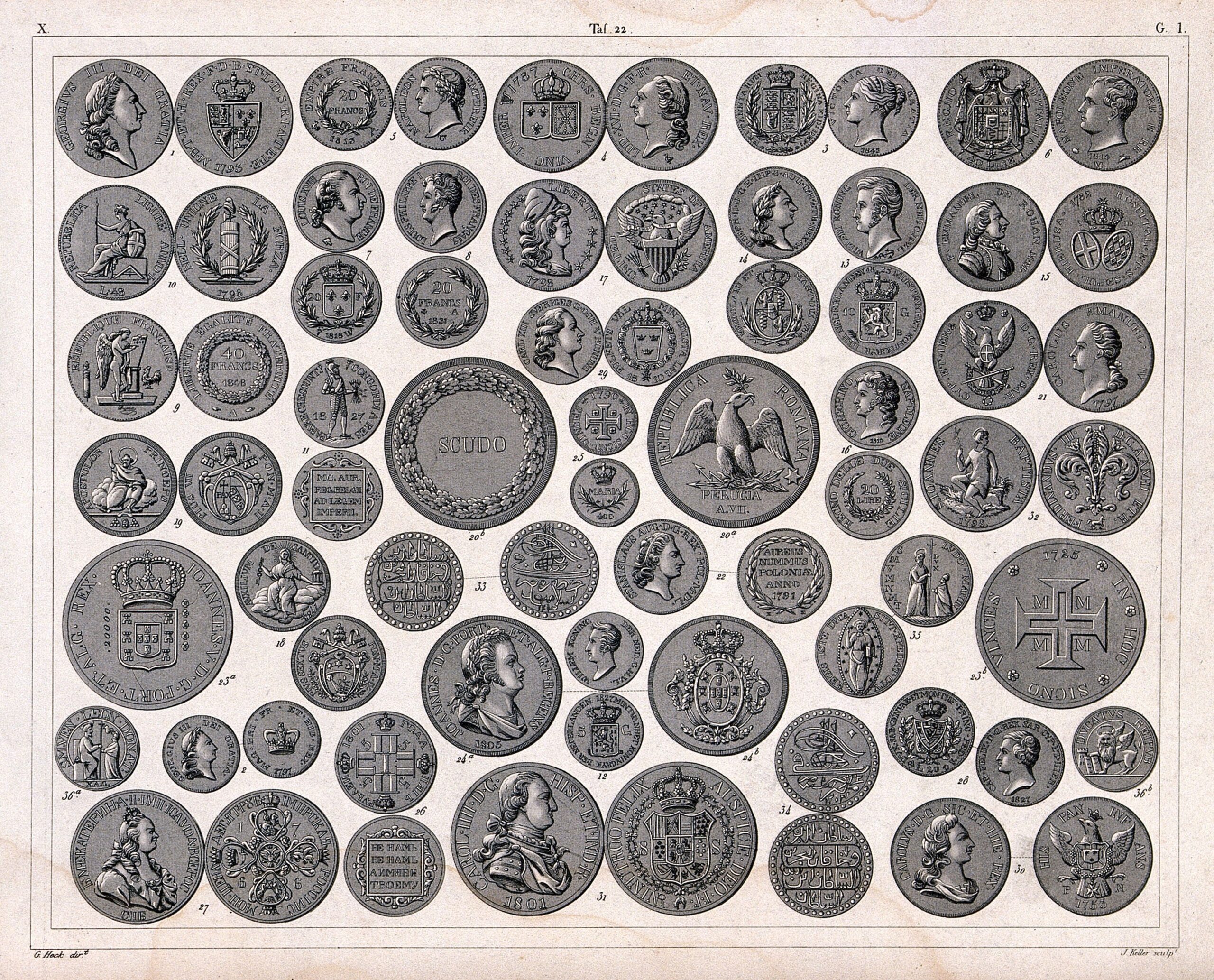
Popular collecting themes include denomination sets, where you acquire one coin issued each year, or type sets that feature a particular portrait across different years. Thematic collections might focus on Britannia designs, royal jubilees or other significant events. Modern commemorative coins often celebrate cultural moments, historical anniversaries or national symbols, offering a way to connect with specific interests. Ancient and foreign coins present additional options but require extra vigilance regarding forgeries and replicas.
Where to find coins
Many collectors begin by examining the coins already in their possession. Check change in wallets, purses, money jars and drawers, as these often contain a surprising variety of dates and denominations. Sorting them by country, year and denomination reveals patterns and potential starting points for a collection. If you have inherited a collection, examine its contents carefully, as it may contain valuable pieces alongside everyday currency.
For the more adventurous, exploring surroundings like beaches or parks with a metal detector can uncover hidden treasures and valuable dropped coins waiting to be found.
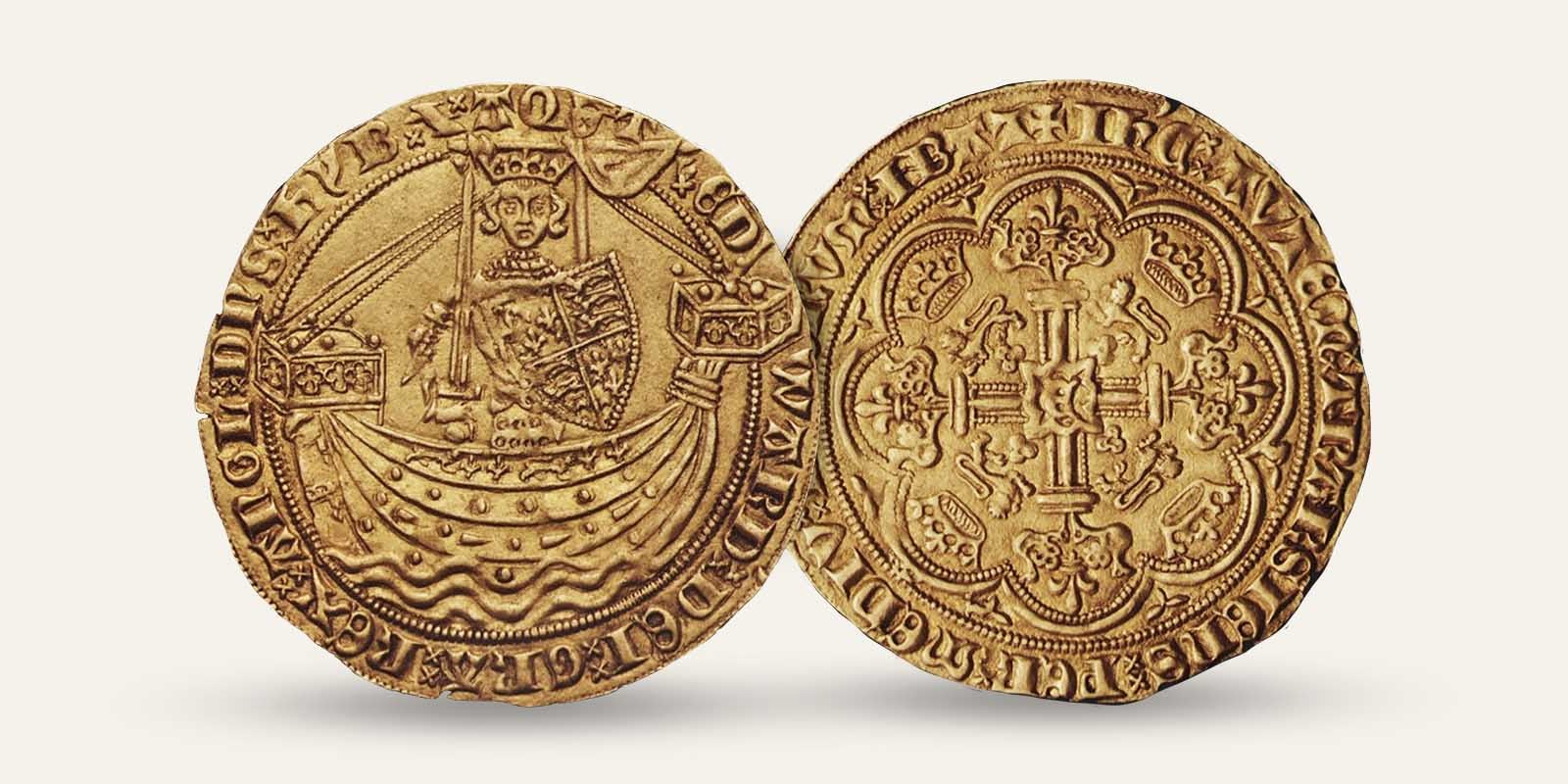
Beyond personal holdings and active hunting, coins can be acquired from reputable dealers, both online and at physical shops. Coin fairs offer opportunities to view multiple collections in one place and speak directly with experts. Online marketplaces provide convenience but require extra diligence to verify seller reputations and coin authenticity. Auctions, both traditional and online, can yield interesting finds, though bidding requires discipline and research to avoid overpaying.

Grading and condition assessment
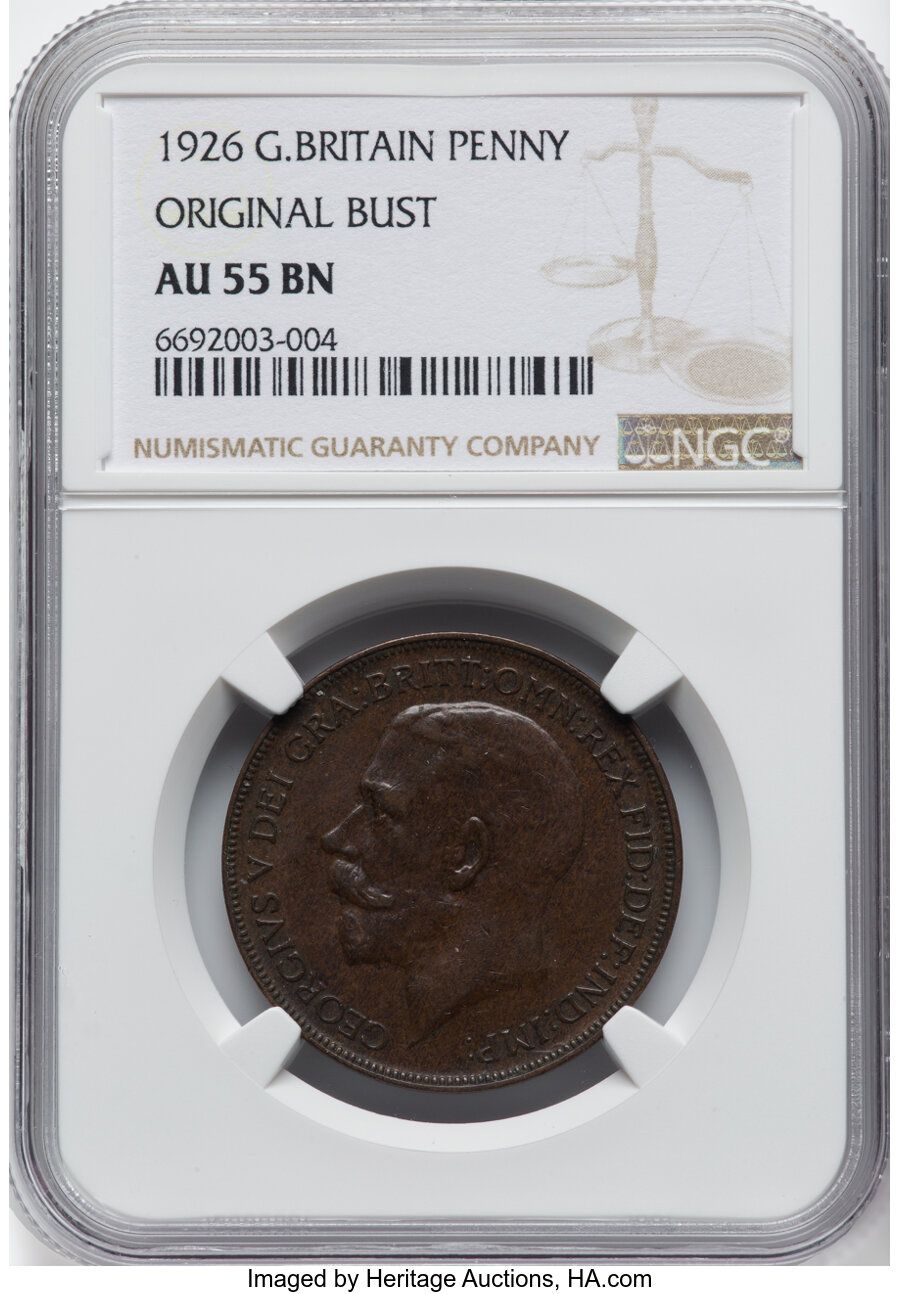
The British grading system uses descriptive terms to categorise coin condition, including categories such as Fine, Very Fine and Uncirculated. This system differs from numerical scales like the Sheldon Scale used in other countries. Understanding these grades helps collectors assess value and make informed purchasing decisions. Higher grades indicate coins with minimal wear and full detail, while lower grades reflect more significant circulation damage.
Grading is not merely academic; it directly affects market value. A coin in Uncirculated condition can be worth many times more than the same piece in Good condition. Learning to grade accurately takes practice, and reference materials such as the Spink catalogue or Krause publications provide valuable guidance. Many collectors also benefit from handling a variety of coins to develop an eye for the subtle differences that separate one grade from another.
Looking after your collection
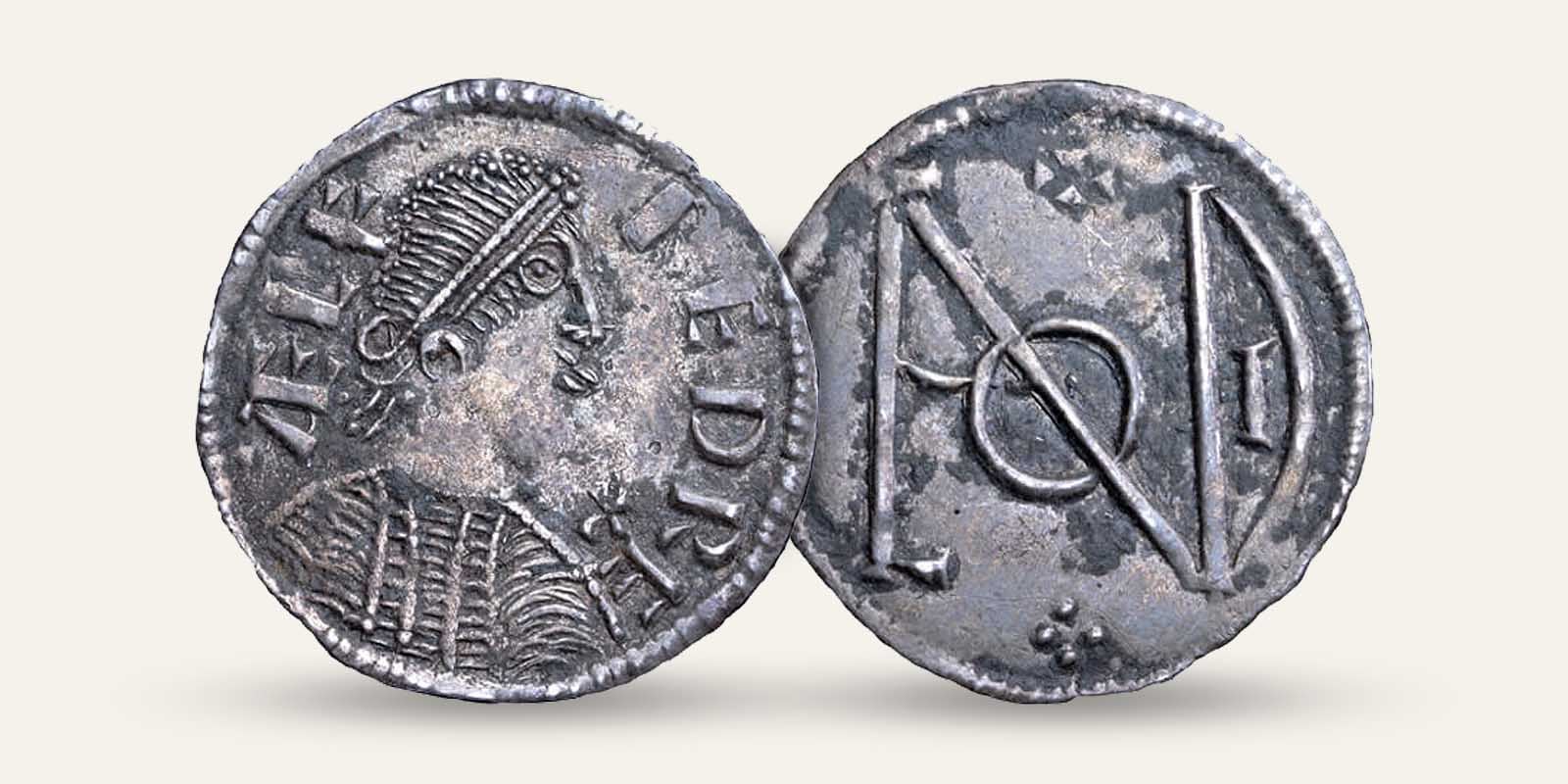
Proper storage preserves both the condition and value of a collection. Even minor bagmarks and scratches can reduce coins to face value, so handling them carefully is essential. Start with simple storage methods such as individual paper envelopes or wrapping coins in soft fabric before placing them in a tin. As a collection grows and potentially increases in value, consider upgrading to albums, plastic capsules or purpose-made coin trays and cabinets. Maintain a dry environment, as moisture can cause toning and corrosion over time.
Useful tools for collectors include a magnifying glass for examining details, a jeweller’s tray or soft cloth for viewing coins, and a plastic ruler for measuring dimensions. Cotton gloves are recommended when handling bronze and copper coins to prevent skin oils from causing damage. Good lighting is also essential for accurate examination. Reference books and online resources provide additional context and help with identification and valuation.
Identifying coins
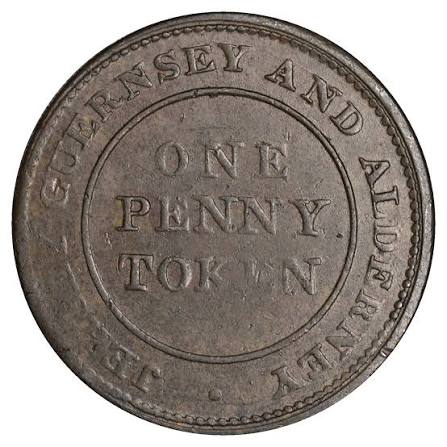
Most coins are designed to be easily recognisable, but older and foreign pieces can present challenges. To identify a coin completely, determine its country of origin, metal composition, denomination, date, design and whether it is a coin or medallion. Additional characteristics such as language, diameter, thickness, weight, colour and magnetism can provide crucial clues. The country of origin is often the most important starting point, as this narrows the field considerably.
For British coins, inscriptions typically appear in Latin or English, with Latin used extensively on pre-decimal pieces. The metal and colour provide further information, though modern coins often use alloys that differ from their historical counterparts. Dates and numerals require careful reading, and some coins may use different calendar systems or numeral styles. Coins without a face value inscribed are usually medallions rather than legal tender, though there are exceptions.
Practical buying advice
When purchasing coins, research is essential to ensure fair pricing and authenticity. Compare prices across multiple dealers and reference catalogue values to understand market rates. Be wary of sellers offering coins at prices that seem too good to be true, as these may be counterfeit or misrepresented. Reputable dealers with long-standing reputations, such as those accredited by the British Numismatic Trade Association, provide greater security for buyers.
For those hoping to invest, approach coin collecting with caution. While some pieces appreciate significantly, the majority of coins will not yield substantial returns. The condition, rarity and historical significance are the primary drivers of value, and these factors require expert knowledge to assess accurately. Before committing significant funds, seek advice from experienced collectors, dealers or professional valuation services.
Legal tender and spending limits
Understanding the legal tender status of UK coins helps collectors know which pieces remain spendable. Current legal tender limits allow payments of up to £5 using 5p and 10p coins, up to £10 with 20p or 50p coins, and up to 20p with 2p coins. The 1p coin can be used for amounts up to 20p. These limits apply to settling debts, though businesses may accept larger quantities at their discretion. Pre-decimal coins are no longer legal tender, though some older pieces may still be encountered in circulation.
The introduction of decimal coinage saw the 5p and 10p coins initially circulate alongside their pre-decimal counterparts, the shilling and florin respectively, as they shared the same size and metal content. This overlap helped ease the transition to the new system. The halfpenny, though introduced in 1971, was withdrawn in 1984, while the sixpence continued to circulate until 1980 despite its pre-decimal origins.
The lasting heritage of British coin collecting
British coin collecting continues to thrive as both a hobby and a serious pursuit. The combination of historical significance, artistic design and the tangible connection to the past ensures enduring appeal. Institutions such as the Royal Mint Museum preserve and interpret the nation’s numismatic heritage, while commercial dealers and auction houses facilitate the trade of collectable pieces. This ecosystem supports collectors at all levels, from beginners examining their change to seasoned numismatists pursuing rare specimens.
Authentication and provenance remain critical concerns in the market. As forgeries become more sophisticated, the ability to verify genuine pieces grows in importance. Reputable dealers, professional grading services and institutional resources all play roles in maintaining confidence. For those approaching coin collecting as an investment, understanding the factors that drive long-term value—rarity, condition and historical demand—provides the best foundation for building a meaningful collection.