



A beginner’s guide to coin collecting has to start with what numismatics actually means. Numismatics is the study and collection of currency, including coins, paper money, tokens and medals. The hobby’s roots go back to ancient Rome, and it gives collectors a direct connection to history through the money people actually used.
Numismatics remains a popular hobby today.
Numismatics 101: a beginner’s guide to coin collecting
This guide covers the essentials for starting a coin collection in the UK and United States.
The history of coin collecting
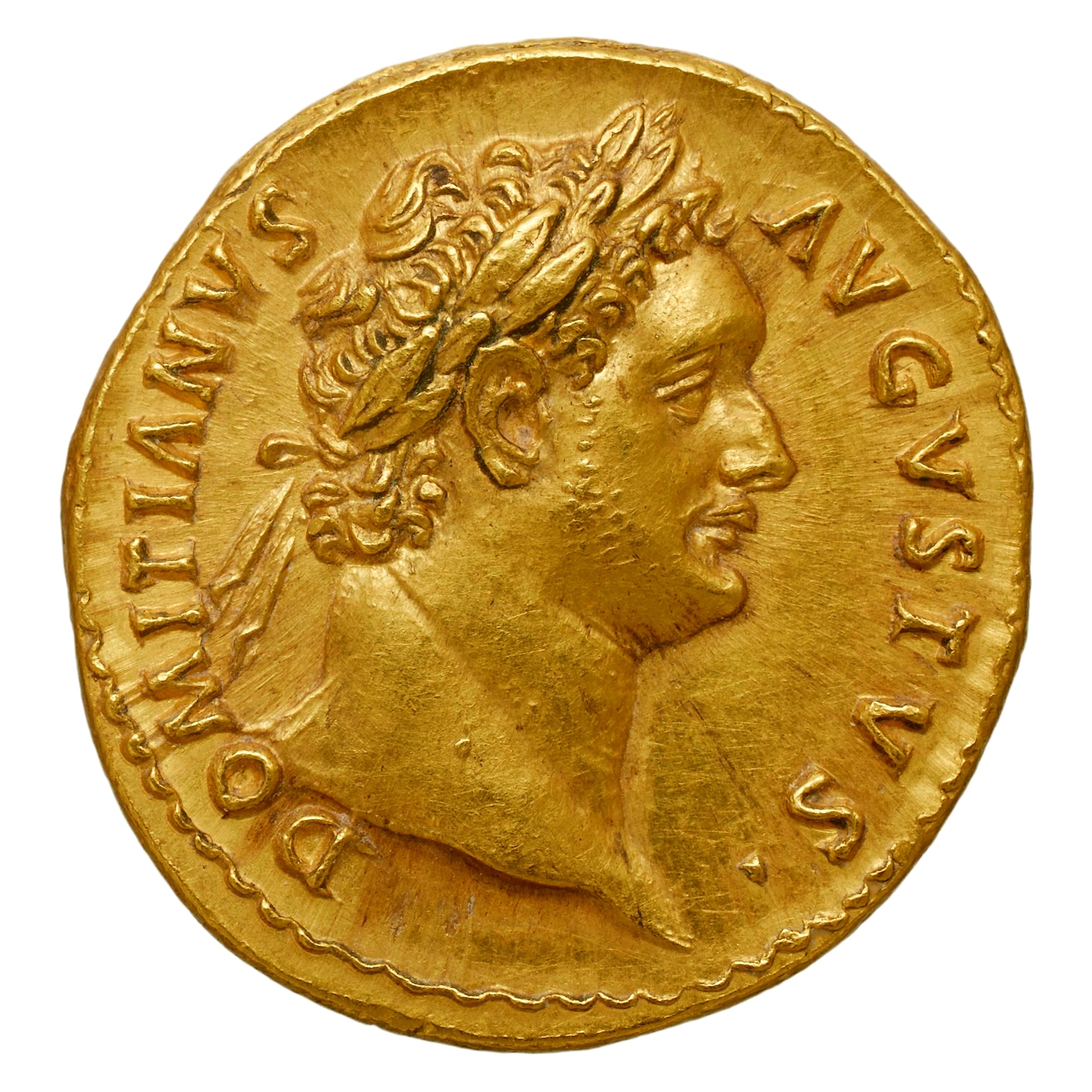
Coin collecting has a long history. Ancient Roman records show Emperor Augustus distributing coins of various designs as gifts during Saturnalia festivities. By the Renaissance, Petrarch collected Roman coins that workers dug up in vineyards. He studied the coins, bought the finest pieces, and in 1355 gave a collection to Emperor Charles IV.
The hobby developed its modern structure in the 19th century. The Royal Numismatic Society was founded in London in 1836 and soon began publishing the Numismatic Chronicle. Across the Atlantic, the American Numismatic Society was established in New York in 1858 and began producing the American Journal of Numismatics in 1866. These societies helped coin collecting grow into a serious academic discipline as well as a hobby.
Credit: Public Domain Image
British coinage explained
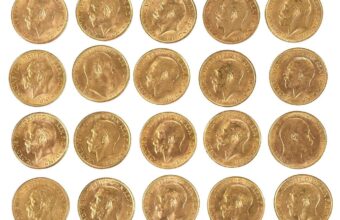
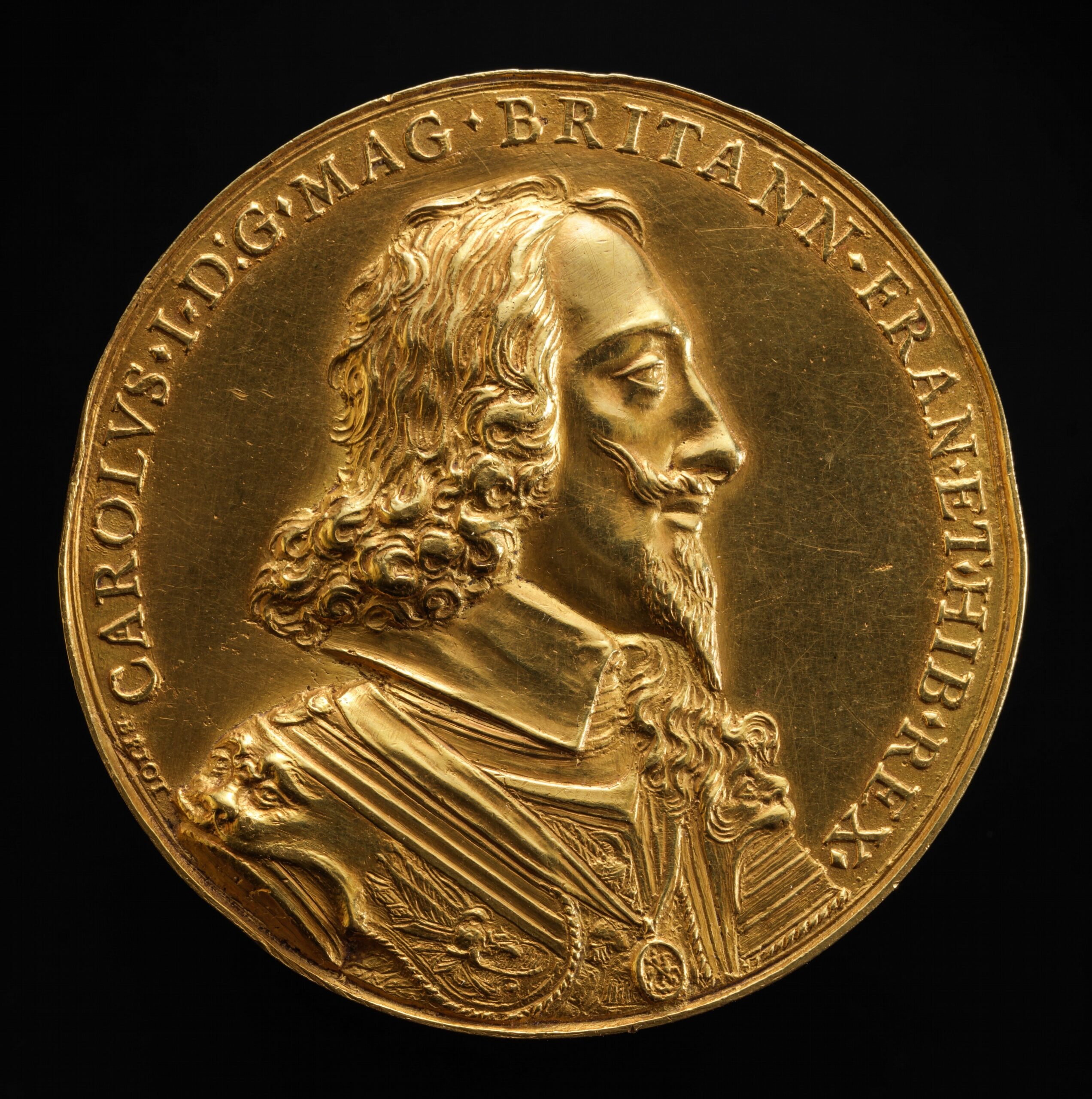
British coinage moved to a decimal system on 15 February 1971, a date known as Decimal Day. Before this, the UK used a system of pounds, shillings and pence, where 12 pence made a shilling and 20 shillings made a pound, giving 240 pence in total to one pound. Decimalisation changed this to 100 new pence to the pound, with each new penny worth 2.4 old pence.
The Royal Mint, with more than 1,100 years of history, managed this transition. To prepare the public, the Mint introduced the first decimal coins, the 5p and 10p, in 1968. These matched the size and value of the existing shilling and two-shilling coins already in circulation. The 50p coin appeared in 1969. Today, UK circulating coins include the 1p, 2p, 5p, 10p, 20p, 50p, £1 and £2 denominations.
Credit: Public Domain Image
American coinage explained
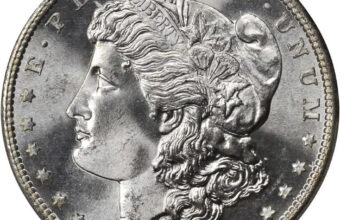
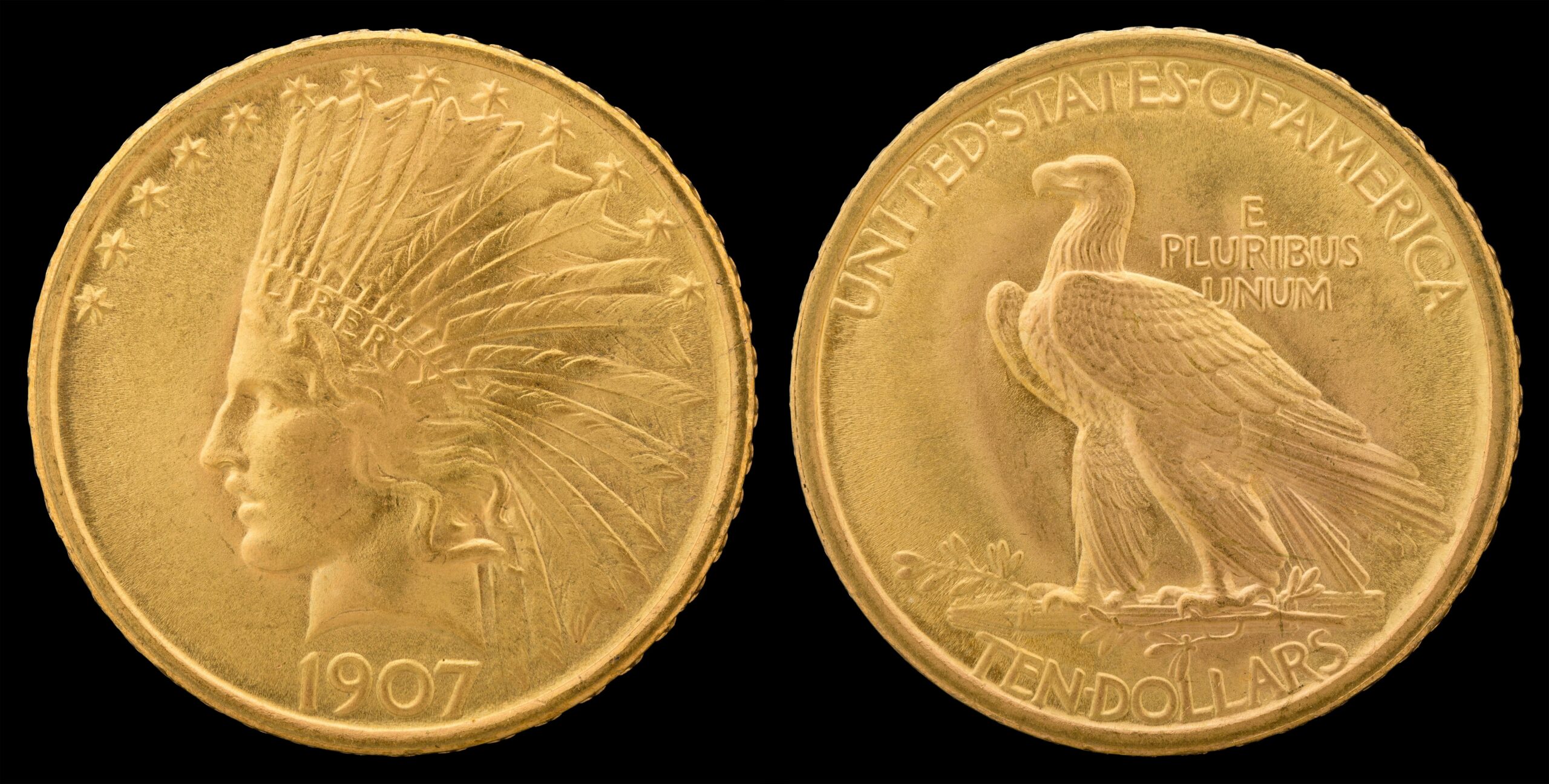
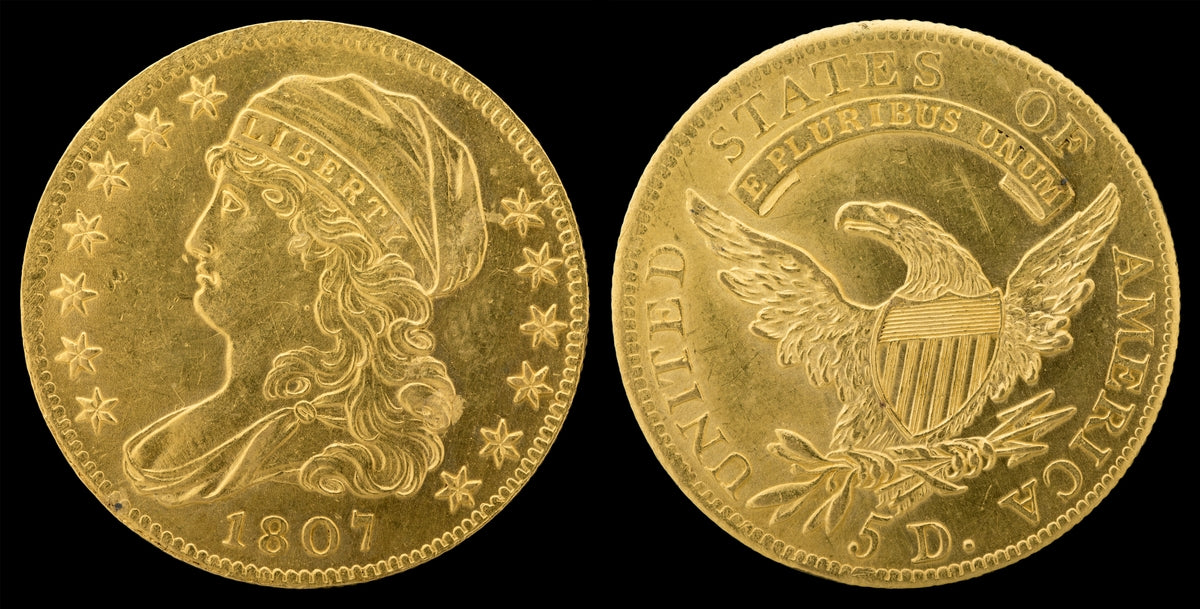
The Coinage Act of 1792 created the United States Mint. The first mint facility was in Philadelphia, then the national capital, and the US has produced coins every year since. Current circulating coins are the penny (1 cent), nickel (5 cents), dime (10 cents), quarter (25 cents), half dollar (50 cents) and dollar coin.
Four mint facilities now produce US coins. Philadelphia and Denver make most circulating coins: Philadelphia uses a P mint mark or none at all, and Denver uses D. San Francisco, marked S, produces mainly proof coins, while West Point, marked W, mostly makes bullion coins. The mint mark is a small letter near the date showing which facility made the coin.
Credit: Public Domain Image
Starting a collection
The best starting point is whatever genuinely interests the collector. Many begin by looking through their pocket change for unusual dates, mint marks or designs. Some prefer historical coins, others look for commemorative issues or pieces from specific periods. The most successful approach is usually to specialise: focusing on a particular country, era, denomination or theme tends to produce better results than trying to collect everything.
Achievable goals and a sensible budget help. Coin collecting works at any financial level, from finding interesting pieces in circulation to acquiring rare specimens. Patience matters: good collections develop over years, not weeks, so each purchase is worth thinking through carefully rather than buying coins simply to complete a set.
What new collectors need to know
Learning how to grade coins matters, because condition affects value. Grading means judging wear, detail and overall appearance. Professional services can grade coins, but learning to assess them independently builds confidence. Handle coins by the edges to avoid fingerprints on the surfaces.
The difference between bullion and numismatic value matters too. Bullion coins are valuable for their metal content, while numismatic coins gain value from rarity, condition, historical importance and collector demand. Often a collectable coin is worth far more than its face value or the value of its metal.
Finding coins
Circulation is the obvious place to start: ordinary change can turn up interesting dates, mint marks or different designs. UK collectors can find decimal coins from 1971 onwards; US collectors can turn up coins from various decades and mint facilities.
Coin dealers offer a wider range than circulation alone. Coin shows and conventions let collectors see many pieces at once, meet dealers and talk with other collectors. Online sites offer extensive choice but need careful research to verify authenticity and fair prices.
Joining an organisation is worth considering. The American Numismatic Association offers educational programmes, publications and events. In the UK, the Royal Numismatic Society and local coin clubs provide similar resources, and both are good places to learn and meet fellow collectors.
Mistakes to avoid
Never clean coins. Cleaning can damage surfaces and remove the natural patina collectors value; harsh methods can scratch or alter the appearance and destroy value.
Buying without research is a common mistake. Learning about grading, pricing and market conditions before making major purchases matters, since rushing often leads to overpaying or buying coins that do not suit a collector’s goals.
Proper storage matters too: coins need the right holders, protection from moisture and extreme temperatures, and no contact with PVC materials, which can damage the surfaces over time.
Building a good collection
Quality beats quantity. A small group of well-chosen, high-grade coins usually gives more satisfaction, and often holds its value better, than a large set of common pieces.
Judgement develops through examining many coins: attending shows, studying reference books and talking with experienced collectors all help sharpen an eye for what makes certain pieces more desirable.