



The pop art market is a fascinating, high-stakes ecosystem, and understanding it begins with seeing how Andy Warhol, Keith Haring and Jean-Michel Basquiat transformed everyday imagery into some of the most coveted and expensive art of the 20th century. Their works redefined what art could be, pulling from advertisements, graffiti and consumer culture to create a visual language that commands tens of millions at auction today.
The market for pop art has grown substantially, marked by record-breaking auction prices and fierce demand. For art enthusiasts and market observers, the key is understanding exactly what elite collectors are looking for—from the hierarchy of limited edition prints versus major paintings, to the stringent, often complex processes used to verify authenticity.
Discover what drives the high-end market in our guide:
What is pop art
Pop art describes a movement that emerged in 1950s Britain and 1960s America, taking its name from the popular culture it embraced. Artist Richard Hamilton famously defined it as popular, transient, expendable, low-cost, mass-produced, young, witty, sexy, gimmicky, glamorous and big business. This represented a radical departure from abstract expressionism, with hard edges and bold colours replacing painterly abstraction.
The movement first took shape in London with the Independent Group, while in America it flourished against the 1960s cultural backdrop with Warhol and Roy Lichtenstein leading the way. These artists appropriated advertisements, product packaging, comic books and Hollywood imagery, bringing everyday subject matter into fine art. Its legacy extends to the 1980s neo-pop of Haring and Basquiat, whose democratic ethos broke down barriers between high and low culture.
Credit: Sotheby’s
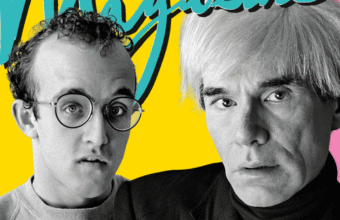
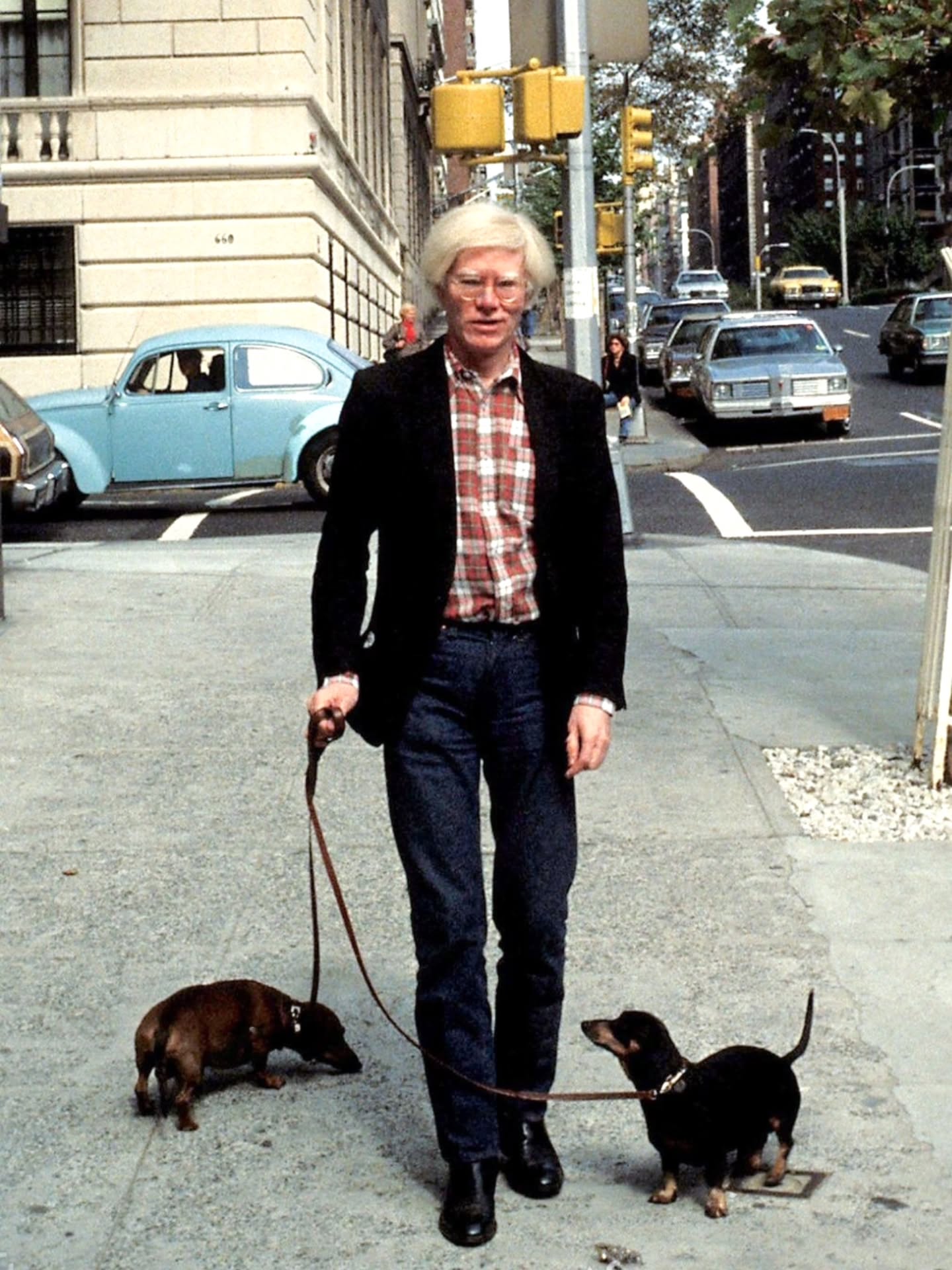
Andy Warhol: the accessible superstar
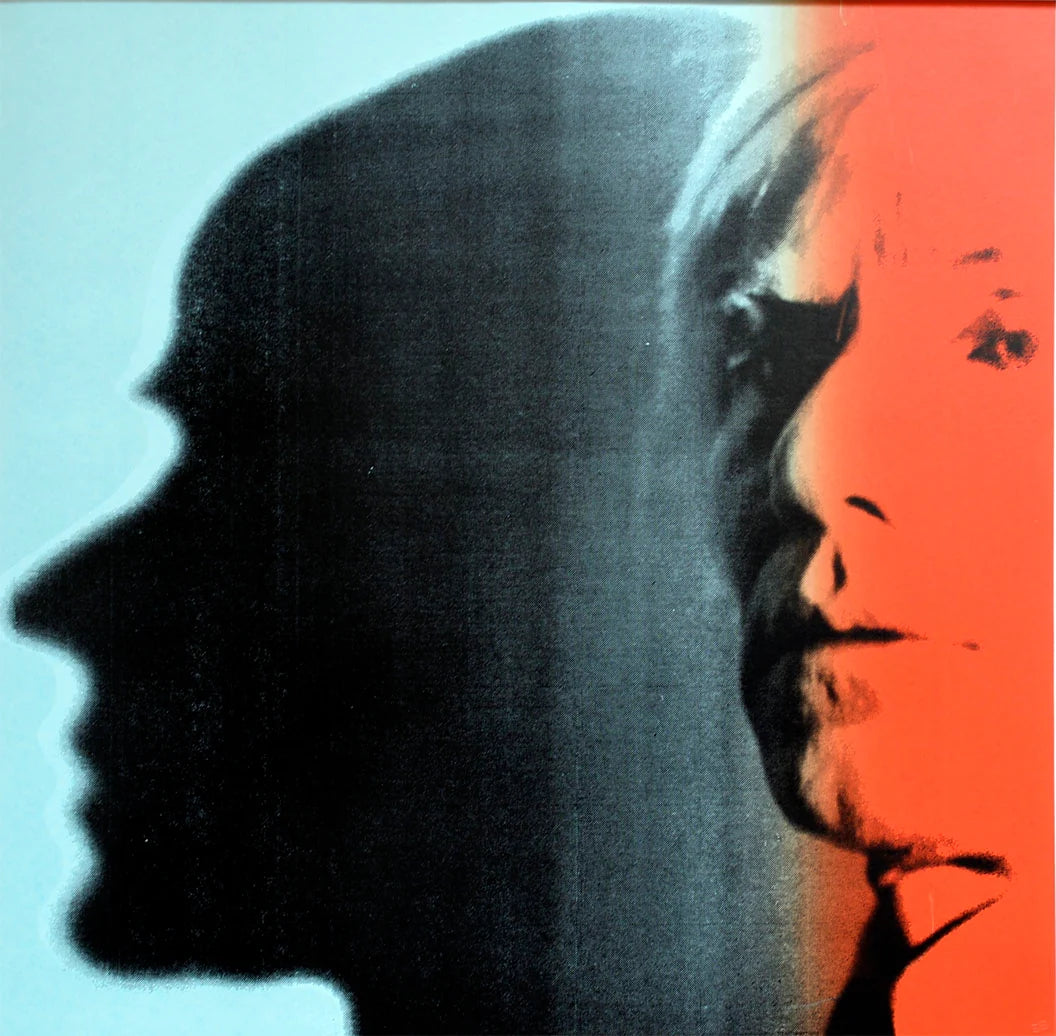
Andy Warhol remains pop art’s most famous name, his career beginning as a commercial artist before he became king of New York’s avant-garde. His Campbell’s Soup Cans and Marilyn Monroe screenprints define 20th-century art, using mass production techniques to both celebrate and critique consumerism.
Warhol’s approach to printmaking made his work accessible at various price points. In 1967 he launched Factory Additions, a publishing company creating works on paper at a range of prices. His major series include Marilyn, Campbell’s Soup I and II, Flowers and Myths, with recent estimates for Myths prints ranging from £12,000 to £56,000. His Shot Sage Blue Marilyn sold for £156 million at Christie’s New York in 2022, making it the most expensive 20th-century artwork ever sold at auction.
Credit: Sotheby’s
Keith Haring: from subway to auction house
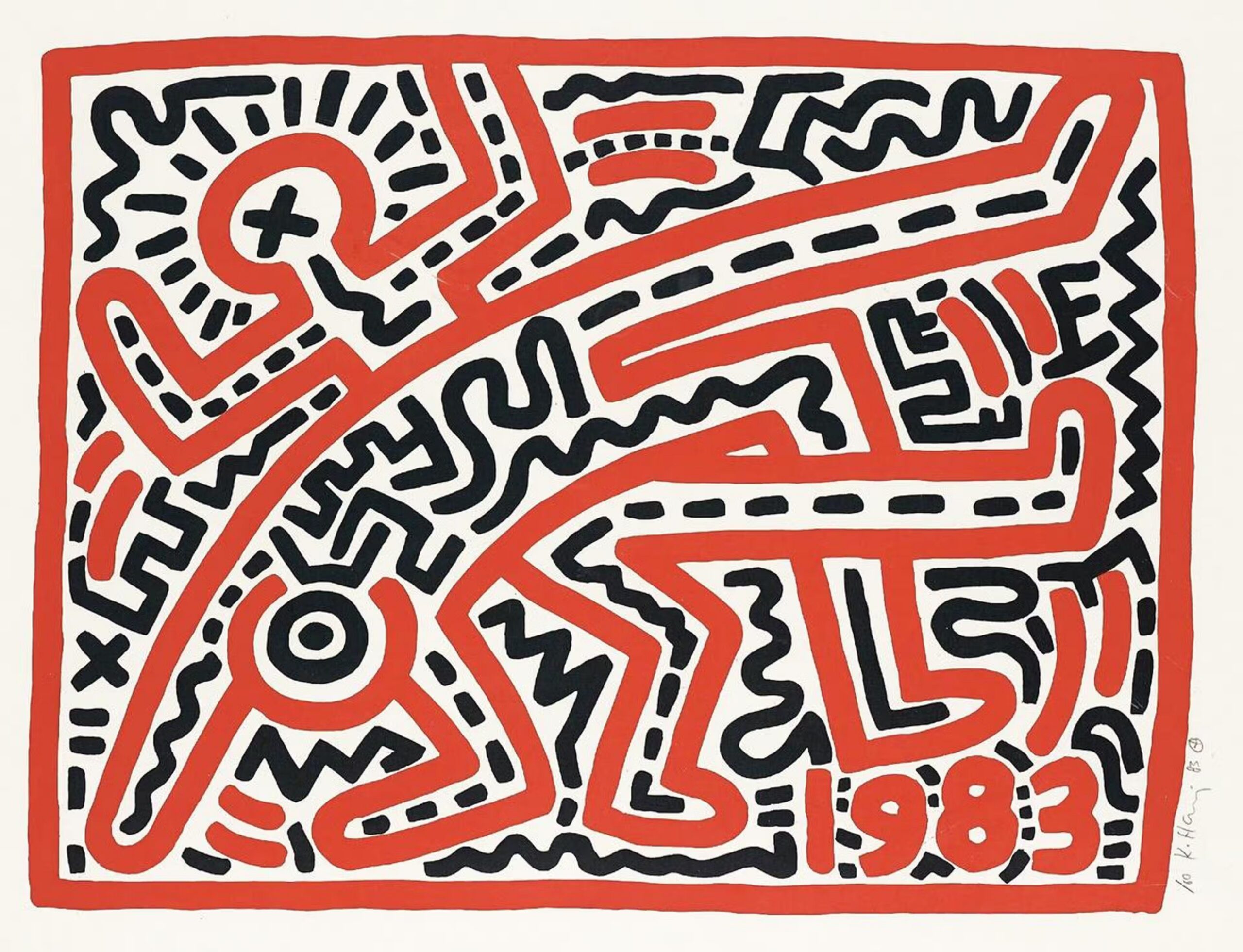
Keith Haring’s journey from New York subway artist to international star exemplifies pop art’s accessibility. Born in 1958, he developed his signature style of radiant babies, barking dogs and dancing figures while creating chalk drawings on empty subway advertising spaces. His bold graphic work carried universal themes expressed through simple lines and bright colours.
Haring’s market shows strong performance. According to Sotheby’s Mei Moses index, his works achieved an average compound annual return of 13.3% between 2003 and 2017, with 91.9% of 74 resold works increasing in value. The current auction record stands at over £5 million ($6.5 million) for an untitled piece. His prints and drawings offer accessible entry points, with signed works available through major auction houses.
Credit: Sotheby’s
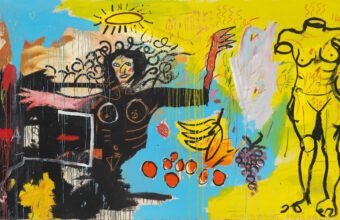
Jean-Michel Basquiat: the raw talent
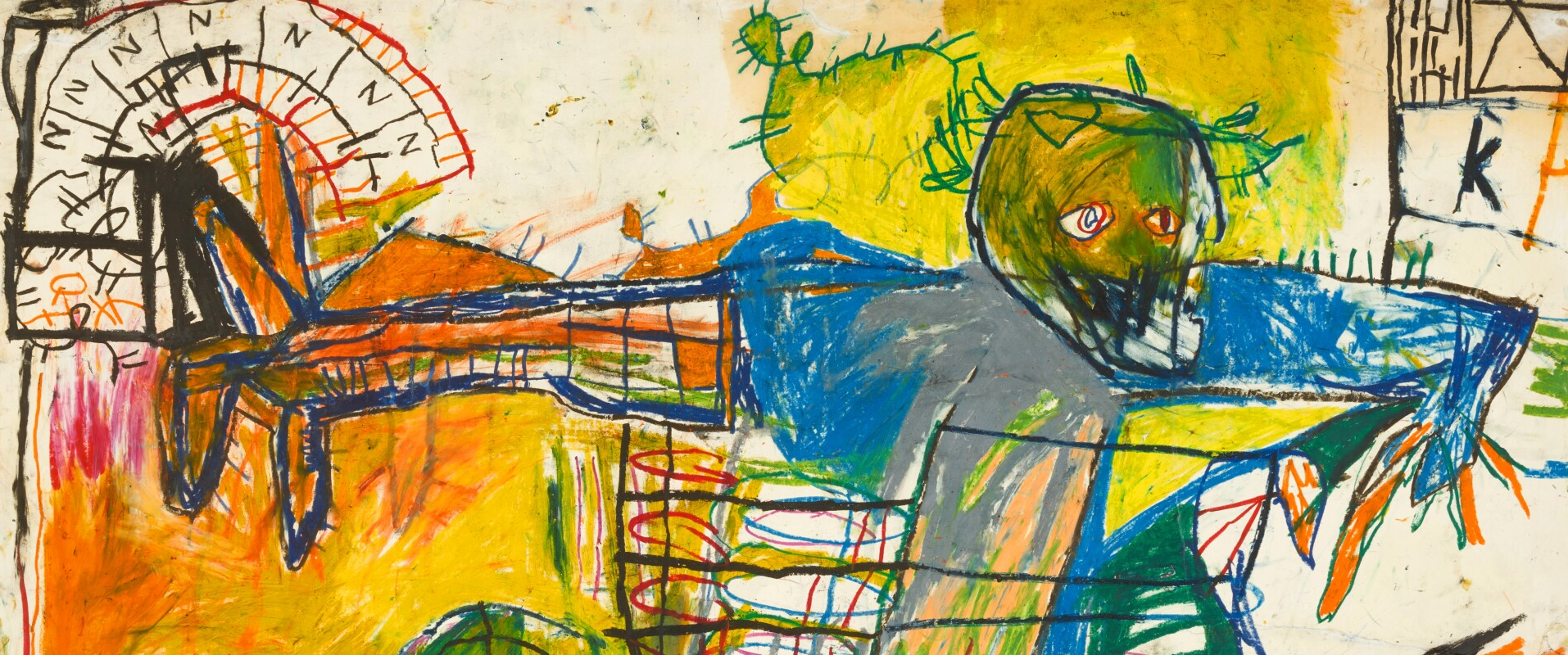
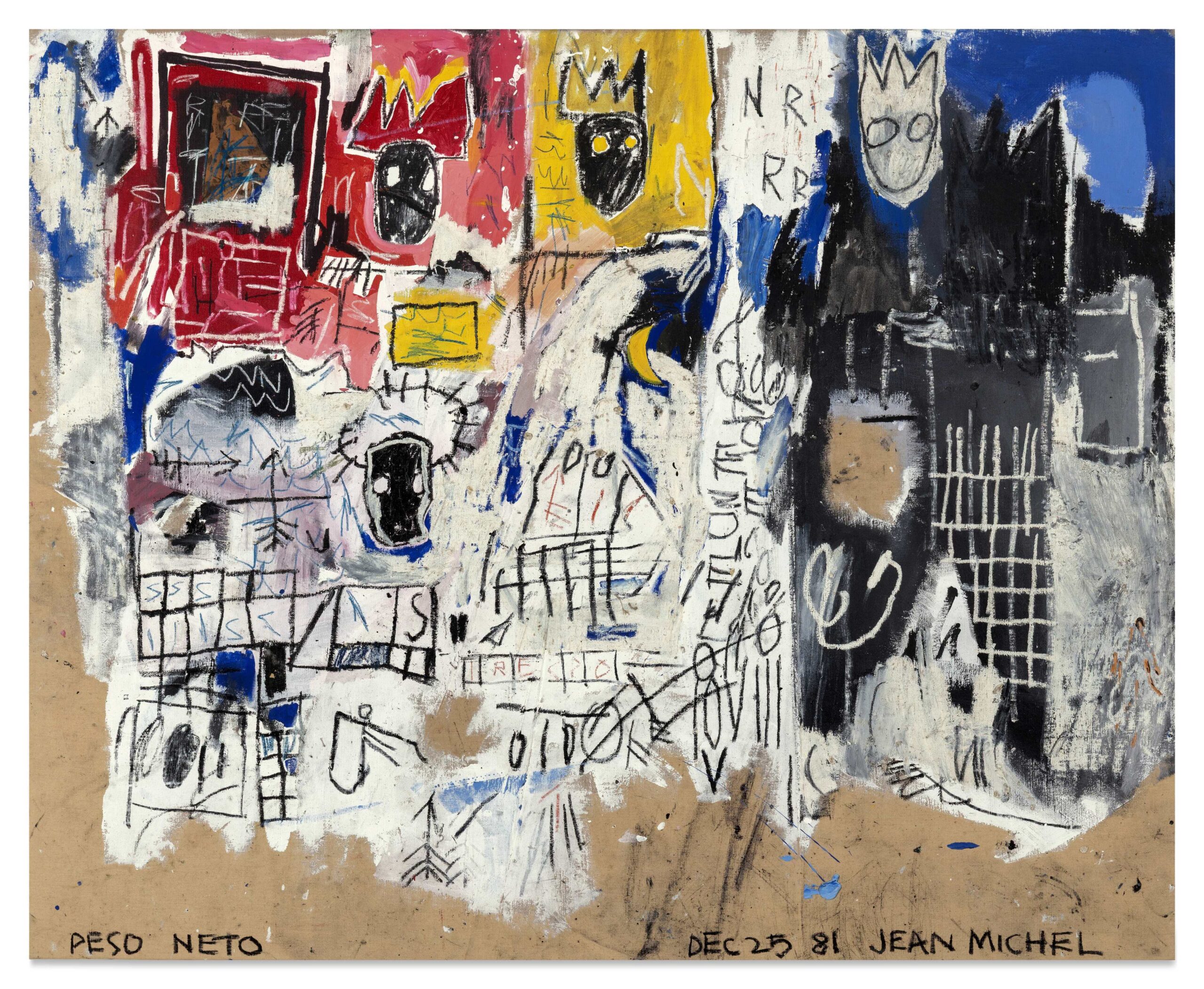
Jean-Michel Basquiat emerged from New York’s downtown scene in the late 1970s to become one of his generation’s most influential artists. His neo-expressionist works combine anatomical diagrams, charged words, cryptic phrases, numerals and pictograms with references to African history and African-American culture. This complex layering creates visually striking, psychologically powerful artworks.
Basquiat began as a street artist under the tag SAMO before his first solo exhibition in 1982. By the mid-1980s he collaborated with Warhol. His Untitled painting from 1982 sold for £85 million at Sotheby’s New York in 2017, setting a record for the highest auction price for an American artist. According to Sotheby’s Mei Moses, Basquiat works achieved 17.4% average annual returns between 2003 and 2017, with 96.5% of 171 resold pieces increasing in value.
Credit: Sotheby’s
How collectors enter the market
Prints and multiples provide the foundational entry points for collectors. Warhol’s Factory Additions prints, Haring’s signed lithographs and Basquiat’s screen-prints appear at auction with estimates from a few thousand to tens of thousands of pounds depending on size and provenance. The primary market through galleries offers another route, though with higher prices and longer waiting lists.
Secondary market auctions provide immediate opportunities. Major houses like Christie’s, Sotheby’s and Phillips hold regular contemporary art sales. Buyers build knowledge before acquiring works by attending auctions, visiting exhibitions and studying provenance. Works with clear ownership history and documentation command higher prices and are easier to resell.
Authentication and provenance
Provenance is the most important factor in pop art collecting. Strong documentation, exhibition history and ownership records ensure higher values and easier resale. Historically, Warhol and Basquiat estates issued certificates, but both authentication boards permanently disbanded in 2012. Today, collectors must rely on the established catalogue raisonné (the comprehensive list of all known works), clear provenance, and recognised independent gallery experts. Haring’s early works often come with photographs, and careful provenance tracking is essential across the board.
Unfortunately, the market is filled with fakes. Major auction houses employ specialists to identify problematic pieces. Buyers always request a condition report, as works on paper can be sensitive to light and humidity, with screenprints potentially showing fading or ink damage that affects value.
Where collectors buy and market economics
The major auction houses remain the most reliable places to purchase authenticated pop art. Christie’s, Sotheby’s and Phillips provide detailed cataloguing, condition reports and authenticity guarantees. Specialist dealers and galleries offer more personal service, while established online platforms now match their live auction standards.
Newer collectors often begin with limited edition prints in the £2,000 to £10,000 range. Mid-level budgets of £10,000 to £100,000 cover larger prints or drawings, while paintings reach tens of millions. Buyers must also factor in auction premiums of 25-30% plus framing, insurance and specialised storage costs. Some collectors focus on specific series like Warhol’s Myths or Haring’s radiant babies, while others collect across the pop art spectrum.
The investment case for pop art
The numbers tell a compelling story. Basquiat’s works show 17.4% average annual returns with 96.5% of resold pieces increasing in value. Haring demonstrates similar strength with 13.3% returns and 91.9% appreciation. Warhol’s blue-chip status ensures consistent demand, with prints offering scalable entry to his market.
What sustains demand is pop art’s enduring cultural resonance. These works capture down-town New York’s energy in the 1960s, 70s and 80s, addressing themes of celebrity, consumerism and social change that remain relevant. As new generations discover these artists, the market continues to expand, with younger high-net-worth individuals particularly drawn to Haring and Basquiat’s visual impact and social consciousness.