



Collecting Andy Warhol and Keith Haring rarely starts with a painting. Christie’s sold Warhol’s Shot Sage Blue Marilyn for £158 million in May 2022, the most expensive painting from the twentieth century ever to sell at auction, and Sotheby’s set Haring’s own auction record at around £5 million in 2017. Neither figure describes how most people enter this market. The paper trail both artists left behind, signed catalogues, photographs, posters and drawings, sits in a more realistic part of the market for a new collector to research and buy into.
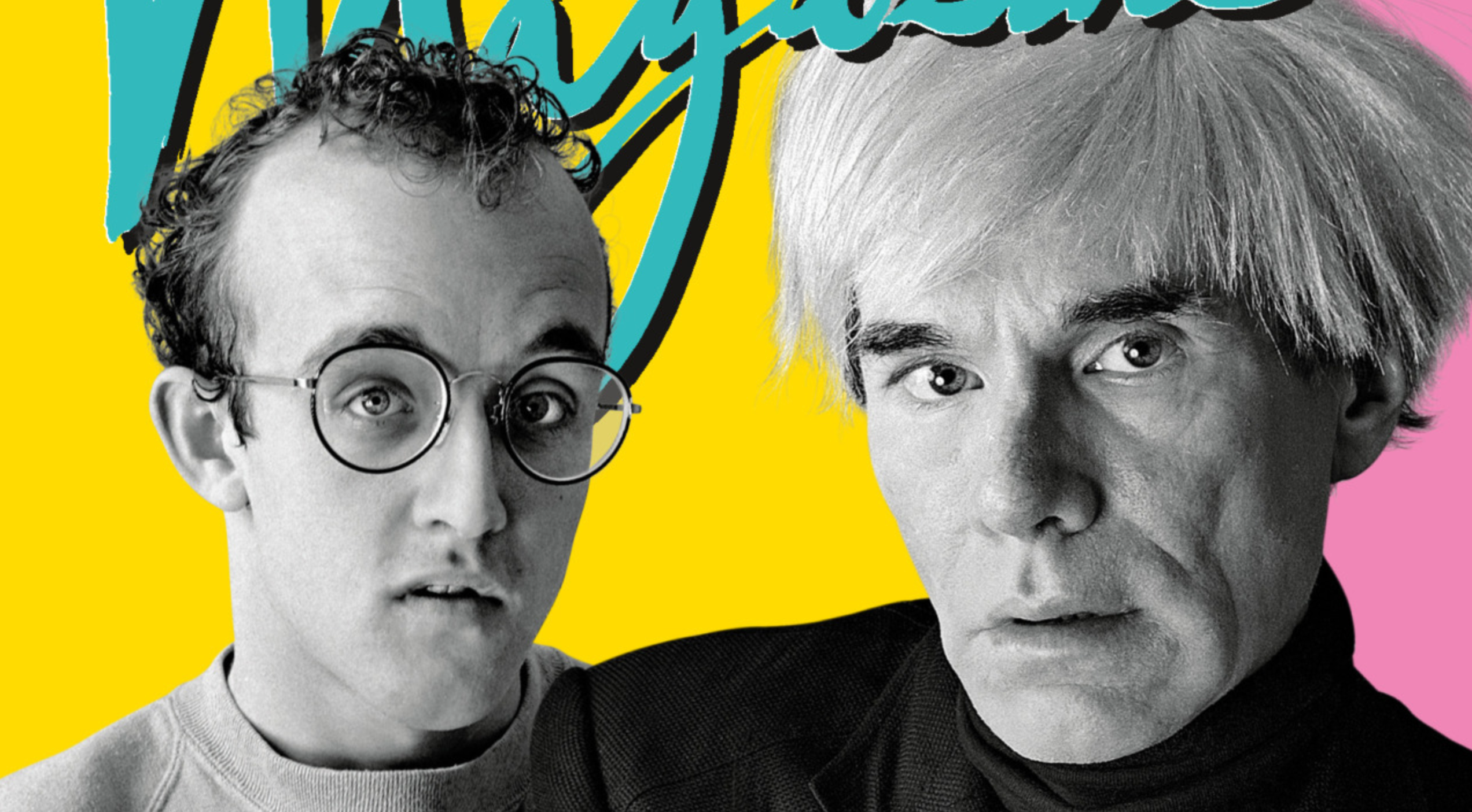
The two are worth collecting alongside each other because they were friends, not just contemporaries. Haring and Warhol met at the Shafrazi Gallery in late 1982, at the closing party for one of Haring’s own shows, and the friendship that followed lasted until Warhol’s death in February 1987. When Haring opened the Pop Shop in 1986 to sell his designs directly to the public, Warhol supported the venture by making a line of T-shirts for it. Haring never hid how much he owed the older artist: “Andy’s life and work made my work possible. Andy set the precedent for the possibility for my art to exist.”
That habit, putting work into ordinary hands rather than behind a gallery desk, is why signed material from each artist changes hands at every price point from a few hundred pounds to tens of thousands. This guide covers what that material looks like, what to check before buying it, and several verified examples from a UK specialist dealer.
Discover all in our:
Pop art 101: how to start collecting Andy Warhol and Keith Haring
What a Warhol or Haring painting actually costs
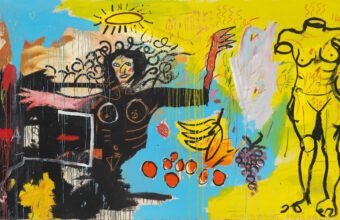
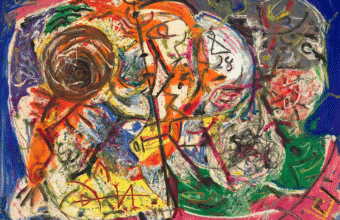
Warhol’s £158 million Marilyn and Haring’s Sotheby’s record sit at the top of a market most collectors will never need to touch. Warhol worked prolifically in screenprint as well as paint, and Haring’s paintings are scarce next to his output on paper: most of what he made was drawing, print and the ephemera around his exhibitions and the Pop Shop. That ceiling matters because it puts everything else here into proportion. A signed catalogue or photograph is not a smaller version of a painting. It is a different kind of object: something the artist actually held and marked, with its own market and history, rather than a fractional claim on a nine-figure canvas.
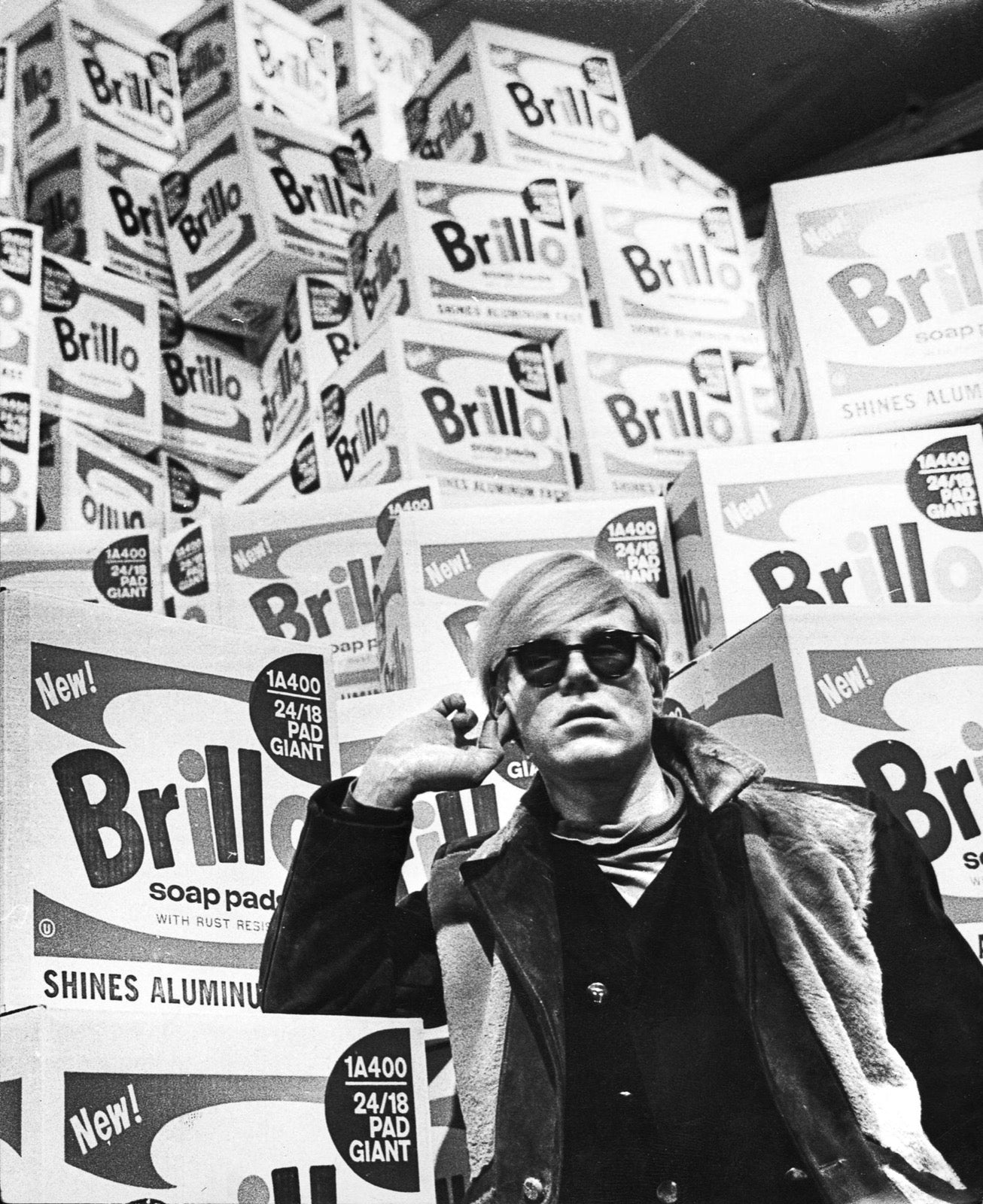
Credit: Lasse Olsson / Pressens bild, public domain via Wikimedia Commons
What real Warhol and Haring memorabilia looks like
Genuine material from both artists falls into recognisable categories. Warhol signed exhibition catalogues and photographs throughout his career, often in marker pen, directly across the cover or the print itself. Dealers who handle his estate material describe him as an easy signature to get: he rarely turned down a fan, and signed everything from photographs to Campbell’s soup cans. Haring worked from the other direction. His most collectable works on paper are the posters printed to promote his own exhibitions, such as the one for his December 1983 show at the Tony Shafrazi Gallery in New York, and the quick marker drawings he gave to friends, often signed and dated in full.
Both left a publishing and retail trail too. Warhol founded Interview magazine in October 1969, originally a monthly film journal, so he and his co-founder could get press passes to the New York Film Festival. Haring’s Pop Shop, opened on Lafayette Street in 1986, sold badges and T-shirts for as little as 50 cents, about 35p at the time, with profits going to children’s charities and AIDS research. None of it was made as an investment: it was made to circulate, which is why it still turns up at a fraction of what a painting costs.
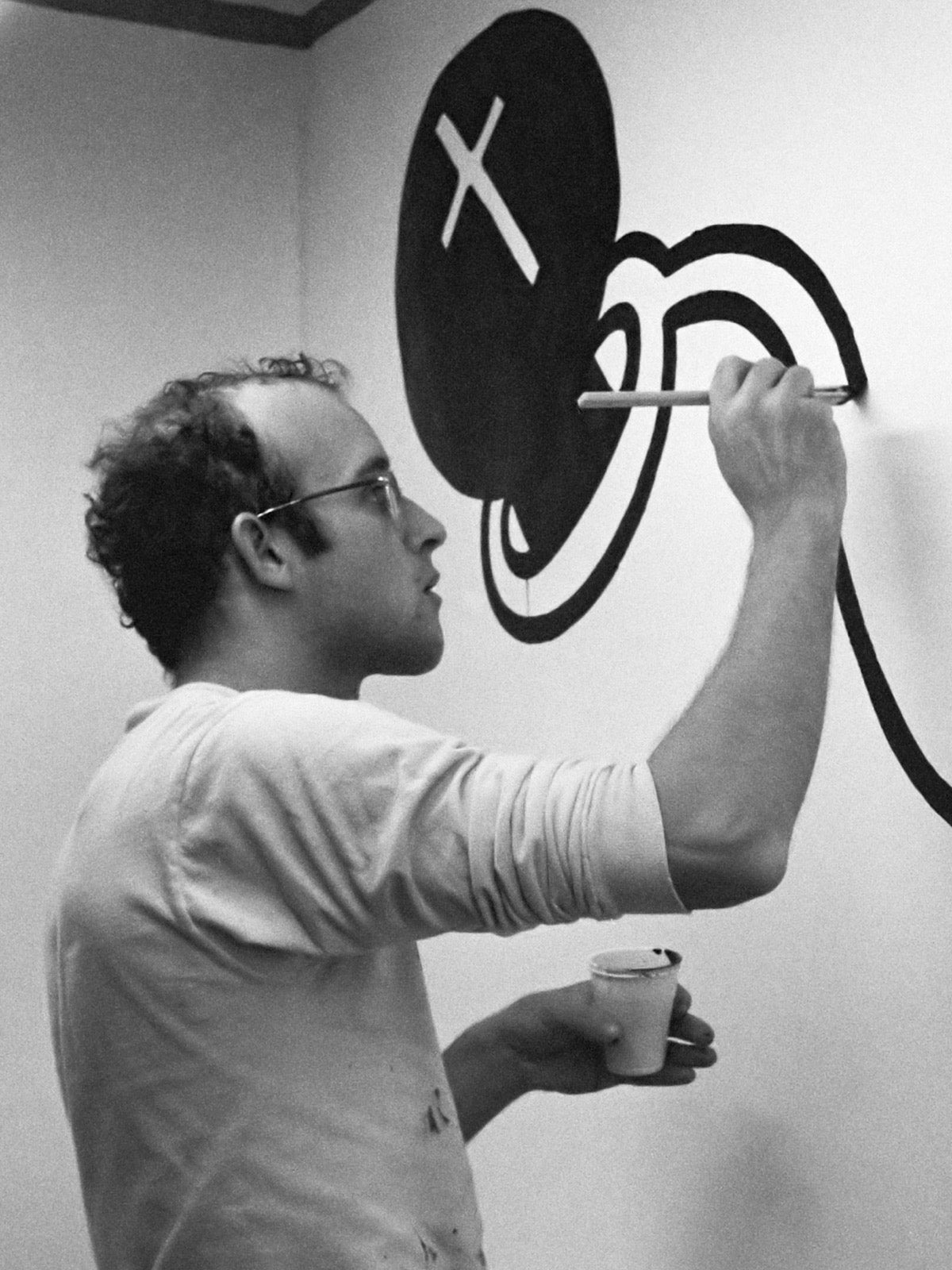
Credit: Rob Bogaerts (Anefo), public domain via Wikimedia Commons
Examples worth a closer look
Paul Fraser Collectibles, a UK dealer in signed memorabilia, lists an Andy Warhol signed exhibition catalogue at £6,995: the cover of the catalogue from Warhol’s 1971 retrospective at the Tate Gallery in London, featuring his Marilyn Monroe portrait, signed boldly in black marker down the right-hand edge and framed with a photograph of the artist, with a certificate of authenticity.
The same dealer has previously sold an Andy Warhol signed black and white photograph, showing Warhol seated at a dinner table with his own camera in front of him, for £1,250. Both carry the bold, vertical marker signature Warhol used throughout his life: a hand that, in the words of dealers who specialise in his autograph material, “changed dramatically over the course of his life”, which is why paperwork matters as much as the signature. A Warhol signed Marilyn Monroe print the same dealer has sold carried a documented chain back through a 2008 Christie’s sale and the collection of the former Vanity Fair features editor James Danziger: the kind of paper trail worth asking for before paying for a signature.
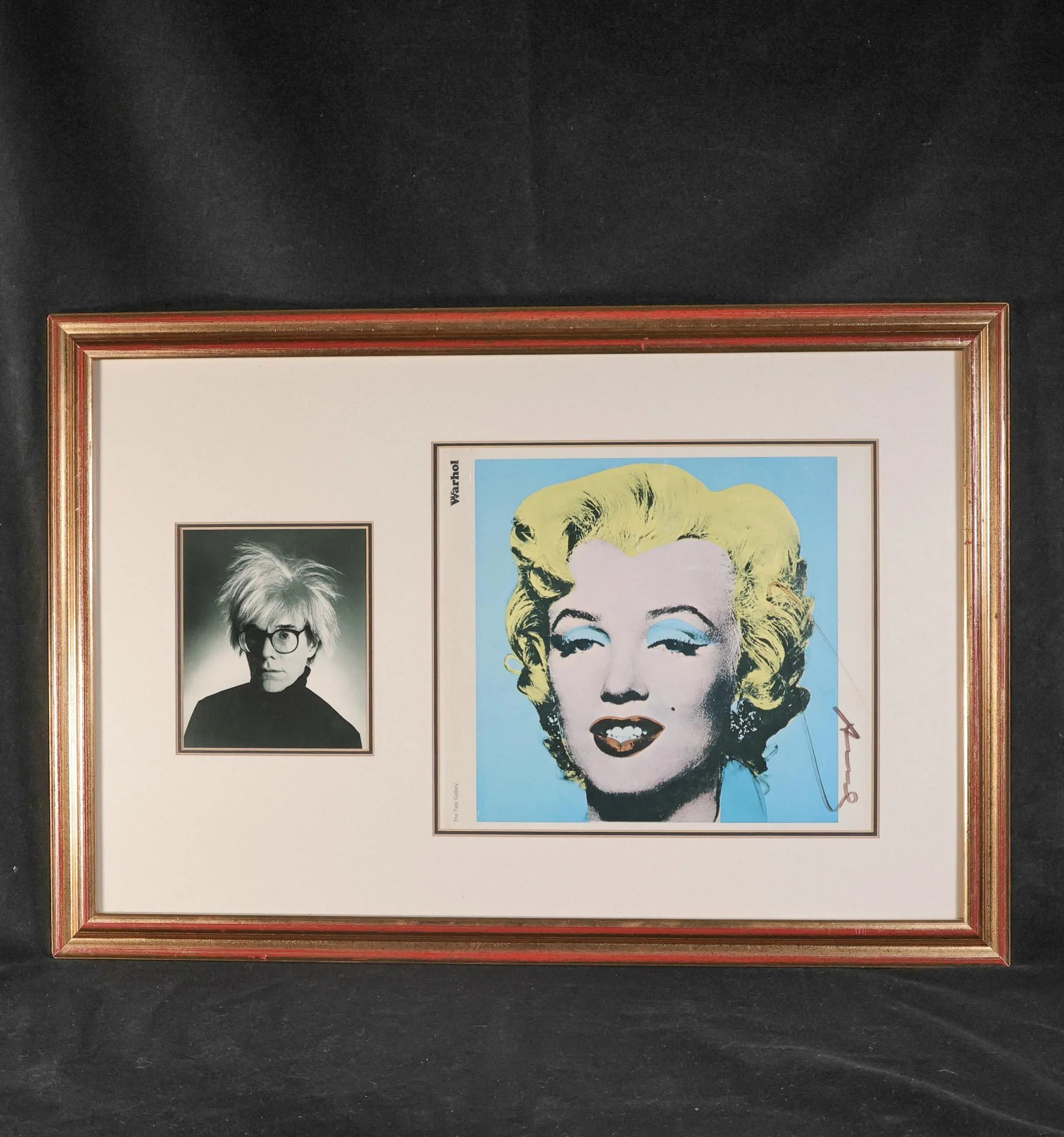
Credit: Paul Fraser Collectibles
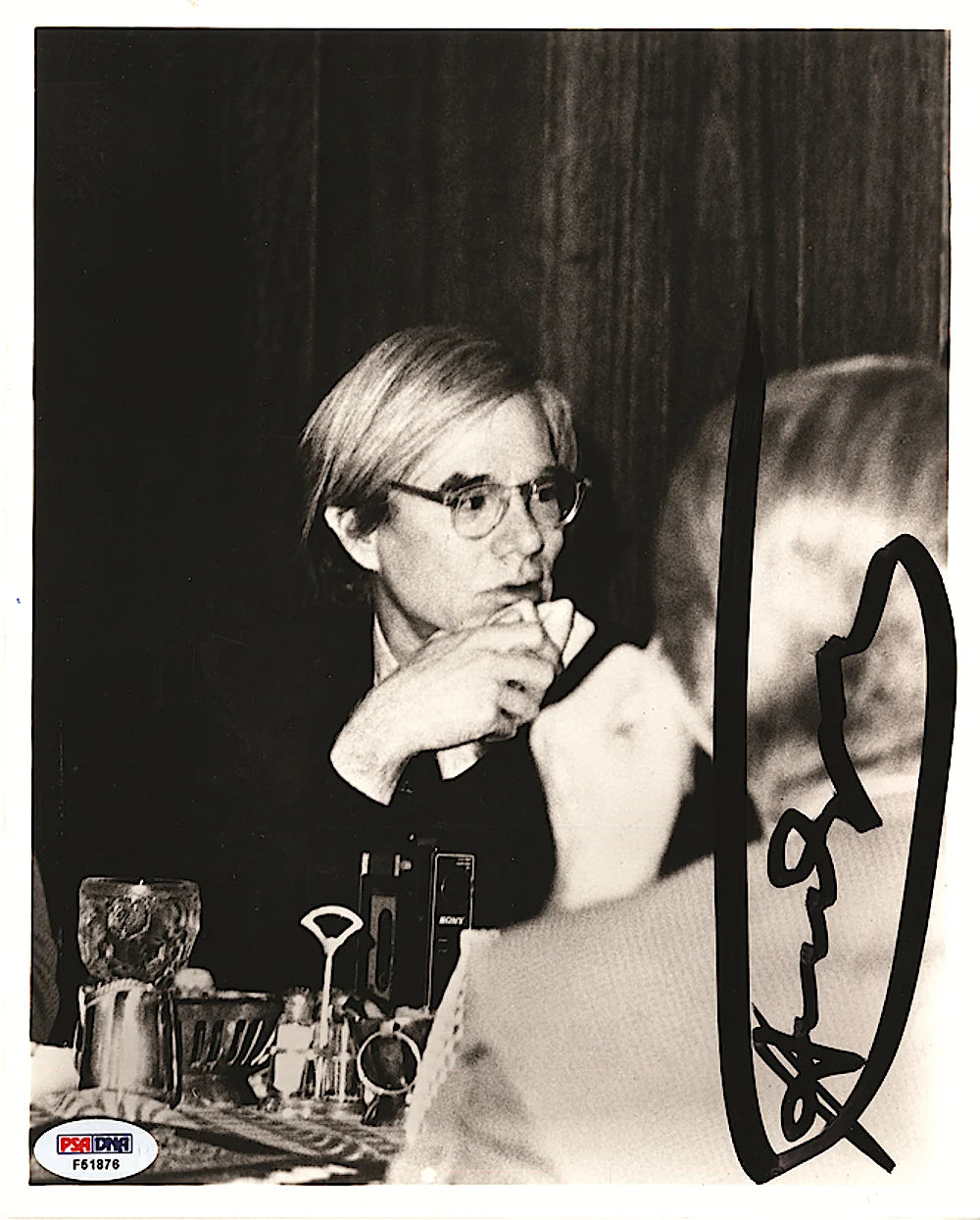
Credit: Paul Fraser Collectibles
Other dealers carry the same categories at similar prices. HistoryForSale, a Las Vegas autograph dealer, lists a signed black and white publicity photograph of Warhol, his hand resting under his chin and taken by photographer Mike Tighe, at $995 (about £735), and a signed dust jacket from Warhol’s own 1980 memoir POPism: The Warhol ’60s, signed simply “Andy”, at $425 (about £315): a first edition tied to the same instinct for publishing that produced Interview.
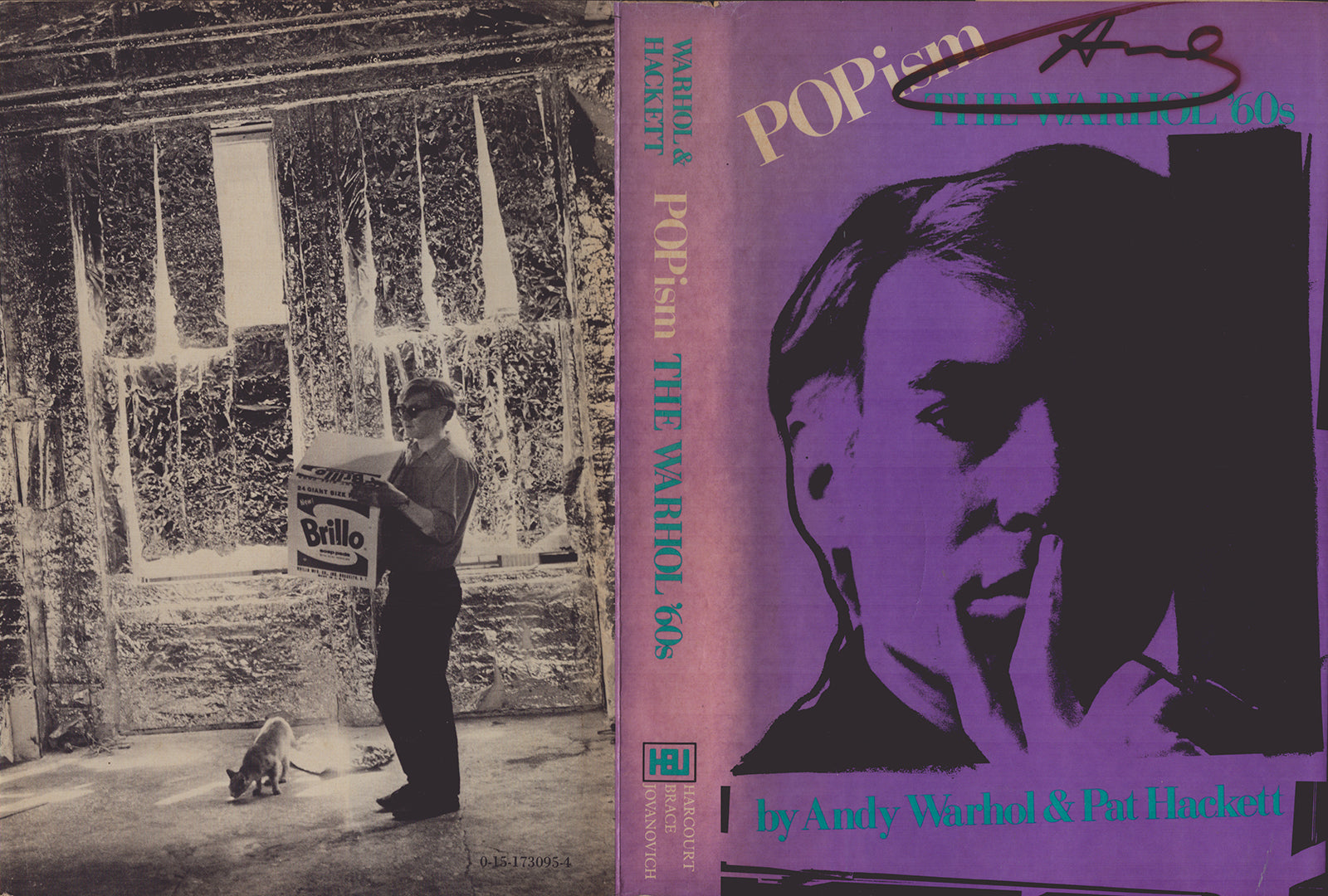
Credit: HistoryForSale
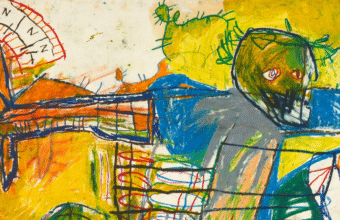
Haring’s material follows the same pattern. The dealer’s Keith Haring original poster, an unsigned screenprint made for a 1991 Haring exhibition, is listed at £495 and authenticated by comparison with a similar example held by the Samhart Gallery in Neuchâtel and Gstaad, rather than by a signature at all. A signed 1988 marker drawing of three dancing figures, titled Dancing Men and signed “K. Haring ’88” at the foot of the sheet, sold through the same dealer for £5,950: a small original artwork rather than a print, at a fraction of the price the artist’s paintings command at auction.
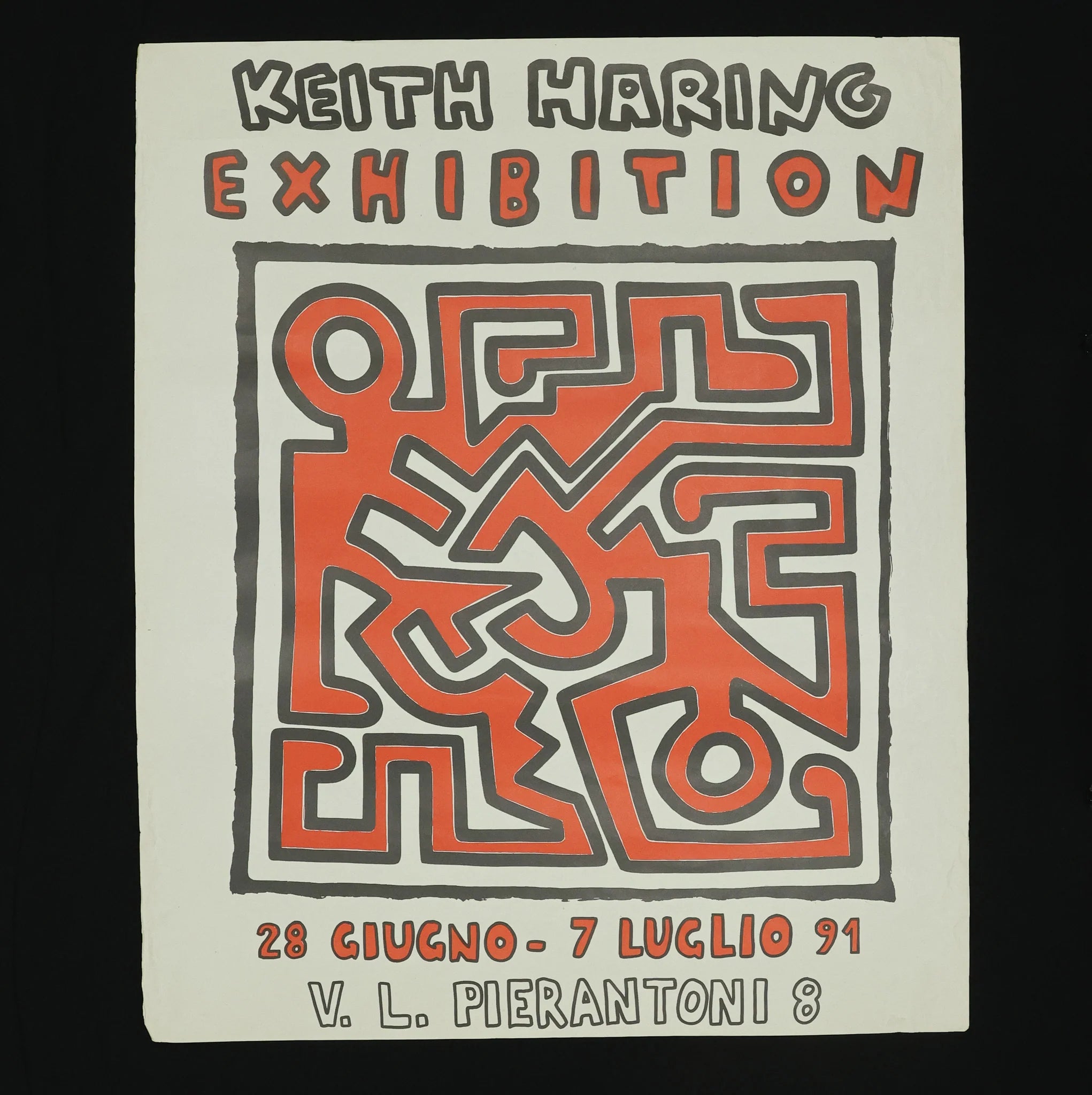
Credit: Paul Fraser Collectibles
The Into 84 poster itself also turns up through general marketplaces rather than specialist dealers alone. A hand-signed copy, inked along the lower edge, is listed on 1stDibs together with an original Pop Shop button from the same collection, priced on application rather than a fixed sum. For collectors ready to spend more, Haring’s screenprints reach further still: MyArtBroker lists a signed 1988 print from his Growing series, one of an edition of 100, priced between £26,000 and £40,000: nowhere near his auction prices, but a sign of how much room this market has between a poster and a painting.
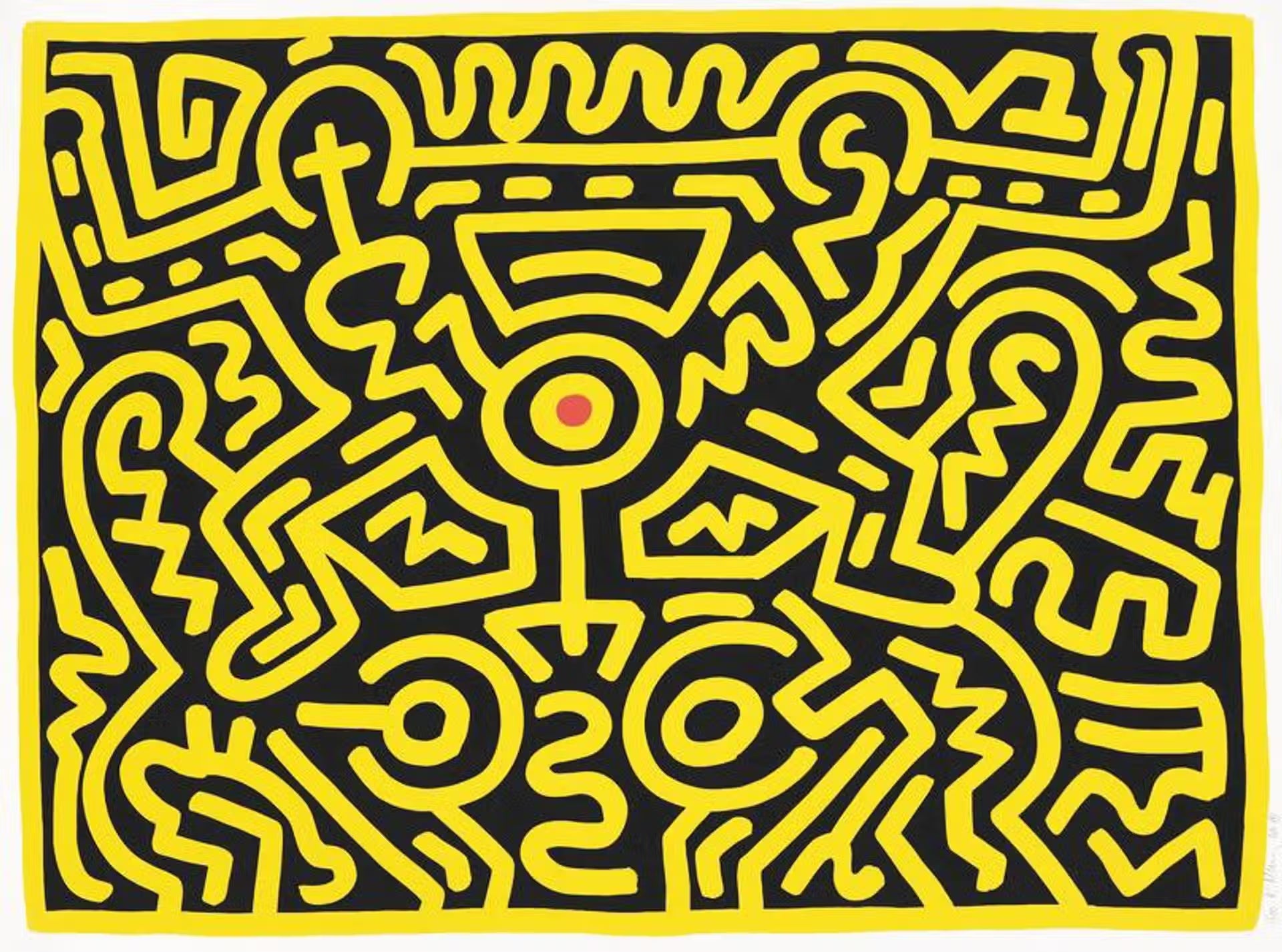
Credit: MyArtBroker
Building a collection one piece at a time
Most collectors start with one well-documented piece, not several at once. A signed photograph or catalogue is a sensible first purchase: both categories come up often enough to check comparable prices beforehand. After that, diversify across formats rather than buying two of the same thing: a print, a poster and a piece of correspondence each adds something different. Keep every certificate and invoice. A future buyer, or insurer, will want to see them.
How Warhol and Haring built their own way in
Warhol founded a magazine to get a press pass to a film festival, and used it to chronicle the culture around him until his death in 1987. Haring opened a shop on Lafayette Street so people who would never buy a painting could still own something of his, and the mentor who guided him through sudden fame designed the T-shirts himself. Neither man built pop art to be viewed only from behind a rope.
That is the part of the story a signed catalogue or a £495 poster belongs to: not a smaller version of the paintings, but the same impulse that made Warhol answer his fan mail and made Haring cut the ribbon on his own shop. Buying into either collection starts with one verified piece, not a seven-figure budget.