




An aspiring fine art collector usually learns more from standing in front of a single painting than from any catalogue, and the eight must-visit art museums and galleries below are where that kind of looking happens best. Most are encyclopaedic public collections built up over a century or more, several concentrate on a single period or movement, and one is a working commercial gallery rather than a museum at all.
A painting reproduced in a book or on a screen loses its scale, its surface and the brushwork a valuer would look at first. Rembrandt’s The Night Watch hangs in the Rijksmuseum’s Gallery of Honour, and Vermeer’s The Milkmaid is on show elsewhere in the same museum. Standing close enough to compare how each artist actually handled paint is a different kind of looking to reading about it, and it is the reason this guide is built around buildings rather than books.
Museums do not sell what they hold, but visiting them is still some of the cheapest research an aspiring collector can do. The list below moves deliberately between the largest encyclopaedic collections, museums built around a single period or movement, and a commercial gallery, because understanding what has already entered the canon and understanding how new work gets chosen for it are two different skills.
Discover all in our:
8 must-visit art museums and galleries for the aspiring fine art collector
1. Musée du Louvre (Paris)
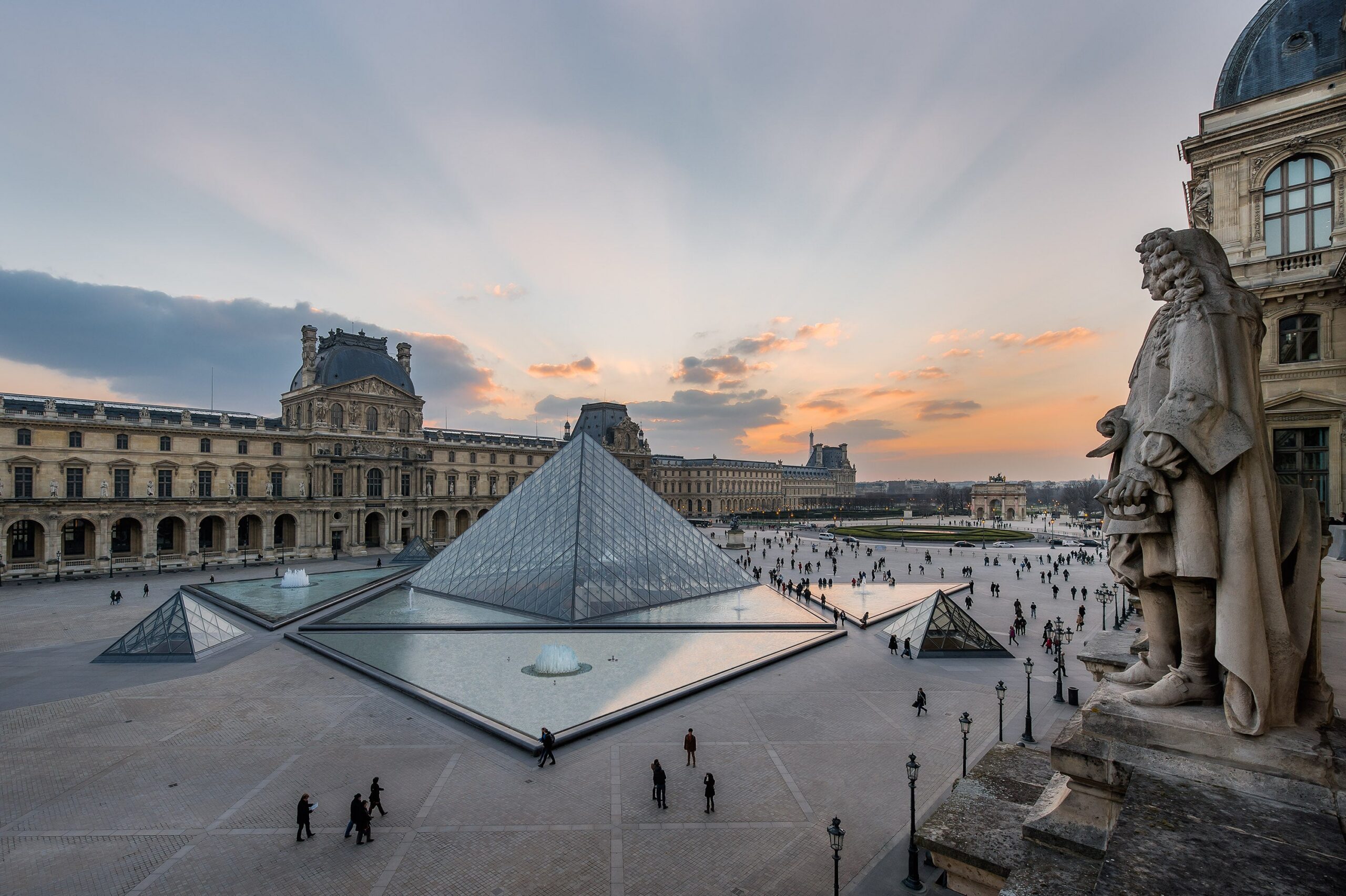
The Louvre opened to the public in 1793 and now displays around 35,000 works, drawn from a wider holding of some 500,000 objects, across eight departments covering more than 60,600 square metres. It drew 9 million visitors in 2025, and its most famous holdings, the Mona Lisa, the Venus de Milo and the Winged Victory of Samothrace, sit within much larger rooms of Italian and Northern European painting where most of the close looking happens.
Credit: Louvre
2. The National Gallery (London)
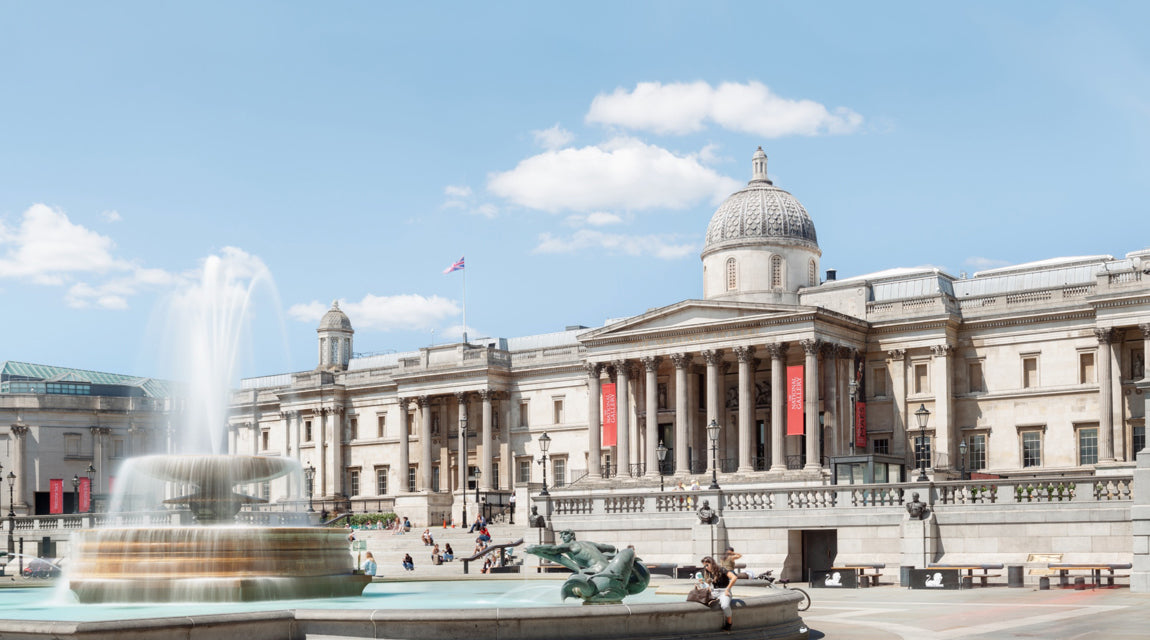
Founded in 1824 around a single purchased collection, the National Gallery on Trafalgar Square now holds more than 2,300 paintings dating from the mid-thirteenth century to 1900, with free entry to the permanent collection. Its rooms run broadly in date order, from Sebastiano del Piombo’s The Raising of Lazarus, the first work to enter the collection, through Uccello’s The Battle of San Romano to Velázquez’s Rokeby Venus, acquired in 1906 through the National Art-Collections Fund, which makes it possible to trace changes in technique picture by picture.
Credit: The National Gallery
3. The Metropolitan Museum of Art (New York)
Established in 1870, the Metropolitan Museum of Art now holds around 1.5 million works, closer to a survey of art history than a single collection. Its Egyptian wing alone runs to more than 26,000 pieces, including the Temple of Dendur, its Asian art department spans 5,000 years across more than 35,000 objects, and its European paintings galleries hold over 2,500 works from the thirteenth century onward, particularly strong in Impressionist and post-Impressionist painting. Few single buildings offer more context for where one object sits against everything around it.

Credit: The Metropolitan Museum of Art
4. The Museum of Modern Art (New York)
A short walk north, the Museum of Modern Art opened in 1929 as America’s premier museum devoted exclusively to modern art, when few institutions took the category seriously, and it was the first museum anywhere to establish dedicated departments for photography and film. It now holds more than 200,000 works, including Van Gogh’s The Starry Night, Picasso’s Les Demoiselles d’Avignon and Monet’s Water Lilies triptych, spanning architecture, design, drawing, painting, sculpture, photography, prints and film.
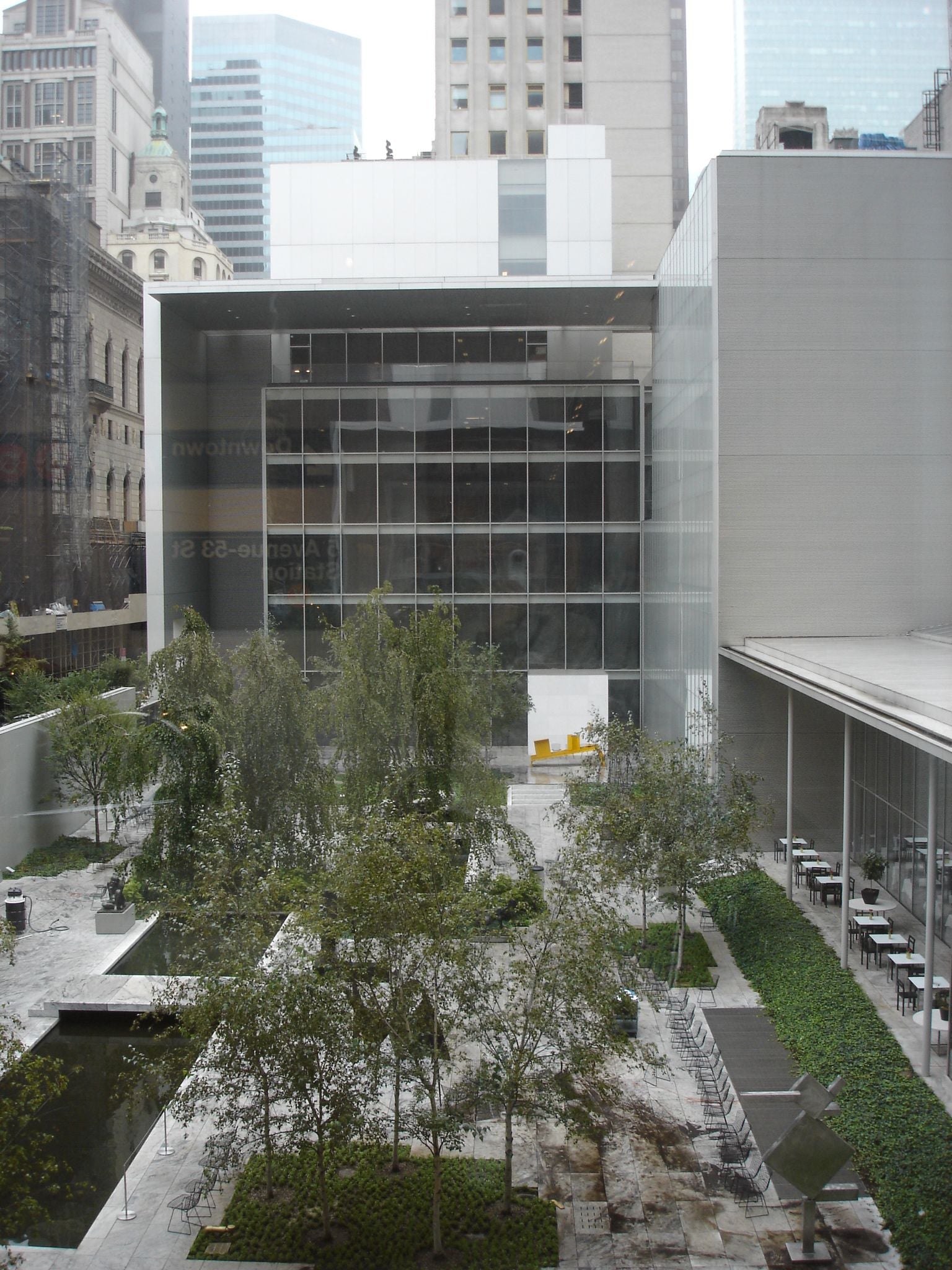
The glass facades of MoMA house more than just a century of artistic revolution; they hold billions in transferred private wealth. The skyrocketing valuations of modern and contemporary art have transformed how high-net-worth individuals approach estate planning. By directing major pieces to prominent institutions in Midtown Manhattan and beyond, collectors execute a highly efficient financial maneuver. It is a process that effectively neutralizes heavy tax liabilities while elevating a private collection into an enduring, publicly celebrated legacy.
Credit: MoMA
5. The Uffizi Gallery (Florence)
The Uffizi occupies a building designed by Giorgio Vasari between 1560 and 1580, and its collection, drawn substantially from the Medici family’s own holdings, runs from Giotto and Botticelli through to Caravaggio, alongside ancient Roman copies of Greek sculpture that once adorned the family’s corridors. Because the Medici were among history’s most consequential collectors, a walk through the Uffizi is also a walk through the judgement of one family’s collecting, centuries before anyone called it that.
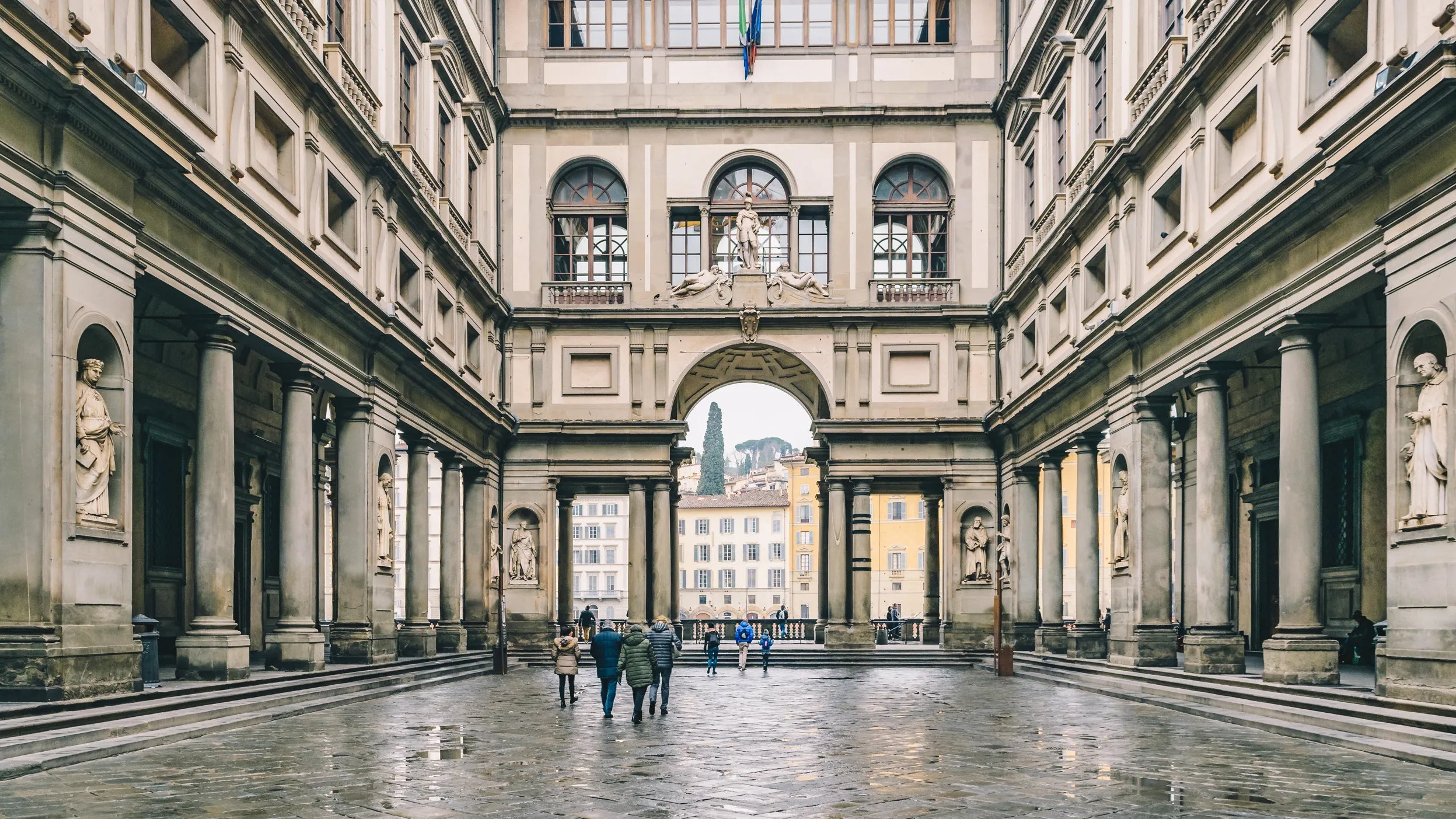
Credit: Uffizi Gallery
6. The Rijksmuseum (Amsterdam)
Established in 1798, the Rijksmuseum concentrates a collection of around 1 million objects on the Dutch Golden Age. Rembrandt’s The Night Watch hangs in its Gallery of Honour, with his The Jewish Bride and Vermeer’s The Milkmaid on show elsewhere in the same museum, alongside work by Frans Hals and Jan Steen. Dutch Golden Age painting is one of the more distinct categories in today’s market, and comparing these works directly is a faster education than any textbook.
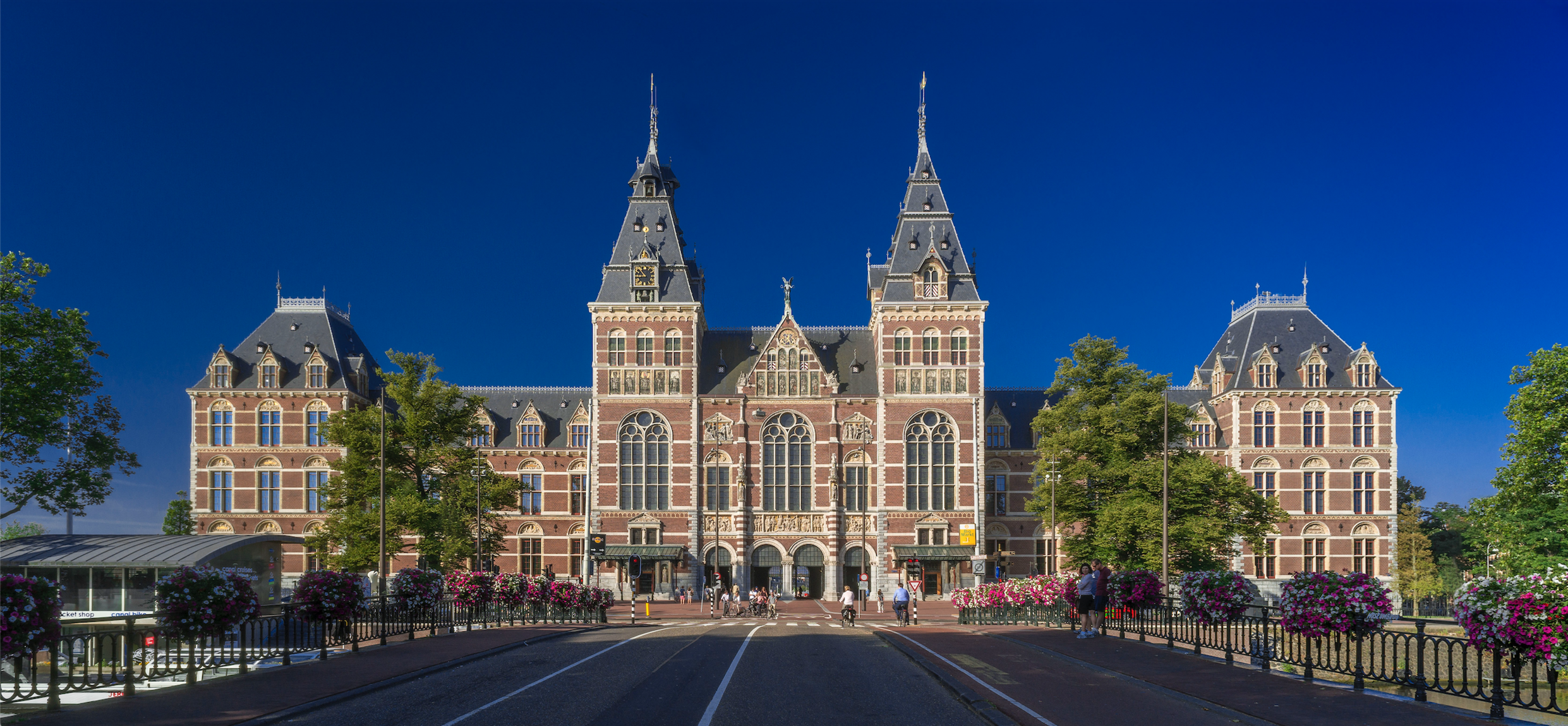
Credit: Rijksmuseum
7. Museo Nacional del Prado (Madrid)
Opening to the public in 1819, the Museo Nacional del Prado houses one of the world’s finest collections of European art, built largely around the former Spanish Royal Collection. It holds unparalleled masterpieces by Velázquez, Goya, Titian, and Rubens, including Velázquez’s Las Meninas and Goya’s The Third of May 1808. The Prado is arguably the single best institution in the world to study the evolution of Spanish painting and trace the profound historical ties between the monarchy and the artists they championed.
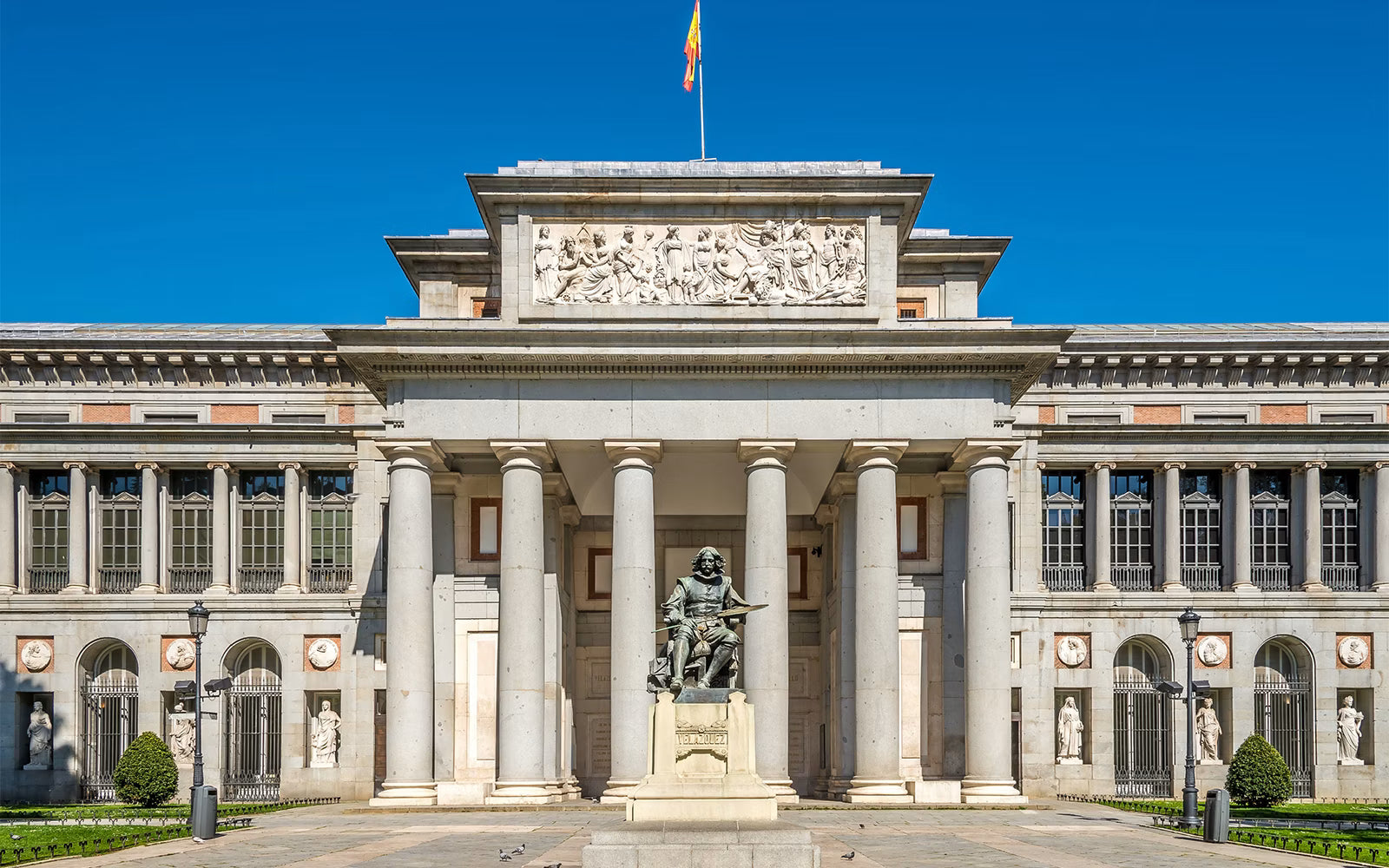
Credit: Museo del Prado
8. Gagosian (worldwide)
Not every stop on this list is a museum. Gagosian was founded by Larry Gagosian in Los Angeles in 1980 and now employs around 300 people across 19 exhibition spaces, from New York and London to Basel and Hong Kong, representing artists from Picasso and Warhol to Damien Hirst and Jeff Koons. A museum shows a collector what has already been judged to matter. A commercial gallery shows how that judgement gets made, which is a different, equally necessary, education.
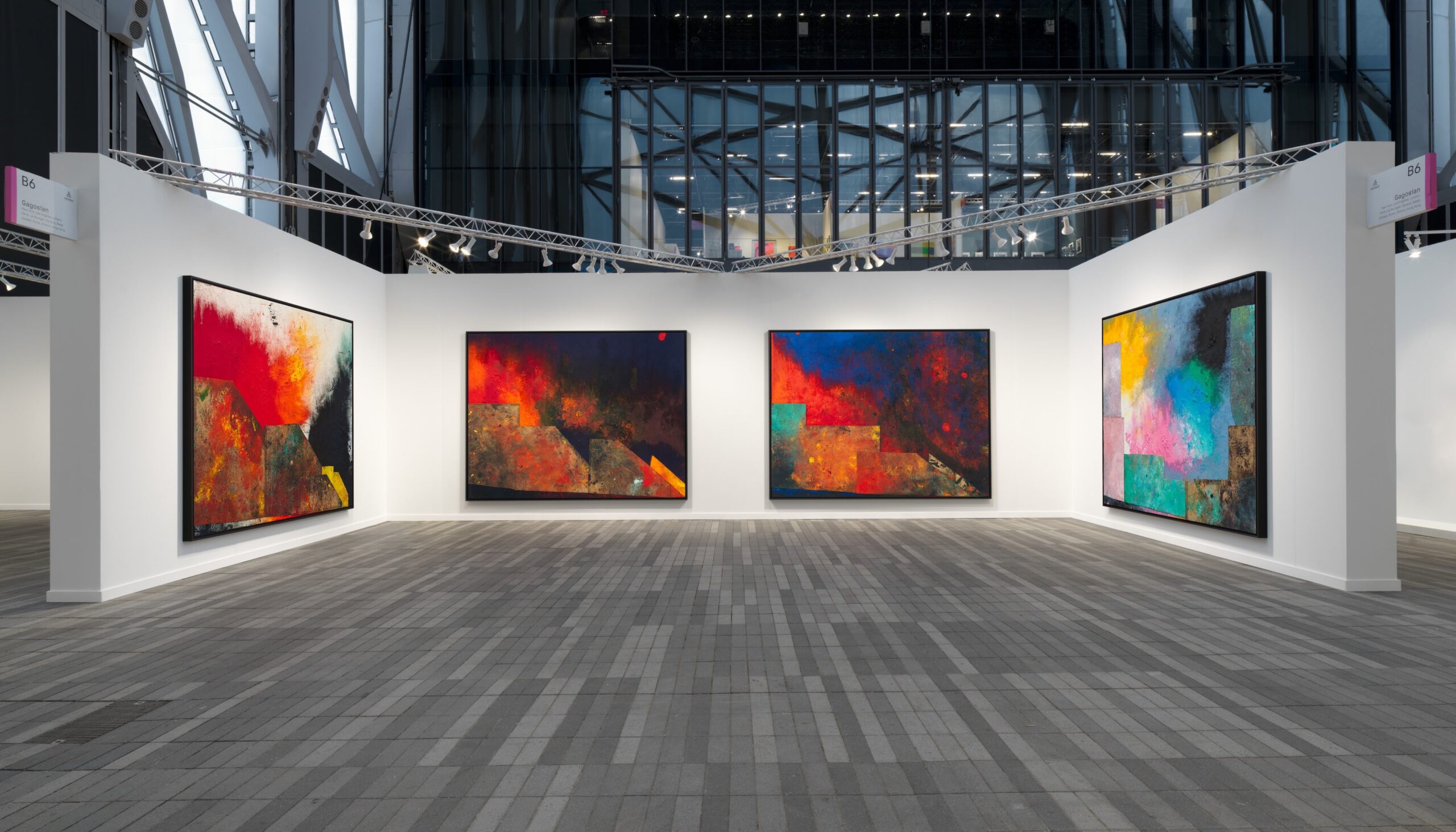
An exhibition at Gagosian is a masterclass in market-making and asset valuation. By representing the most bankable names in contemporary art, the gallery provides a highly structured environment for capital placement.
Credit: Gagosian
What no catalogue can teach a collector
None of these eight venues will sell a collector anything, which is rather the point. A catalogue entry can describe a painting’s condition, provenance and prior sale prices with complete accuracy and still leave out what the paint actually looks like at arm’s length, under gallery light, next to the works that influenced it or were influenced by it in turn.
The route above moves deliberately between encyclopaedic collections, single-period specialists and a working commercial gallery, because each teaches a different half of the same skill. A collector who has compared brushwork in the Rijksmuseum’s Gallery of Honour, traced technique across the National Gallery’s rooms and watched how Gagosian frames new work for sale has done more for their eye than any amount of reading, and it shows the first time they stand in front of a picture they are actually considering buying.