



World coin collecting gives collectors a direct, physical link to distant cultures, fallen empires and the history of global trade.
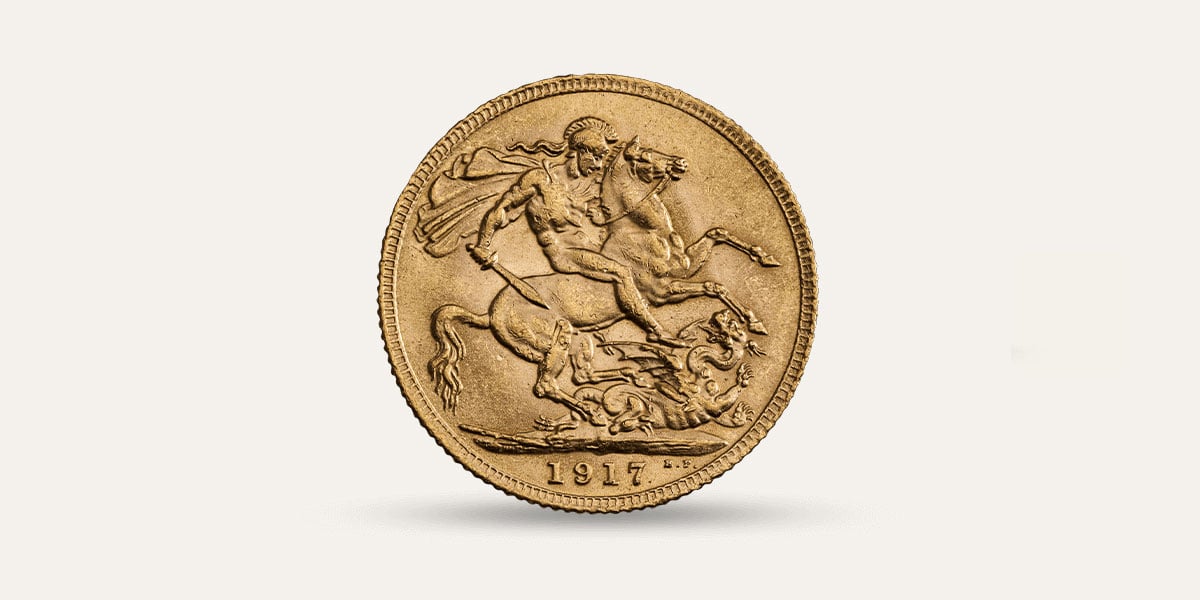
The scale of the pursuit is easy to underestimate. The Smithsonian’s National Numismatic Collection alone holds roughly 1.6 million objects spanning every inhabited continent and more than three thousand years of history. The Smithsonian Institution itself was founded on a numismatic gift: James Smithson’s original bequest was paid to the US government in over 100,000 gold British Sovereigns.
Those drawn to world coins join a well-established tradition, supported by institutions such as the American Numismatic Association. Founded in 1891, this non-profit organisation now serves tens of thousands of members through publications, a museum and educational programmes.
Credit: RawPixel / PublicDomain
Start with what you already have
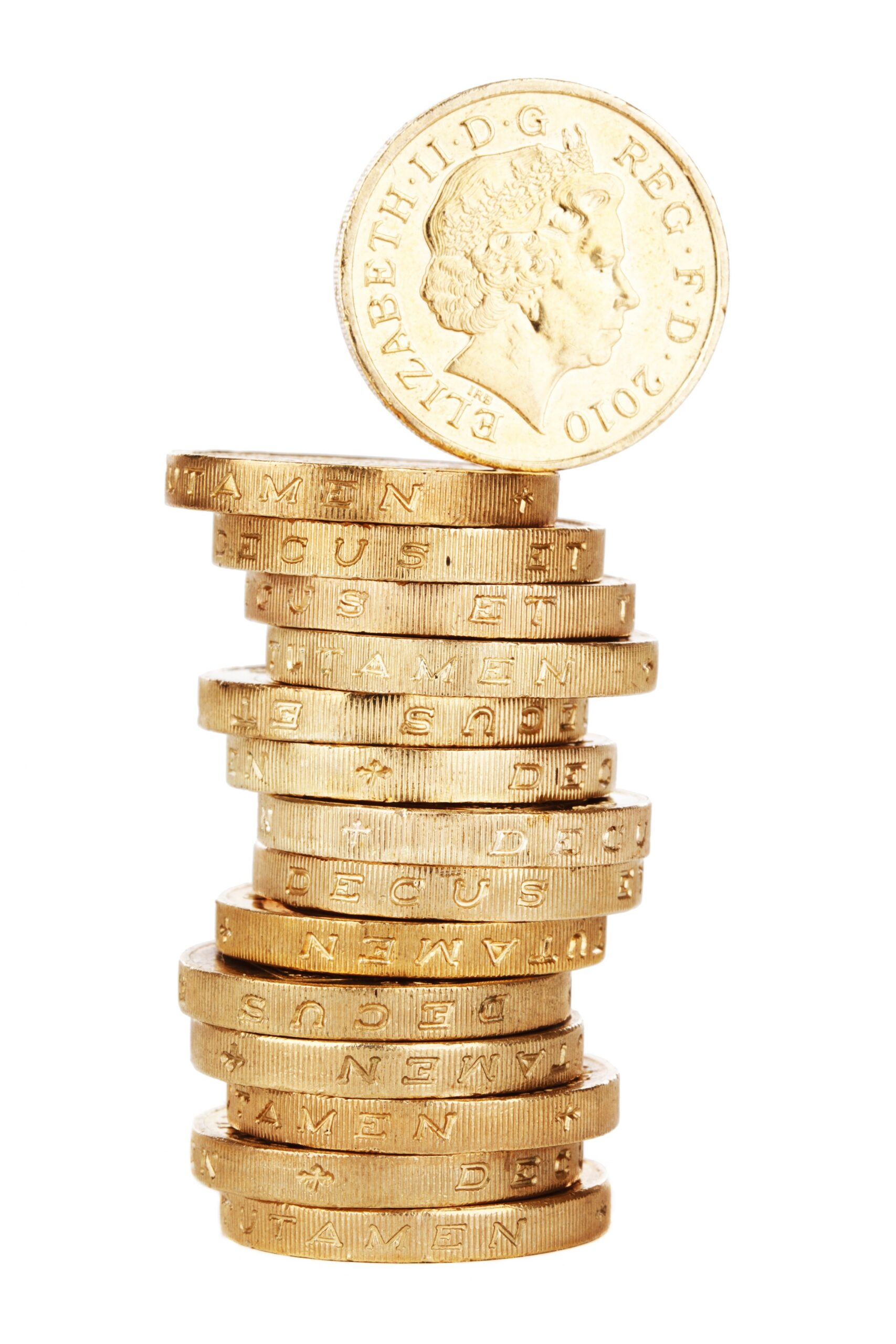
Most collectors begin the same way: by examining the coins they already own. Loose change, inherited jewellery boxes and old travel souvenirs are common starting points. Beginners are often encouraged to study what they have before buying new items. This costs nothing and teaches the basic terms of the hobby: obverse and reverse, denomination, mint mark and edge.
When you are ready to expand a collection, the entry cost is low. Guides for new collectors often suggest a starter budget of £40 to £80 for essential equipment: a glass loupe with 7x to 10x magnification, a digital scale accurate to hundredths of a gram and simple holders. World coins are particularly budget friendly compared with rare domestic coins or bullion, as circulated foreign coins from many countries can be found inexpensively through dealers, coin shows and starter lots.
Credit: RawPixel / PublicDomain
Learning to identify what you have
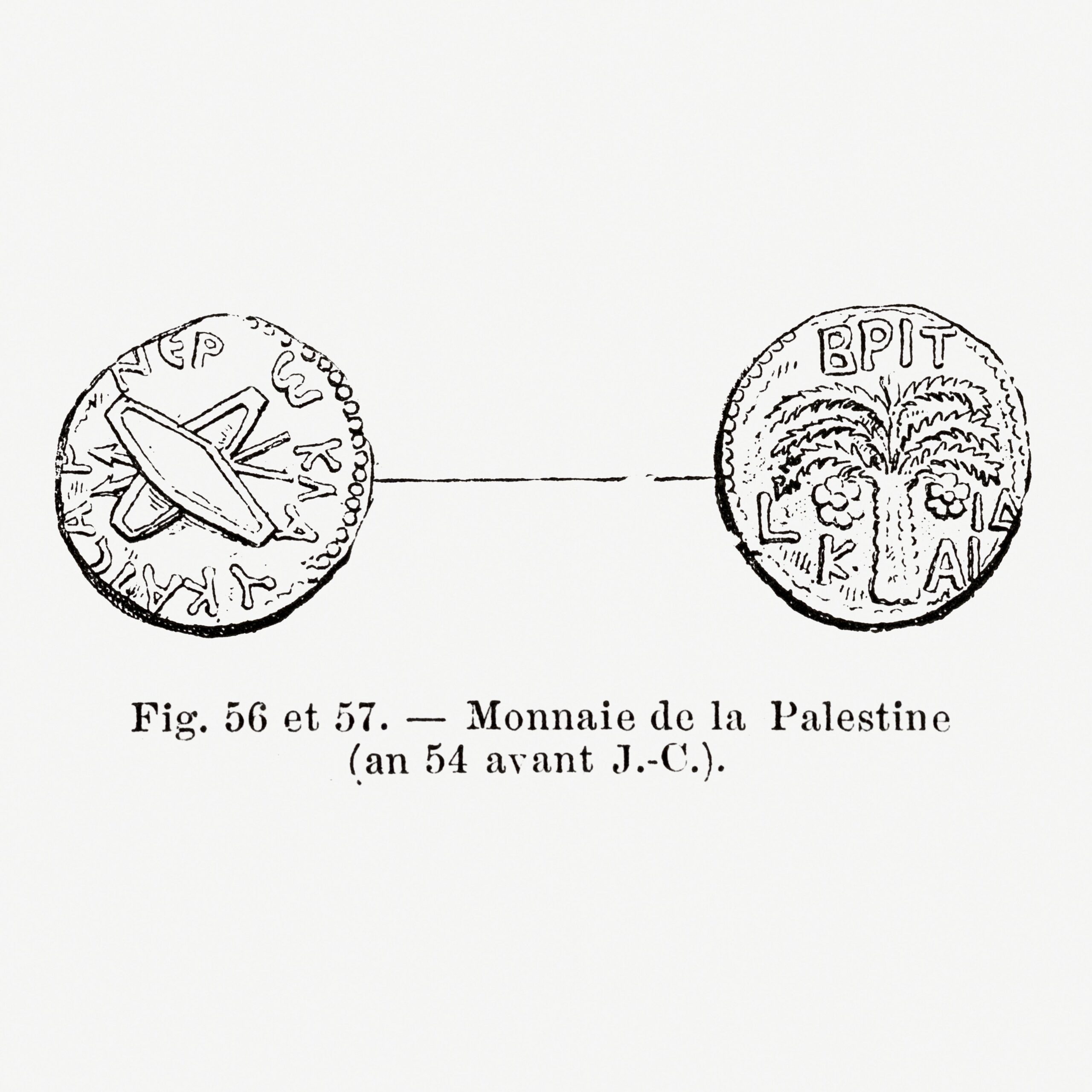
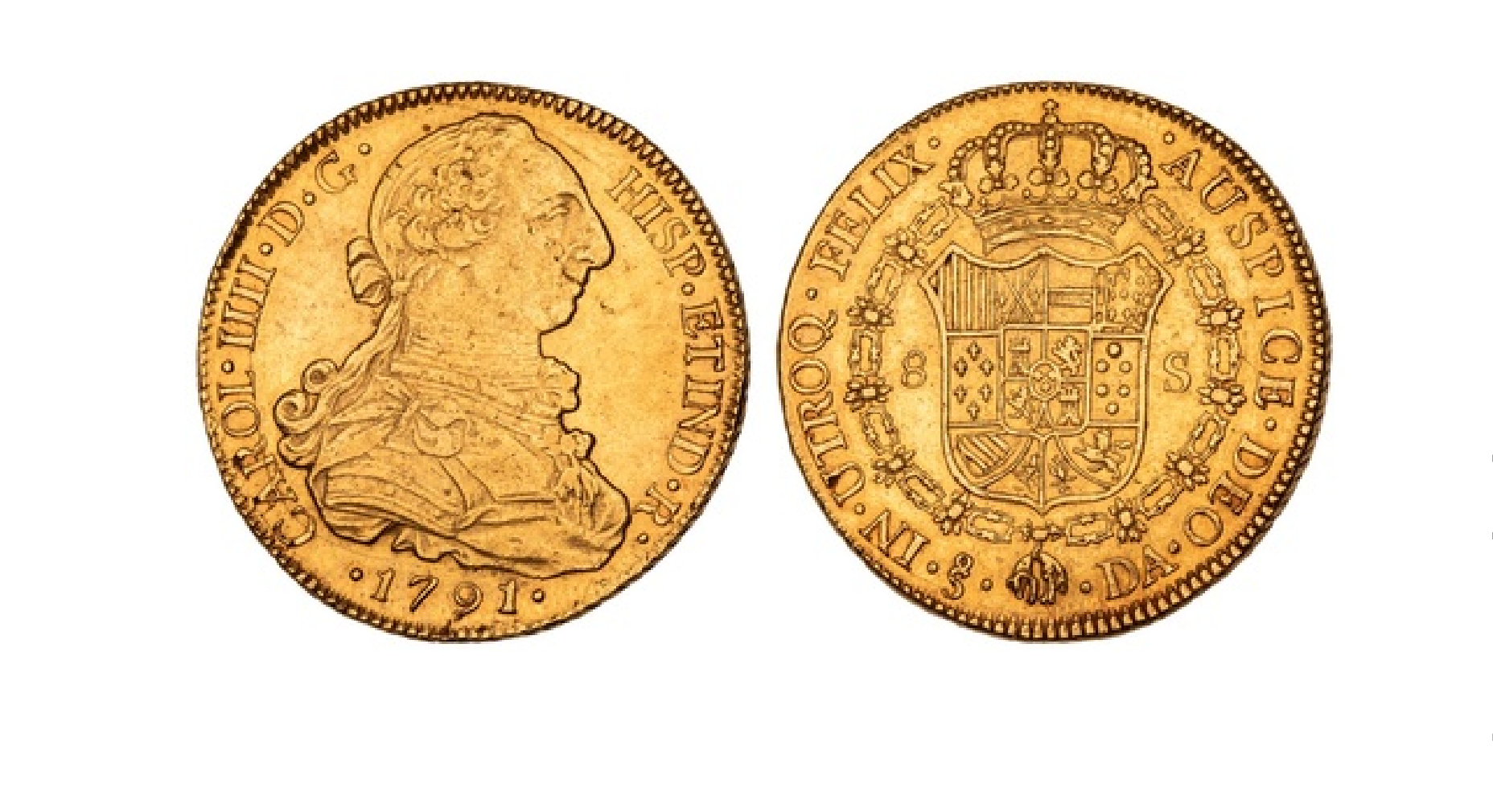
World coins can be genuinely puzzling at first. Designs, scripts and even calendars vary by country. Some use non-Western dating systems. Islamic Hijri dates run about 622 years behind the Gregorian calendar, Thai coins may use the Buddhist Era and Japanese coins are often dated by the reigning emperor’s regnal year rather than a fixed calendar year. For this reason, identification is treated as a skill in its own right.
The traditional reference for identifying and valuing world coins is the Standard Catalogue of World Coins, published by Krause Publications since 1972 and often called simply Krause. Organised by century into several large volumes, it assigns each coin type a Krause-Mishler catalogue number, still widely used by dealers today. Alongside the printed catalogues, free online tools have become popular. Numista, a crowd-sourced digital catalogue, lists several hundred thousand coin types with images and specifications, and its community forum will often help identify an unfamiliar coin within hours. Coin shows, dealers and forums such as r/coins or CoinTalk are also commonly recommended for stubborn cases.
Credit: London Mint
Understanding grading and condition
A coin’s condition, or its grade, has a significant effect on its value, so grading is one of the first technical concepts new collectors encounter. Most coins are graded on the Sheldon Scale, a 1-to-70 numerical system originally devised in 1949 for large cents and later adapted by the American Numismatic Association for coins in general. Higher numbers indicate less wear and better preservation, with terms such as Good, Fine, Extremely Fine and Mint State marking different points on the scale.
For coins of meaningful value, collectors often rely on third-party grading services rather than grading coins themselves. The two most prominent, Professional Coin Grading Service and Numismatic Guaranty Corporation, were founded in 1986 and 1987 respectively. Both authenticate, grade and seal coins in tamper-evident holders. NGC in particular is frequently cited as strong on world and ancient coins, an area where PCGS grades more selectively.
One piece of advice is consistent across numismatic sources and worth treating as a firm rule for beginners: never clean your coins. What looks like dirt or tarnish is often patina, a natural surface toning that collectors and graders value as evidence of age and authenticity. Even gentle cleaning can strip that patina and leave microscopic scratches that trained graders detect easily. Guidance is consistent that cleaning typically lowers a coin’s value rather than improving it, sometimes drastically. If a coin genuinely needs conservation, the recommendation is to consult a professional rather than attempt a home remedy.
Credit: Spink
Choosing a focus
New collectors are frequently warned against trying to collect everything at once. With well over a hundred issuing countries and centuries of coinage to draw from, an unfocused approach can feel endless. Instead, most guides suggest picking an organising theme, then narrowing further as your interests develop. Common approaches include:
- By country or region: building a set from one nation or from every country on a given continent
- By year: collecting coins from a birth year, anniversary or other meaningful date
- By theme: subjects such as animals, ships, monarchs or Olympic commemoratives, which some sources describe as among the most popular collecting themes worldwide
- By type or denomination: one example of each major design a country has issued
- Historical or defunct currencies: coins from countries or monetary unions that no longer exist
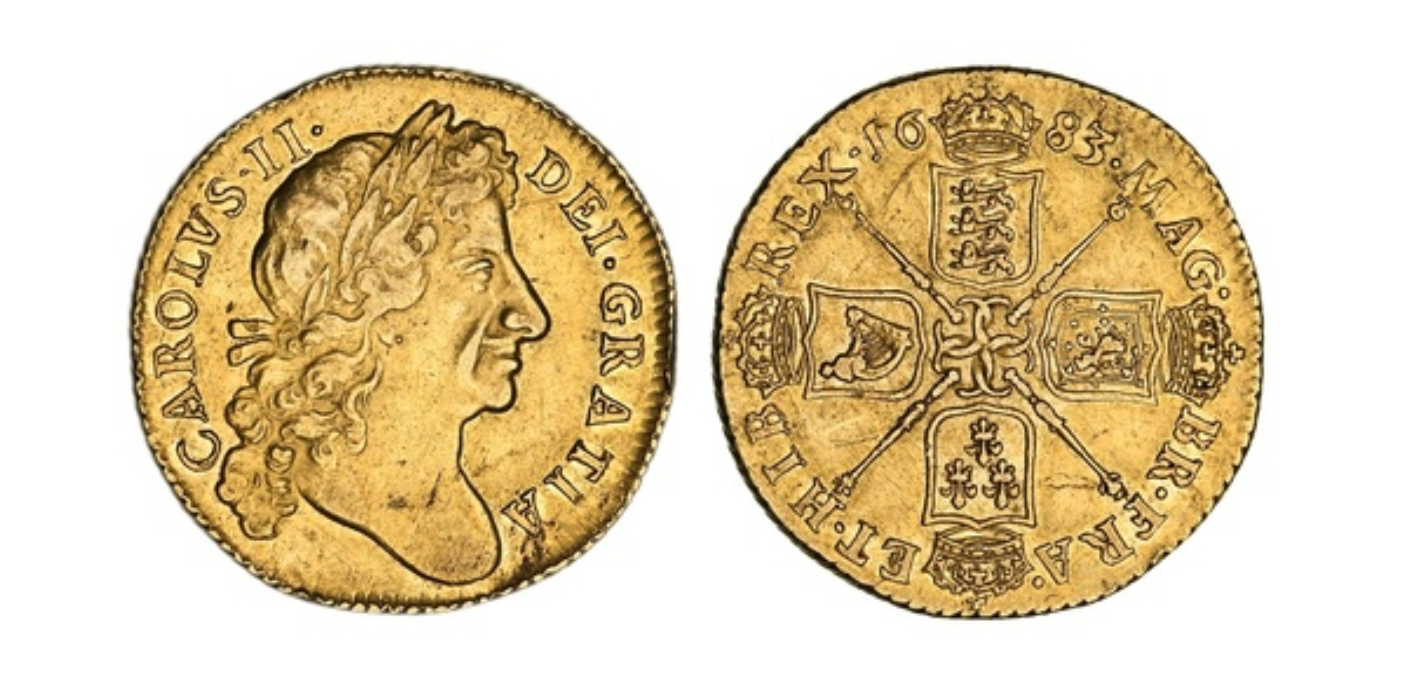
None of these is more correct than another. The common advice from experienced collectors is simply to collect what genuinely interests you, as sustained enjoyment is what keeps a collection growing.
Credit: Spink
Storing and handling coins properly
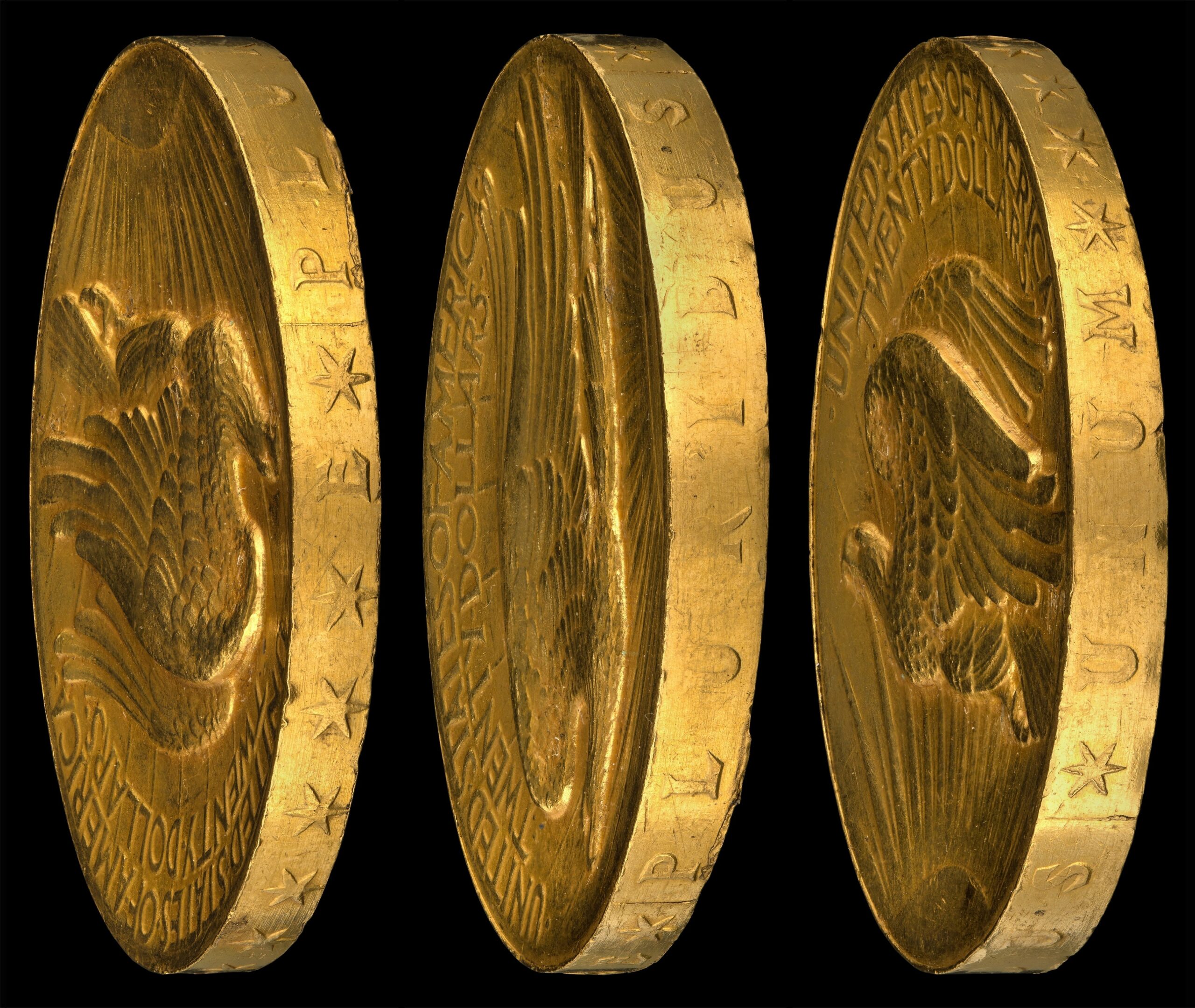
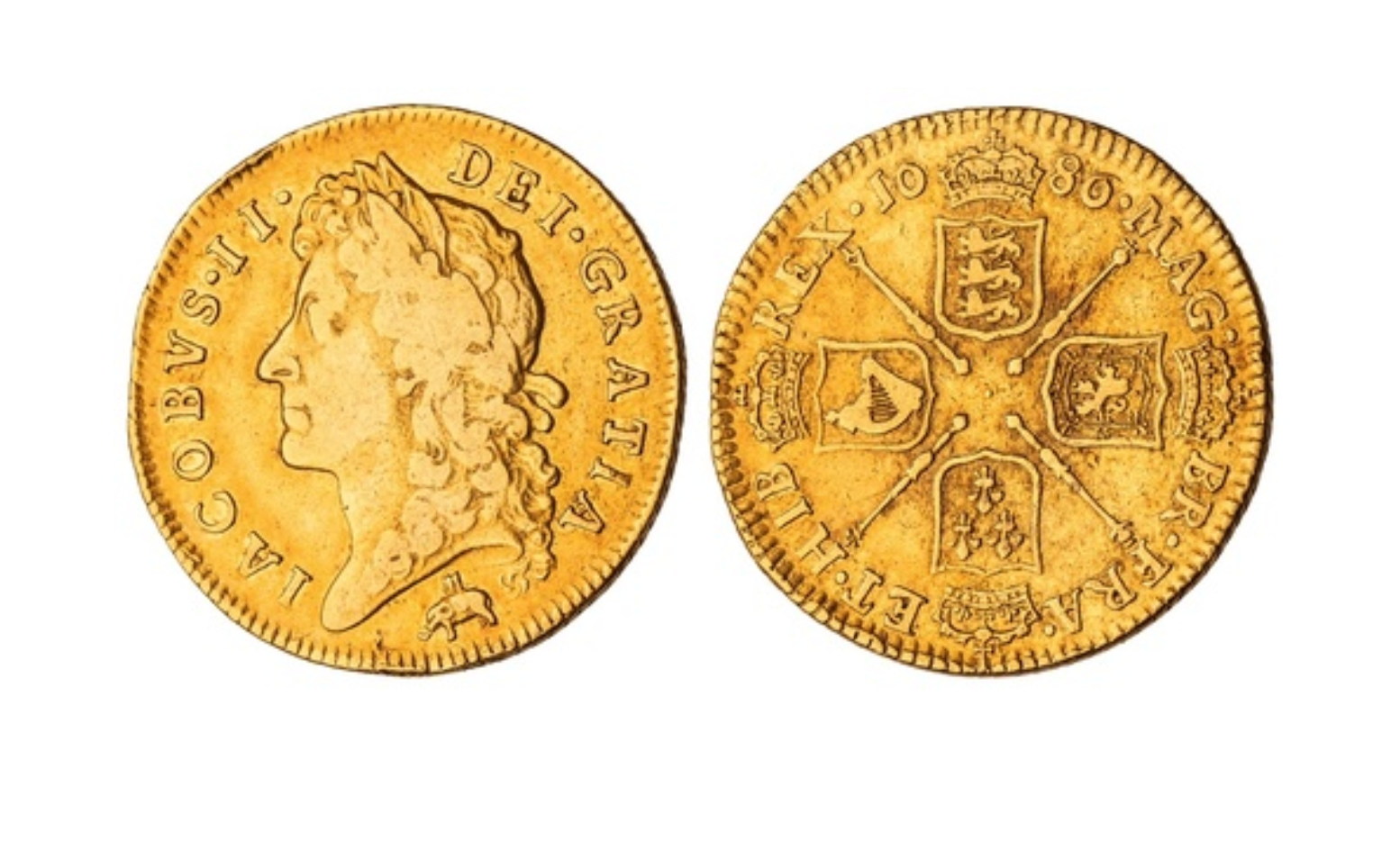
Poor storage is one of the more avoidable ways a collection loses value. Recommended practice is to handle coins by their edges rather than their faces to avoid transferring skin oils on to the surfaces. Store coins in inert holders such as 2×2 cardboard flips, plastic capsules or albums rather than loose in a drawer. A specific and often-repeated warning concerns PVC-based plastics, which can chemically react with coins over time and leave a sticky green residue. PVC-free Mylar or similar holders are the standard recommendation. Keeping a collection in a cool, dry, stable environment also helps prevent the toning and corrosion that humidity and temperature swings can accelerate.
Credit: Spink
Buying safely and avoiding counterfeits
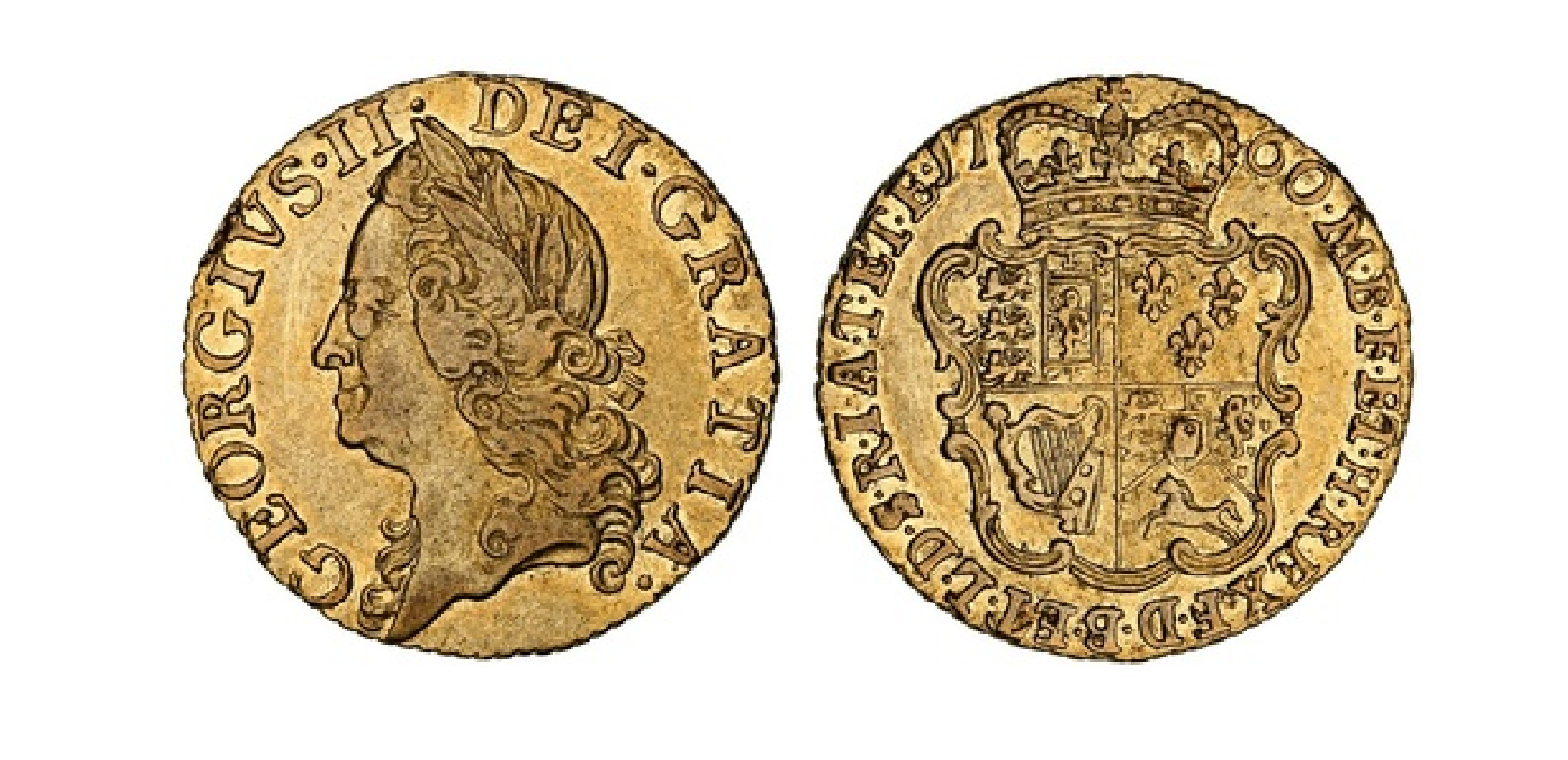
As with any collectible with real market value, world coins attract counterfeiters. Guidance for new buyers is consistent. Buying from dealers affiliated with recognised bodies such as the ANA or the Professional Numismatists Guild adds accountability, as reputable dealers have reputations to protect and generally offer refunds if a coin later proves problematic. For higher-value purchases, buying coins already certified by PCGS or NGC is widely recommended, as both employ specialised equipment and expert staff to catch fakes that would fool casual inspection. Red flags include prices that seem too good to be true, sellers with no verifiable history and a pattern flagged repeatedly in the trade press: a disproportionate share of counterfeit coins sold through certain overseas online marketplaces.
Credit: Spink
Joining the wider hobby
Coin collecting is unusually social for a seemingly solitary pastime. The ANA hosts major annual events, including the World’s Fair of Money and the National Money Show, alongside e-learning courses, a magazine and a reference library: resources aimed explicitly at collectors of every experience level. Local coin clubs, online forums and identification communities let beginners get a second opinion, learn regional specialities and swap or trade coins with others working on similar themes. That community is often what turns a casual curiosity into a lasting collection.