



When examining valuable UK Beatles vinyl albums, it is a widespread misconception that original 1960s records are inherently rare and worth thousands of pounds simply due to their age. The historical reality is that The Beatles sold tens of millions of records during the 1960s, and out of the vast quantities that survive today, only a fraction retain significant commercial value.
This creates a market paradox: roughly 95% of all Beatles records purchased in the 1960s were regularly played on heavy styluses, taken to teenage parties, slept on, stepped on, and written on. While valued as sentimental relics to their original owners, these worn discs hold minimal commercial value today.
Conversely, the copies commanding important sums now are the 5% that were barely played back then—well-preserved survivors found tucked away in their original paper shop bags alongside the easy-listening records of middle-aged relatives who bought them out of curiosity, played them once, and relegated them to the back of the cabinet.
Furthermore, after more than two decades of online marketplaces like eBay, most serious collectors already own standard sets of the band’s discography and are now exclusively searching for well-preserved, high-grade copies.
This focus on preservation has driven down the value of lower-condition copies, creating a notable valuation gulf where anything below “Excellent” condition is worth very little, while “Mint” unplayed examples achieve high valuations at international auction houses.
Here is an analysis of the ten most valuable UK Beatles vinyl albums.
The Beatles vinyl albums: A collector’s guide
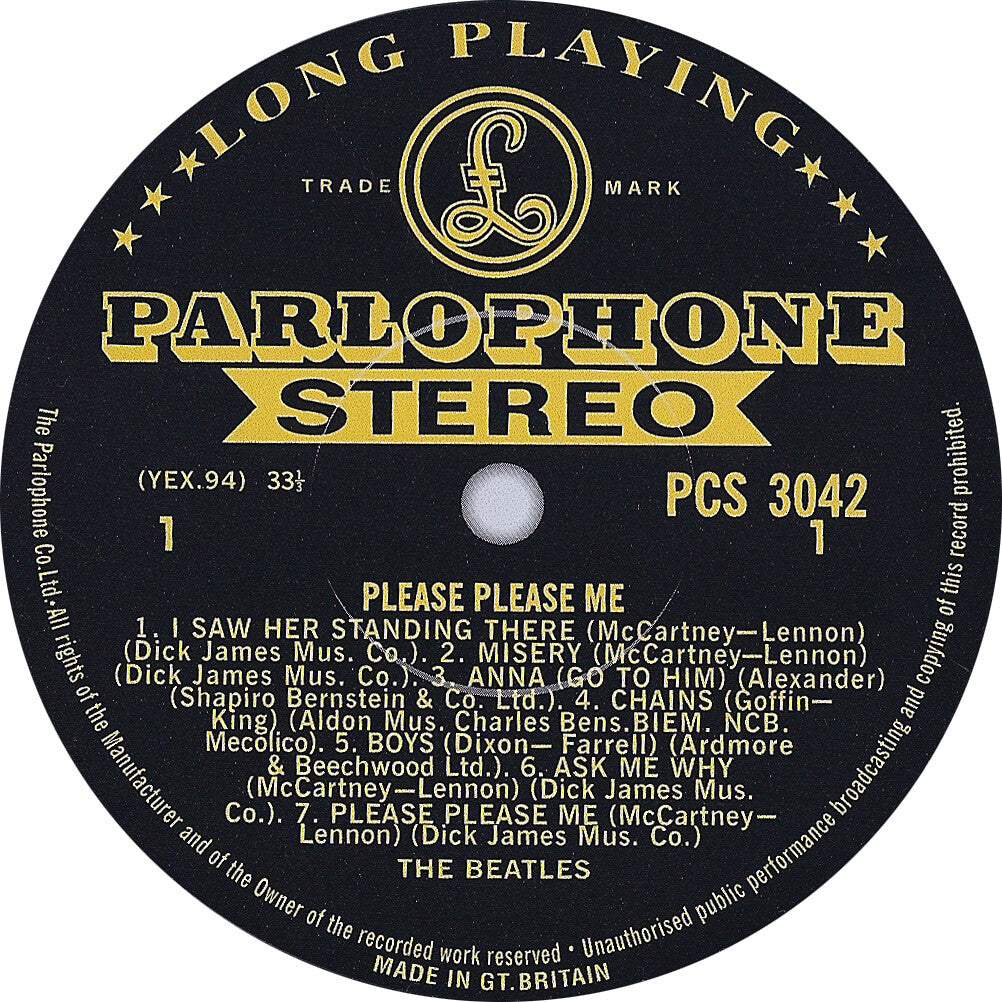
1. Please Please Me – black and gold Parlophone label, stereo (1963, £3,000 to £10,000+)
While 99% of the band’s 1963 debut album pressings feature the standard yellow block Parlophone logo and are considered commercial commonplaces worth very little in worn condition, copies purchased immediately upon release on 22 March 1963 carried a distinctive gold lettering design on a black label. The stereo variation (PCS 3042), which arrived in record shops six weeks after the mono edition, was pressed in a low initial batch estimated between 900 and 1,000 copies due to the scarcity of domestic stereo record players in British homes at the time. While heavily played mono gold-label copies still achieve £400 to £500, verified stereo pressings in average condition command roughly £3,000, scaling upwards to £10,000+ for unplayed examples that escaped the heavy tonearms of early 1960s record players.
Credit: Discogs
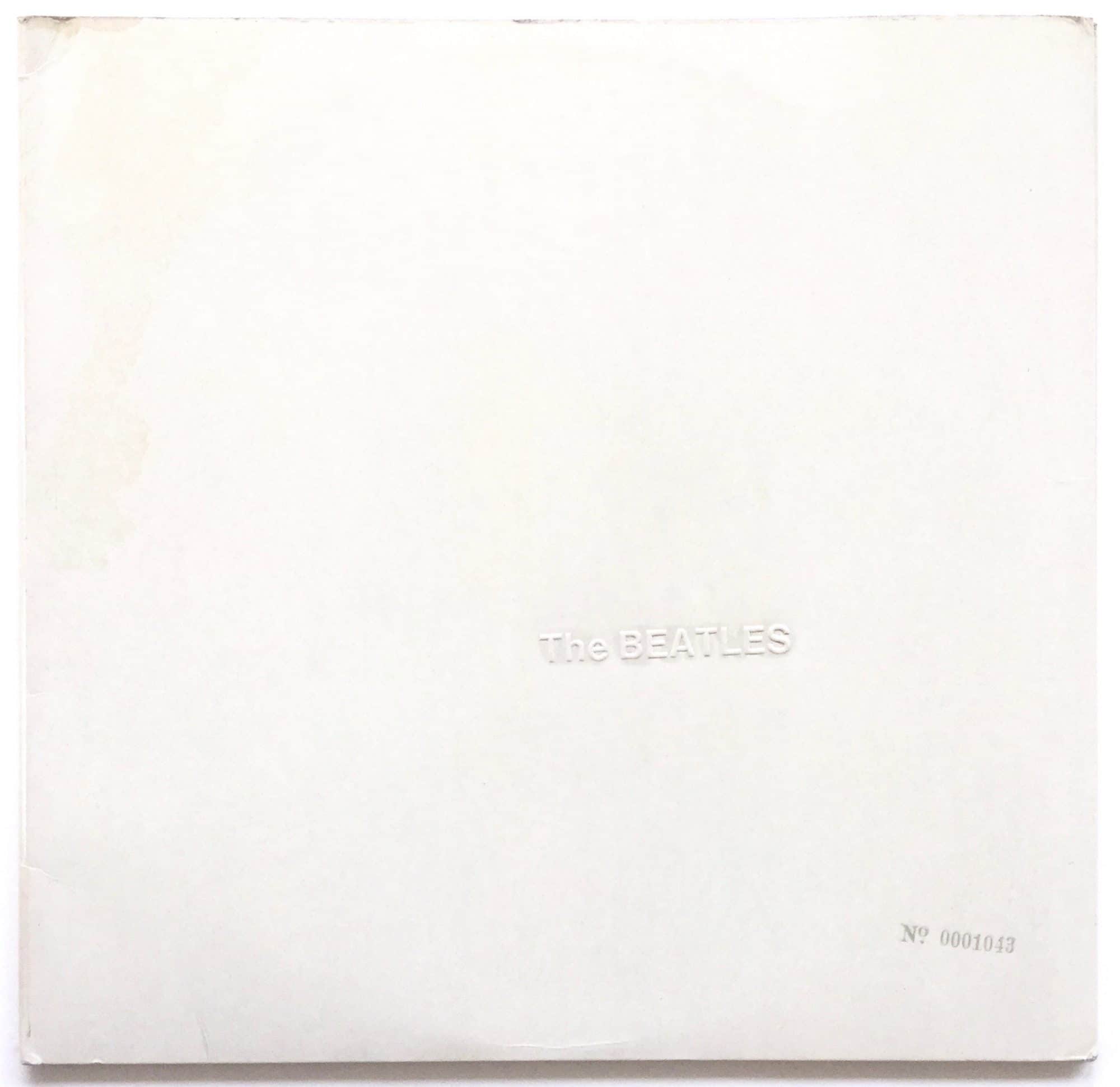
2. The Beatles (‘The White Album’) – mono first pressing with low serial number (1968, £3,000 to £500,000+)
Released on 22 November 1968, the band’s eponymous double album featured a top-opening gatefold sleeve designed by Richard Hamilton that was uniquely stamped with sequential serial numbers to mimic a limited-edition art print. It is documented that the band members themselves received serial numbers 0000001 through 0000004, with Ringo Starr selling his personal copy (No. 0000001) at auction in 2015 for a notable £575,000 ($790,000). For albums discovered in private collections, valuation is strictly stratified by the embossed number: copies numbered under 10,000 easily command £3,000 to £4,000, those under 1,000 achieve upwards of £5,000, and documented examples surviving with a serial number below 100 or 10 represent high-value assets that command significant premiums.
Credit: Recordmecca
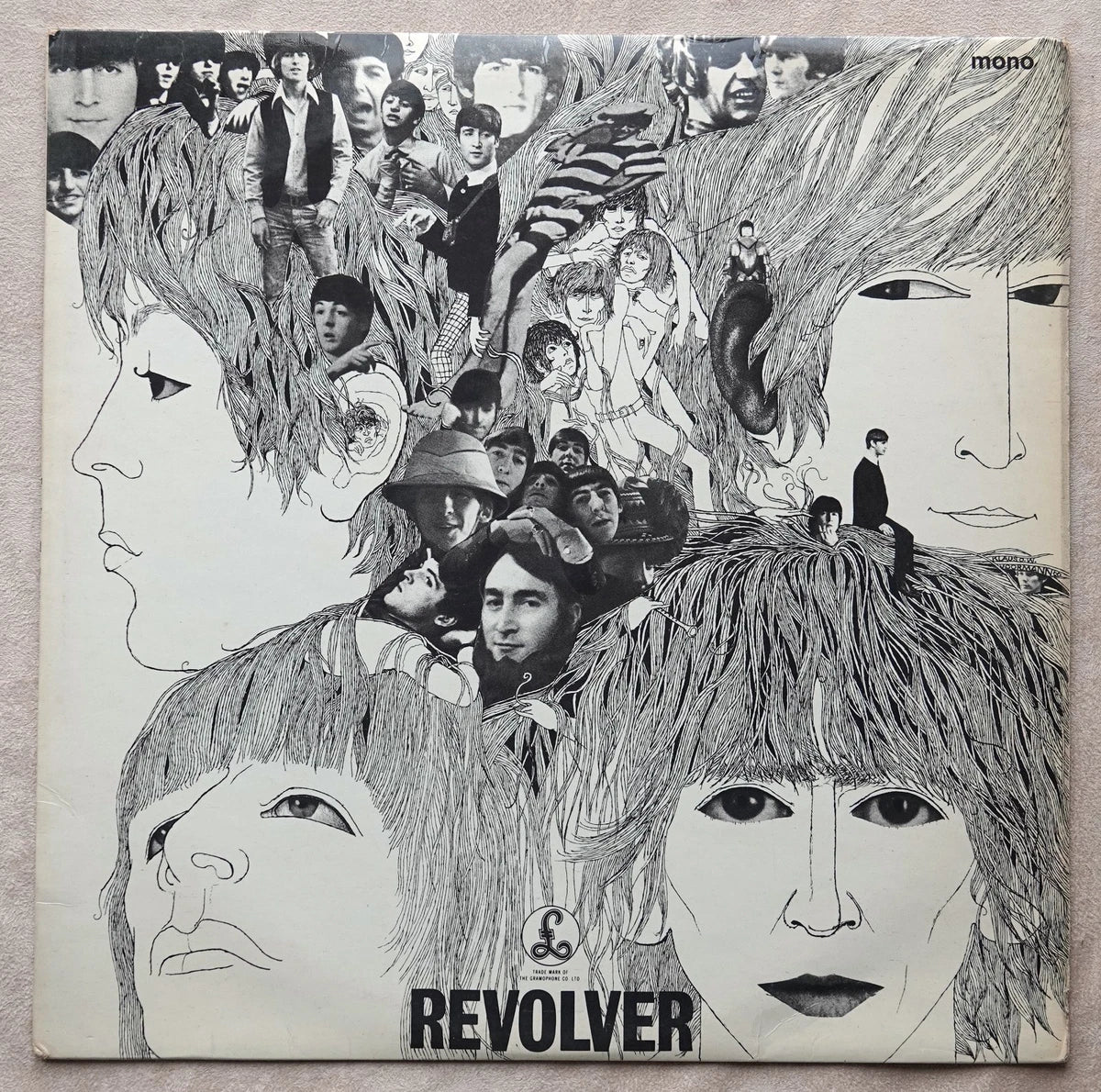
3. Revolver – mono ‘Remix 1’ withdrawn pressing (1966, £1,000 to £3,000+)
The initial UK mono pressing of Revolver (PMC 7009) contained “Remix 1” of the experimental closing track, “Tomorrow Never Knows,” identifiable exclusively by the alphanumeric matrix code XEX 606-1 stamped into the dead wax of Side 2. John Lennon expressed dissatisfaction with this specific studio mix after spinning an advance vinyl disc, prompting EMI to halt production immediately and recall the record; only an estimated few thousand copies were sold to the public on the first day of release before being replaced by the standardised Remix 2 (XEX 606-2). Standard worn mono pressings from 1966 trade for £50 to £150, whereas authenticated “Remix 1” pressings retaining clean grooves and undamaged flipback sleeves consistently achieve between £1,000 and £3,000 among archival collectors.
Credit: eBay
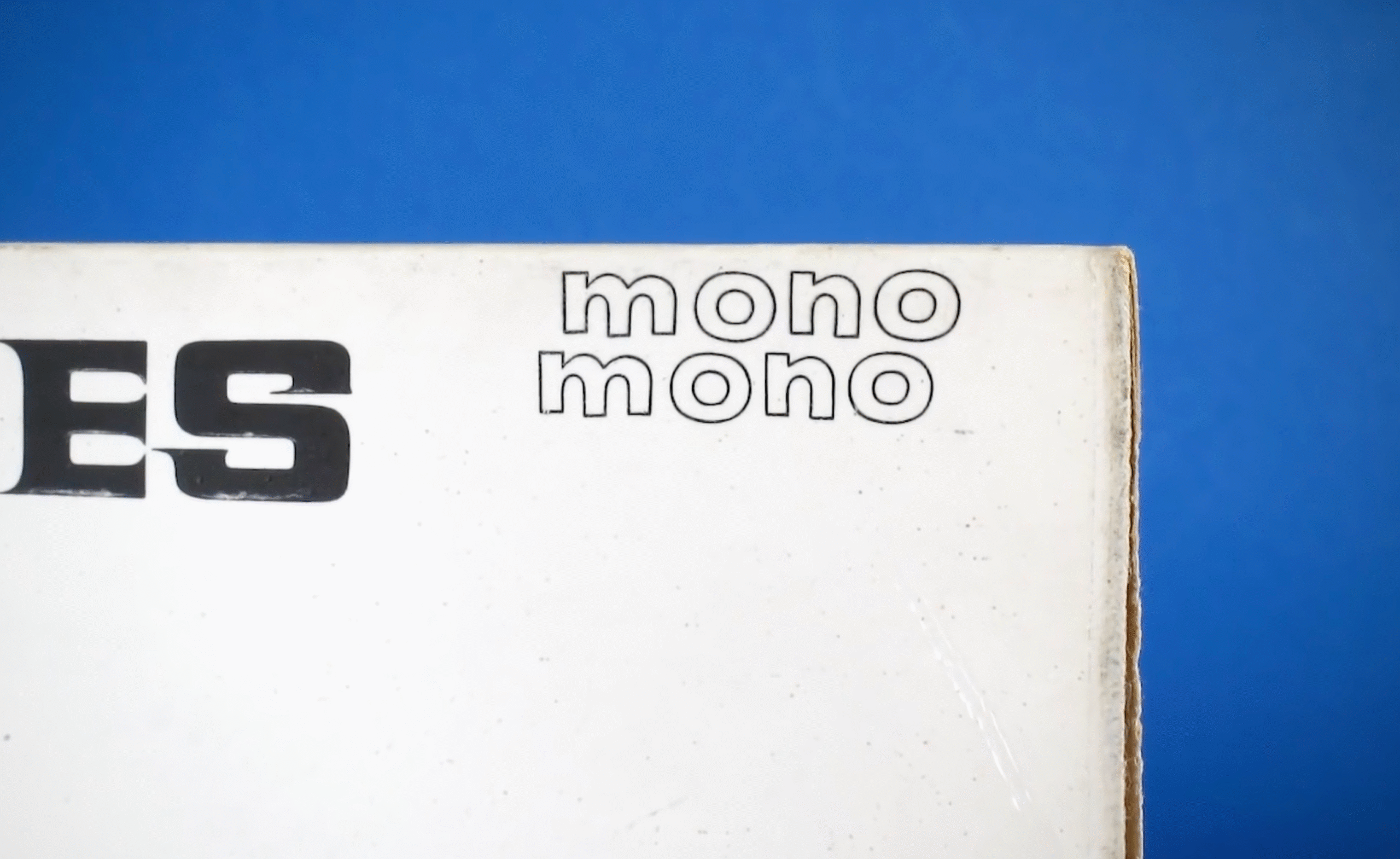
4. Help! – ‘Double mono’ front indicator cover misprint (1965, £500 to £1,200+)
Because EMI maintained strict quality control protocols at their Hayes manufacturing plant during the 1960s, physical sleeve and cover mispressings that escaped into retail circulation are scarce and sought after by collectors. During the assembly of the 1965 soundtrack album Help! (PMC 1255), a small batch of Garrod & Lofthouse laminated gatefold sleeves was misprinted with a typographical error displaying the “MONO” indicator designation twice on the top right corner of the front cover. While a standard, heavily played mono copy holds minimal financial value today, well-preserved copies housed within this “double mono indicator” error sleeve routinely command £500 to £1,200+ from specialised buyers seeking visual manufacturing anomalies.
Credit: Parlogram/YouTube
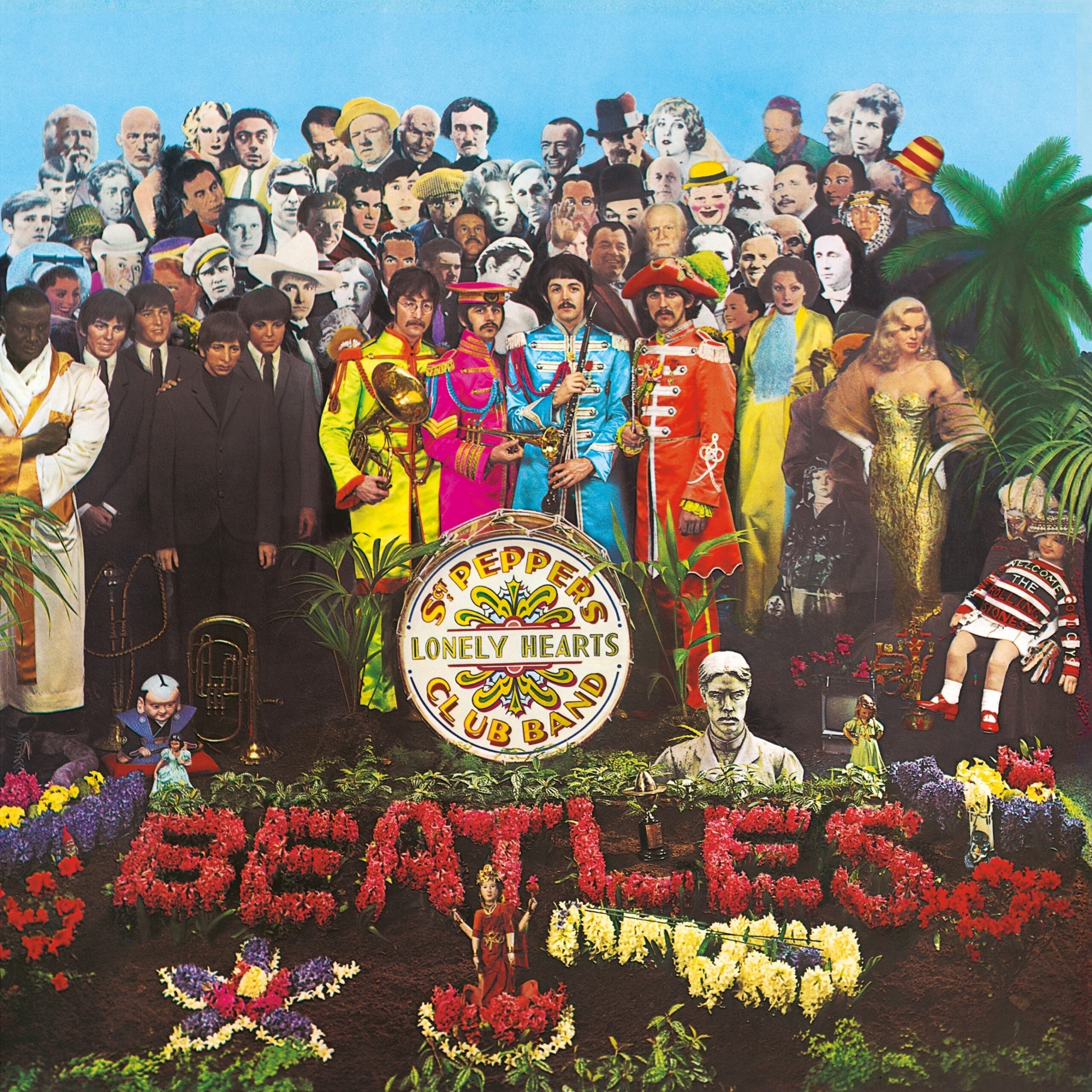
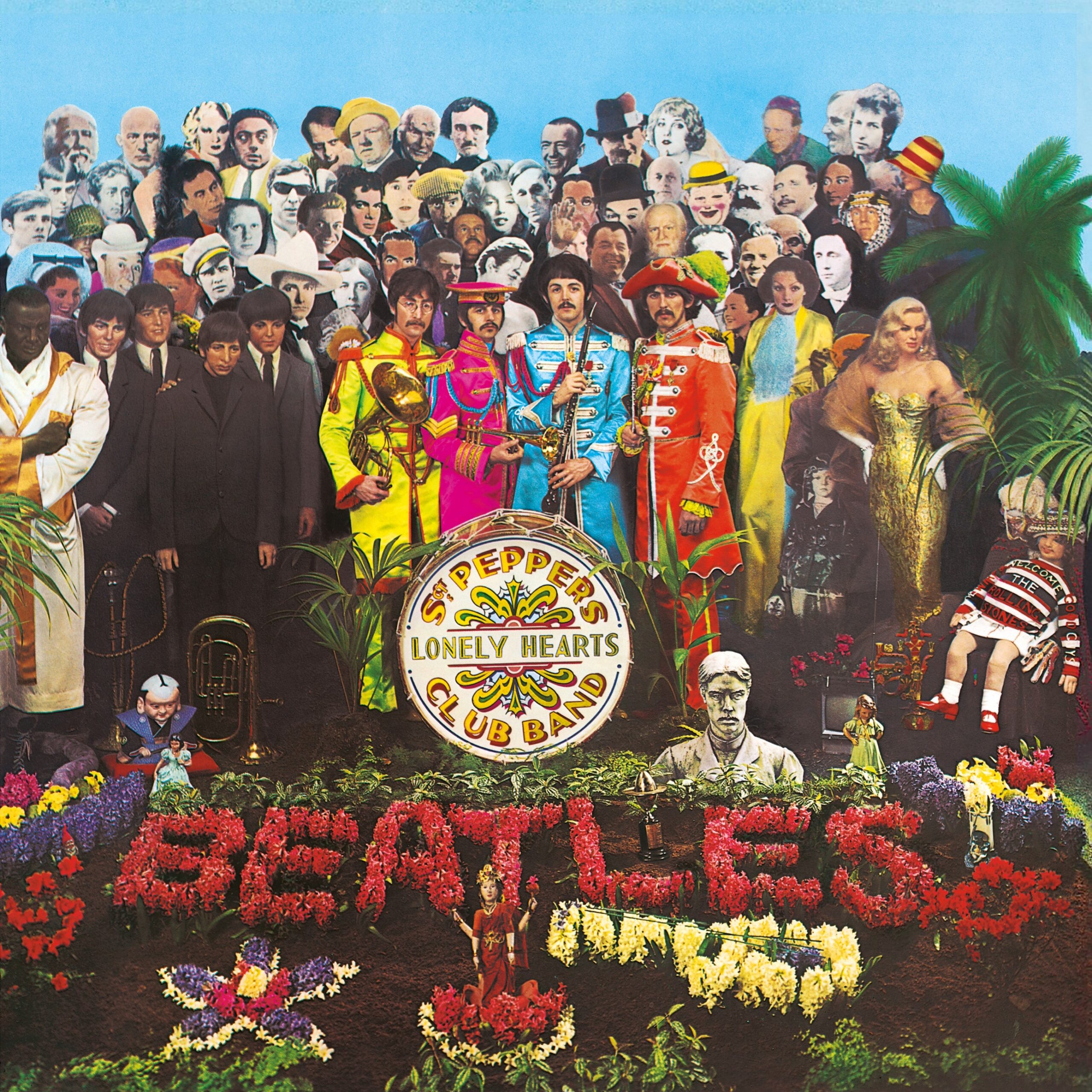
5. Sgt. Pepper’s Lonely Hearts Club Band – mint first pressing mono or ‘Wide spine’ cover (1967, £500 to £3,000+)
The valuation of the band’s 1967 album serves as a clear case study regarding the financial difference between standard used condition and pristine preservation. While a standard 1967 mono pressing (PMC 7027) in average condition—exhibiting typical ring wear and light spindle scuffs—fetches £30 to £50 today, an unplayed first-pressing mono copy complete with its original red-and-white “fool’s mate” inner sleeve and intact card cut-out sheet achieves £500 to £600+. Furthermore, preliminary manufacturing runs featuring an unusually wide Garrod & Lofthouse spine structure or retaining “Fourth Proof” review text on the inner flipback represent transitional packaging prototypes that command between £1,000 and £3,000 at specialised auctions.
Credit: Wikipedia
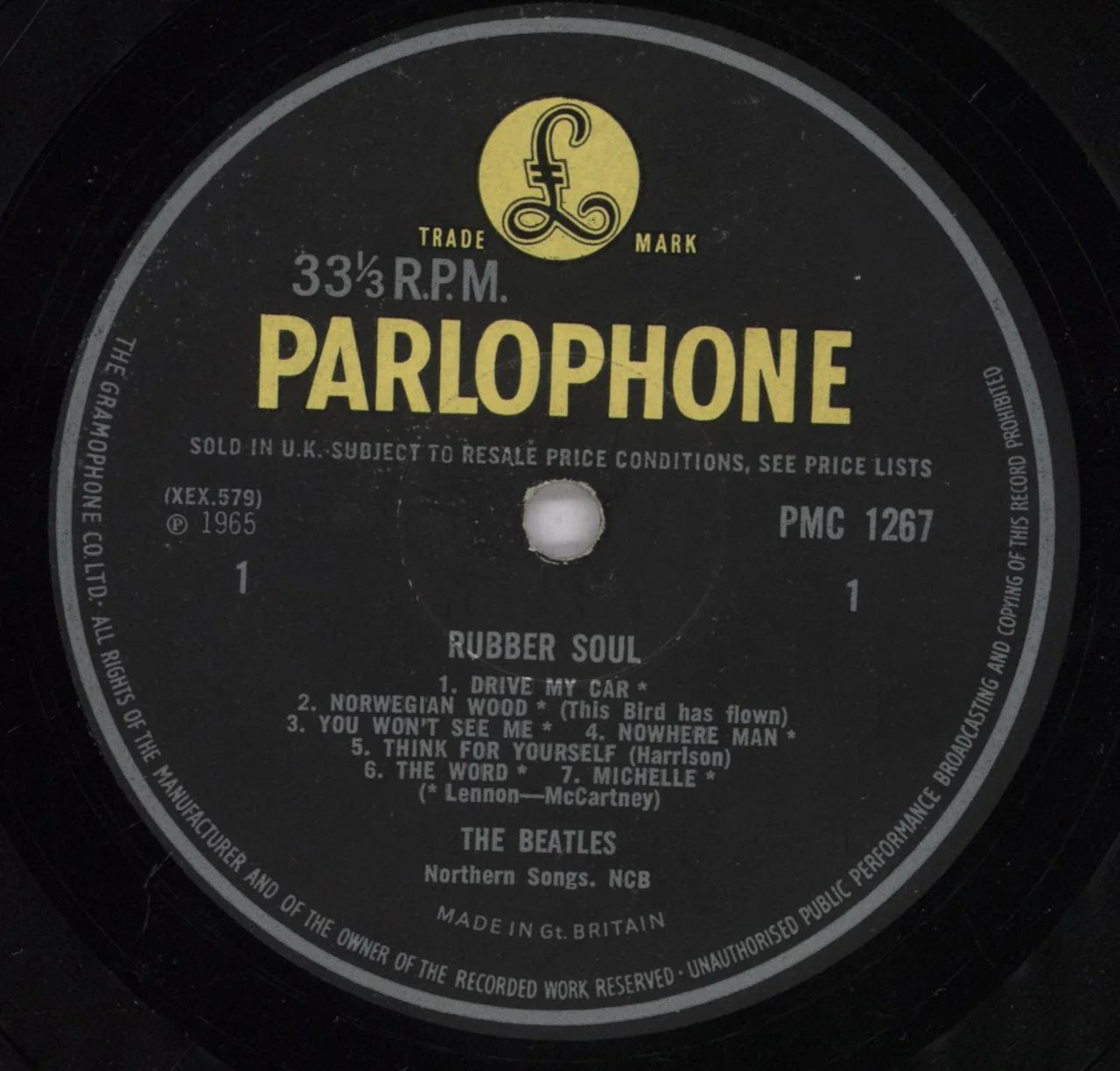
6. Rubber Soul – the ‘Loud cut’ mono pressing (1965, £300 to £1,200+)
Mastered at Abbey Road Studios by engineer Norman Smith, the very first UK mono pressing of Rubber Soul (PMC 1267) carried matrix numbers XEX 579-1 and XEX 580-1, indicating a loud and dynamic bass cut. This dynamic volume caused standard, low-fidelity 1960s record player tonearms to skip across the vinyl during playback, forcing EMI to withdraw the -1/-1 master plates within days of the December 1965 launch and replace them with a compressed, quieter -4/-4 cut after an estimated distribution of fewer than 20,000 units. While standardised later 1960s mono pressings change hands for £50 to £100, surviving “-1/-1 Loud Cut” discs that avoided groove wear from heavy needles achieve £300 to £1,200+, prized by audiophiles for delivering an uncompressed vocal presence.
Credit: RareVynil
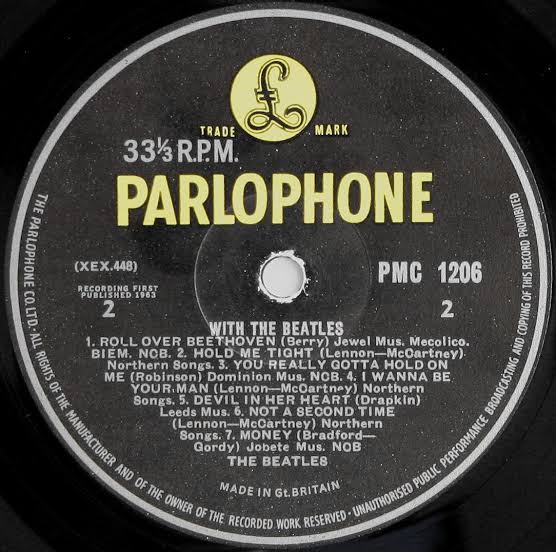
7. With The Beatles – ‘Jobete’ publishing credit error (1963, £500 to £1,500+)
Rushed through production to capitalise on substantial Christmas demand in late 1963, the band’s second studio album (PMC 1206) suffered a typographical misprint on the Side 2 vinyl label. The initial pressing run incorrectly credited the publishing rights for the cover track “Money (That’s What I Want)” to “Jobete” rather than the corrected legal credit, “Dominion Music,” before EMI plate-makers caught the error after an estimated run of roughly 30,000 to 50,000 units. While standard corrected “Dominion” pressings sell for £40 to £80 in readable condition, well-preserved “Jobete” error labels paired with undamaged, deep-shadow Robert Freeman covers achieve valuations ranging from £500 to £1,500+ as foundational artefacts of early 1960s manufacturing.
Credit: thebeetles-collection.com
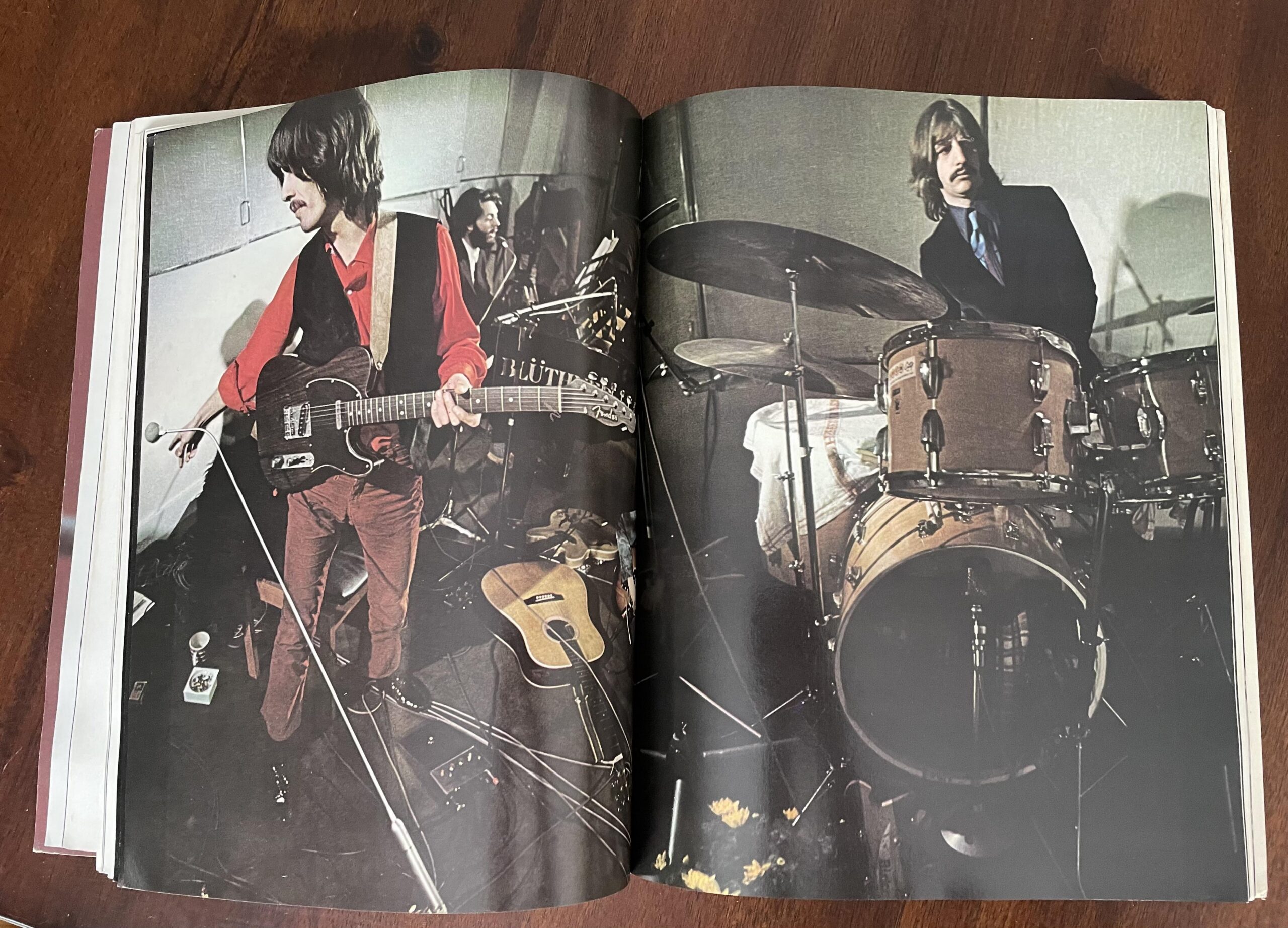
8. Let It Be – original box set with ‘Get Back’ book (1970, £500 to £1,500+)
The group’s final studio release was initially distributed in the UK as a deluxe retail box set (catalogue PXS 1), which housed the standard vinyl LP alongside a 164-page softcover book titled Get Back, featuring photographs by Ethan Russell and text by Jonathan Cott. The outer black cardboard slipcase was fragile and prone to crushing or tearing during retail display, while the adhesive binding of the enclosed book frequently disintegrated; although several hundred thousand sets were manufactured, intact examples surviving without structural decay or missing internal trays are scarce. A loose Let It Be LP with a standard green Apple label sells for £40 to £80, but a complete, undamaged original PXS 1 box set retaining a clean book and rigid outer slipcase commands between £500 and £1,500+.
Credit: Reddit / WhisperingSideways
9. Parlophone export pressings and Odeon ‘Yellow Submarine’ (1964–1969, £500 to £5,000+)
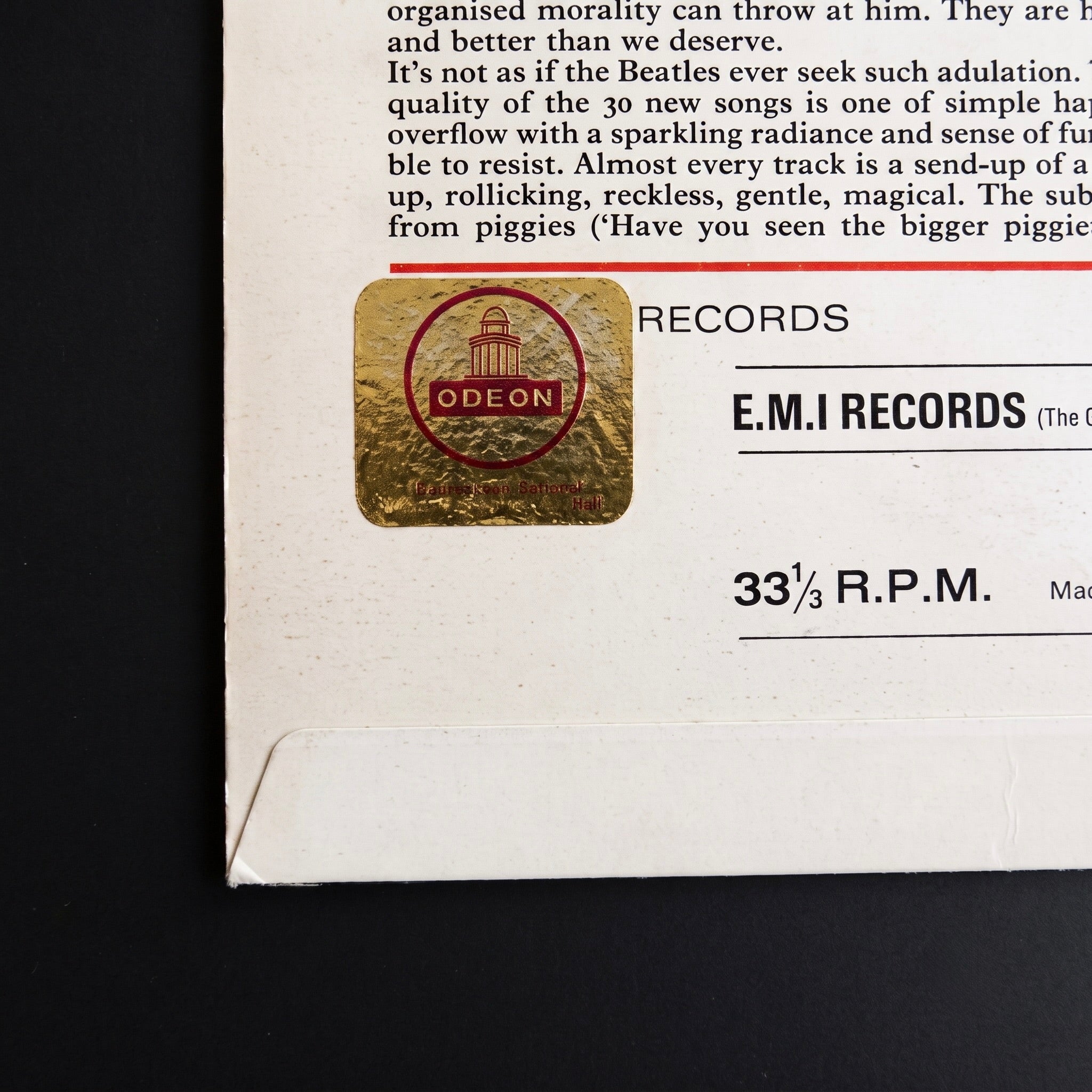
During the 1960s, EMI manufactured specialised UK vinyl pressings of American Capitol Records tracklists—such as The Beatles’ Second Album, Something New, and Beatles VI—specifically for export distribution to US military PX stores in West Germany and select international bases. Pressed on UK black-and-yellow Parlophone labels and housed in sturdy British Garrod & Lofthouse laminated flipback sleeves, these stereo-only discs were sold to American service personnel at half the domestic US retail price and were produced in micro-batches of just 500 to 2,000 units per title. While clean examples of these PX military pressings achieve £500 to £800 today, the rarest EMI export LP is the 1969 UK-pressed Yellow Submarine issued on the unfamiliar Odeon label (catalogue PPCS 7070), which rarely surfaces on the open market and commands up to £5,000 in top preservation grade.
Credit: Rareprogpsych
10. A Hard Day’s Night – first stereo pressing with medium Parlophone logo (1964, £400 to £1,200+)
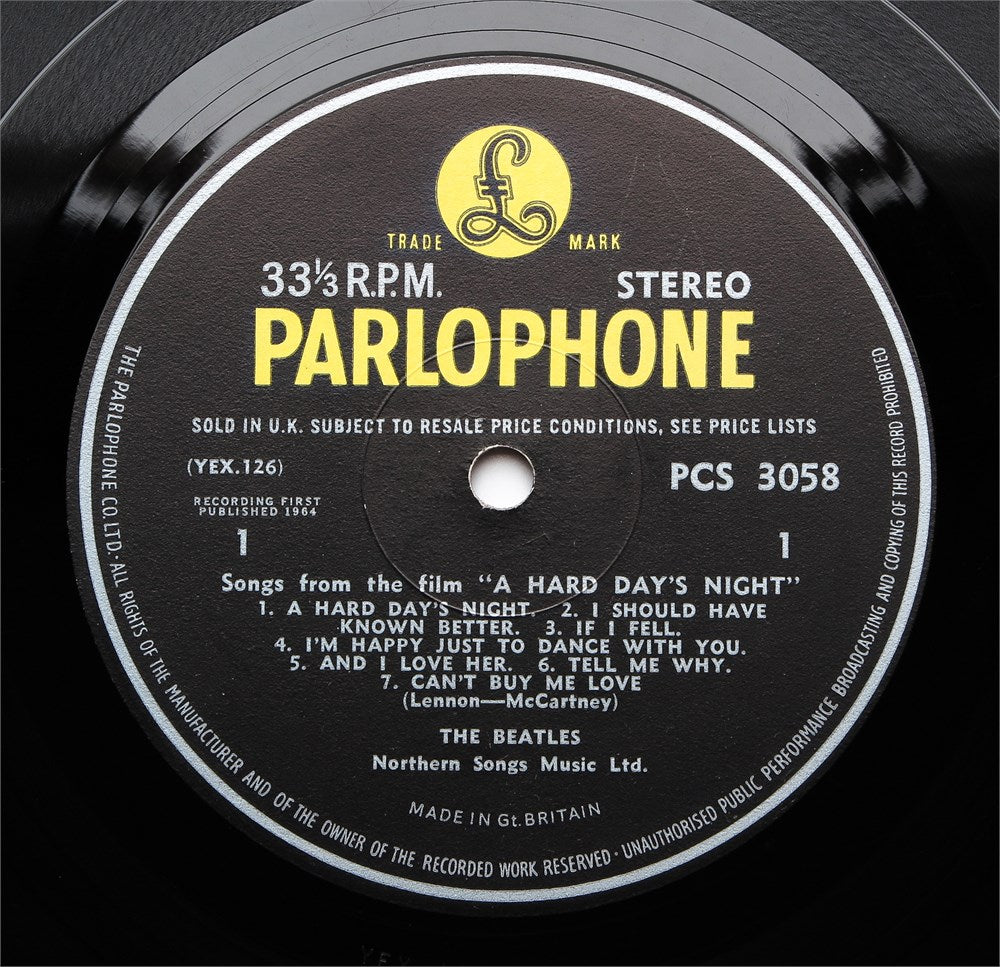
The soundtrack to the band’s theatrical film debut was released in July 1964, marking the first Beatles album consisting entirely of original Lennon–McCartney compositions. While mono pressings (PMC 1230) sold over one million copies in the UK, the initial stereo run (PCS 3058)—distinguished by a medium-sized Parlophone logo and “Chappell & Co.” publishing credits on the label—accounted for less than 3% of total manufacturing output due to low domestic stereo adoption. Heavily played mono copies trade for £30 to £60, whereas well-preserved first-pressing stereo copies in Garrod & Lofthouse laminated flipback sleeves achieve valuations of £400 to £1,200+, driven by audiophile demand for stereo separation on early guitar-driven British pop recordings.
Credit: ParlogramAuctions
The history of The Beatles and Parlophone
The franchise originated with Liverpool-born musician John Lennon, who formed a skiffle group called the Quarrymen in 1956. Performing in youth clubs and rural parish halls across Merseyside, Lennon was soon joined by guitarist Paul McCartney and lead guitarist George Harrison. As the group transitioned from skiffle to American-influenced rock and roll, they honed their live performance capabilities during residency stints in Hamburg, Germany, before establishing a permanent local following at Liverpool’s Cavern Club.
Alongside drummer Ringo Starr, the band secured management under local record shop owner Brian Epstein, who refined their stage presentation and pitched their recordings to major London record companies. After being rejected by Decca Records, Epstein secured an audition with EMI’s Parlophone label, managed by producer George Martin. With guidance from Martin, the project underwent a recording cycle at Abbey Road Studios, launching commercially in October 1962 with the single “Love Me Do” before releasing their full-length debut, Please Please Me, in early 1963.
The core vinyl release strategy relied on driving domestic chart dominance through continuous touring and broadcast appearances, allowing Parlophone to issue two full-length albums per year. When the group expanded internationally in 1964 alongside American television broadcasts, theatrical film releases, and extensive merchandising, they established a significant global market share. Their subsequent decision to retire from live touring in 1966 allowed them to utilise the recording studio as an instrument itself, pioneering multitrack recording and gatefold album packaging that elevated the vinyl LP from a collection of promotional singles into a unified art form.
Today, The Beatles represent the best-selling music artists of all time, demonstrating how 1960s British pop recordings evolved into an established asset class within the international collectables and archival market.
Beyond retail LPs: the world of UK promotional demo singles and studio rarities
While retail album pressings represent the core of the consumer collectables market, a distinct collecting category exists within the realm of industry-only promotional releases and pre-production artefacts. Because regular commercial 7-inch singles (45s) were mass-produced in the millions and experienced regular wear in 1960s teenage households, standard retail singles hold minimal commercial value today outside of the very first red-label releases of Love Me Do and Please Please Me. However, strictly limited pressings manufactured explicitly for broadcast DJs, print reviewers, and studio engineers command valuations that often exceed those of standard vinyl LPs.
1. The red and white ‘A’ label demos (1962–1966, £2,000 to £12,500+)
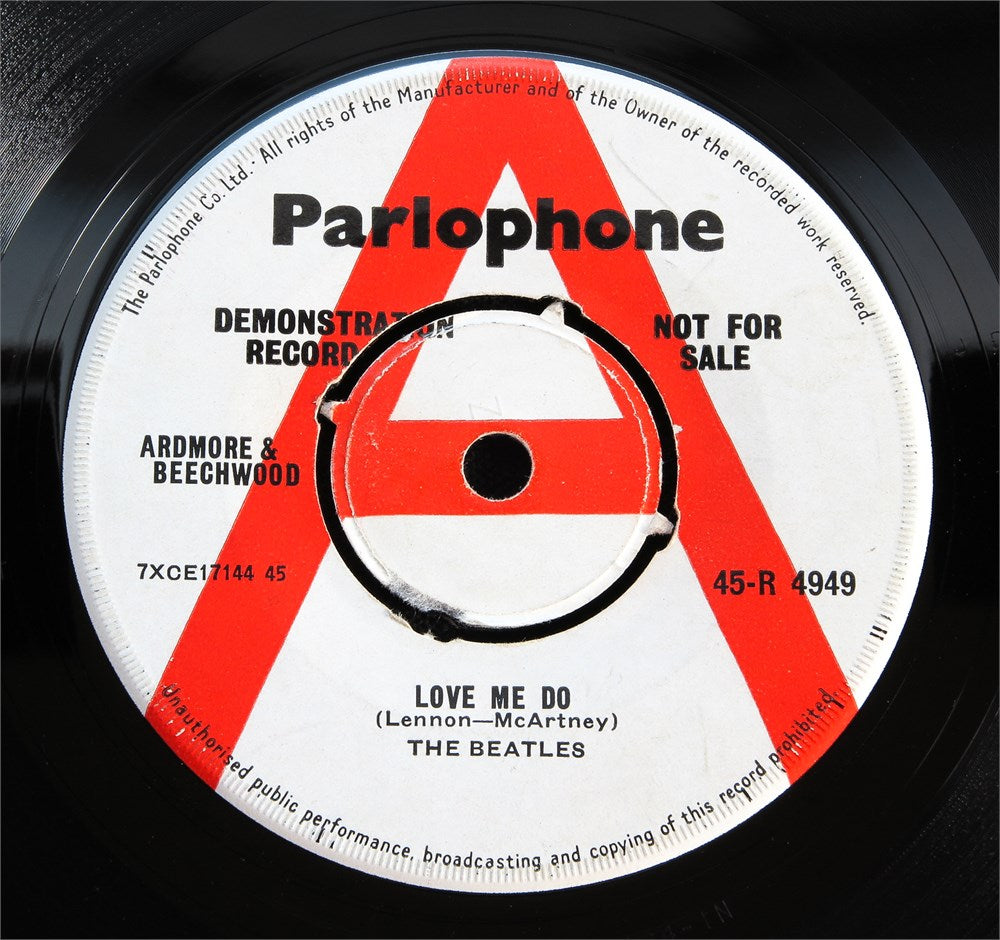
Before a single reached high-street shops, EMI pressed promotional demonstration discs in micro-batches estimated between 250 and 500 units per title. Between the late 1950s and mid-1966, these UK Parlophone demos were manufactured on oversized custom white labels featuring a prominent red letter “A” printed over the playing side to indicate the plug track. For double-A-side releases where the band refused to prioritise a single track—such as the 1964 pairing of A Hard Day’s Night with Things We Said Today—the red “A” was printed on both sides of the disc. In total, exactly eight original Beatles singles were distributed with this red-and-white demo label design: Love Me Do, Please Please Me, From Me To You, I Want To Hold Your Hand, A Hard Day’s Night, Ticket To Ride, We Can Work It Out, and Paperback Writer. While standard Near Mint copies of the latter seven titles achieve an average valuation of £2,000 to £3,000 at auction, the most valuable example of the format is the band’s 1962 debut single, Love Me Do (catalogue 45-R 4949). Pressed on 5 October 1962, this demonstration record misprinted Paul McCartney’s surname as “McArtney” on both sides of the custom label. Housed in its original green wavy “TOP POP” paper sleeve with faint ZT purchase tax codes stamped into the label, authenticated surviving examples of this 250-unit pressing consistently fetch between £8,000 and £12,500+ at high-end auction houses.
Credit: ParlogramAuctions
2. The green and white ‘A’ label demos (1967–1969, £2,000 to £5,000+)
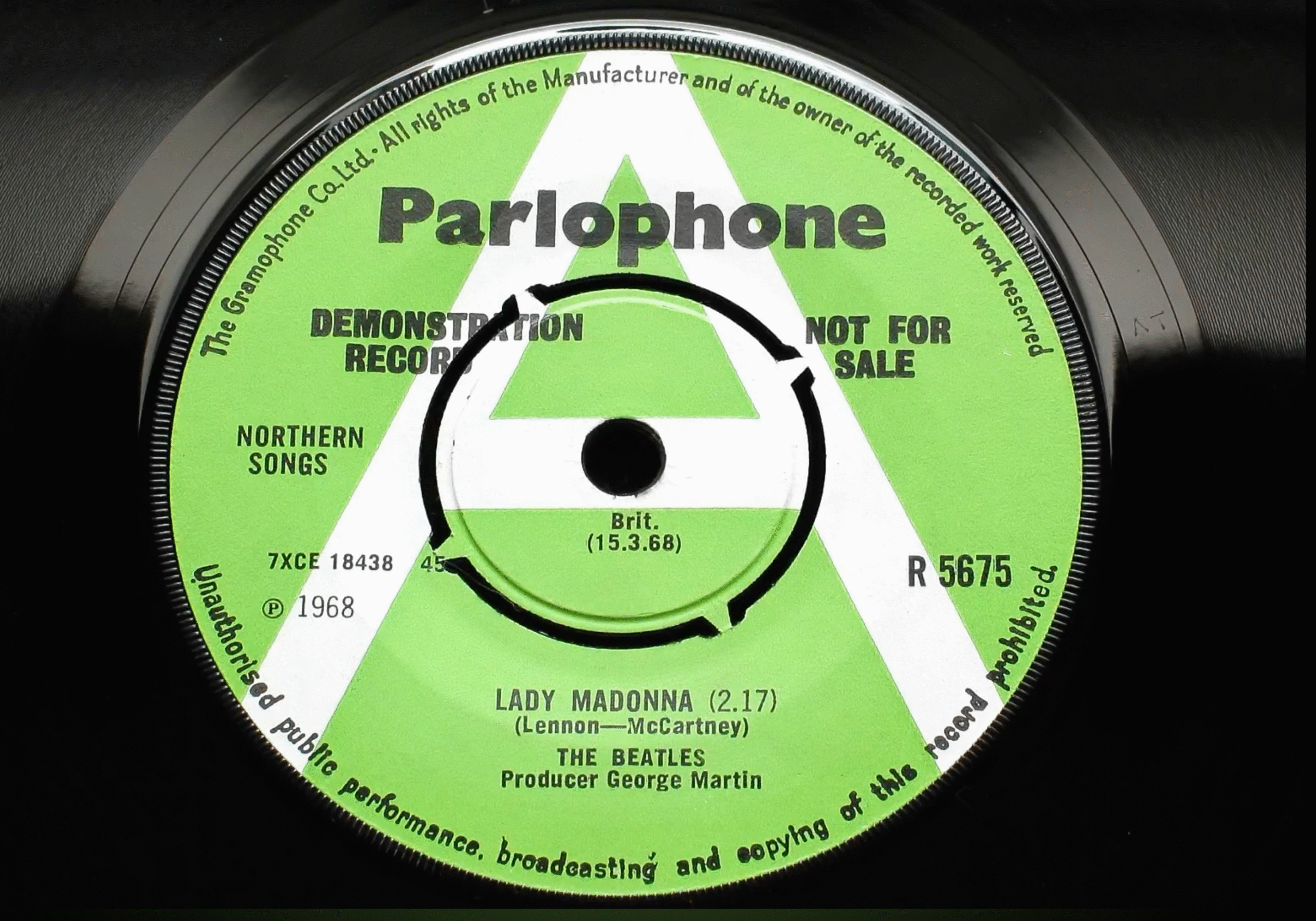
In 1967, EMI altered the aesthetic presentation of their promotional department, replacing the traditional red-and-white design with a green-and-white colour scheme. Exactly four Beatles singles were pressed with this revised demo layout: All You Need Is Love, Hello Goodbye, Lady Madonna, and the 1969 release of Something. Because the band established Apple Records in 1968, standard custom printed demo labels were largely abandoned in favour of plain white labels bearing typed text or standard retail discs adorned with adhesive “Factory Sample – Not For Sale” stickers. Consequently, the appearance of the 1969 George Harrison composition Something on a formal green-and-white EMI demo label represents a notable manufacturing anomaly within the Apple era, driving its open-market valuation to between £4,000 and £5,000 in top condition. By contrast, UK singles distributed exclusively as stickered “Factory Samples”—such as She Loves You, Can’t Buy Me Love, I Feel Fine, Help!, Yellow Submarine, and Strawberry Fields Forever—were simply mass-market retail discs pulled from the assembly line for giveaway purposes. These factory stickers add historical interest rather than extreme scarcity, commanding a modest two- to three-fold price premium over standard stock copies rather than five-figure sums.
Credit: Parlogram/YouTube
3. In-house test pressings and EMIDISC acetates (£1,000 to £10,000+)
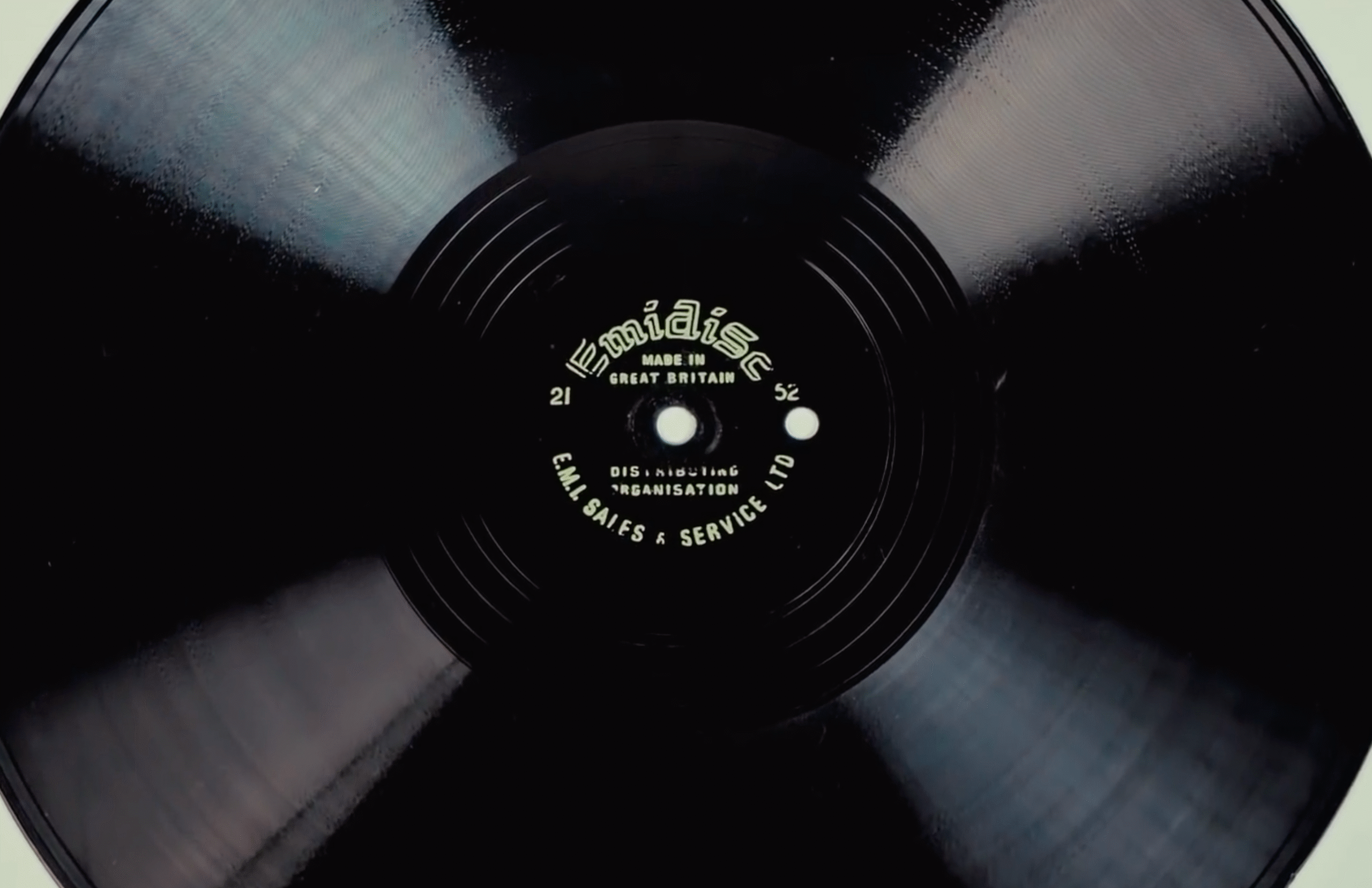
Preceding both promotional demos and retail stock discs in the manufacturing timeline are factory test pressings. Produced to allow quality control engineers to audit metal stampers for physical clicks, groove jumps, or audio distortion before mass pressing commenced, album test pressings typically consisted of two separate, single-sided vinyl discs. One disc contained the audio programming for Side 1 while the reverse played a continuous 580Hz diagnostic calibration tone, with the second disc covering Side 2 in the same fashion. Because these discs were strictly intended for immediate destruction or internal disposal at the Hayes factory, surviving complete two-disc album test pressings represent archival assets valued up to £5,000. At the apex of rarity sits the lacquer-coated aluminium acetate, historically known at Abbey Road Studios as an EMIDISC. When artists or producers wanted to evaluate a day’s studio recording at home, mastering engineers—most notably Harry Moss—cut a direct physical reference onto a fragile, lacquer-coated aluminium blank. Housed in heavy, cardboard-lined metal boxes, these 7-, 10-, and 12-inch discs carried distinctive EMIDISC branding prior to 1960 and featured an extra drive-pin hole near the centre label to prevent the smooth metal from slipping on the cutting lathe. Because soft lacquer degrades rapidly under tonearm weight and eventually shrinks, flakes, and peels away from its aluminium core over time, surviving Beatles acetates in playable condition are scarce. Valuation is tied entirely to audio content: while standard alternate takes fetch several thousand pounds, unique home demos or unreleased recordings—such as the 1963 home acoustic demo of What Goes On, sold at auction for £10,000—represent significant historical documents that sit at the top of music collecting.
Credit: Parlogram/YouTube