



Music memorabilia has moved well beyond simple fan collecting to become a recognised alternative asset in the global fine art market.
Market prices for these items often reach six and seven figures, which makes it important to understand what creates real historical value. While mass-produced merchandise tends to lose value, unique items with clear history, direct stage use, or close studio ties continue to set auction records around the world.
For both experienced archivists and those entering the market for the first time, knowing which categories hold long-term value helps protect an investment. From guitars played on stage to handwritten lyrics, provenance matters most of all.
This list covers the five collecting categories dominating the international auction market right now, along with practical advice on verifying authentic items.
Discover all in our:
Guide to music memorabilia collectors are chasing right now
1. Stage-played musical instruments and prototypes ($2.85m+ records)
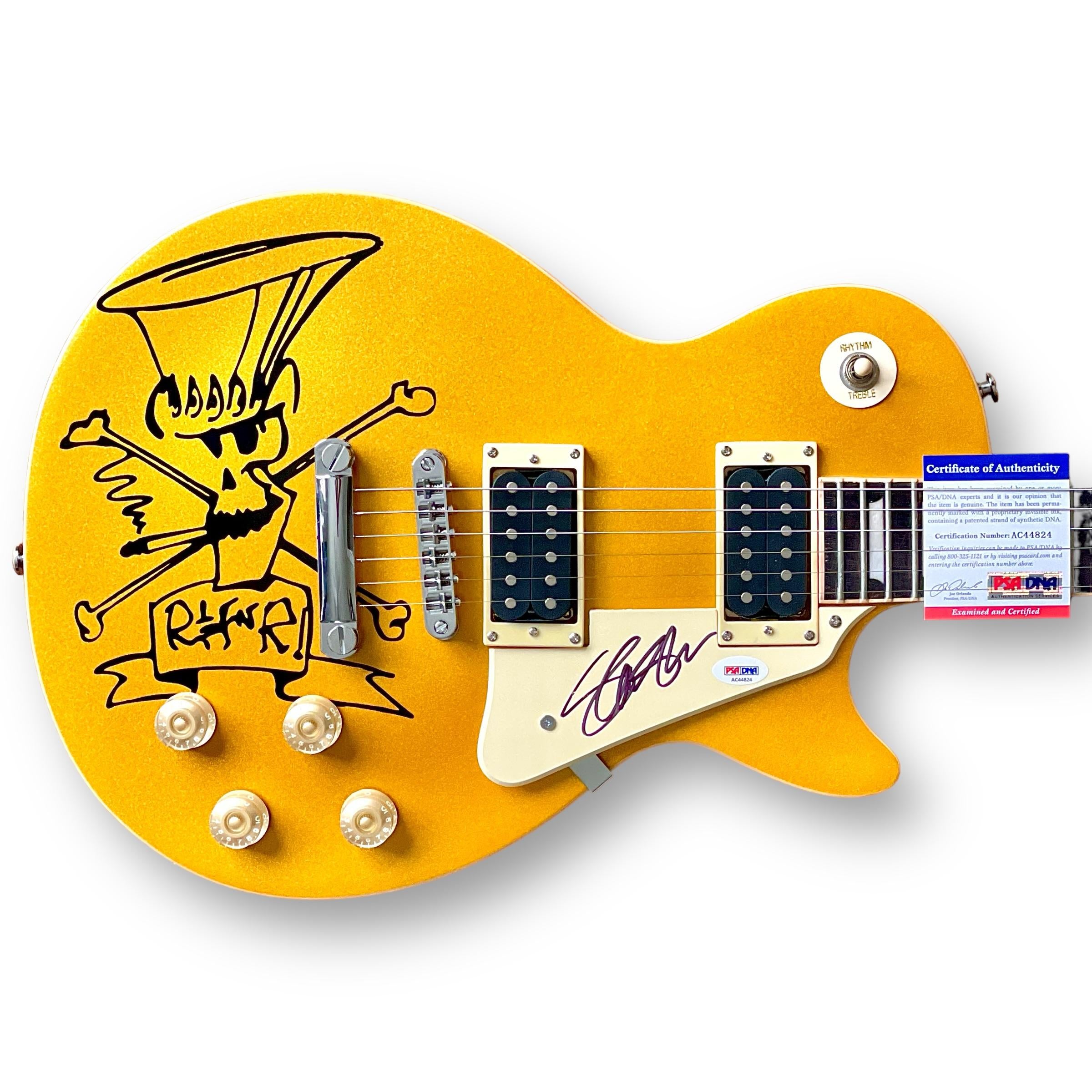
While standard autographs and merchandise are fairly common, guitars and instruments played on stage or in the studio by well-known musicians bring the highest prices in the collecting world. When an instrument is connected to a significant moment in music history or a classic album, collectors regard it with the same respect as fine art.
The market for stage-played instruments hit historic levels in May 2024 when John Lennon’s long-lost 1965 Framus Hootenanny 12-string acoustic guitar sold at Julien’s Auctions for $2.85 million (around £2.25 million). Used by Lennon and George Harrison during the recording of the Rubber Soul album and the film Help, its price shows that documented studio instruments are among the most valuable categories in memorabilia investing.
Credit: Pristine Auction
2. Original handwritten working lyrics and studio manuscripts (£200,000 to £1.38m+)
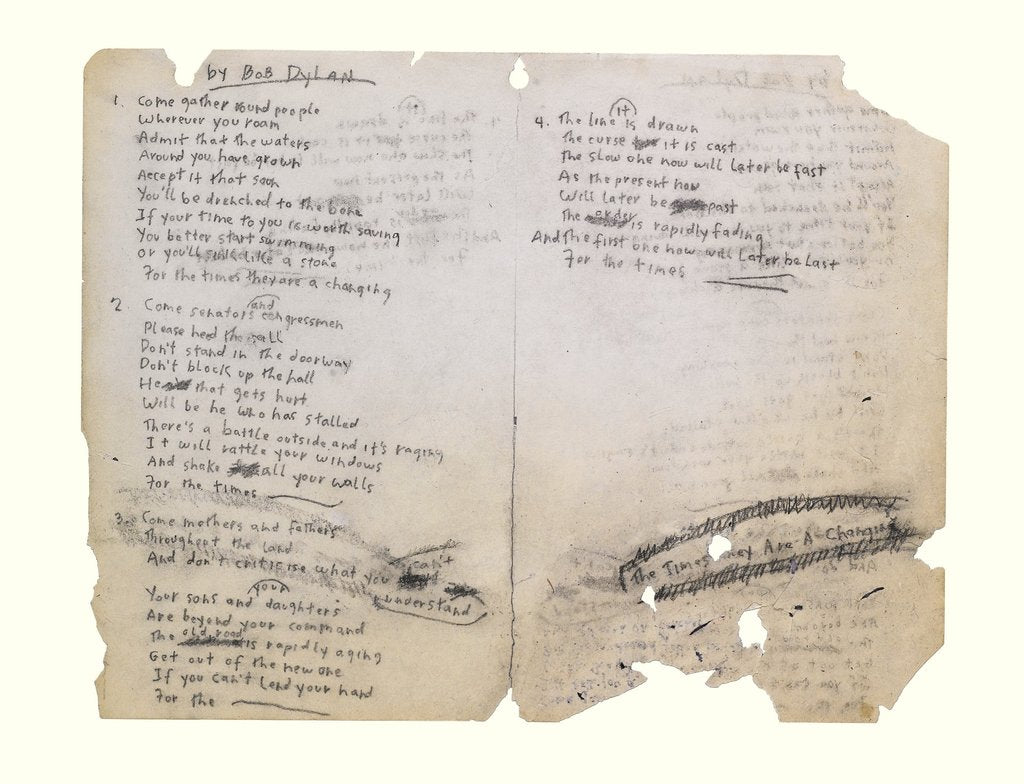
Great songs often define generations. Original handwritten drafts that include a songwriter’s notes, chord markings, and crossed-out lyrics are intimate historical artefacts. Unlike mass-produced lyric sheets signed at promotional events, authentic pre-production manuscripts provide a direct glimpse into the creative process of well-known songwriters.
Recent auction results show strong competition for top literary items. In September 2022, David Bowie’s original handwritten draft for “Starman” sold at Omega Auctions for £203,500. Just one year later, during the historic Sotheby’s sale of Freddie Mercury’s estate in September 2023, his 15-page draft for “Bohemian Rhapsody” sold for £1.38 million, confirming original manuscripts as a serious category for investment.
Credit: Sotheby’s
3. Stage-worn wardrobe and notable fashion pieces (£50,000 to £635,000+)
A musician’s visual identity can be just as famous as their music. From tailored suits and leather jackets to designer outfits worn during major tours, music videos, or album cover shoots, clothing carries real cultural and emotional value for collectors.
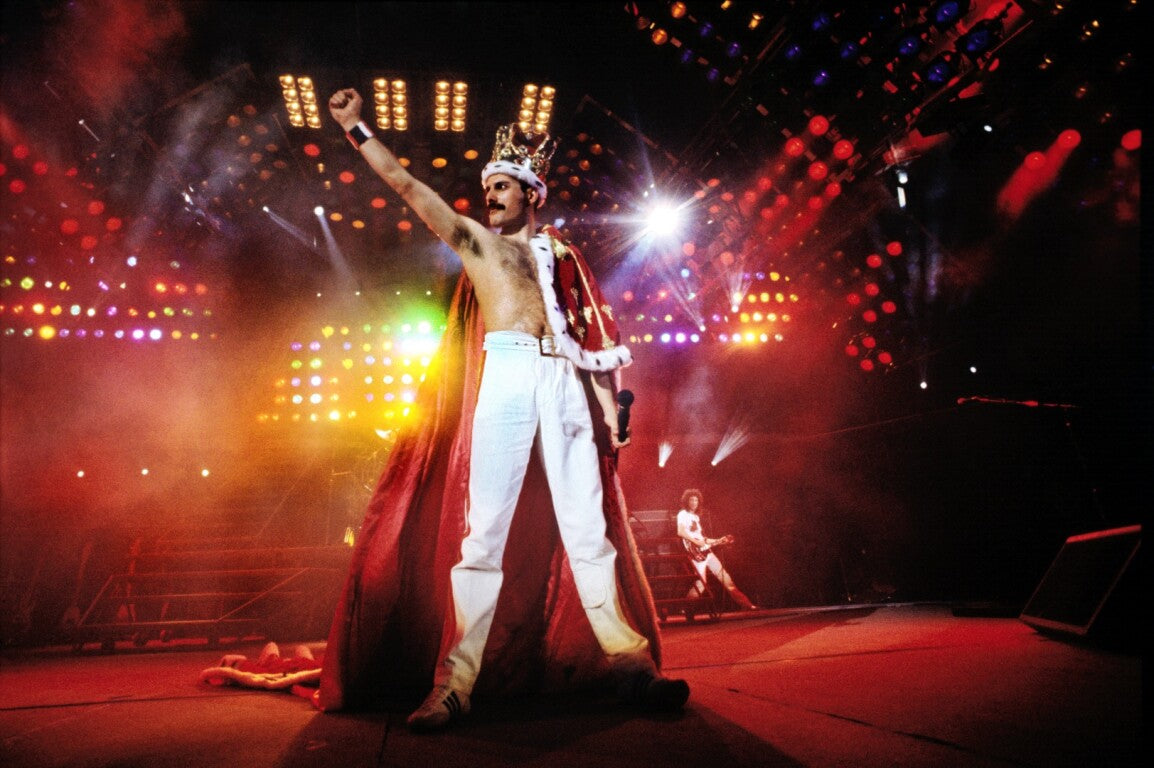
The value of documented stage wardrobe was clear during the 2023 Sotheby’s auction of Freddie Mercury’s estate. While typical stage apparel usually sells for five figures, Mercury’s signature velvet crown and faux-fur cloak set worn during Queen’s 1986 Magic Tour sold for £635,000. When investing in wardrobe, forensic photography and thorough provenance checks are essential for ensuring authenticity.
Credit: Sotheby’s / Denis O’Regan
4. Vintage concert posters and rare promotional items (£10,000 to £275,000+)
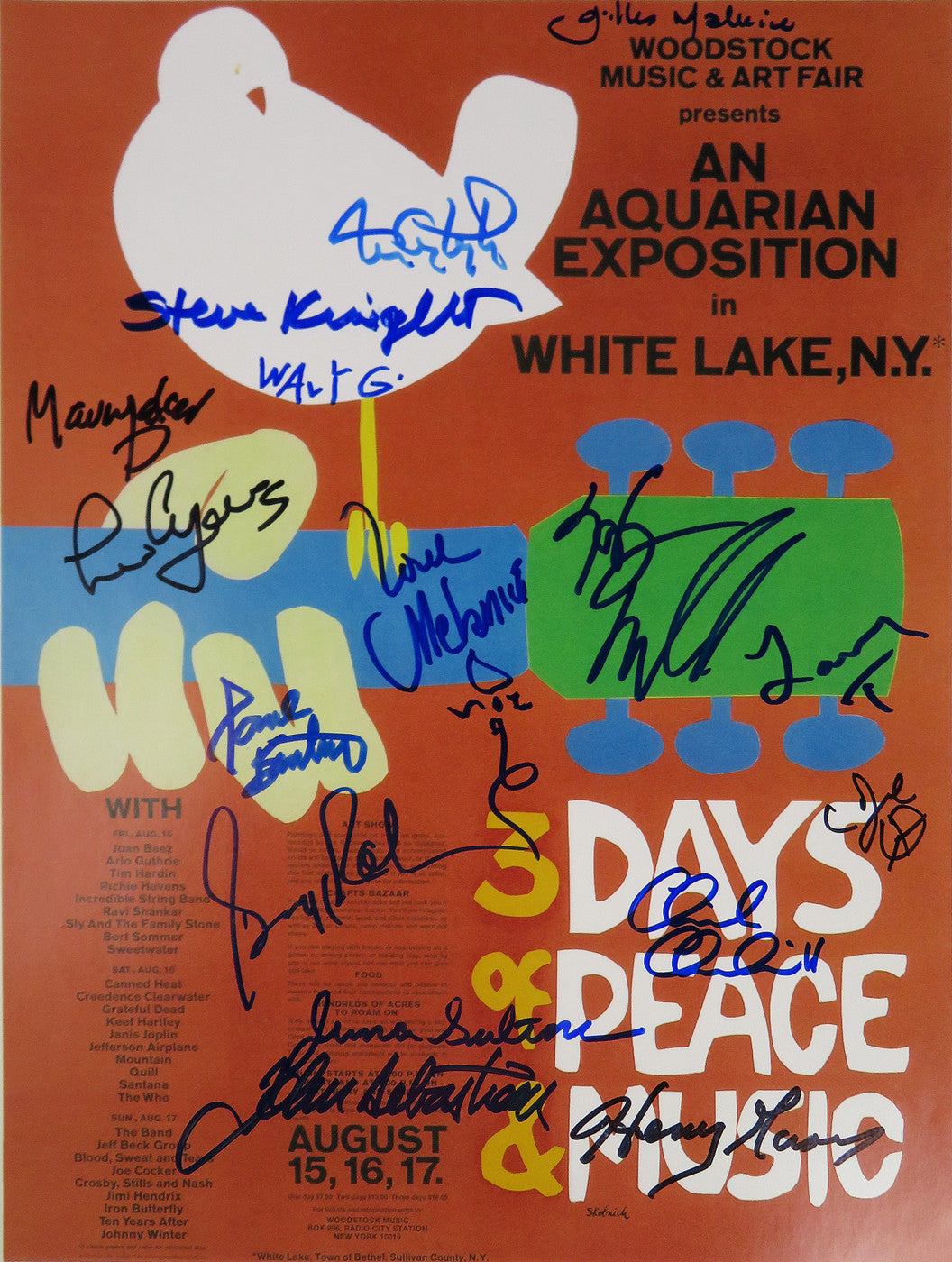
Before the digital age, promoters used colourful cardboard posters and window cards to advertise concerts. Since these posters were meant to be pasted up and discarded after shows, surviving originals from historic gigs are rare and sought after by collectors.
In August 1966, an untouched cardboard window card from The Beatles’ final tour performance at New York’s Shea Stadium sold at Heritage Auctions for a record $275,000 (around £220,000). Similarly, 1960s psychedelic posters from San Francisco’s Avalon Ballroom and UK punk flyers regularly fetch five figures when kept in excellent condition without pinholes or tears.
Credit: Premier Auctions
5. Original studio acetates, master tapes, and unreleased demos (£1,000 to £240,000+)
For audio purists and collectors, physical sound artefacts hold particular historical importance. Before vinyl albums are made, engineers cut direct reference discs, known as acetates, on lacquer-coated metal blanks for artists to review. Because these delicate discs wear out after just a few plays, surviving studio acetates and early demo tapes are considered significant pieces of sound history.
Jack White secretly bought Elvis Presley’s 1953 debut Sun Records acetate of “My Happiness” at a Graceland auction for $300,000 (around £240,000). Even in modern indie music, verified early cassette demos from the 1980s and 1990s regularly sell for between £1,000 and £3,000 at specialised auction houses.
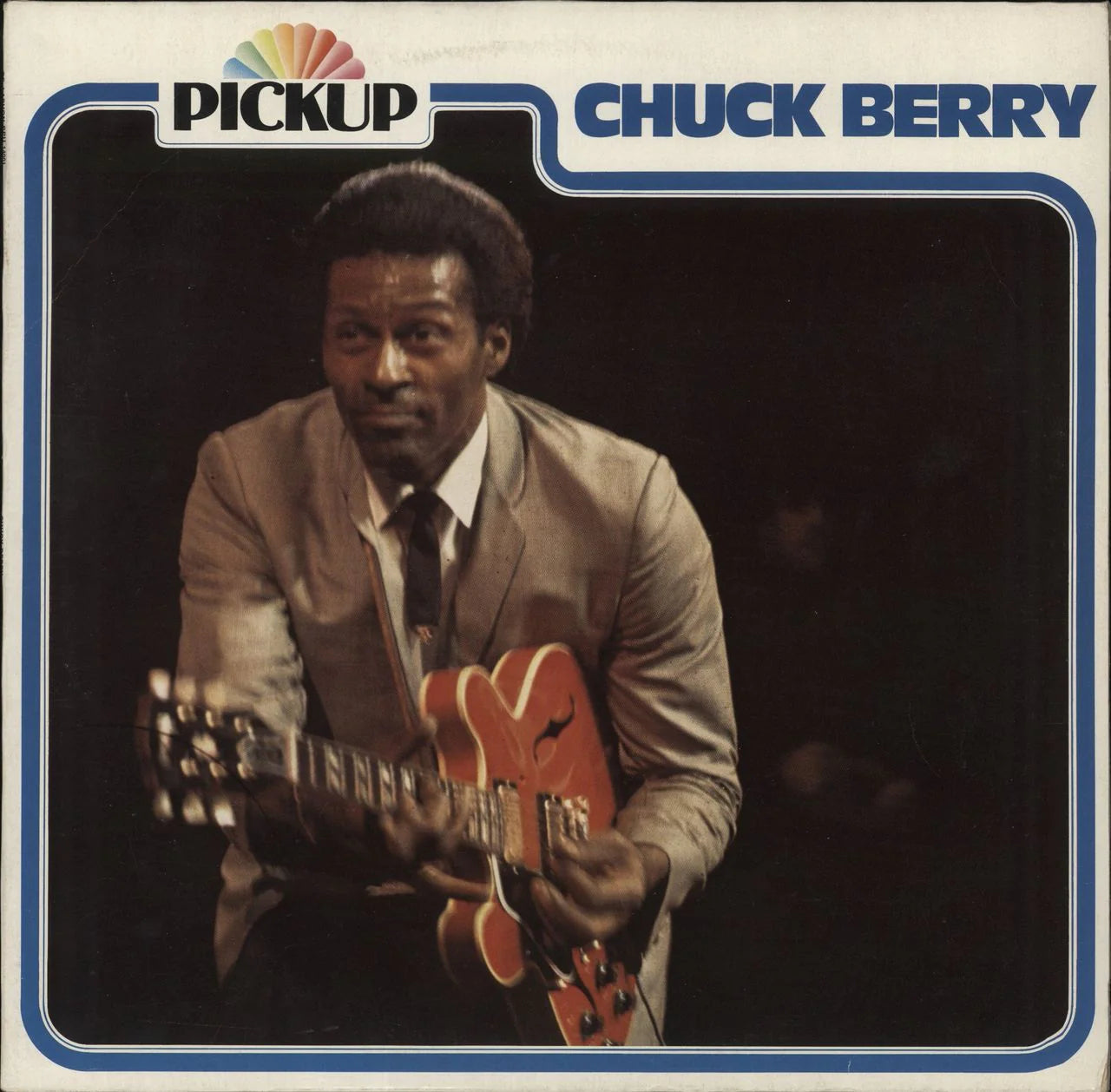
Credit: RareVinyl
Music memorabilia as a serious asset class
As the international music memorabilia market continues to grow, collectors are applying the same strict standards for fine art valuation to both mid-century and modern music history. What started as casual fandom has turned into a serious asset category led by private collectors, museum curators, and investment funds.
Whether the item is a four-figure cassette demo or a six-figure stage outfit, successful collecting requires patience, careful verification of provenance and close attention to quality. Focusing on historically significant items rather than mass-produced merchandise allows collectors to preserve and invest in a lasting part of modern music history.