




The most valuable Pokémon cards command thousands of pounds at auction, as childhood nostalgia and professional grading transform classic trading cards into alternative assets. Driven by documented provenance, low print runs, and strict condition assessments, rare cardboard collectables now compete with traditional investments on the auction block.
Discover more about the history of the Pokémon Trading Card Game at the end of this article. But first, here is an analysis of the ten highest-recorded sales in the hobby.
Discover all in our:
Top 10 most valuable Pokémon cards ever sold (Do you own one?)
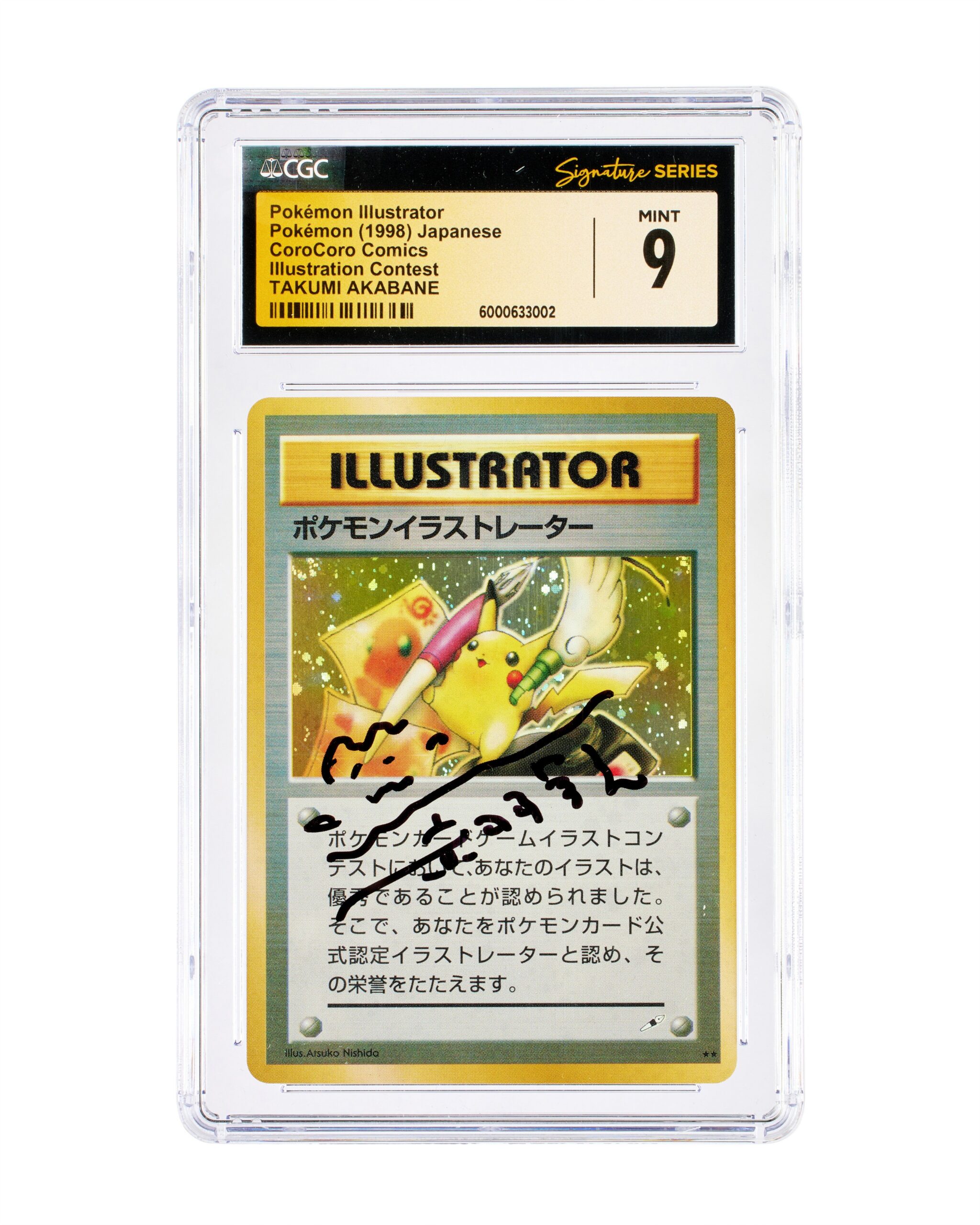
1. Pikachu Illustrator (1998, $16.5 million / approx. £12.1 million)
In February 2026, Logan Paul sold his unique PSA 10 Pikachu Illustrator card at Goldin Auctions for $16.5 million. Designed by Atsuko Nishida, the original creator of Pikachu, this card was never sold in retail shops. It was originally awarded as a prize to winners of a 1998 Japanese illustration contest. As the only known copy in the world to achieve a PSA 10 grade, it holds the official Guinness World Record as the most expensive trading card ever sold at auction.
Credit: Sotheby’s
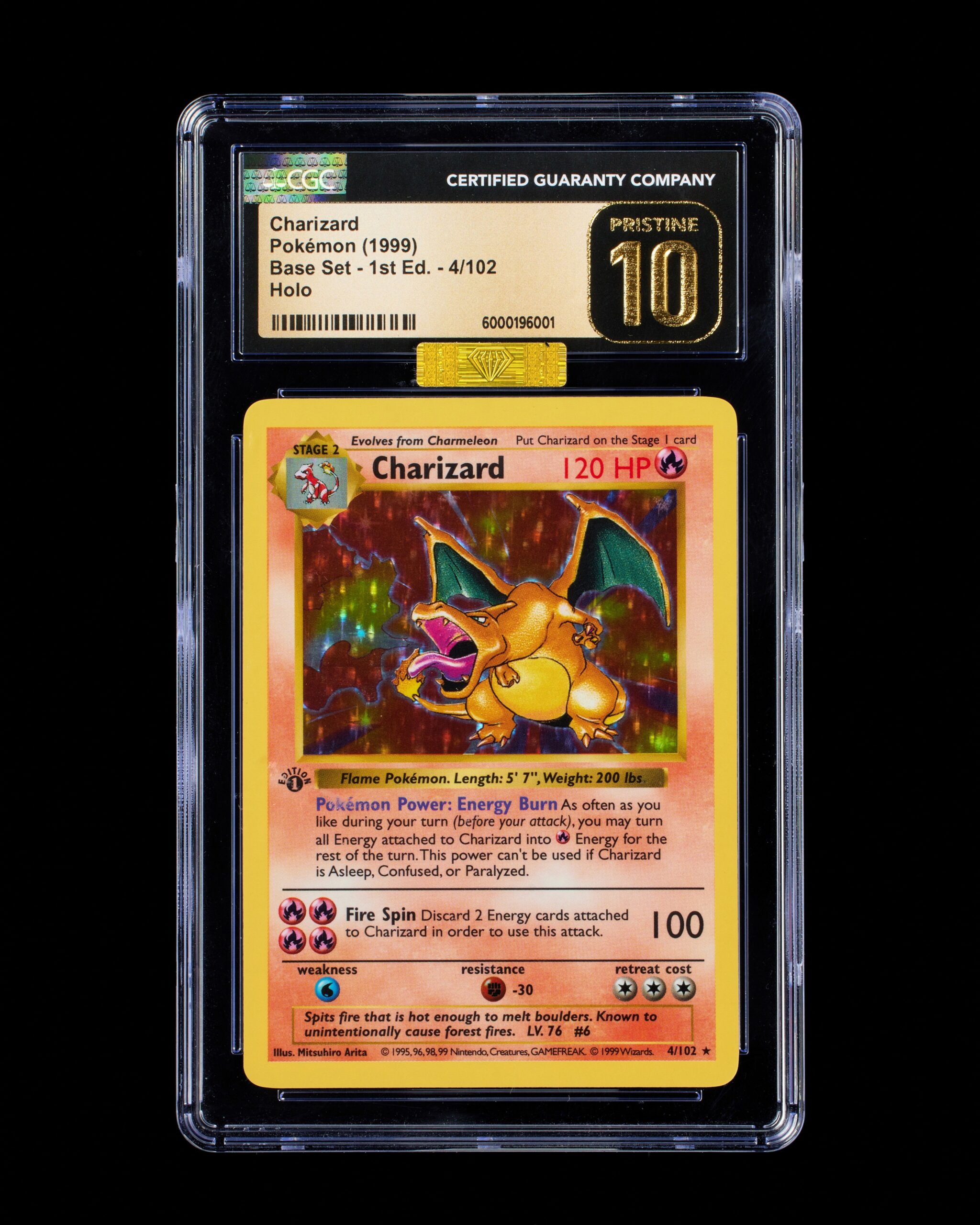
2. 1st edition Base Set shadowless Charizard (1999, $954,800 / approx. £750,000)
While early auction valuations for this card averaged around $420,000, a PSA 10 copy sold at Goldin Auctions in February 2026 for $954,800. The absence of a drop shadow box behind the character artwork, combined with the 1st Edition stamp on the left, makes this the highest-valued standard retail release card in the trading card game.
Credit: Sotheby’s
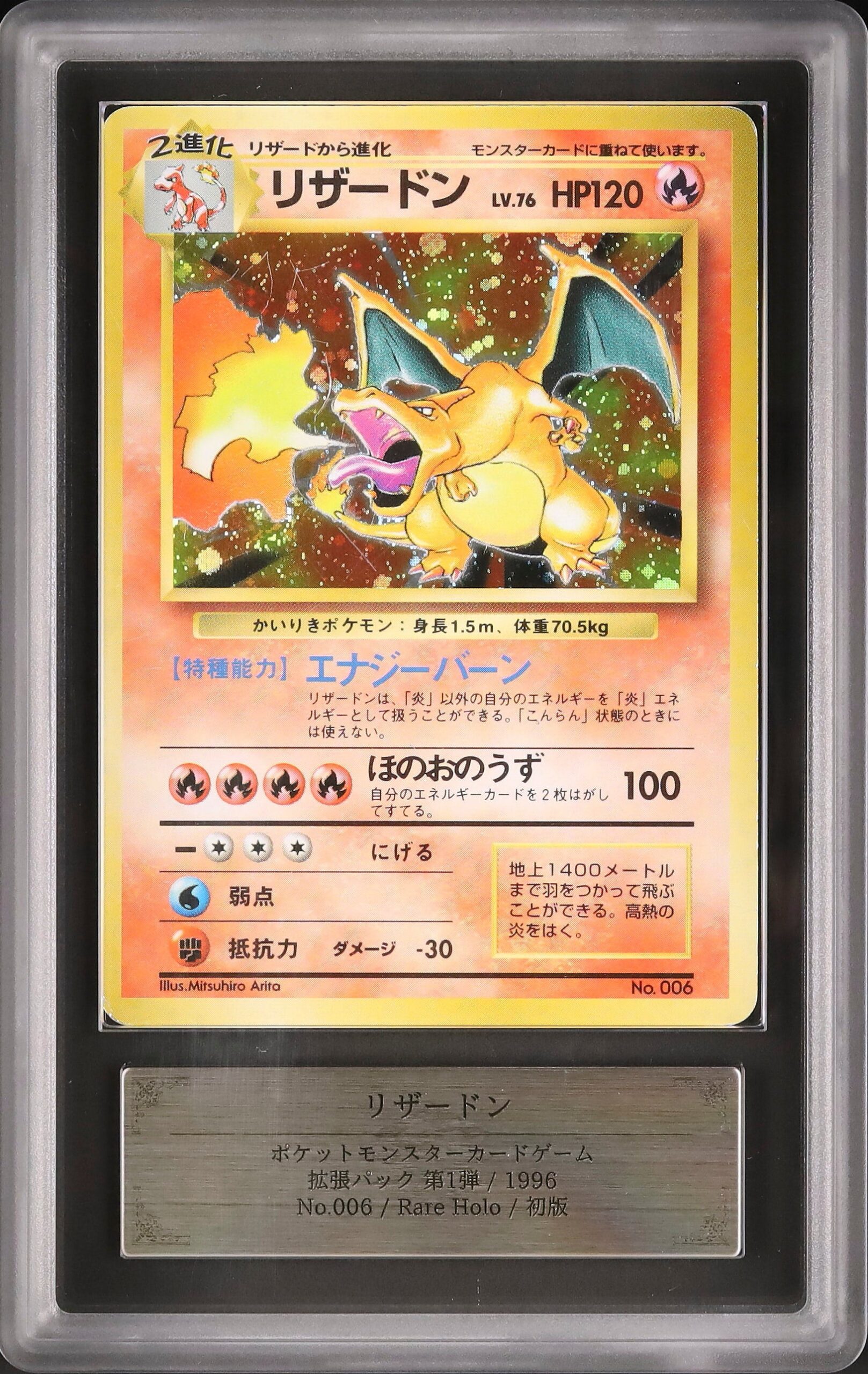
3. Japanese no rarity symbol holo Charizard (1996, $641,721 / approx. £500,000)
Before the English Base Set launched, Pokémon cards debuted in Japan in late 1996. The initial print run lacked the small black rarity symbol typically located in the bottom right corner of the card. Because early cards were frequently handled and played, surviving examples in high grades are uncommon. In September 2025, a well-preserved Charizard from this original Japanese printing sold for $641,721 at auction.
Credit: Japan Cardova
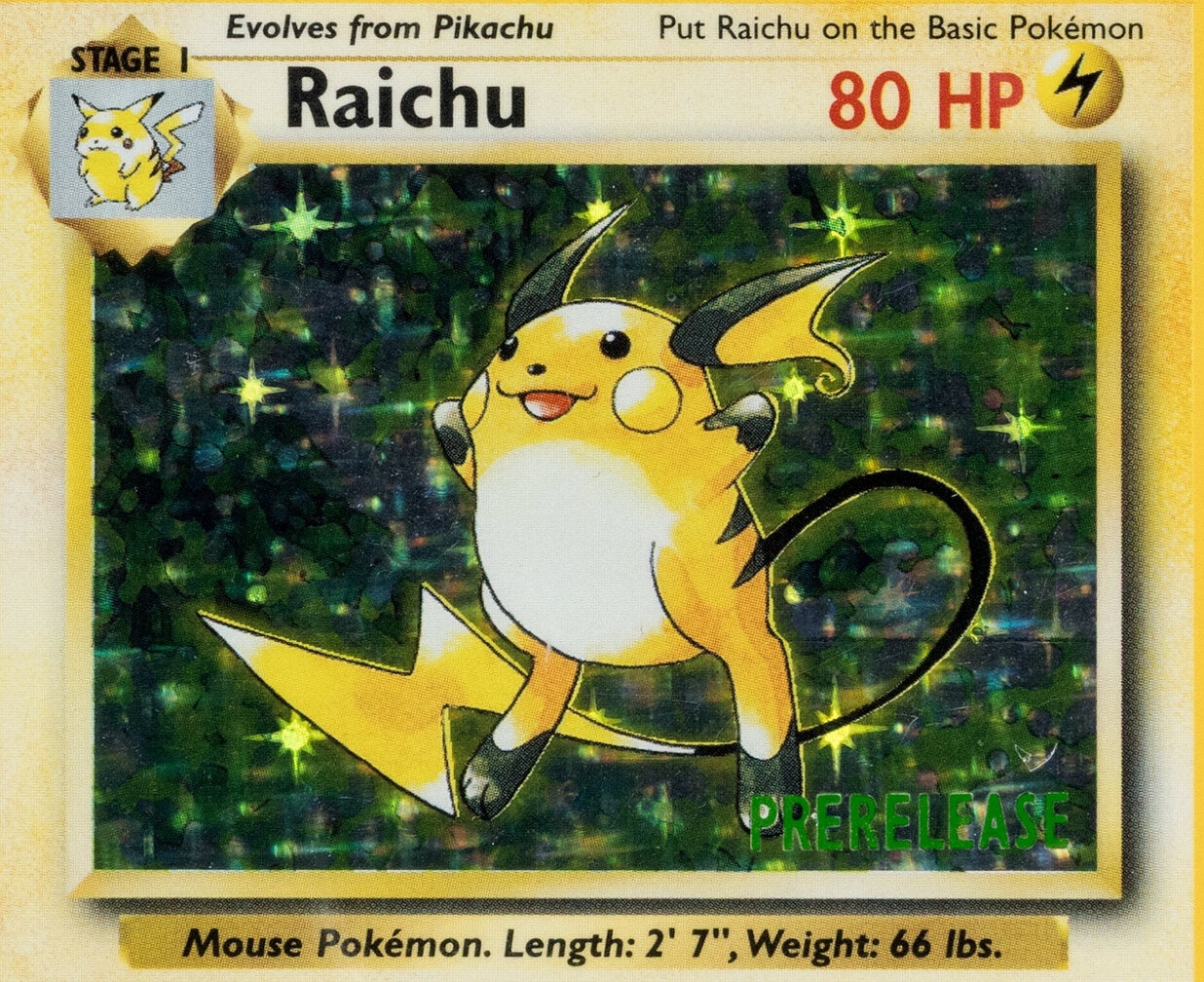
4. Prerelease Raichu (1999, $550,000 / approx. £430,000)
For decades, collectors discussed the existence of a 1999 Base Set Raichu that had been accidentally stamped with the word “PRERELEASE” in green ink during the production of Jungle set promotional cards. Roughly ten copies were produced and distributed to staff at Wizards of the Coast. In September 2025, one of these documented printing errors surfaced at public auction, selling for $550,000.
Credit: JustCollecting
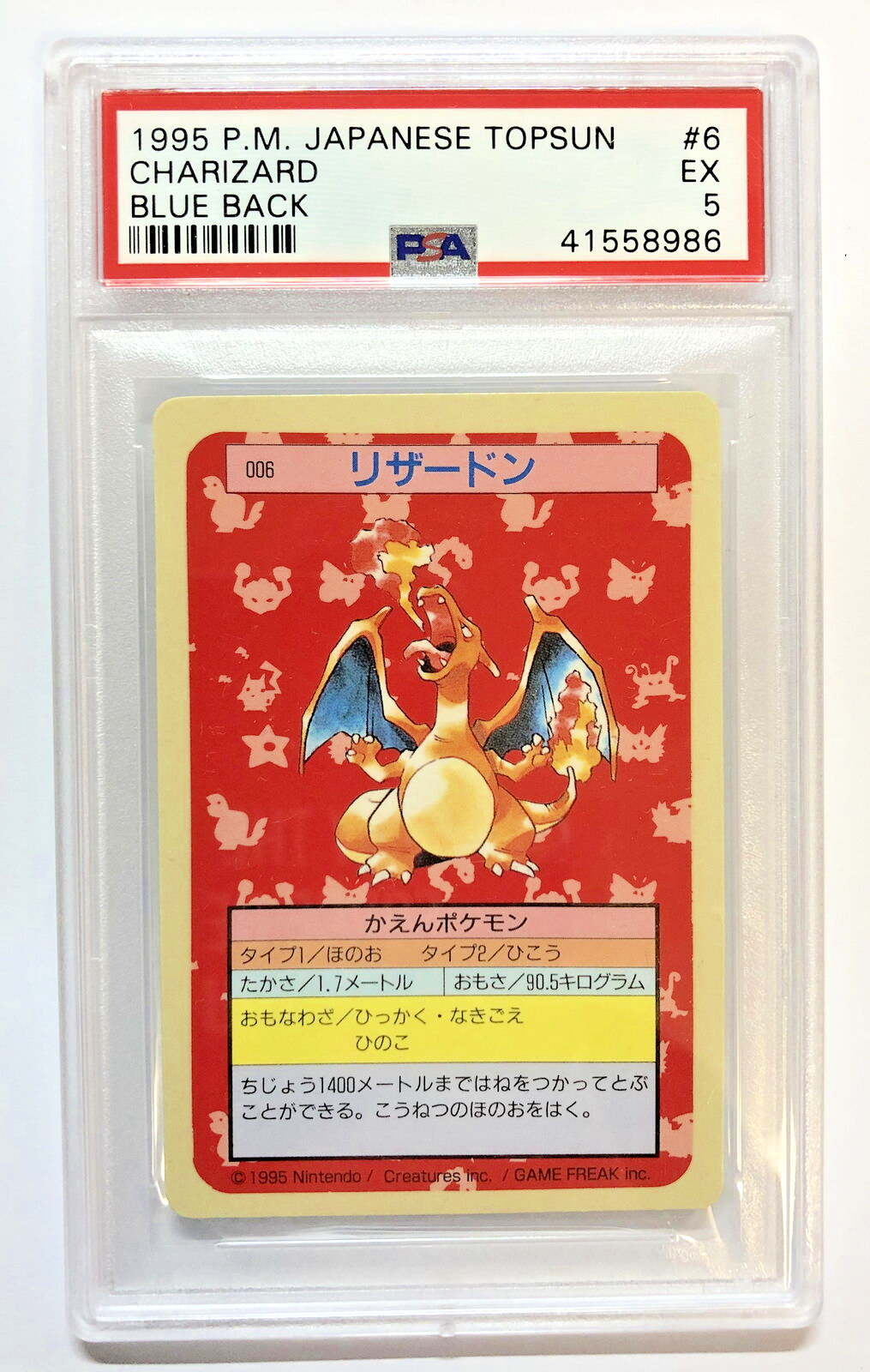
5. Topsun Charizard blue back (1995/1997, $493,230 / approx. £380,000)
Predating the official trading card game by two years, these novelty cards were distributed in Japanese bubblegum packs by a confectionery manufacturer named Topsun. The cards do not feature gameplay statistics or attacks and function purely as character collectables. The blue back variant without a printed Pokédex number is scarce. In January 2021, a PSA 10 copy sold at Goldin Auctions for $493,230.
Credit: eBay
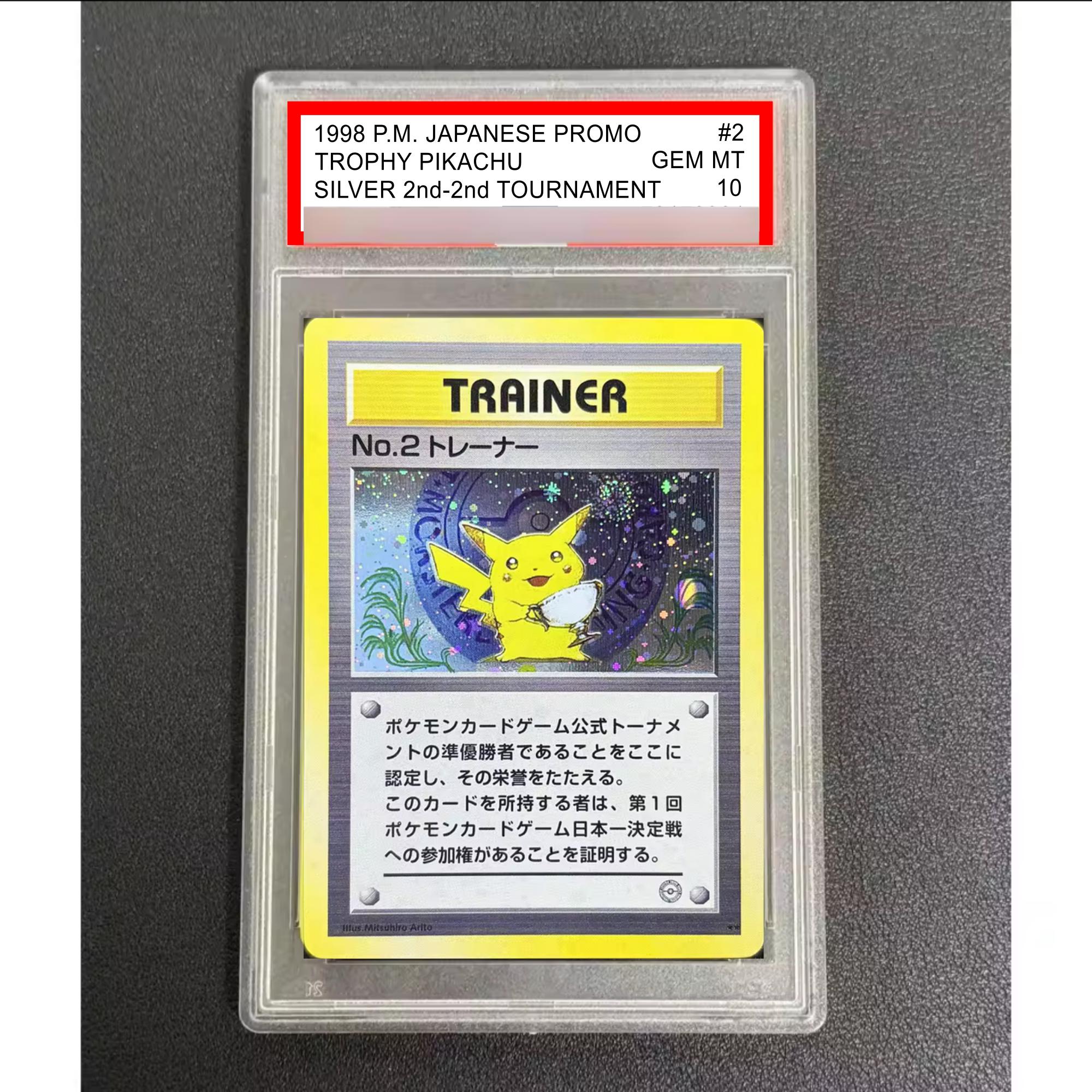
6. Silver Trophy Pikachu No. 2 trainer (1998, $444,000 / approx. £350,000)
This card was not distributed through retail channels. It was awarded exclusively as a silver trophy to second-place finalists at the 1997 to 1998 Lizardon Mega Battle tournaments in Japan. Featuring artwork of Pikachu holding a silver cup, roughly fourteen copies were originally distributed. A PSA 10 example recorded a valuation of $444,000 at Goldin Auctions in September 2023.
Credit: AliBaba
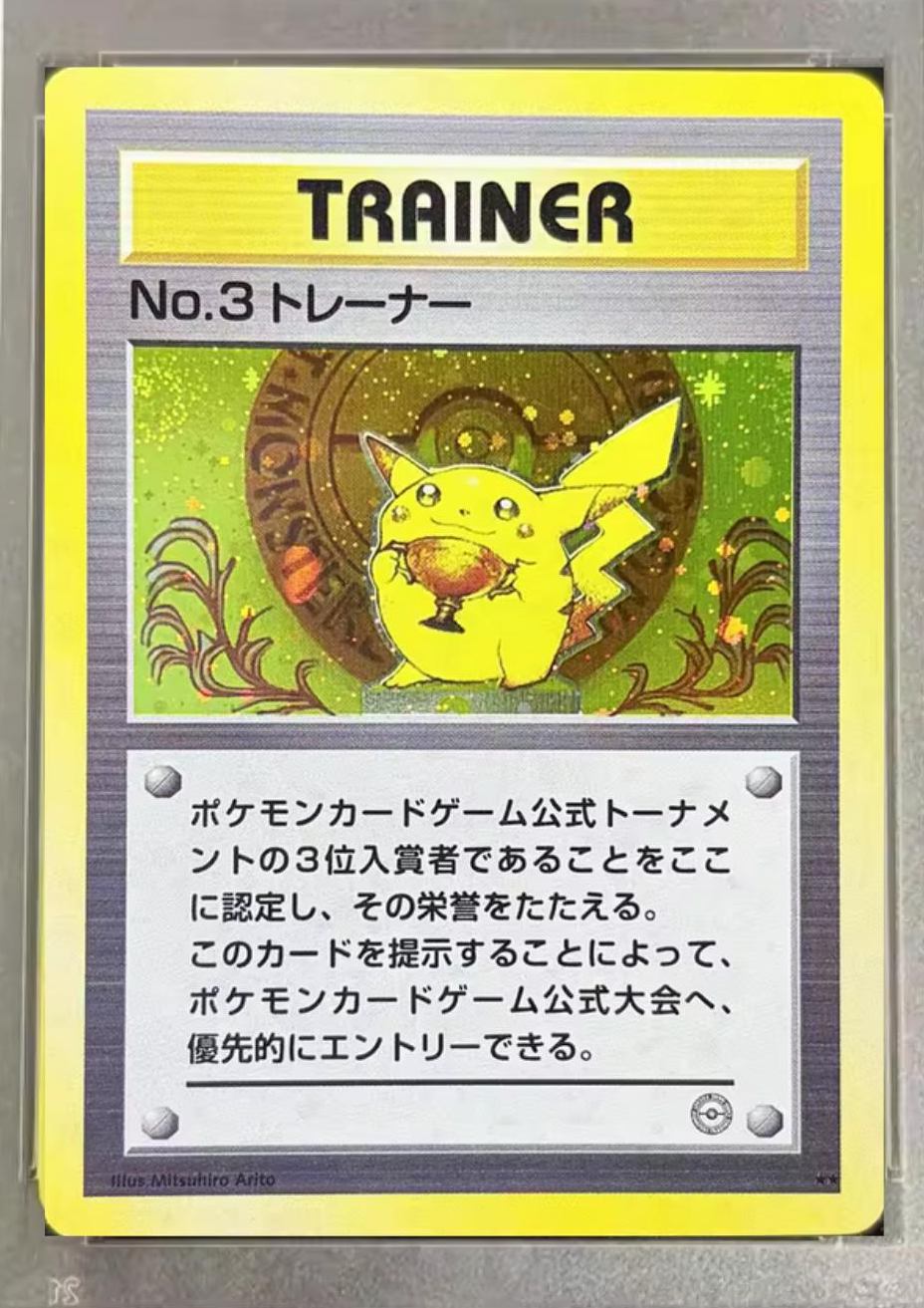
7. Bronze Trophy Pikachu No. 3 trainer (1997, $378,200 / approx. £295,000)
Completing the tournament awards, this bronze variant was presented to third-place winners during the inaugural Japanese Pokémon tournament series in 1997. Because it represents the early origins of competitive play, documented copies are valued by historical collectors. In December 2025, a graded surviving example achieved $378,200 at auction.
Credit: PSA
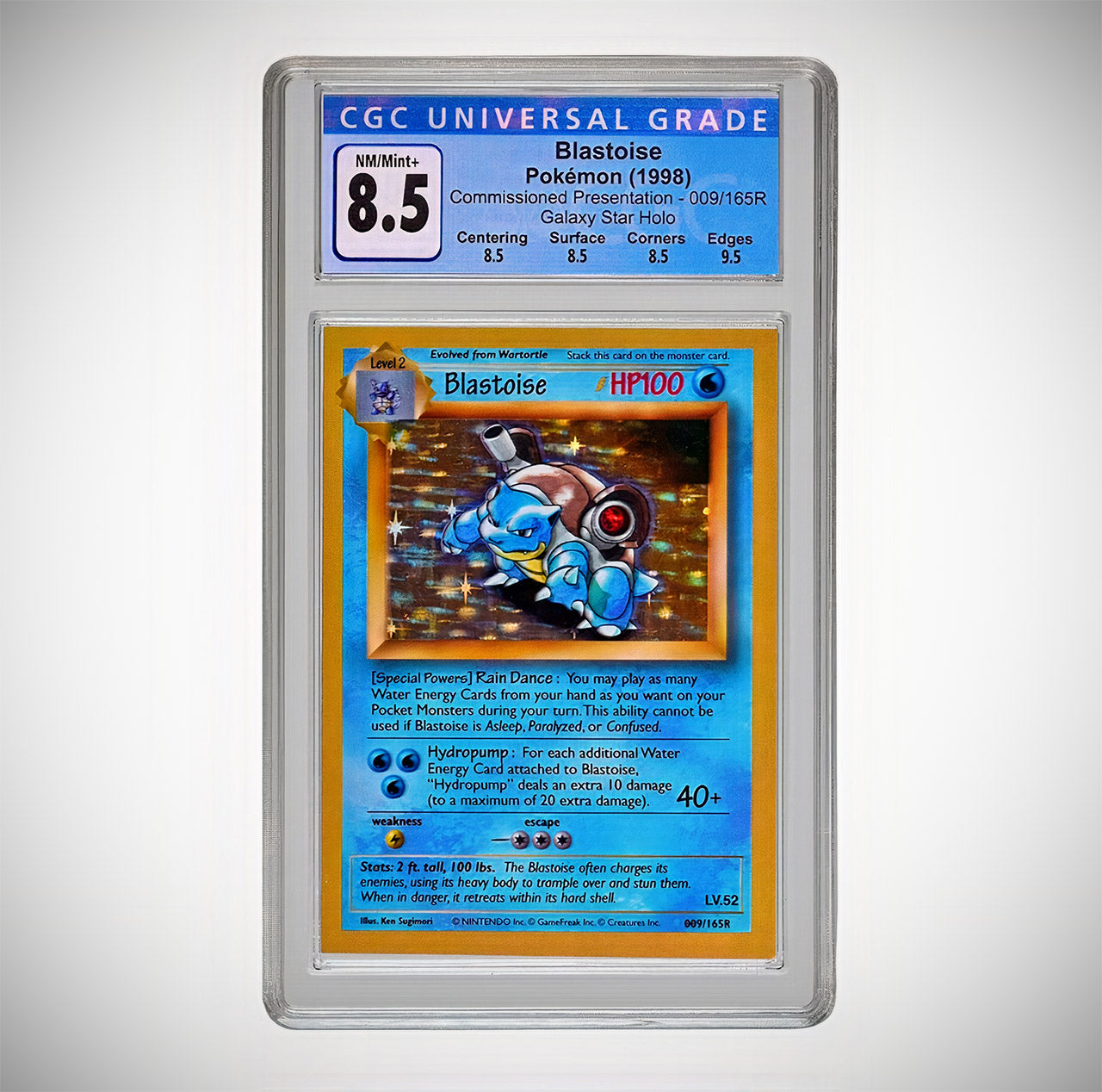
8. Commissioned presentation galaxy star holo Blastoise (1998, $360,000 / approx. £280,000)
Before English cards entered retail distribution, American publisher Wizards of the Coast produced two prototype cards in 1998 to demonstrate the trading card concept to Nintendo executives. Featuring a standard Magic: The Gathering card back and a foil Blastoise on the front, only two were produced, and the location of the second copy remains undocumented. The sole surviving public copy sold for $360,000 at Heritage Auctions in January 2021.
Credit: The Fighter
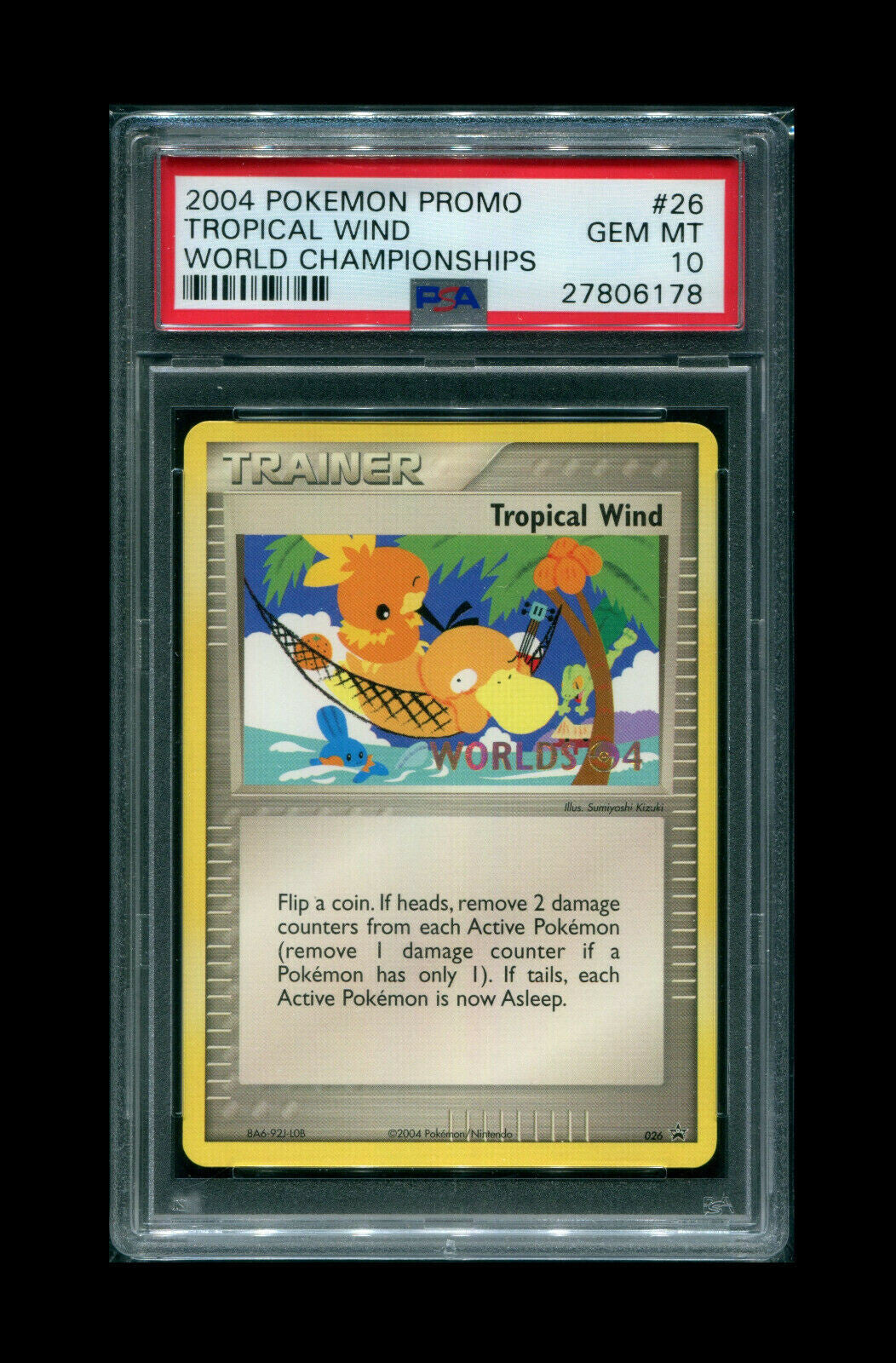
9. 2004 Pokémon World Championships tropical wind (2004, $300,000 / approx. £235,000)
Awarded strictly to competitors at the 2004 World Championships in Florida, this promotional card is difficult to source in high grades. Because participants utilized them in active tournament play or transported them in rucksacks, most examples exhibit wear. A PSA 10 semi-finalist copy recorded a sale of $300,000 in January 2025.
Credit: EliteForum
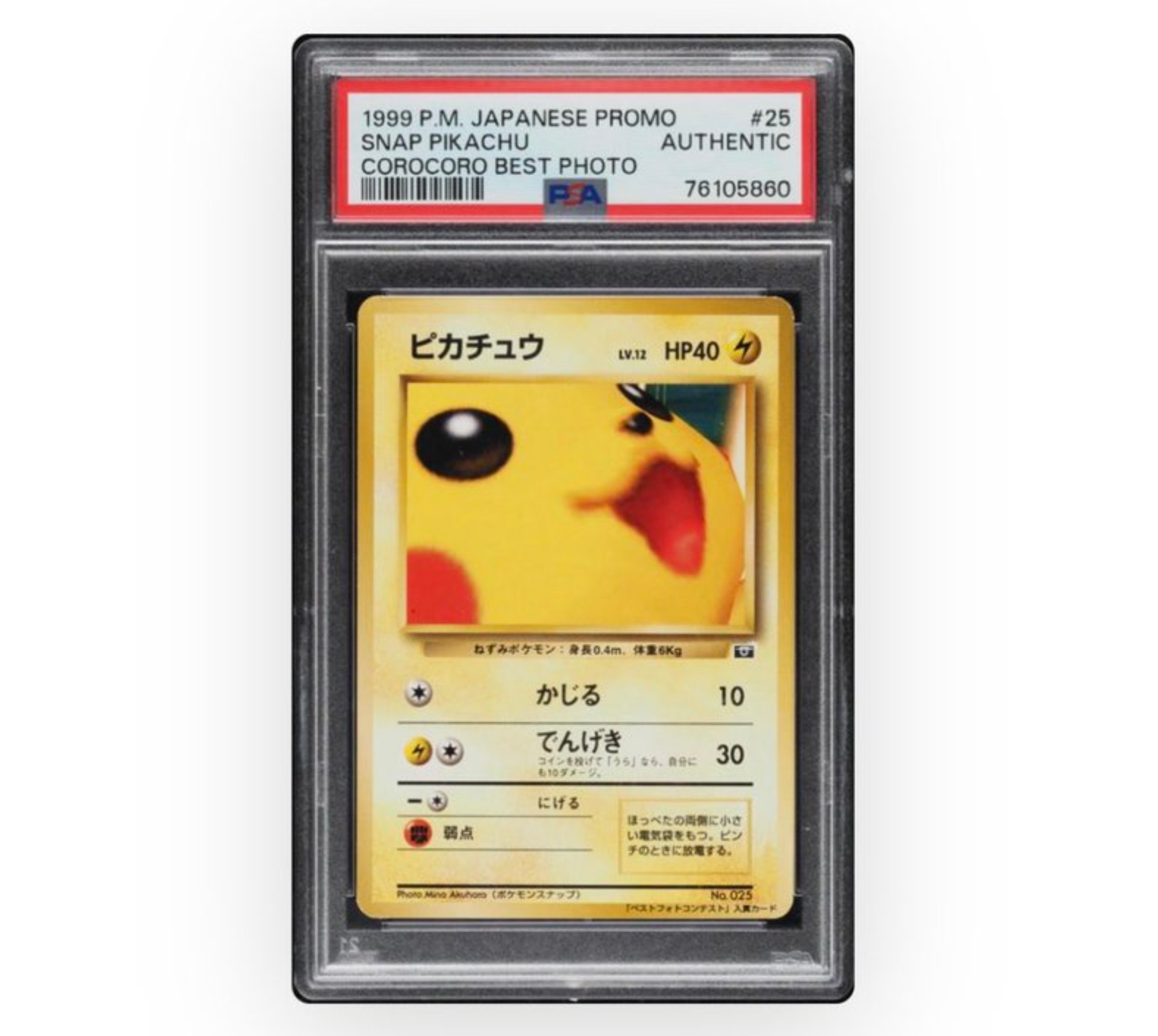
10. Snap Pikachu CoroCoro promo (1999, $270,000 / approx. £210,000)
In 1999, Japanese publication CoroCoro organized a photography contest inviting players of the Nintendo 64 game Pokémon Snap to submit video game screenshots. The winning submissions were reproduced as official promotional cards. With distribution limited to twenty copies per winner, a surviving Snap Pikachu sold for $270,000 in June 2023.
Credit: The Art of Pokémon
The history of the Pokémon Trading Card Game
Following the release of the Pocket Monsters Red and Green video games in Japan in early 1996, Nintendo and multimedia firm Media Factory sought to expand the property into physical goods. They contracted Tsunekazu Ishihara and his design company, Creatures Inc., to adapt the video game mechanics into a tabletop trading card game.
Designed by Akira Tanaka, the Pokémon Trading Card Game launched in Japan in October 1996, featuring artwork by character designer Ken Sugimori and artist Mitsuhiro Arita. The product gained steady traction among consumers who purchased booster packs to collect rare foil cards, assemble competitive decks, and participate in local tournaments.
By 1998, American publisher Wizards of the Coast secured the rights to translate and distribute the cards in English. When the English Base Set entered retail distribution in January 1999 alongside the animated television broadcast, it established a significant international market, leading to widespread trading and collecting across Britain and global markets.
In 2003, The Pokémon Company assumed direct publishing control, overseeing the distribution of subsequent card sets, regional expansions, and mechanical updates. Today, with billions of cards printed across multiple languages, the property has developed from a 1990s playground activity into an established sector within the international collectables market.