



Marvel cards turn up in most collectors’ lives at some point, usually pulled out of a shoebox or the back of a childhood comic and asked about only once someone remembers the hobby exists. The honest answer to what they are worth varies enormously: most are worth very little, a smaller number are worth a genuine sum, and a handful of pieces sell for the kind of money that makes headlines.
That range comes down to a distinction collectors learn quickly. A loose, played-with base card from a 1990s pack is a different object from the same card in pristine, professionally graded condition, and both are different again from the rare inserts, hand-numbered parallels and original artwork that sit at the top of the market. Printed cards, however old, are mass-produced; the paintings and sketches used to create them are one of a kind, which is why original card art now regularly outsells the cards themselves.
A common Marvel card and a genuinely valuable one are separated by a few consistent factors, covered below alongside where the real money in the hobby has gone and a realistic sense of what an old collection is likely to be worth before it goes anywhere near an auction house.
Discover all in our:
What are your Marvel cards actually worth?
The eras that matter
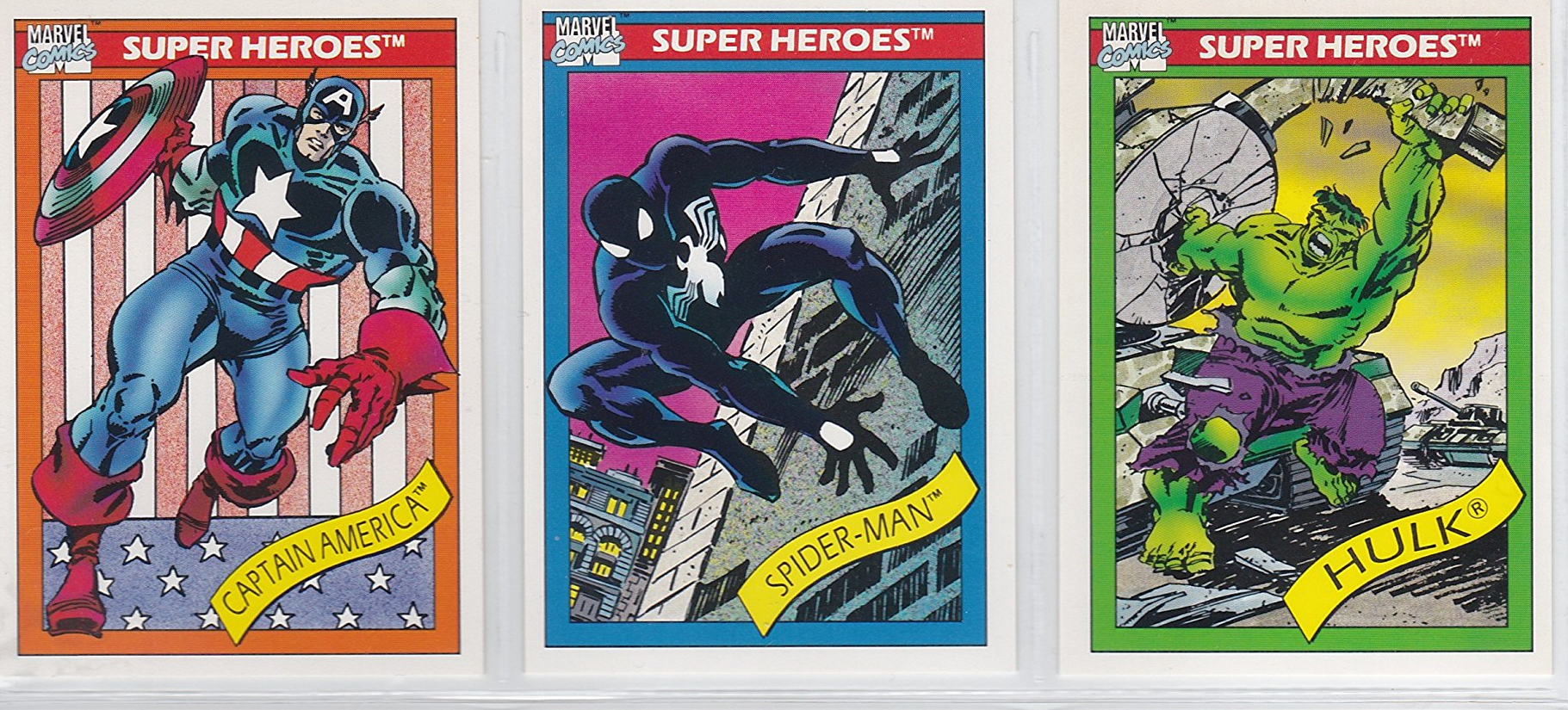
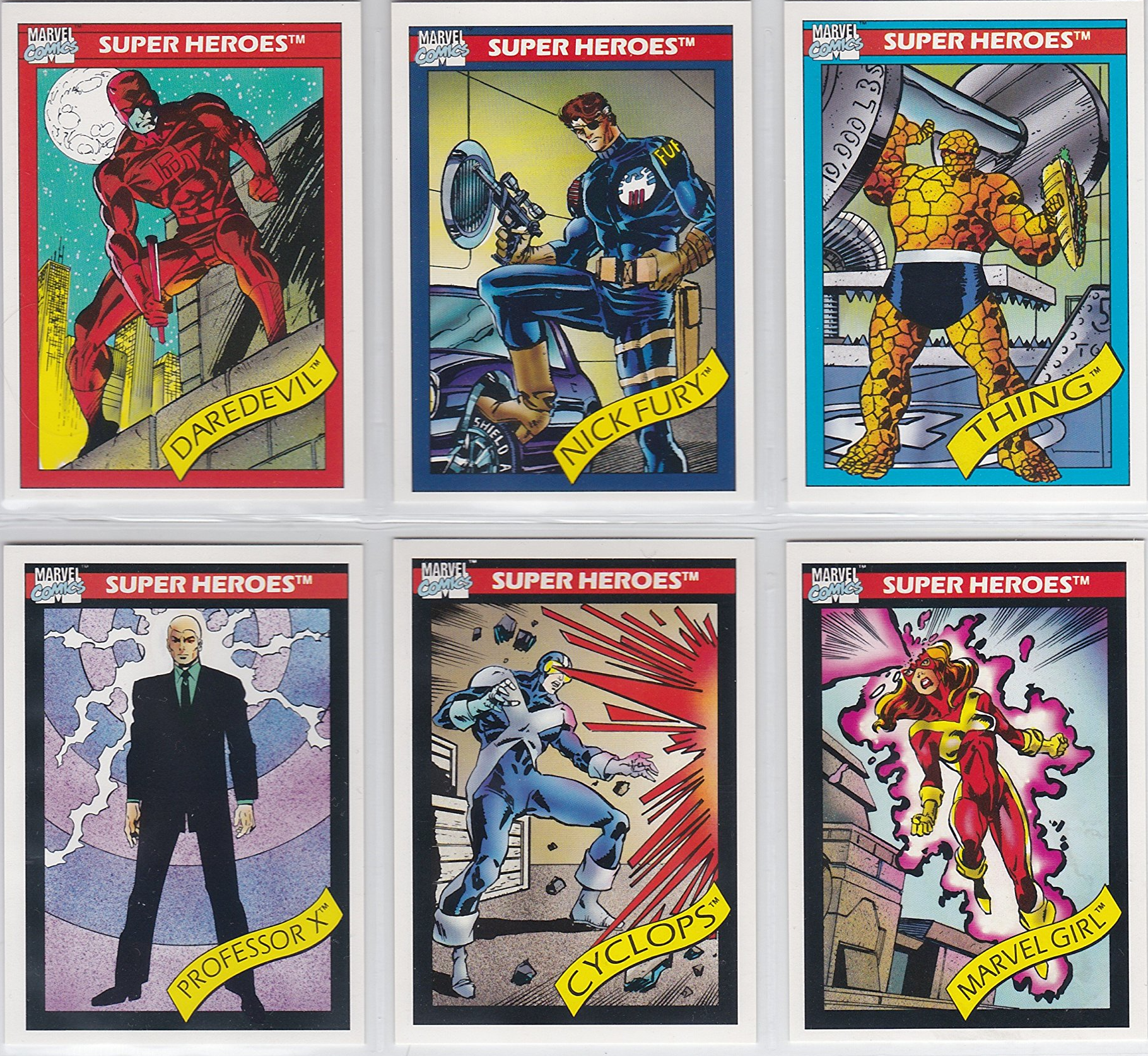
Marvel cards have been produced continuously since 1990, when Impel released Marvel Universe Series 1, a 162-card set built around individual heroes, villains and team match-ups, with a handful of hologram inserts as the chase pieces. SkyBox picked up the licence for 1992’s Marvel Masterpieces, painted by illustrator Joe Jusko, still considered one of the most celebrated non-sport card releases of the era. Fleer followed with its own Marvel Masterpieces series later in the 1990s, this time painted by brothers Greg and Tim Hildebrandt, before Upper Deck and, more recently, Panini took over the modern licence with foil parallels, sketch cards and serial-numbered inserts.
Each era has its own collector base, and prices do not simply rise with age. A common base card from any of these sets, in any condition, is generally worth very little. What collectors pay for is scarcity, grading, and the specific character or artist involved.
Credit: Amazon
What separates a common from a genuinely valuable card
Two things move a Marvel card from pocket change into real money: condition and rarity. Condition is settled by third-party grading services such as PSA and CGC, which examine a card’s corners, edges, centring and surface, then seal it in a tamper-proof holder with a numerical grade. A raw, ungraded card is worth a fraction of the same card graded Gem Mint, because buyers cannot verify its condition without opening the holder themselves.
Rarity works alongside condition rather than instead of it. Base cards were printed in huge numbers and, even graded, rarely command much. Hologram inserts, sketch cards, serial-numbered parallels and cards signed by an artist were produced in far smaller quantities, and it is these categories, not the base set, that account for almost all of the meaningful sales in the hobby.
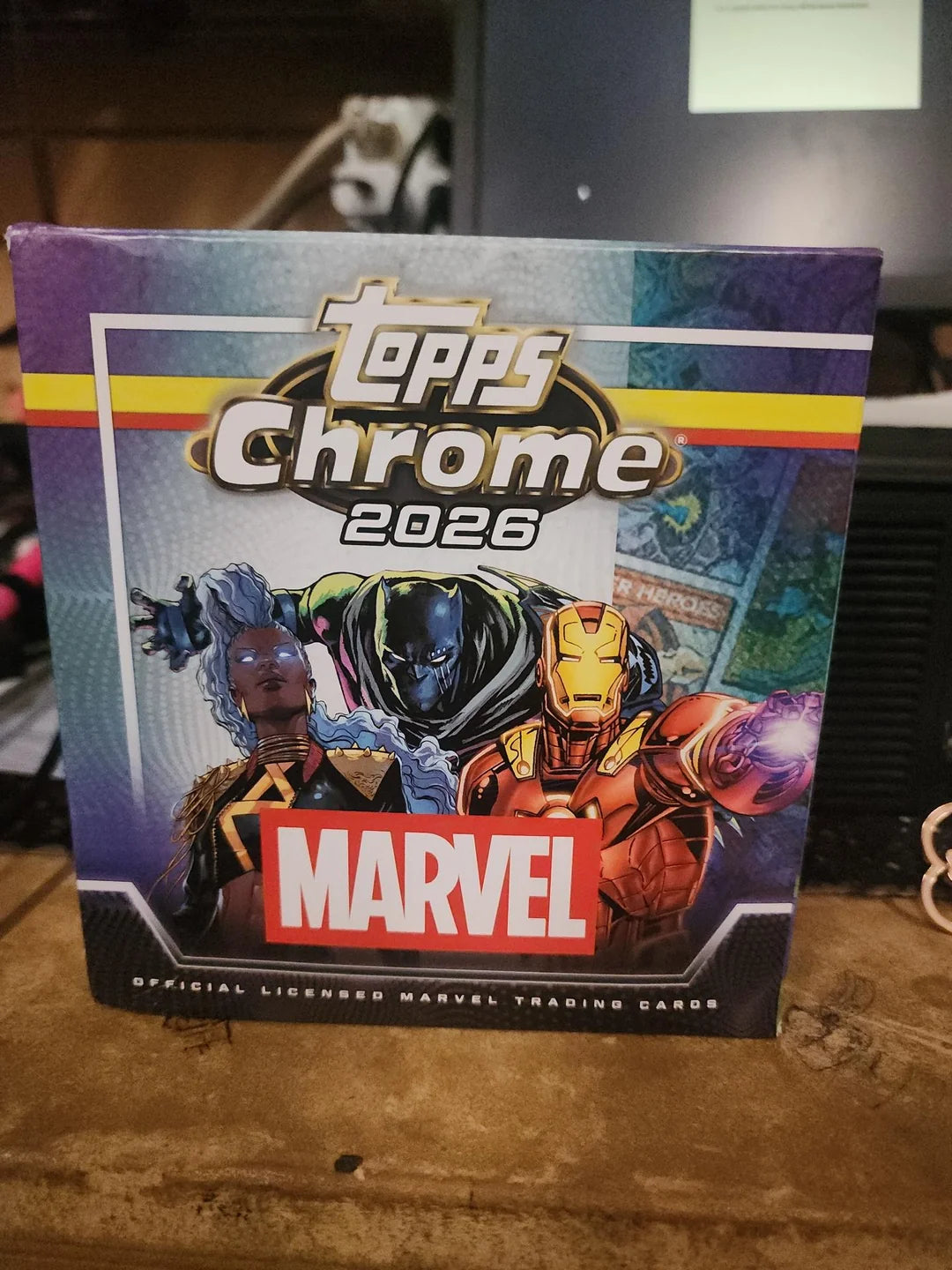
Credit: Reddit/KingDingDongDing24
Where the record prices come from
The highest prices in the Marvel card market do not belong to the cards themselves. They belong to the original paintings and sketches artists produced to create them. In May 2025, Heritage Auctions sold the original acrylic painting, preliminary pencil sketch and PSA 10-graded card for 1994 Fleer Marvel Masterpieces No. 115 Spider-Man, created by Greg and Tim Hildebrandt, for $81,250, around £60,832, a record for a work by either artist. The lot illustrates how the market is structured: the printed card that came out of a pack is worth a fraction of what the one-of-a-kind artwork used to produce it can fetch.
That gap between printed card and original art runs right through the hobby. Sketch cards commissioned directly from an artist, uncut production sheets, and hand-painted proofs all sit closer to original art than to a mass-produced insert, and they are priced accordingly.
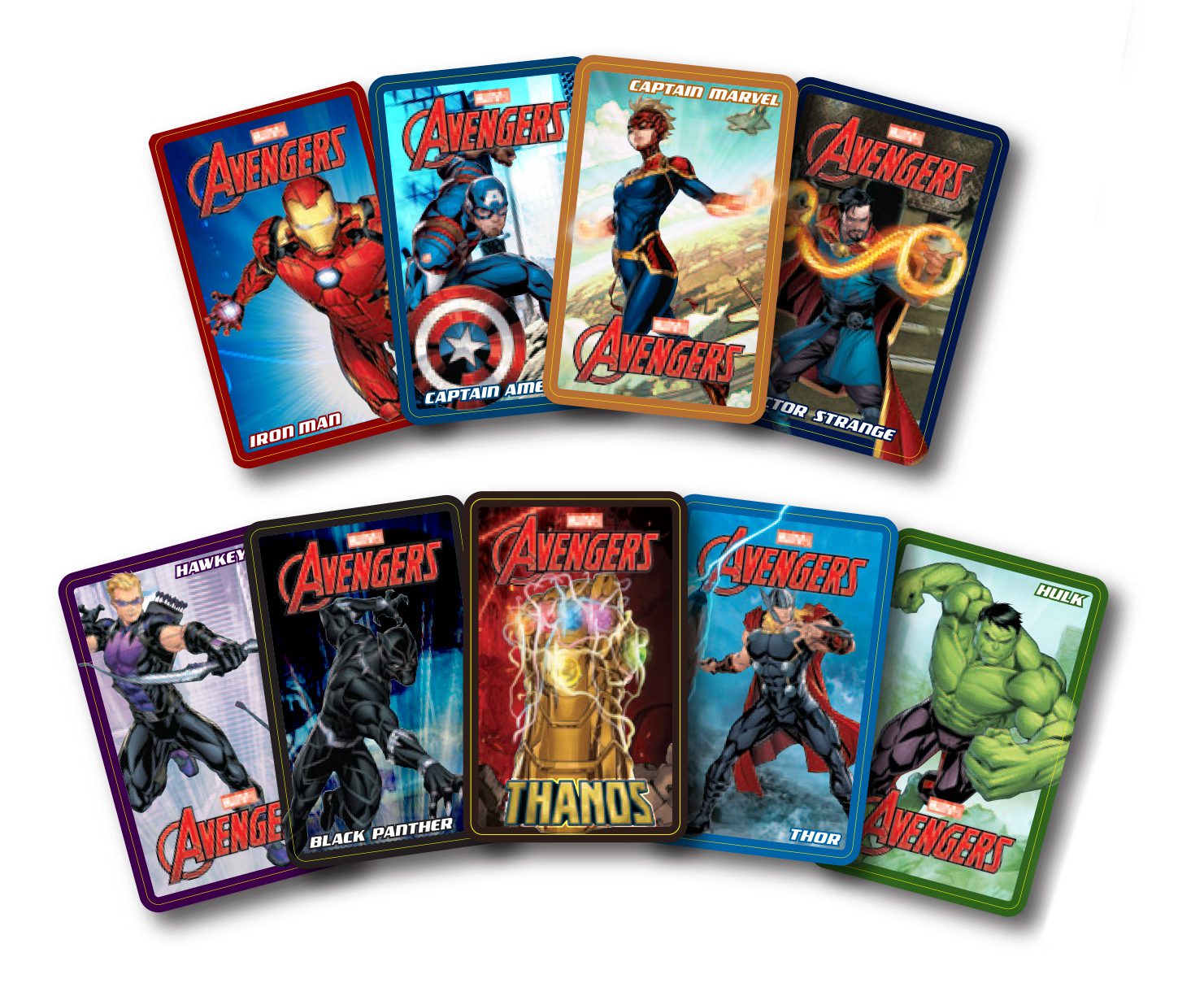
Credit: Reddit
Grading and authentication
For anyone with a genuine stack of vintage cards, grading is usually the difference between a pile of paper and a saleable collection. PSA and CGC both grade non-sport cards, and a submission fee only makes sense once a card is confirmed to be worth meaningfully more graded than raw, which in practice usually means an insert, a hologram, a signed piece or a card in exceptional, near-flawless condition. Sending a box of common base cards for individual grading rarely covers its own cost.
Authentication matters just as much for anything claiming to be original art or a signed piece. Genuine production artwork typically comes with clear provenance: it is sold alongside the sketch stages that led to it, or with documentation from the artist, publisher or a recognised auction house. Signatures on cards should carry third-party authentication, such as a PSA or CGC autograph grade, rather than resting on the seller’s word alone.
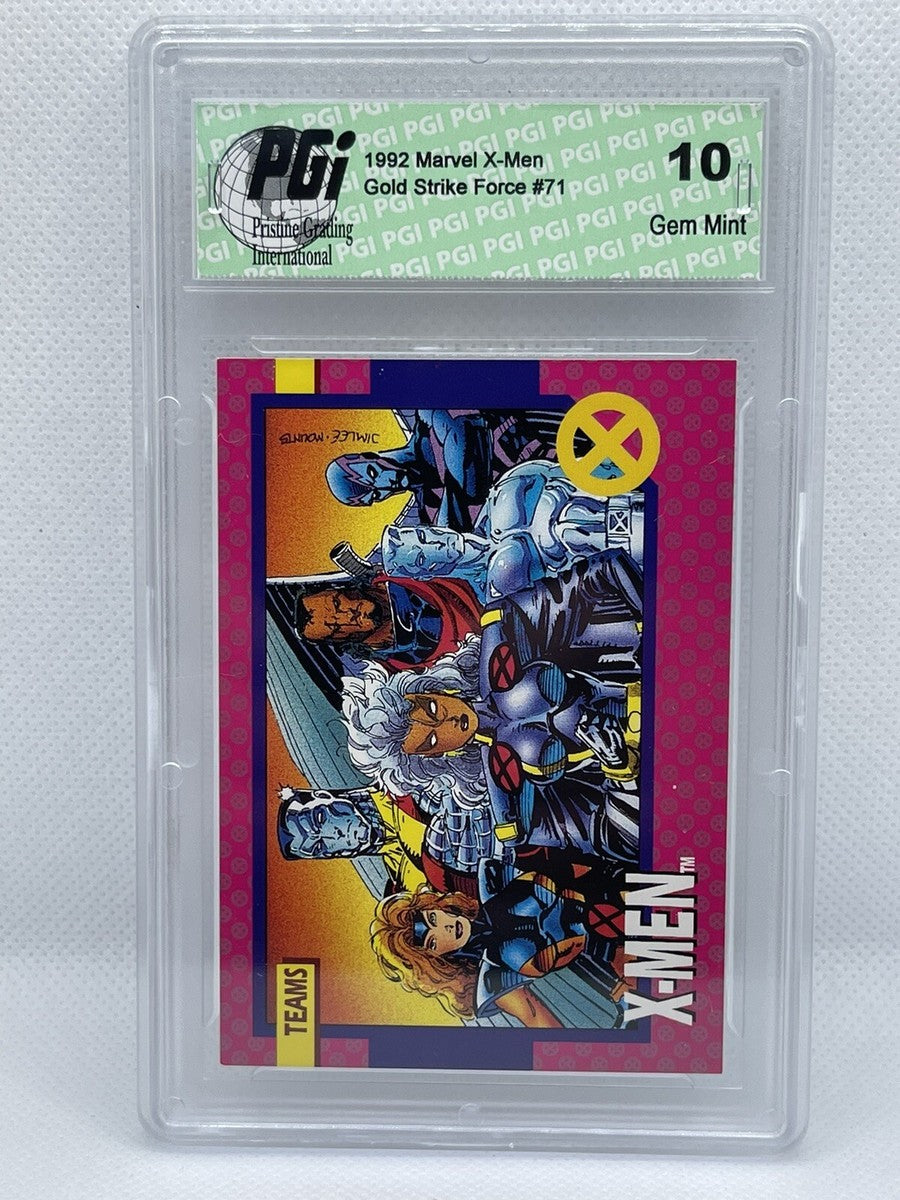
Credit: PGi
What your old shoebox is probably worth
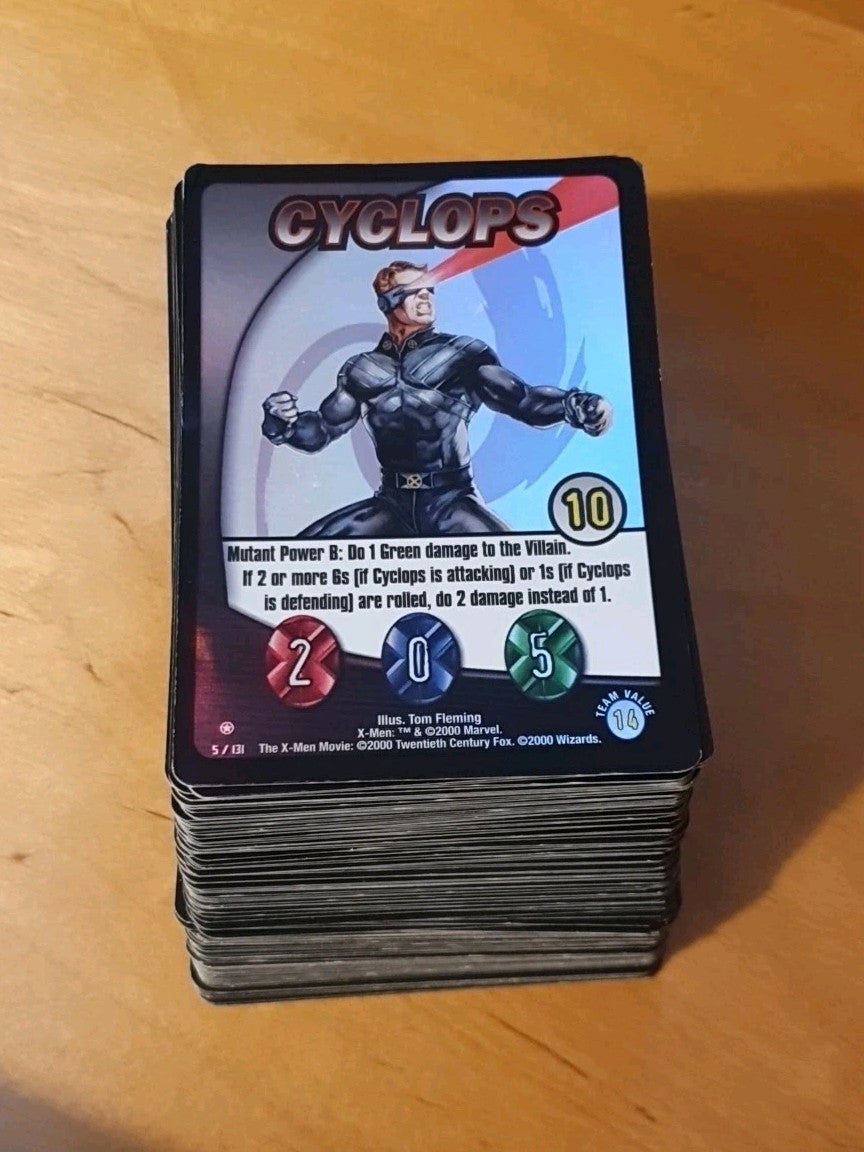
Most Marvel cards that turn up in an attic or a comic longbox are common base cards from large 1990s or 2000s print runs, and realistically they are worth very little individually, whatever condition they are in. A complete base set in strong condition has some value as a set, more for nostalgia and completeness than for any single card in it. The cards worth paying attention to are the hologram inserts, sketch cards, serial-numbered parallels, and anything featuring Spider-Man, Wolverine or another top-tier character in a rare or early printing.
The realistic way to check is to compare a card directly against recently sold, graded examples of the exact same card on an established auction platform, rather than against a generic price guide or an optimistic listing price. Selling through a specialist auction house makes the most sense for anything that looks like it belongs in the higher tiers described above; everything else is more efficiently sold in bulk or through general online marketplaces.
Credit: eBay UK
Why the real money in Marvel cards is in the art, not the pack
The Marvel card market rewards specifics over sentiment. A stack of well-loved base cards from the 1990s is worth remembering fondly rather than selling for a windfall, while a graded hologram, a signed sketch card or a piece of original production art from that same era can be worth thousands of pounds sitting in the same box. Both extremes are genuinely part of the hobby, which is exactly why a blanket price guide is less useful than checking recent sales of the precise card in the precise grade being asked about.
As the $81,250 result for the Hildebrandt Spider-Man artwork shows, the ceiling on this hobby keeps rising, and it is rising fastest at the artistic end of the market rather than the printed one. For most collectors with an old stack of cards, the practical task is simpler: work out which pieces belong to that rarer tier, have them properly graded, and treat everything else as what it has generally always been: a fond reminder of packs opened as a child rather than a retirement fund.