



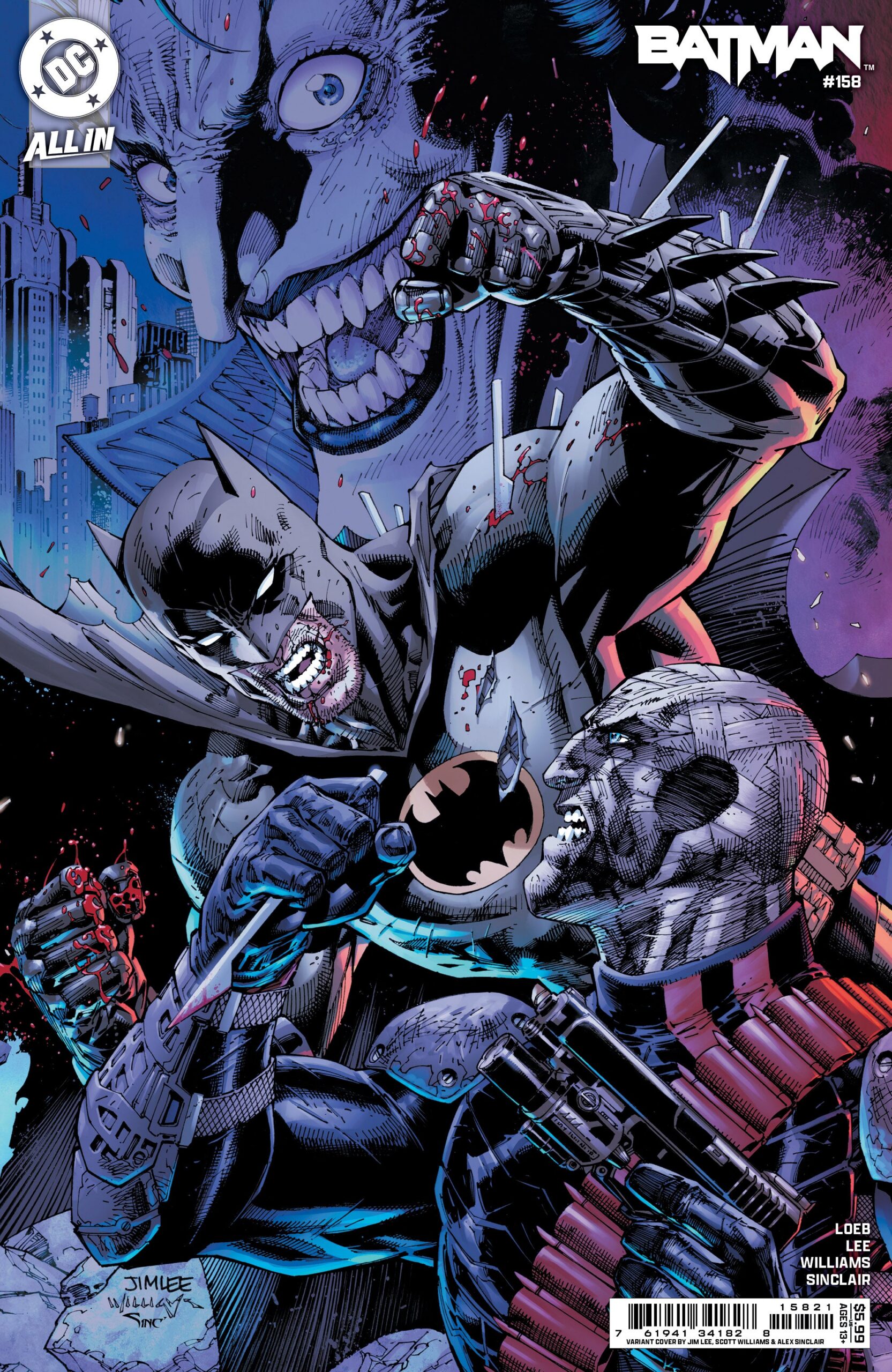
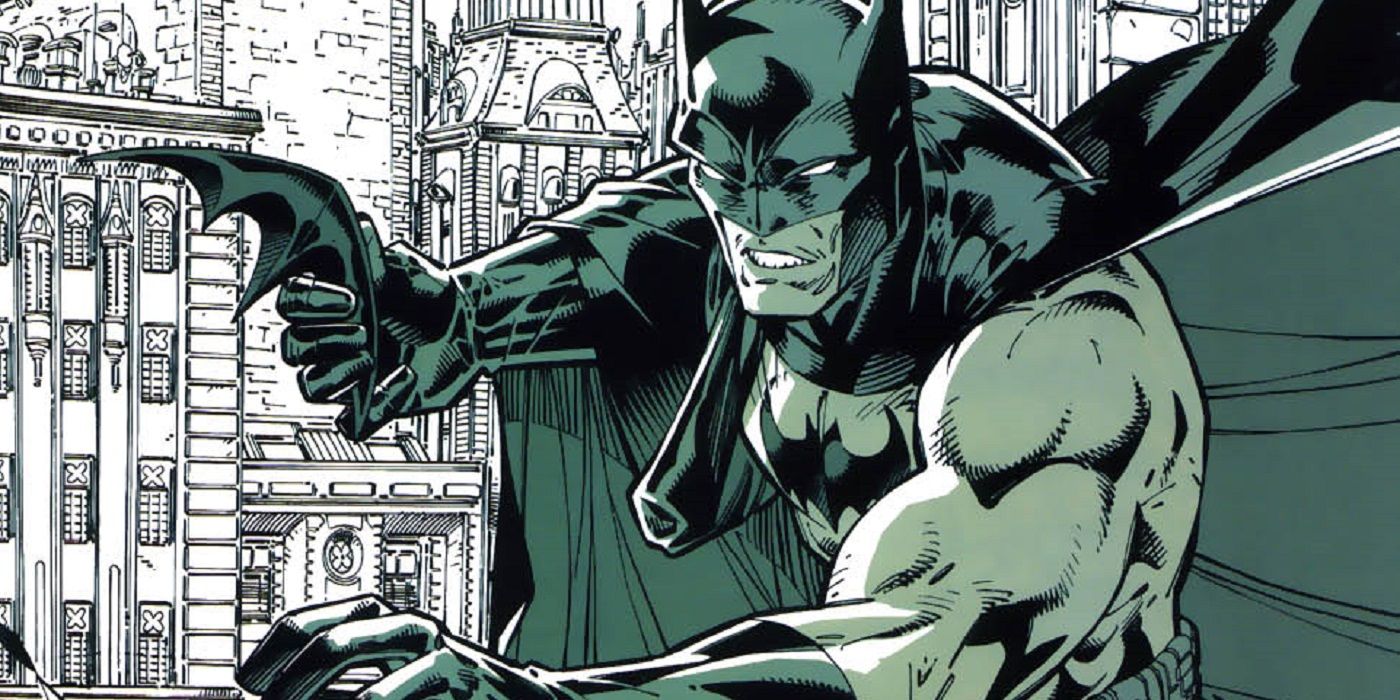
Jim Lee’s Batman art redefined Gotham for a generation of comic readers, turning a monthly superhero title into a visual event that collectors and fans still chase two decades later. Lee arrived at DC Comics already a phenomenon, having drawn the best-selling comic book of all time with 1991’s X-Men #1, and he brought that same appetite for detail, drama and design to the Dark Knight. What followed was a sustained reshaping of how Batman, his rogues and his city were drawn for the modern age, running across far more than a single cover or story.
Lee’s route to Gotham was anything but direct. He built his name at Marvel on The Uncanny X-Men, co-founded Image Comics in 1992, and ran his own imprint, WildStorm Productions, before selling it to DC in 1998. That deal freed him to focus on art again, and in 2002 he teamed with writer Jeph Loeb on “Hush”, a twelve-issue Batman arc that became his first major ongoing work for the publisher. It was the beginning of a relationship with Gotham that would eventually see Lee become DC’s co-publisher, chief creative officer and, later, its president.
Lee’s Batman pages appeal to collectors for a straightforward combination of nostalgia, craftsmanship and scarcity. His covers and splash pages regularly headline original art auctions, and the market has only grown more competitive as the “Hush” generation of readers reaches the age where they can bid on the pages they grew up rereading.
Discover all in our:
Jim Lee’s Batman: the art that redefined Gotham
From his first Gotham Knights back-up story to his current run on “Hush 2”, Lee’s Batman work spans more than two decades.
Credit: ComicHub
From the X-Men phenomenon to the Dark Knight
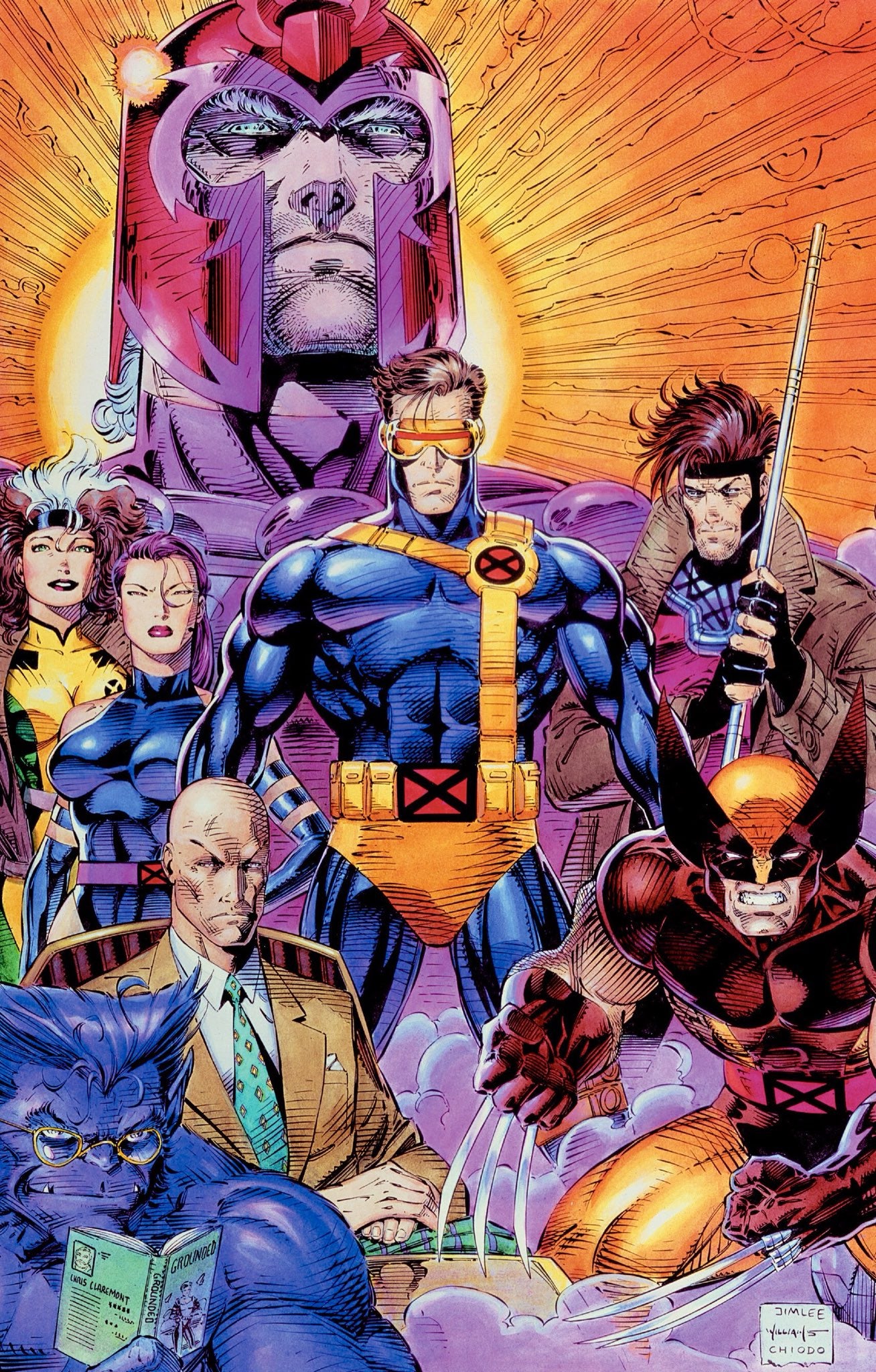
Before Gotham, there was the Danger Room. Lee’s run on The Uncanny X-Men and the 1991 relaunch of X-Men made him one of the defining pencillers of the era, and his co-founding of Image Comics gave him creative control that few artists of his generation held. When WildStorm Productions was sold to DC in 1998, Lee stepped back from publishing to draw, and Batman: Gotham Knights #1 gave him his first taste of the character in 2000.
That short story was a warm-up. In 2002, Lee and Loeb began the twelve-part “Hush”, running through Batman #608 to #619, with Scott Williams inking and Alex Sinclair on colours. It became Lee’s first major ongoing Batman work, and the partnership he formed with Williams on that book would define the look of his Gotham for years afterwards.
Credit: ComicHub
Hush: the story that rebuilt Gotham’s rogues’ gallery
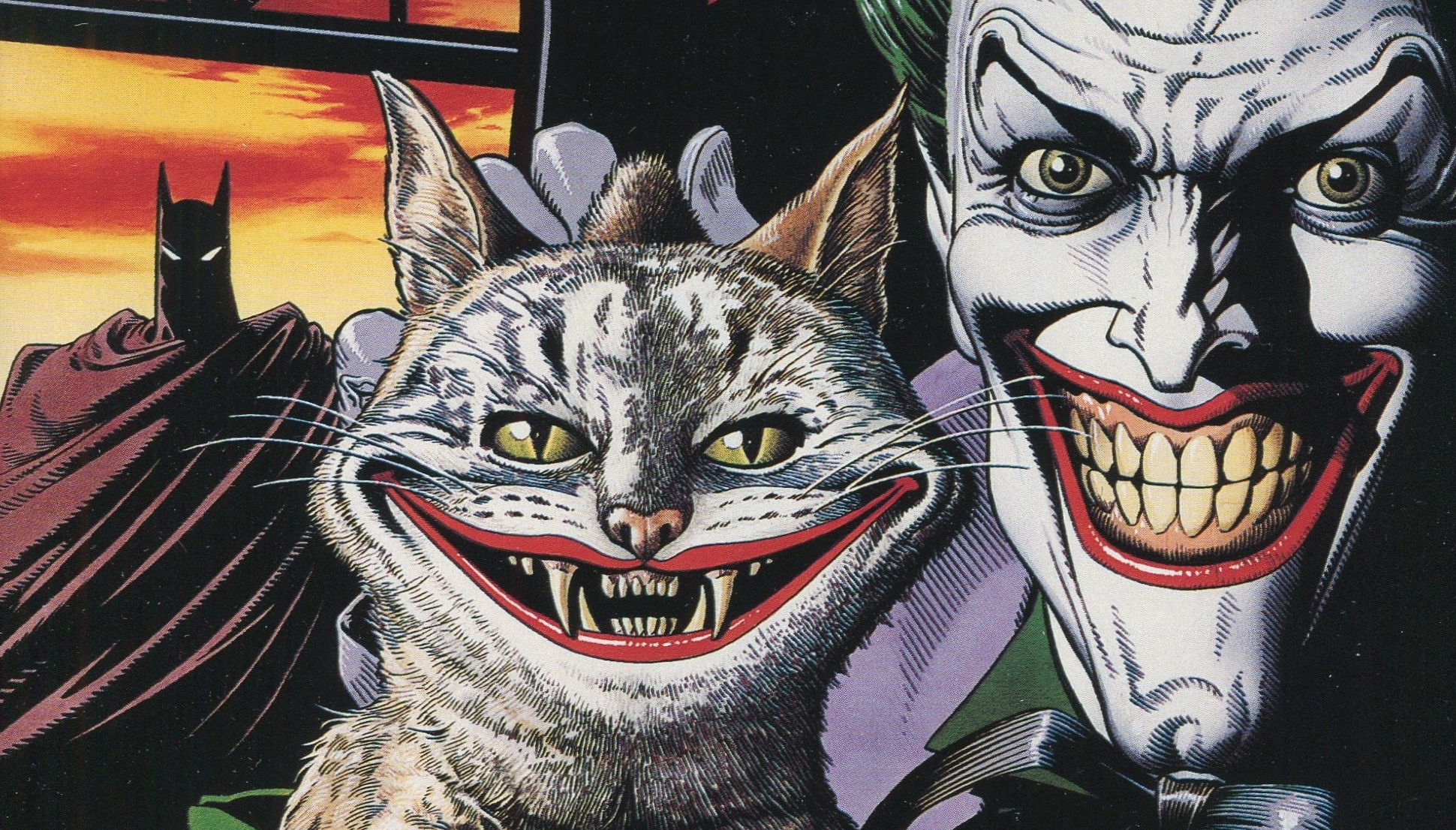
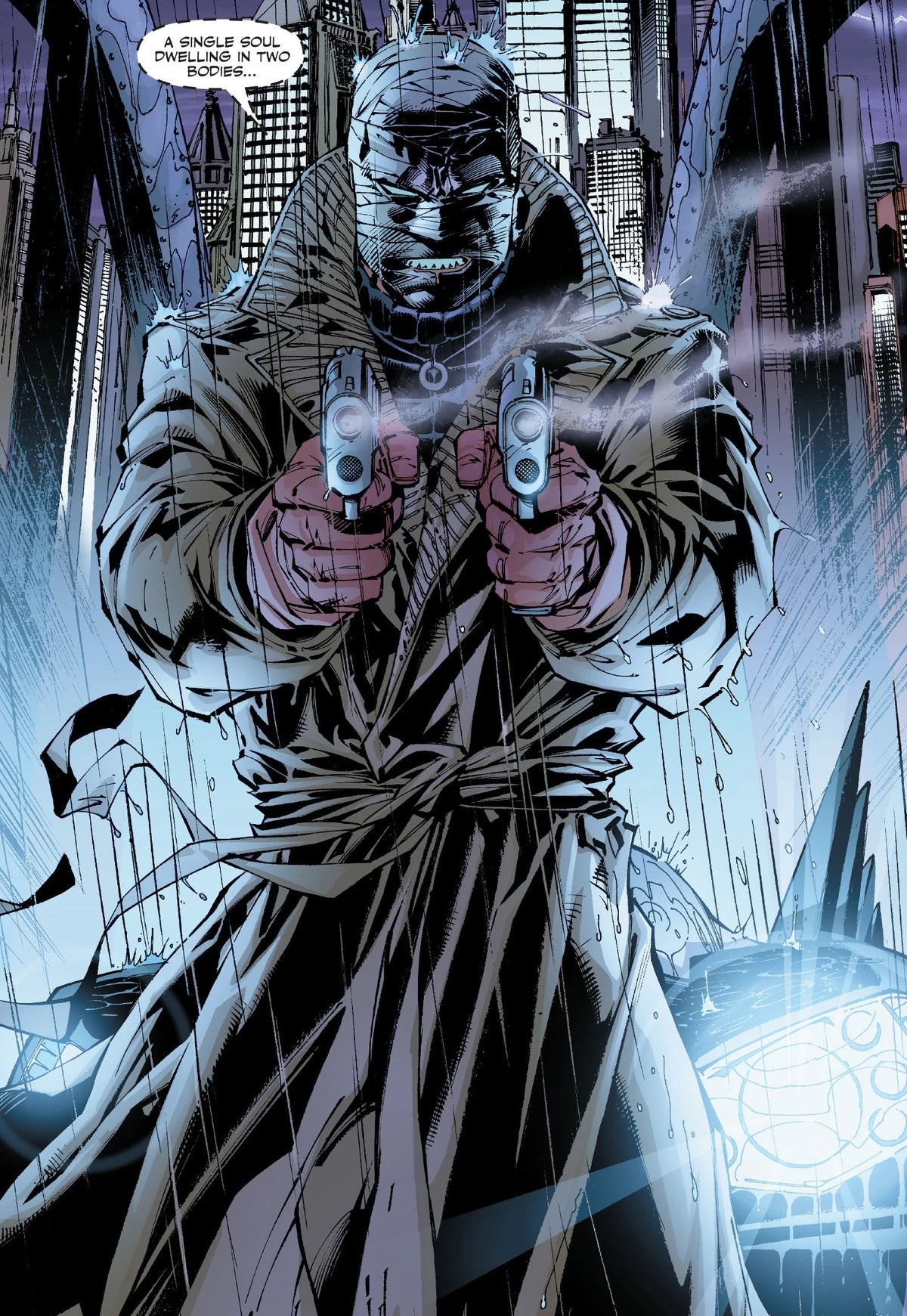
“Hush” is remembered less for its plot than for its cast. Loeb’s mystery gave Lee a reason to draw nearly every major figure in Batman’s world in a single year-long run, from Catwoman and Superman to the Joker, Ra’s al Ghul and Poison Ivy, and the storyline topped the sales charts for the year it was published. Heritage Auctions, which has handled a large share of the surviving “Hush” pages, credits the arc with rejuvenating the Batman franchise at a point when the character needed a fresh visual identity.
Lee’s gatefold covers were the clearest expression of that ambition. For the finale in Batman #619, he and Williams produced two triple-panel gatefolds, one for Batman’s allies and one for his enemies, so that opening the cover revealed the full cast gathered around Gotham’s skyline and cathedral rooftops. It remains one of the most recognisable Batman images of the 2000s.
Credit: BatmanWiki
All-Star Batman and the New 52: authoring Batman’s modern silhouette
Lee’s influence on Gotham did not stop at “Hush”. In 2005, he teamed with writer Frank Miller on All Star Batman & Robin, the Boy Wonder, a stylised, muscular take on the character that ran, with delays, through ten issues. The art was widely praised even when the scripts divided readers, and it further cemented Lee’s version of Batman as the one many artists would imitate.
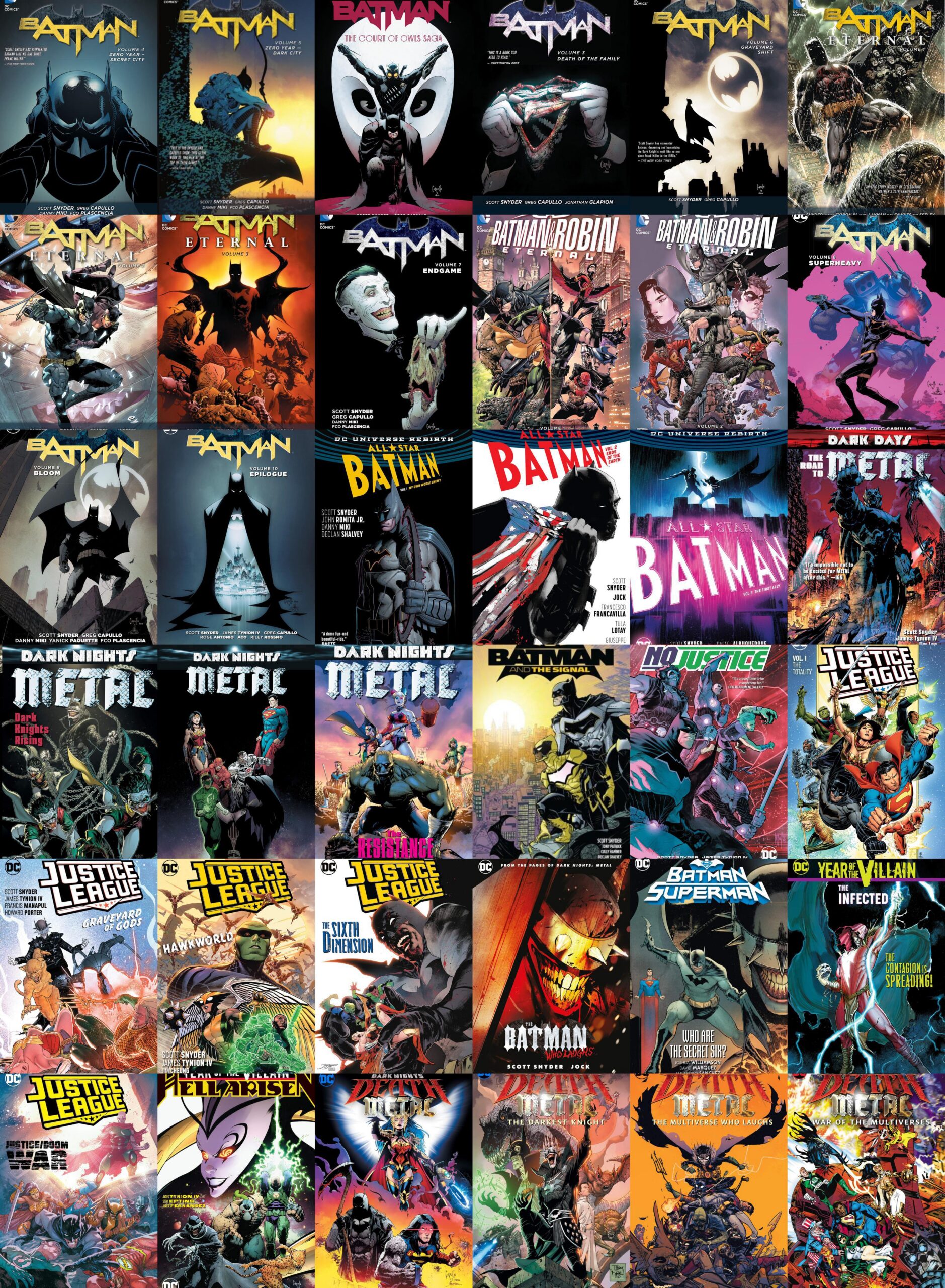
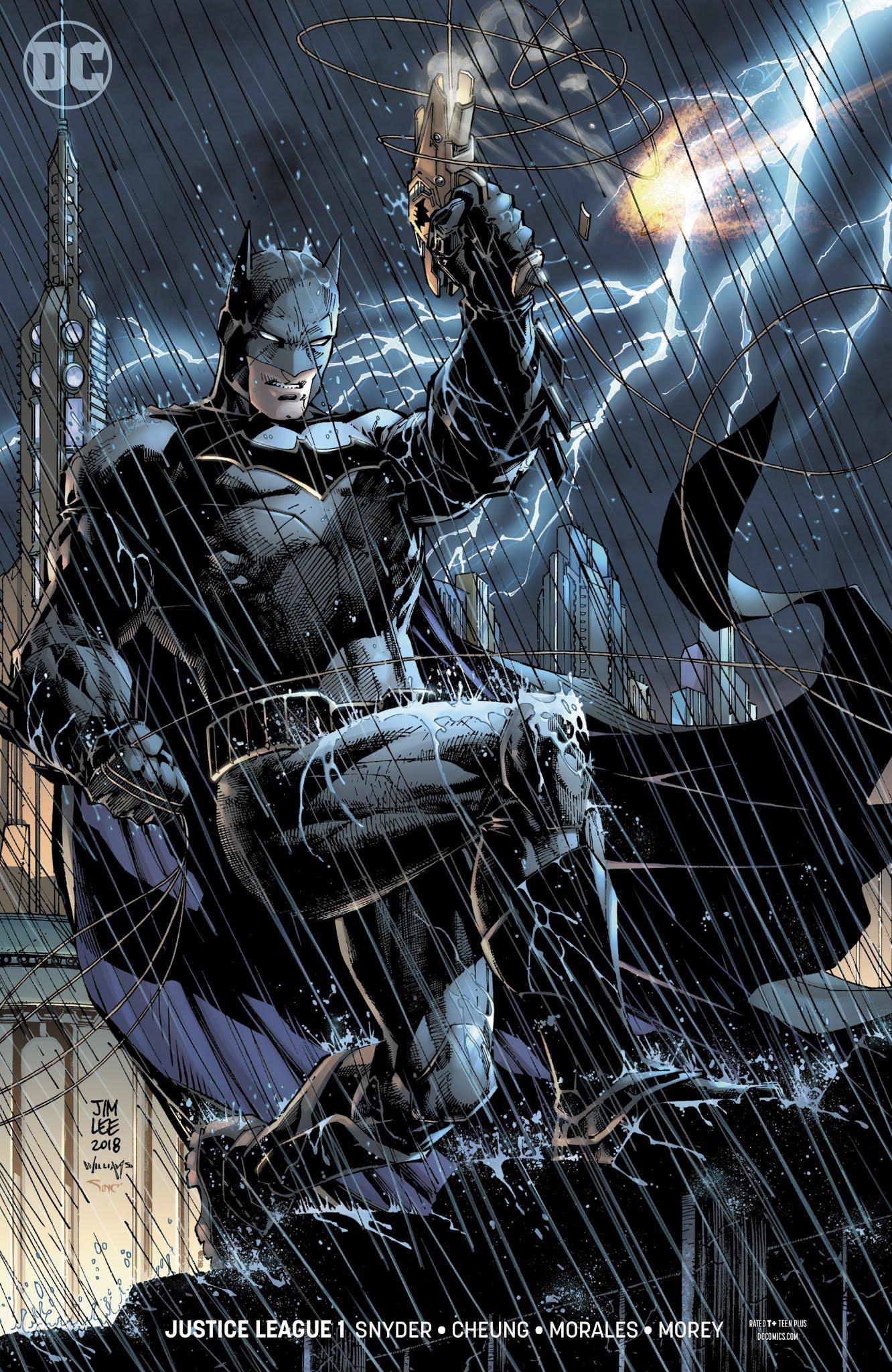
His biggest institutional mark came in 2011, when Lee and writer Geoff Johns became the architects of “The New 52”, DC’s line-wide relaunch, drawing the new Justice League together. His redesigns, most visibly Batman’s armoured, sharper-edged costume, became the house style for the character across comics, merchandise and animation for the following decade. As co-publisher and later sole publisher and chief creative officer of DC, Lee was, by then, shaping Gotham from the top of the company as well as from the drawing board.
Credit: DC Comics
The market for Jim Lee’s original Batman art
Original art from “Hush” now anchors the top end of the Jim Lee market. The clearest evidence is the triple-gatefold “Allies” cover from Batman #619, which sold at Heritage Auctions on 19 June 2022 for £413,000 (converted at that month’s exchange rate), the highest price ever recorded for a Jim Lee original at auction. The sale came during a session that also set records for other Batman artists. The market for Modern Age original art has become increasingly competitive.
Interior “Hush” pages, by contrast, tend to change hands for far less than a signature cover, though double-page spreads and splash pages featuring major villains still draw strong interest. As with most original comic art, the gap between a cover and an interior story page is usually the single biggest factor in price.
Credit: CBR
What collectors look for in Jim Lee original art
Provenance matters more with Lee’s work than with many artists, since a meaningful share of his most desirable Batman pages have come directly from his own personal collection when consigned to auction. Buyers also weigh whether a piece was pencilled and inked entirely by Lee (a rarity, as his long-time collaborator Scott Williams has inked the vast majority of his published work), and whether the page depicts a recognisable character or moment rather than a background panel.
Condition and completeness round out the picture. Gatefold and multi-panel covers are sometimes split or incomplete by the time they reach the market, so a full, unseparated set carries a premium. Given how gated Heritage’s own pricing data is behind a free account, prospective buyers are usually best served by registering with the auction house directly to track comparable sales before bidding.
Credit: DC Comics
The legacy of Lee’s Batman art
More than twenty years on, “Hush” is still the reference point for how Lee’s Gotham looks: a city of sharp gothic architecture, dense crosshatching and a rogues’ gallery drawn with equal care to hero and villain alike. That visual language carried through All Star Batman & Robin, into the New 52 redesign, and now into “Hush 2”, the sequel Lee and Loeb began in 2025 with the same inker, Scott Williams, and colourist, Alex Sinclair, who worked on the original.
For collectors, that continuity is part of the appeal. A Jim Lee Batman page is more than a piece of art: it is a fragment of a visual identity that has become the default version of the character for two decades of readers. With “Hush 2” now underway and the market having already set a record for a Jim Lee original at auction, interest in the pages that built that visual identity shows no sign of easing.