



For decades, cinema audiences have been captivated by the objects that bring films to life, and collectors now face a persistent challenge: telling a replica from an original prop.
As the entertainment memorabilia market matures, collectors are increasingly confronted with items claiming a connection to the silver screen.
The distinction between mass-produced merchandise and an authentic production artefact is the foundational lesson for any collector.
The marketplace is saturated with detailed recreations, so buyers must learn to distinguish between items built for consumer display and those genuinely constructed for the rigorous demands of a film set.
As prices for authentic pieces have risen, authentication has become essential. This guide covers the characteristics that separate licensed recreations from genuine cinema history.
Discover all in our:
Movie replicas vs original film props: how to tell the difference
The hierarchy of production materials
When collectors speak of an original film prop, they refer to an item created specifically for a production by the original crew. This does not mean there is only one version of an item. Film sets require efficiency, continuity and safety, so prop masters create multiple variations of the same item.
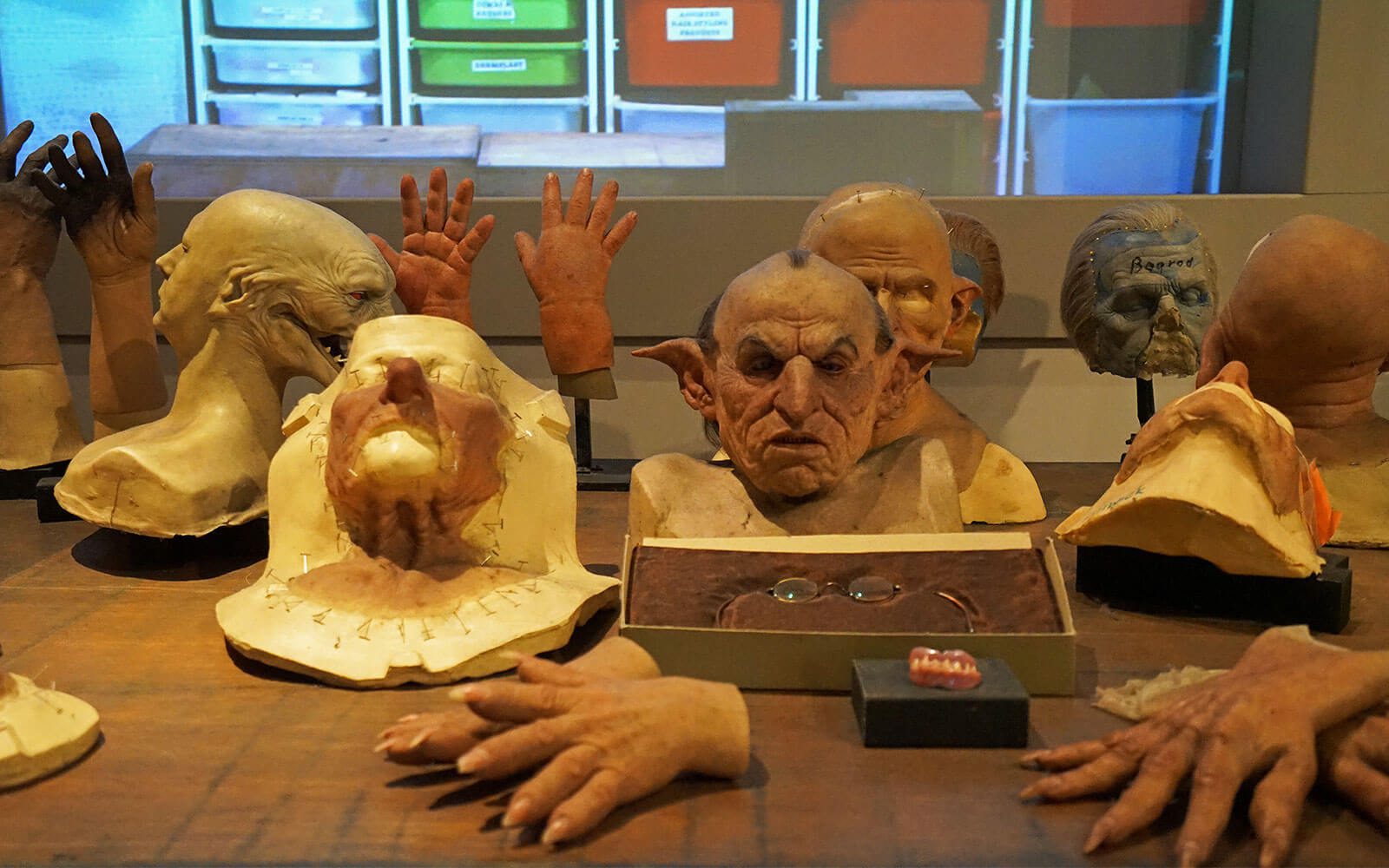
The most detailed iteration is typically known as a “hero” prop. These are meticulously finished items designed for close-up camera work. Conversely, “stunt” props are created to ensure actor safety during action sequences. A stunt weapon will be cast in soft rubber or foam rather than steel.
Productions also use “background” items for extras, which lack fine detail since they are seen from a distance. An item may also be classified as “production-made”, meaning it was created for the film but perhaps served as a backup or went unused. All these classifications fall under the umbrella of authentic original props.
Credit: SquibFX
Understanding the replica market
A replica is an item created to mimic the appearance of an original production asset. Replicas serve a distinct purpose within the collecting community: they let fans celebrate a film without the cost of an authentic artefact.
These items generally fall into three categories. Studio-licensed replicas are officially sanctioned products, often manufactured in limited editions. Fan-made replicas are crafted by independent makers who study reference materials to recreate props as closely as possible. Finally, marketing items are distributed during a film’s release.
While replicas can look convincing, they are consumer products: they were never present on a soundstage or handled by an actor. The ethical issue arises when a replica is misrepresented as a genuine production asset, so collectors must evaluate the construction and documentation of any piece they are considering.

Credit: Bloomberg
Construction quality and material degradation
One counterintuitive aspect of authenticating movie memorabilia is that original props often look less polished than replicas. Replicas are manufactured for consumer display, built to last on a shelf using durable materials like metal and stabilised resins.
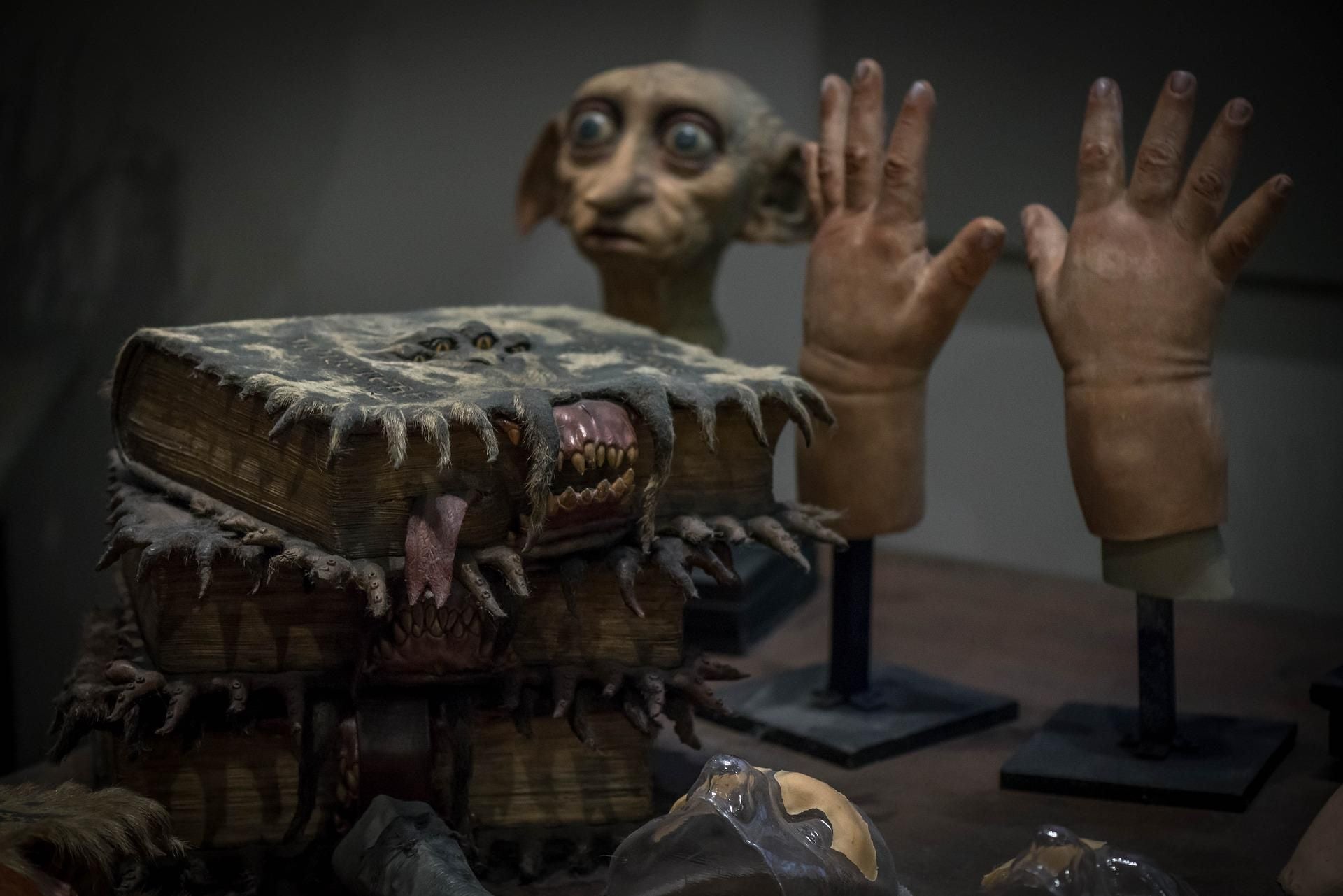
Original props were never built for longevity. Their sole purpose was to look convincing on camera for the duration of a shoot. Materials like foam latex, untreated rubber, and temporary adhesives naturally degrade over time, especially when exposed to light or poor storage environments.
The finish on an original prop often reveals the rushed reality of a film set. An authentic piece might feature visible brush strokes or hastily applied gaffer tape. A notable example sold at Julien’s Auctions was an original Death Star surface piece from Star Wars: A New Hope (1977). Constructed from simple cardboard and held together with black duct tape, the prop required no fine finishing because the camera panned past it rapidly. It realised £3,993 at auction despite its rough construction.
Credit: Supercreative
Provenance and documentation
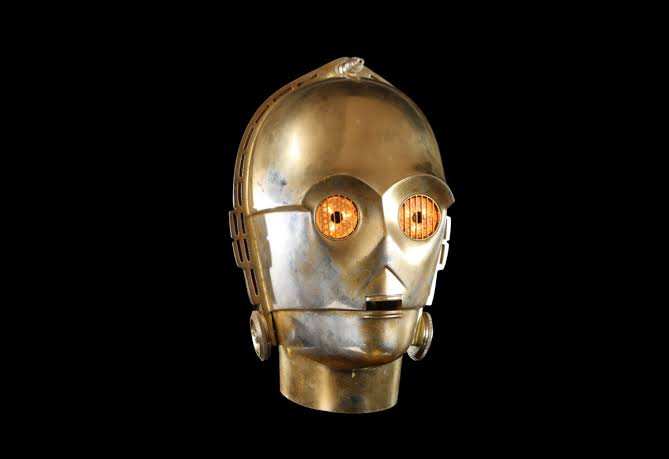
Because replicas can sometimes be indistinguishable from genuine props, authentication relies heavily on provenance. Provenance refers to the documented history of an item’s ownership, tracing its chain of custody from the film studio to the current owner.
Leading auction houses subject items to rigorous vetting before they reach the auction block. This process involves examining studio paperwork, asset tags, and initial purchase receipts from reliable sources such as original prop masters.
A Certificate of Authenticity (COA) from a recognised authority supports an artefact’s documented history. Major entities issue COAs that are guaranteed for life, featuring security measures like embossed seals, tamper-proof holograms and unique serial numbers. These numbers correspond to digital image archives, allowing buyers to cross-reference the exact piece against the original sale database.
Credit: LAmag
Screen-matching: a forensic approach to authentication
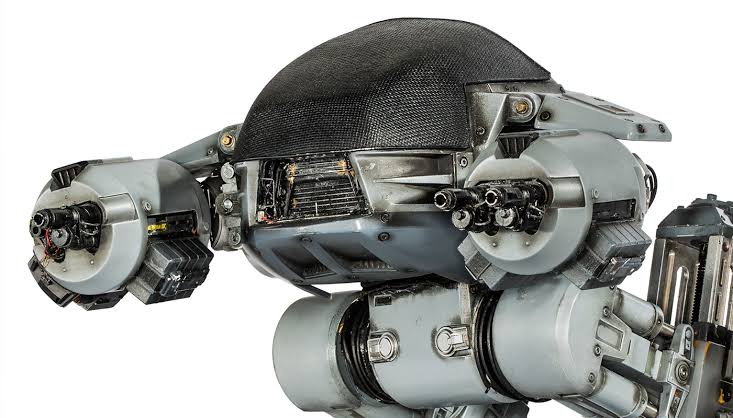
When documentation is scarce, specialists turn to forensic-level methodologies. The most rigorous of these is known as screen-matching, which involves visually verifying that a specific physical item is the exact one seen in the finished film.
Specialists study the piece alongside high-definition film footage, looking for unique, impossible-to-replicate identifiers. These tells can include the wood-grain pattern on a pistol grip, a distinct scratch, or even the exact placement of sweat stains on a costume. Because production teams create multiple identical items, a physical mark that aligns perfectly with a single frame of film can confirm which exact item was used on screen.
The rise of high-definition media has made this practice far more precise. Details previously lost in standard broadcasts are now clear, allowing specialists to independently validate an item’s provenance beyond traditional paperwork. A confirmed screen-match is considered definitive, separating a true original from a highly accurate replica.
Credit: Original Prop Blog
Market value and the auction block
The financial disparity between an original prop and a replica reflects the rarity of authentic items. While a licensed replica might retail for several hundred pounds, documented production artefacts command serious investment at auction.
For example, an original USO shield prop used by Chris Evans in Captain America: The First Avenger (2011) realised £9,126 at Julien’s Auctions in 2024. More recognisable pieces reach even higher prices. A suit worn by John Travolta in Saturday Night Fever (1977), one of only two known to exist from the production, sold for £202,800.
These values show why authentication matters so much. A replica holds aesthetic value, but an original prop holds historical value. When purchasing, collectors must ensure the pricing aligns with the verified classification of the item, and treat any unverified original offered at a replica price point with healthy scepticism.
The lasting heritage of movie memorabilia
Collecting film memorabilia preserves cultural history. The props, costumes and production materials that survive the demanding environment of a film set are tangible links to the stories that shape modern entertainment. As the secondary market continues to expand, the distinction between replica and original keeps this history accurately chronicled and protected.
Education remains the strongest defence against misrepresentation. Understanding production methods, material degradation and the standards of provenance lets collectors make informed decisions. Whether choosing a carefully crafted replica for a home cinema or investing in a screen-matched artefact, knowing an item’s true origin protects the integrity of the collecting hobby.