



Film lobby cards were small promotional prints used to advertise films in cinema foyers, and they remain a familiar fixture of vintage movie advertising.
Before multiplexes and digital marketing, a trip to the local picture house began with an array of promotional materials. Among these were lobby cards: miniature billboards giving cinema-goers a glimpse of the drama, comedy or horror awaiting inside.
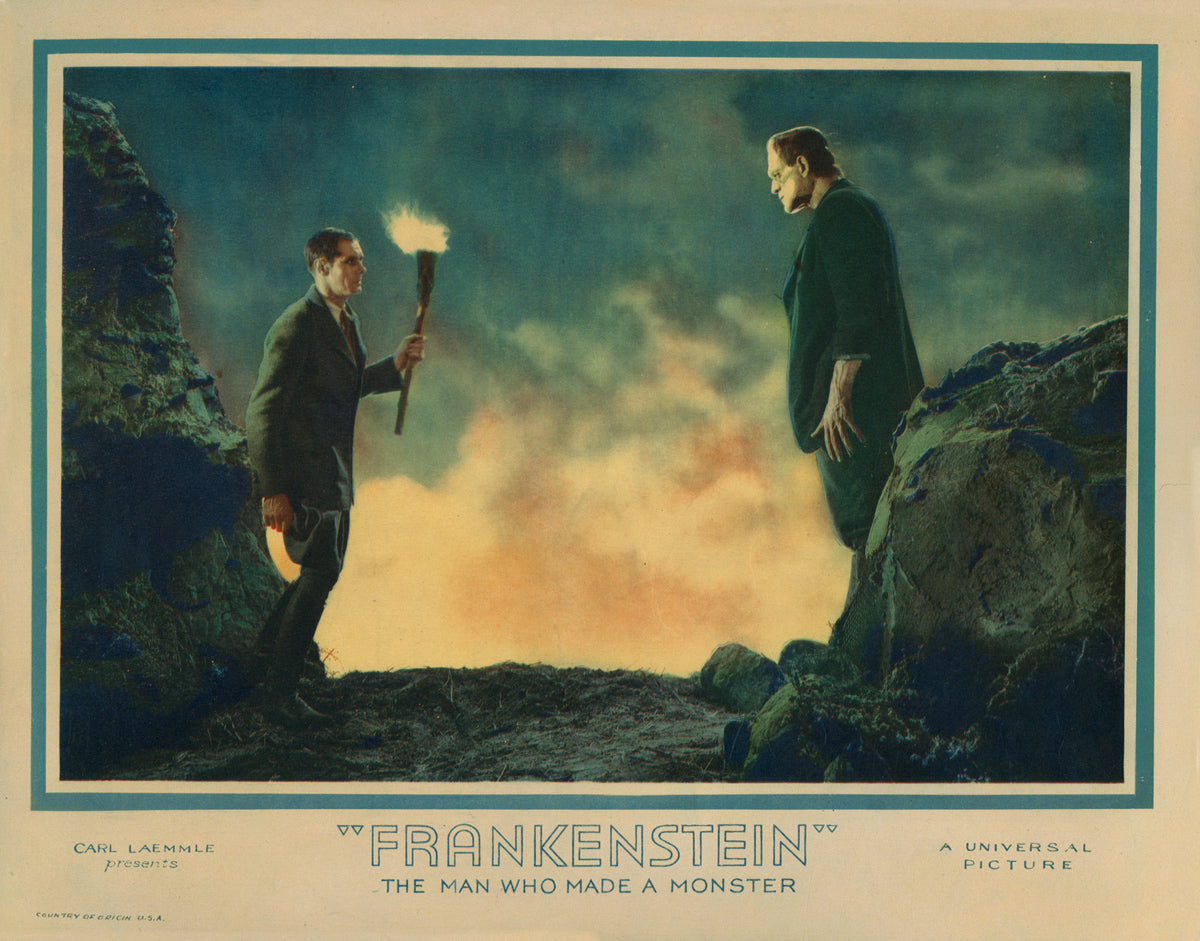
First appearing in the 1910s, these photographic cards were made for display in theatre foyers. Typically distributed in sets of eight and printed on heavy card, they were meant to be returned or destroyed after the film’s run. Because they were disposable, surviving examples, especially from cinema’s golden age, are now valuable historical items.
Today, the vintage lobby card market is strong, with values ranging from a few pounds for common 1970s releases to tens of thousands for rare 1920s and 1930s pieces. While some modern posters lack rarity, original cards from the 1920s to the 1950s attract strong interest at major auction houses. The appeal for collectors lies as much in the direct link these pieces offer to a film’s original theatrical release as in the artwork itself.
Discover all in our:
Lobby cards: what are they? A collector’s guide to vintage movie advertising
Credit: Wikipedia
The origins and purpose of the lobby card
In early cinema, studios needed an affordable way to advertise coming films to audiences already in the theatre. The answer was a smaller format than the standard one-sheet poster, designed to fit in theatre foyer display cases. At 11 by 14 inches, these became standard for almost every major studio release by the 1920s.
In the UK, they were known as front of house cards. British cards often looked like their American counterparts, though they more often used black-and-white press photos instead of Hollywood’s colour lithography. In both countries, the purpose was the same: to encourage audiences to return the following week for the next film.
Credit: Stephany Connel
The anatomy of a standard set
Traditionally, lobby cards came in sets of eight, though some films had different numbers. High-budget epics sometimes received twelve-card sets, while smaller productions might only get six.
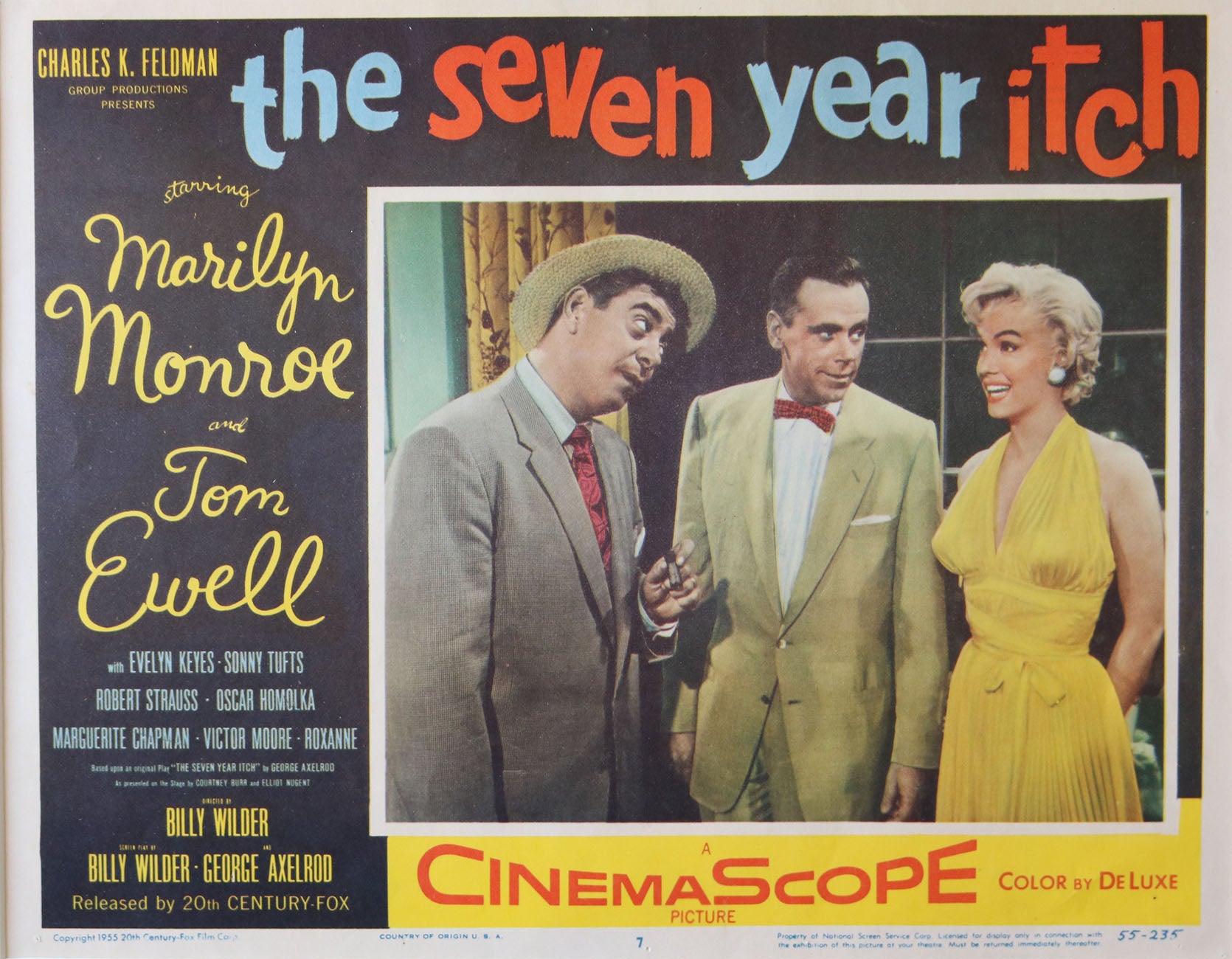
Studio marketing departments selected images that told the film’s story without giving away the ending. Modern collectors need to understand the hierarchy within these sets. The most important card in any set is the title card, showing the film’s title, main cast and key poster artwork or a star montage. As the display’s centrepiece, the title card is usually the most sought-after in any surviving set.
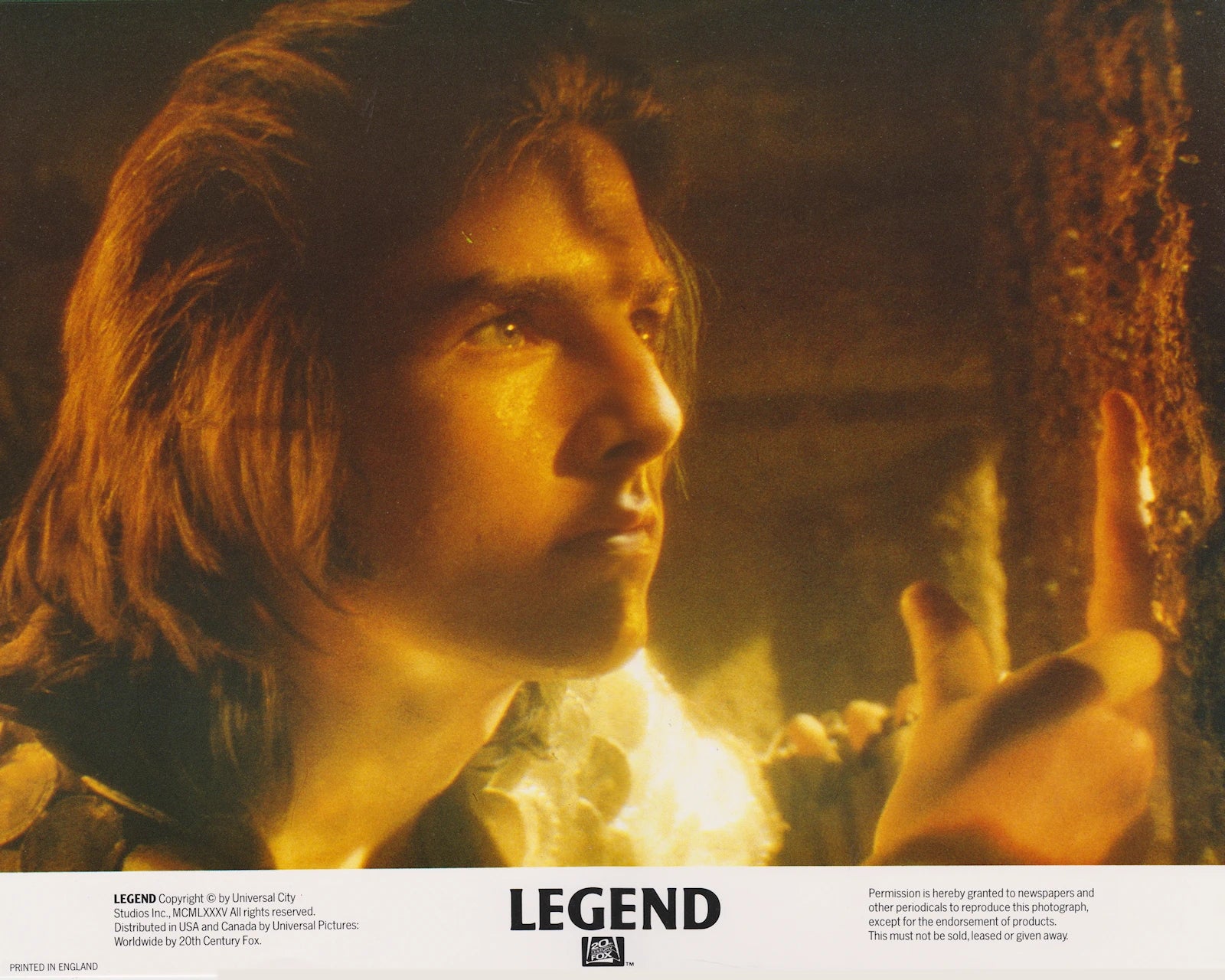
Credit: Lobby.Cards
Scene cards and character focus
The other seven cards in a standard set are called scene cards. Each showed a scene from the film, often with a decorative border or small title artwork in the corner.
Scene card values from the same film can vary greatly depending on the image. Collectors pay most for cards showing close-ups of stars, famous scenes or well-known supporting actors. For example, a horror film card showing the monster will usually fetch more than one showing minor characters talking.
Propstore sold a US lobby card for Hitchcock’s The Wrong Man (1956) that was particularly collectable because it showed the director in his cameo, reading a newspaper. It had an estimate of £100-200. Complete sets are now rare because dealers often split them to sell the best images separately.
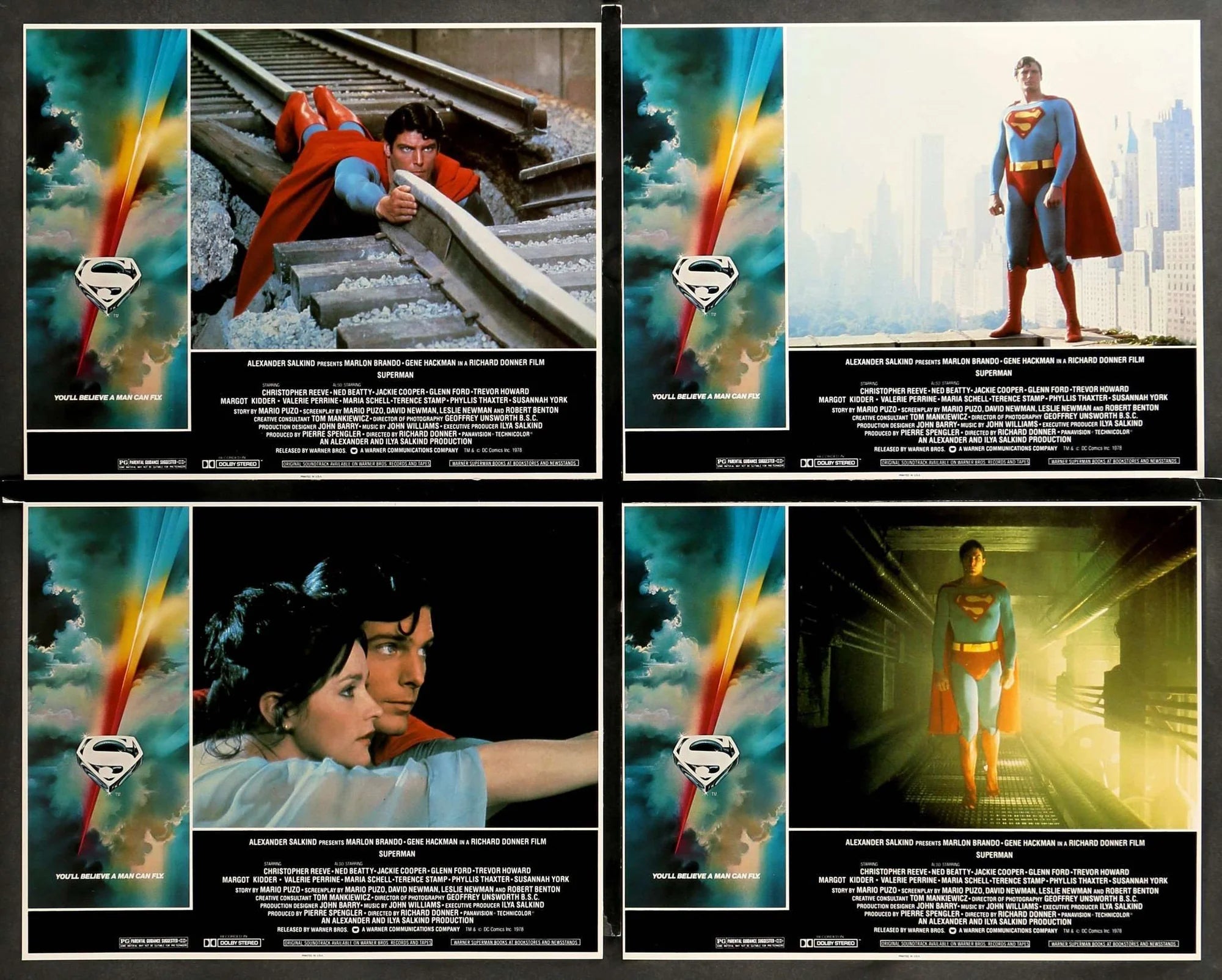
Credit: Original Film Art
The jumbo format and alternative sizes
Although 11 by 14 inch cards were standard, studios occasionally issued larger jumbo lobby cards for their most important releases before 1940. These measured 14 by 17 inches and were printed on high-quality glossy or linen-backed paper.
Because they were expensive to produce and made in smaller numbers, jumbo cards are now extremely rare. A complete set from a 1930s film is seldom found, and individual cards are prized by serious collectors. The larger format allowed for more detail in printing, making them ideal for framing.
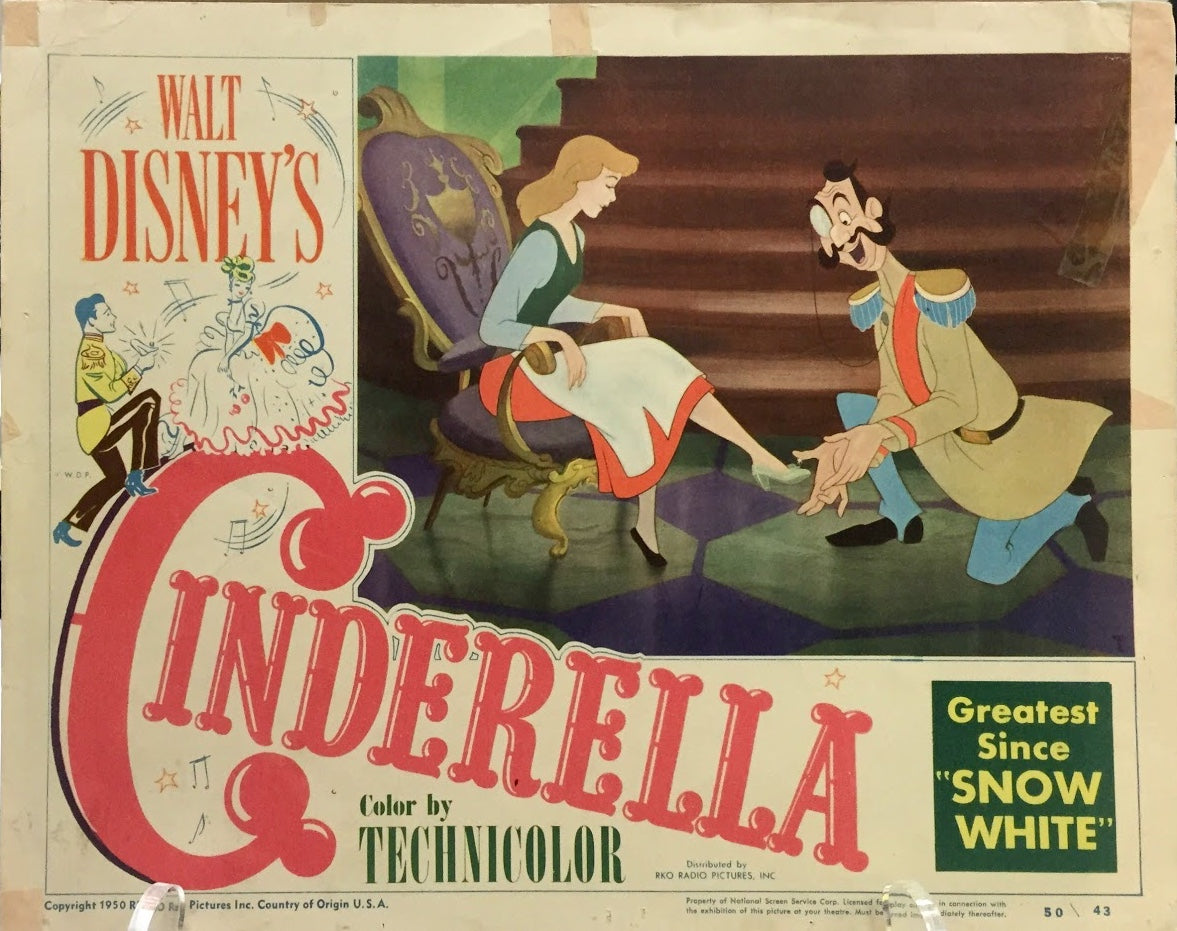
Credit: Art insights
Distribution and the National Screen Service
For most of the 20th century, US distribution of these materials was strictly managed. Originally, studios distributed posters themselves, and theatres had to return them after the film’s run. From 1940 to 1984, the National Screen Service took over printing and distribution of most film posters and lobby cards.
The National Screen Service standardised numbering and dating, which still helps collectors authenticate cards. A small code at the bottom usually showed the release year and film identification number. This system meant sets were produced in large, uniform quantities, but they were rented to cinemas rather than sold.
Condition, preservation and grading
As with any vintage paper item, condition is crucial in determining a lobby card’s value. These were working promotional items, often handled roughly by theatre staff.
Surviving examples often have pinholes in the corners, tape marks on the back or fading from sunlight in display cases. Graders consider all these factors. A perfect card with bright colours and sharp corners is very rare, suggesting it was never used. Many collectors tolerate minor wear like staple holes as part of the card’s history. But heavy damage or trimming can greatly reduce a card’s value.
Market values and verified auction records
The vintage lobby card market is strong, with values from a few pounds for common 1970s items to tens of thousands for rare 1920s-30s pieces. Horror and science fiction from Hollywood’s golden age achieve the highest prices at auction, thanks to dedicated collectors worldwide.
Early horror cards show this premium. A rare Dracula (1931) title lobby card received 17 bids and sold for a record $114,000 (about £90,000). The card far exceeded its $40,000-80,000 estimate. Another rare jumbo Dracula card sold for $192,000 in November 2023, with its provenance from Bela Lugosi’s collection boosting its value.
Classic Hollywood musicals also attract strong interest. Auction results show high demand for title cards, with rare The Wizard of Oz (1939) US title cards estimated at $5,000-10,000, showing the investment needed for top pieces.