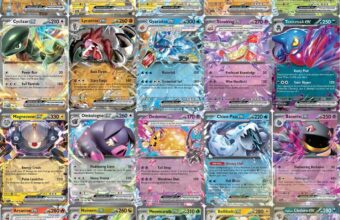




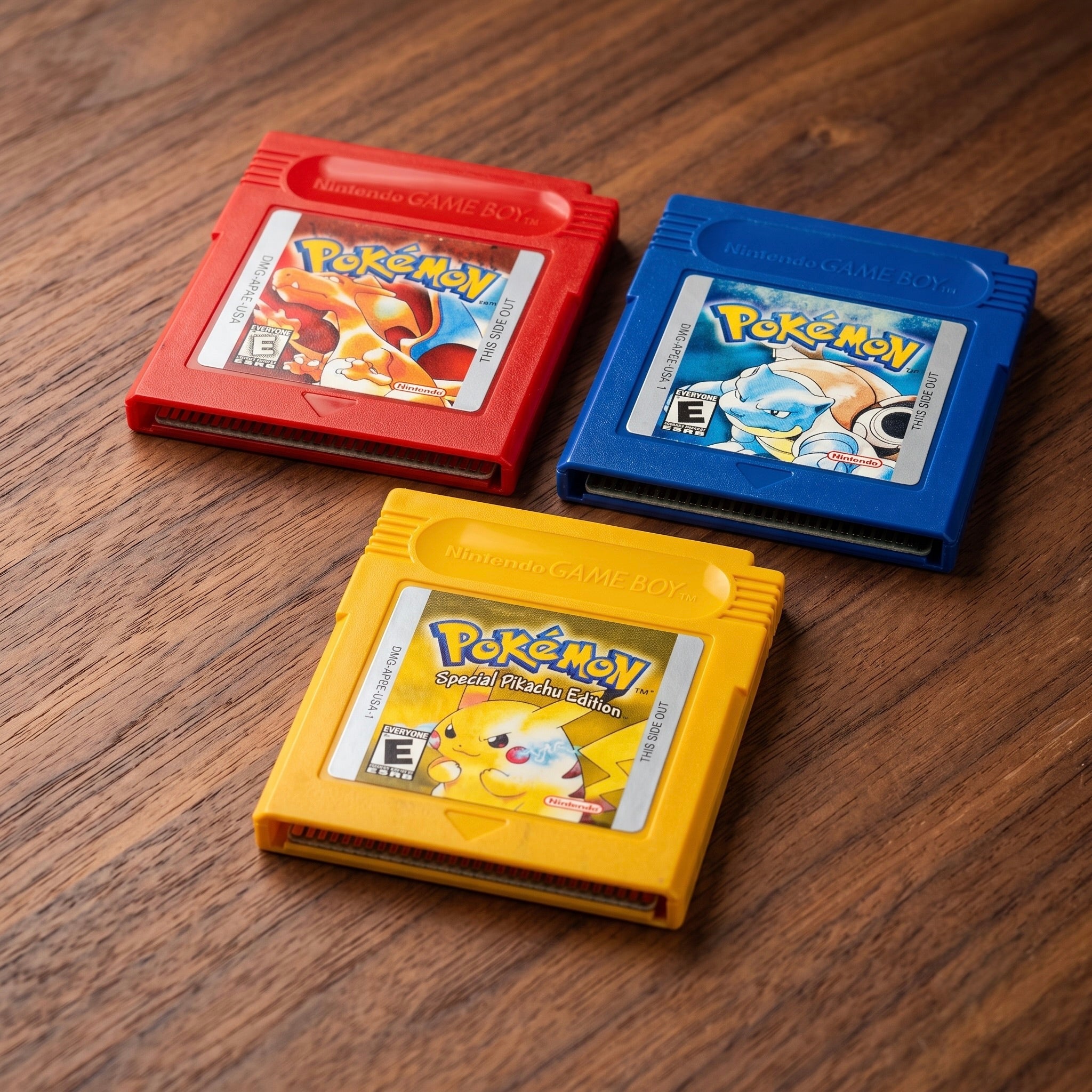
Finding valuable Pokémon collectables hiding in your attic depends heavily on the remarkable scarcity of untouched 1990s gaming relics and cards in such a condition that can be worth thousands of dollars.
Because the original generation of fans eagerly ripped open their booster packs and stuffed their handheld Game Boy consoles into school rucksacks, items that were left forgotten in their original factory shrink-wrap are now exceptionally rare.
From unopened launch-era video game cartridges to limited promotional plush toys, these pristine survivors fetch substantial prices from collectors seeking immaculate pieces of Nintendo history.
Here is a list of the 10 most valuable Pokémon collectibles:
10 valuable Pokémon collectibles that could be hiding in your attic
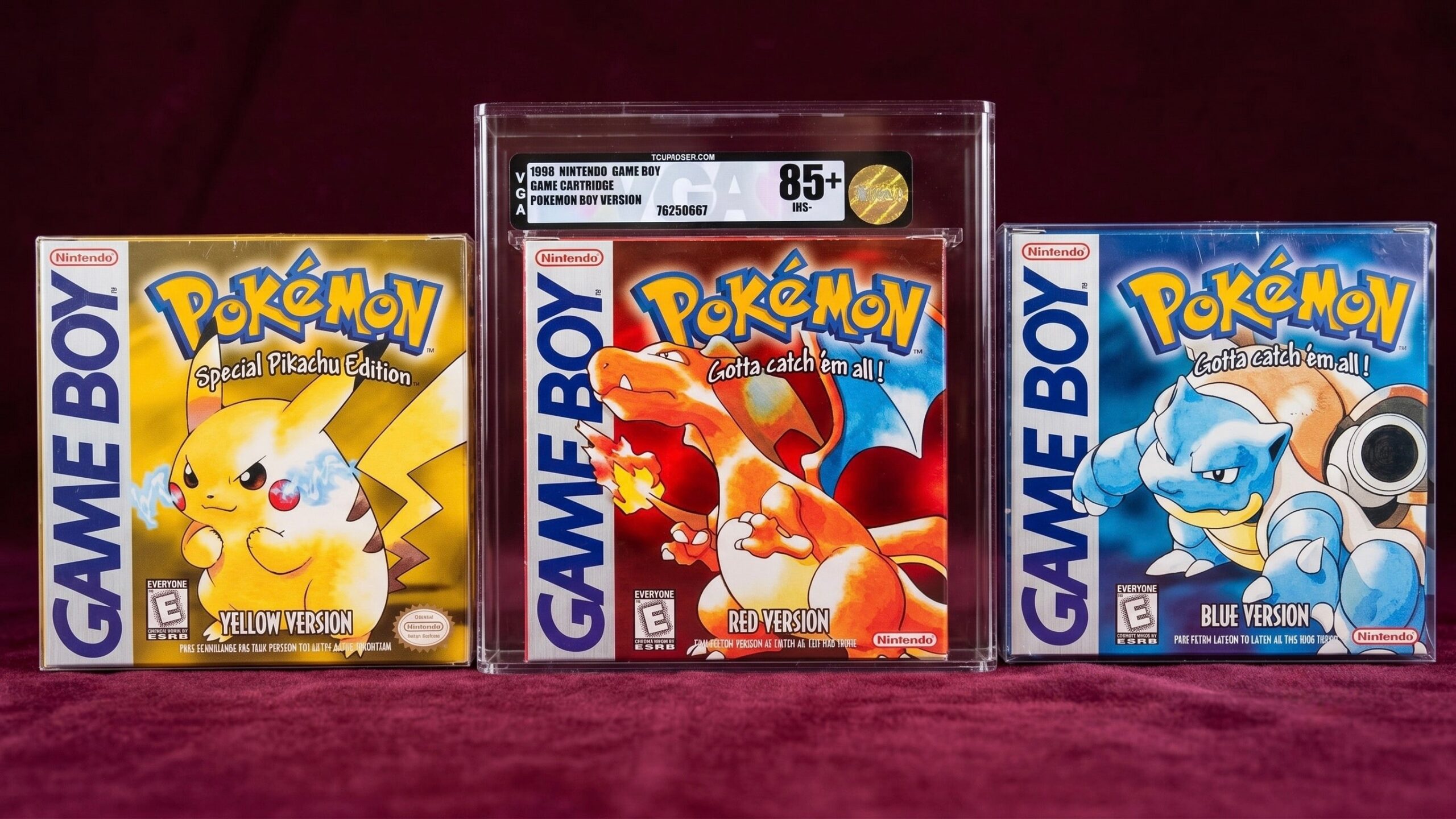
1. Sealed Pokémon Red, Blue, or Yellow Game Boy games (1998, £65,000+)
An original factory-sealed copy of Pokémon Red in a Wata 9.8 grade has sold at auction for over £66,000. While used loose cartridges routinely fetch £40 to £60 today if the internal save battery functions, unopened launch-era boxes in high grades are scarce. Because the majority of original consumers immediately removed the shrink-wrap upon purchase, surviving sealed examples represent rare preservation pieces of gaming history.
Credit: eBay
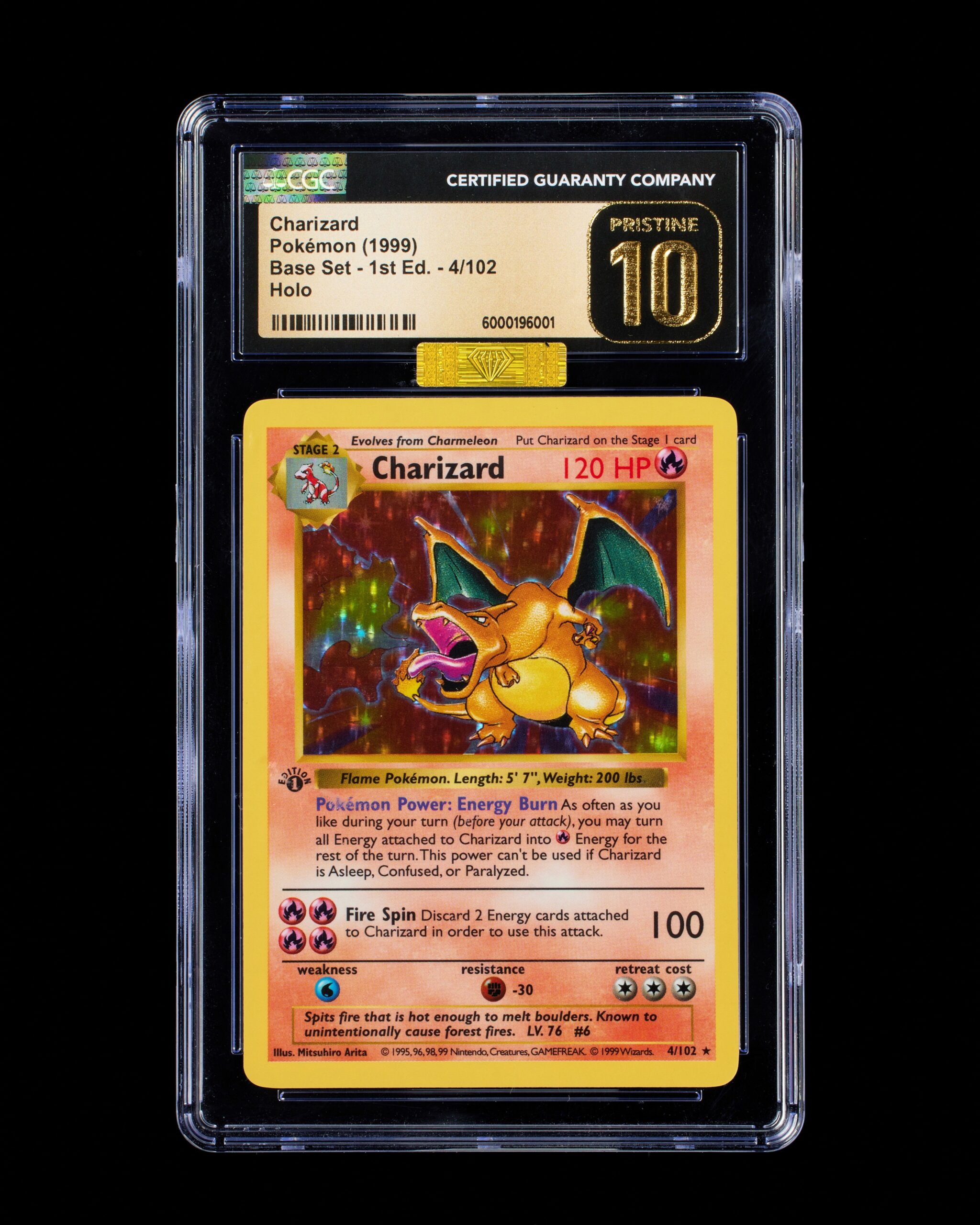
2. 1st edition shadowless Charizard holographic card (1999, £435,000+)
A foundational release in the trading card game, the 1st Edition Base Set Charizard is identified by the absence of a drop shadow to the right of the artwork box and the 1st Edition stamp on the left. A professionally graded PSA 10 copy of this card achieved upwards of £435,000 at auction. It remains the highest-valued standard retail release card in the hobby.
Credit: Sotheby’s
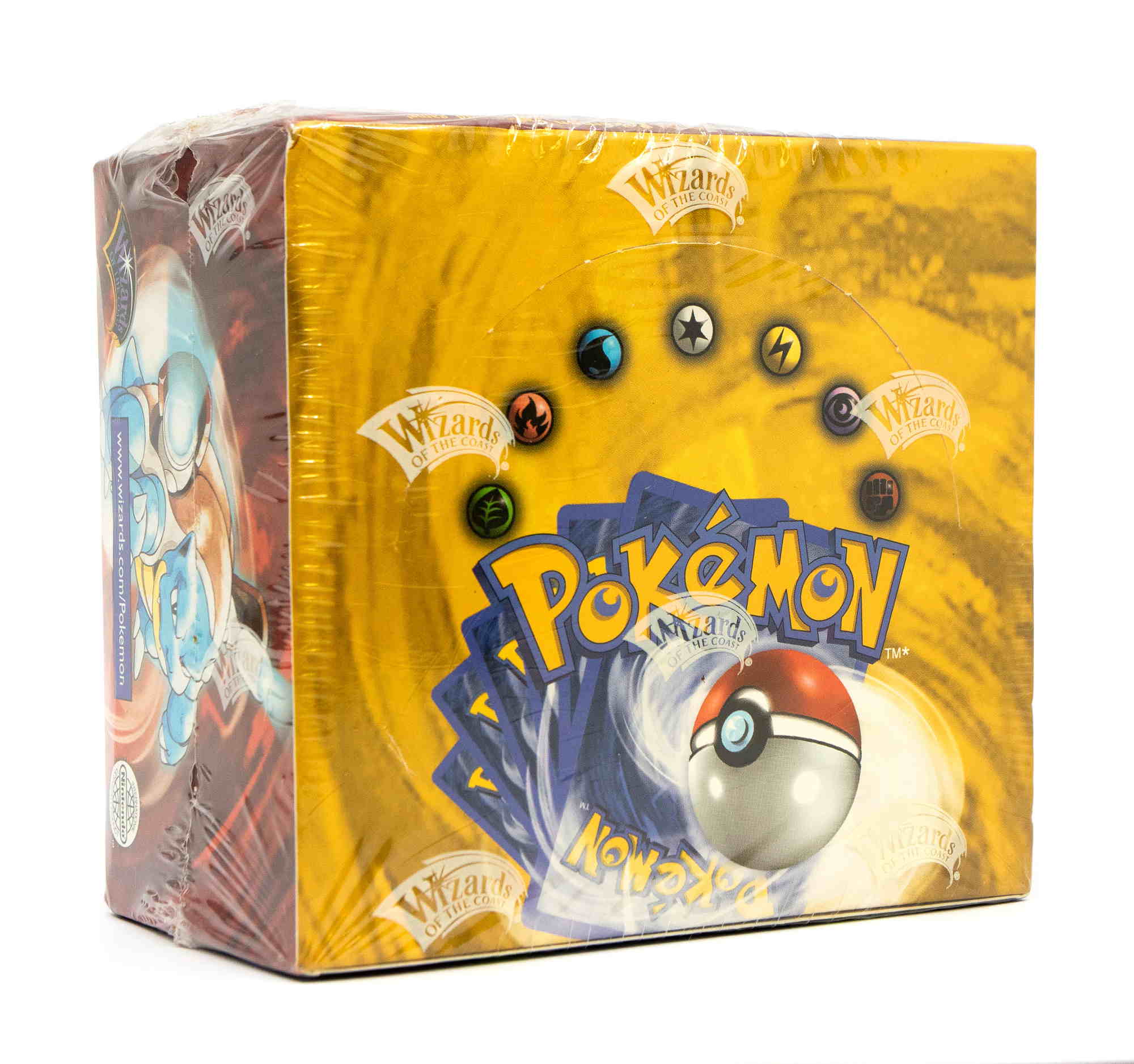
3. Sealed Base Set booster box (1999, £240,000+)
Factory-sealed English 1st Edition booster boxes produced by Wizards of the Coast represent a major asset class within the collectable card market. Containing 360 unopened cards across 36 individual packs, these intact display boxes command between £240,000 and £320,000+ from high-end collectors and investment groups seeking preservation-grade inventory.
Credit: Hansons Auctioneers
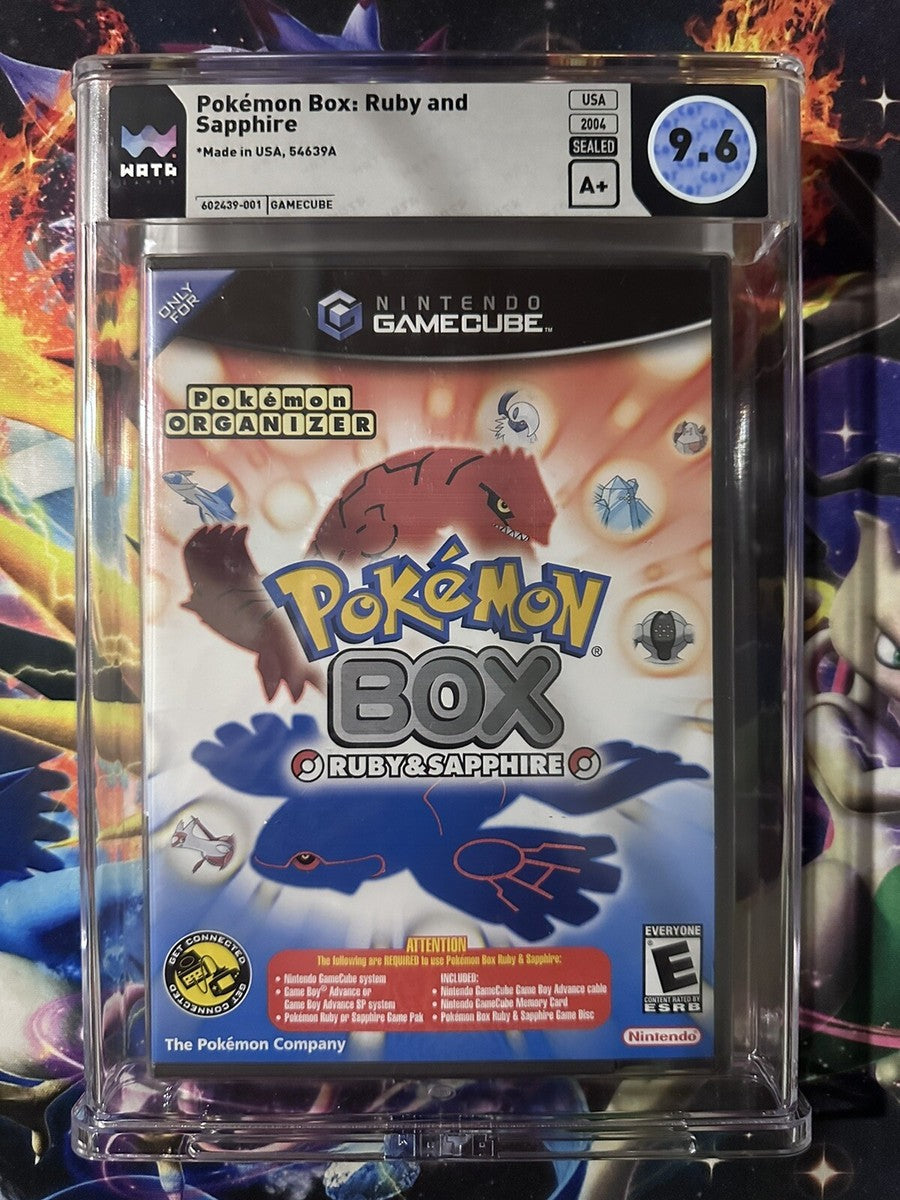
4. Pokémon Box: Ruby and Sapphire for GameCube (2004, £200 to £8,000+ depending on region)
This utility software was designed to allow players to store and transfer up to 1,500 monsters from Game Boy Advance cartridges onto a Nintendo GameCube memory card. In North America, where the NTSC-U disc was distributed exclusively through the Pokémon Center store in New York and online, factory-sealed copies command between £6,500 and £8,000. Conversely, the PAL version was more widely distributed across the UK and Europe via Nintendo’s loyalty catalogue and console bundles, placing the valuation of an authentic, complete-in-box UK copy at £200 to £350.
Credit: eBay
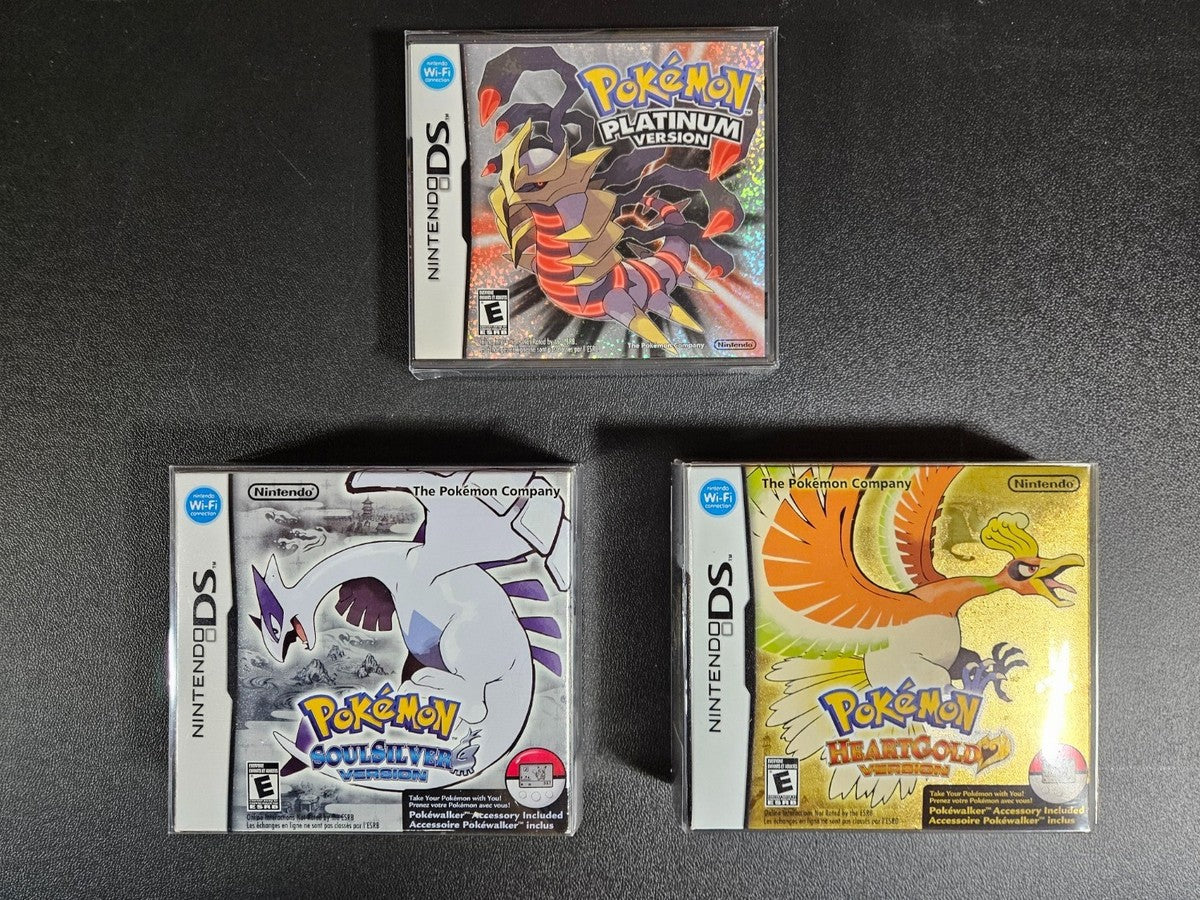
5. Pokémon HeartGold and SoulSilver Pokéwalker bundles (2010, £2,000+)
Upon retail release, these Nintendo DS remakes were packaged in oversized cardboard boxes featuring an included digital pedometer called a Pokéwalker. Because the outer cardboard packaging was prone to wear or disposal during standard use, surviving sealed bundles fetch between £2,000 and £5,000+ depending on condition grading. Examples that include the separate pre-order bonus promotional figurines (Ho-Oh, Lugia, or Arceus) command a further premium.
Credit: eBay
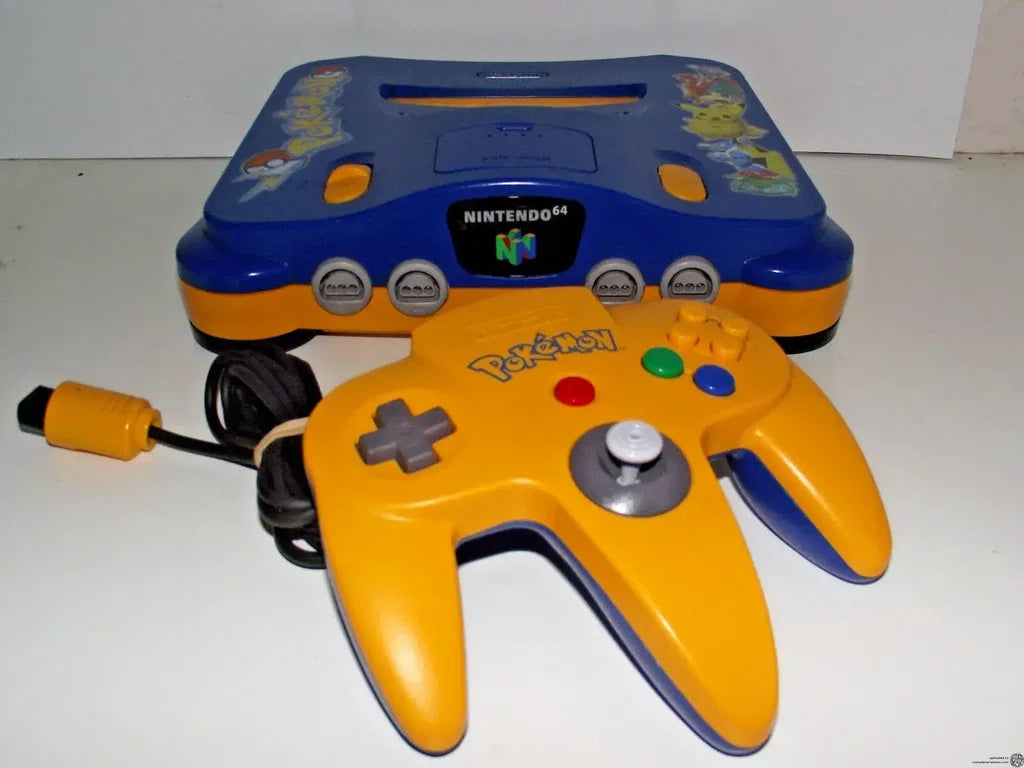
6. Pokémon Stadium N64 Battle Set console bundle (2000, £2,800+)
Hardware bundles from this era are sought after by retro console collectors. The special Nintendo 64 box set—which included the Pokémon Stadium software, a Transfer Pak controller adapter, and an exclusive holographic Cool Porygon promotional card—commands £2,800 to £4,000+ when factory-sealed. Opened consoles that retain their original internal packaging and printed outer boxes consistently achieve valuations of several hundred pounds.
Credit: Consolevariations
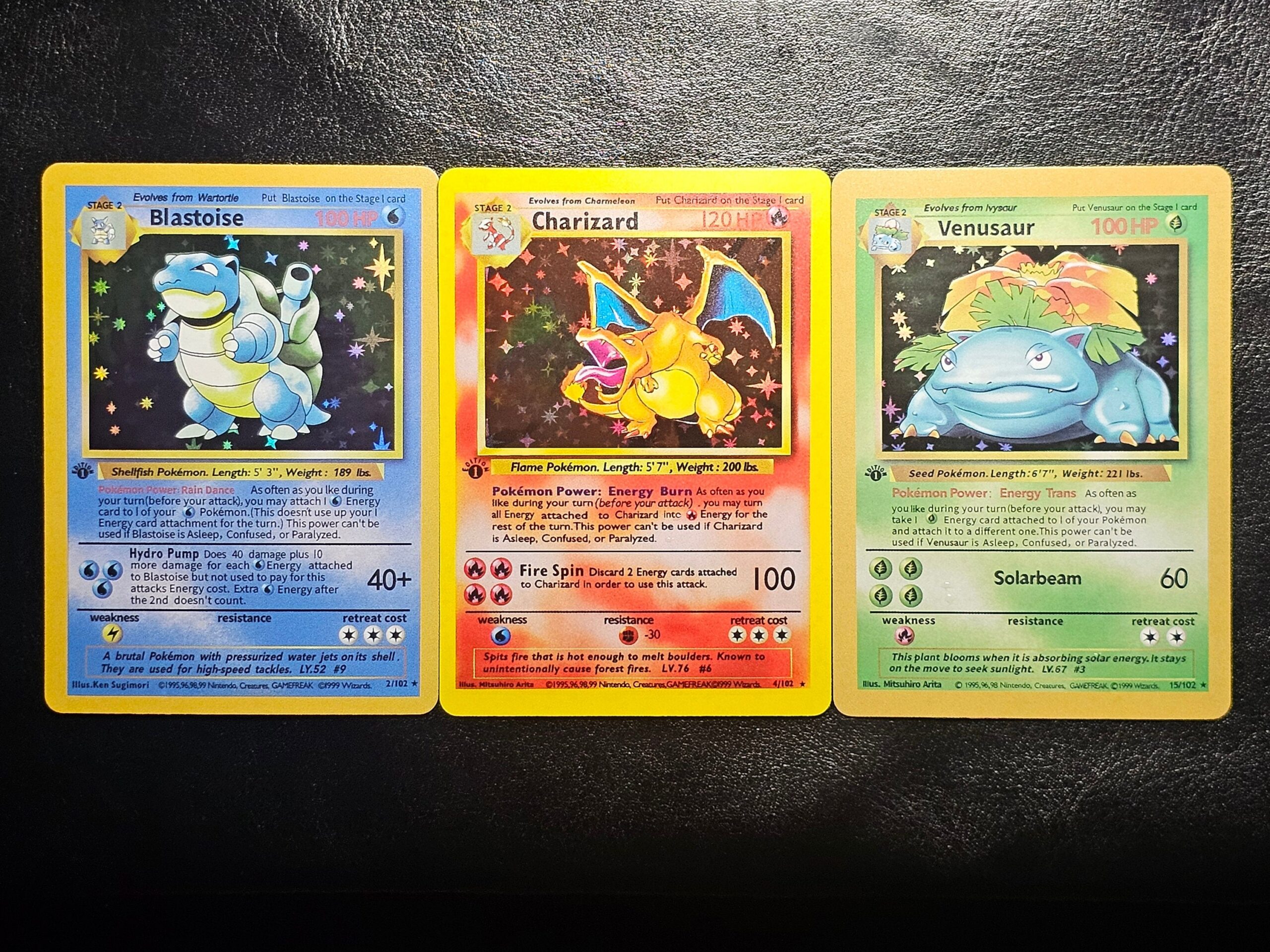
7. 1st edition holographic Blastoise or Venusaur cards (1999, £20,000 to £80,000+)
Beyond Charizard, the remaining Kanto starter evolutions represent significant financial collectables. A 1st Edition Venusaur or Blastoise from the 1999 Base Set in a PSA 10 grade records valuations ranging from £20,000 to over £80,000. As the final evolved forms of the core starter characters from the original Game Boy titles, these cards maintain strong historical demand.
Credit: Etsy
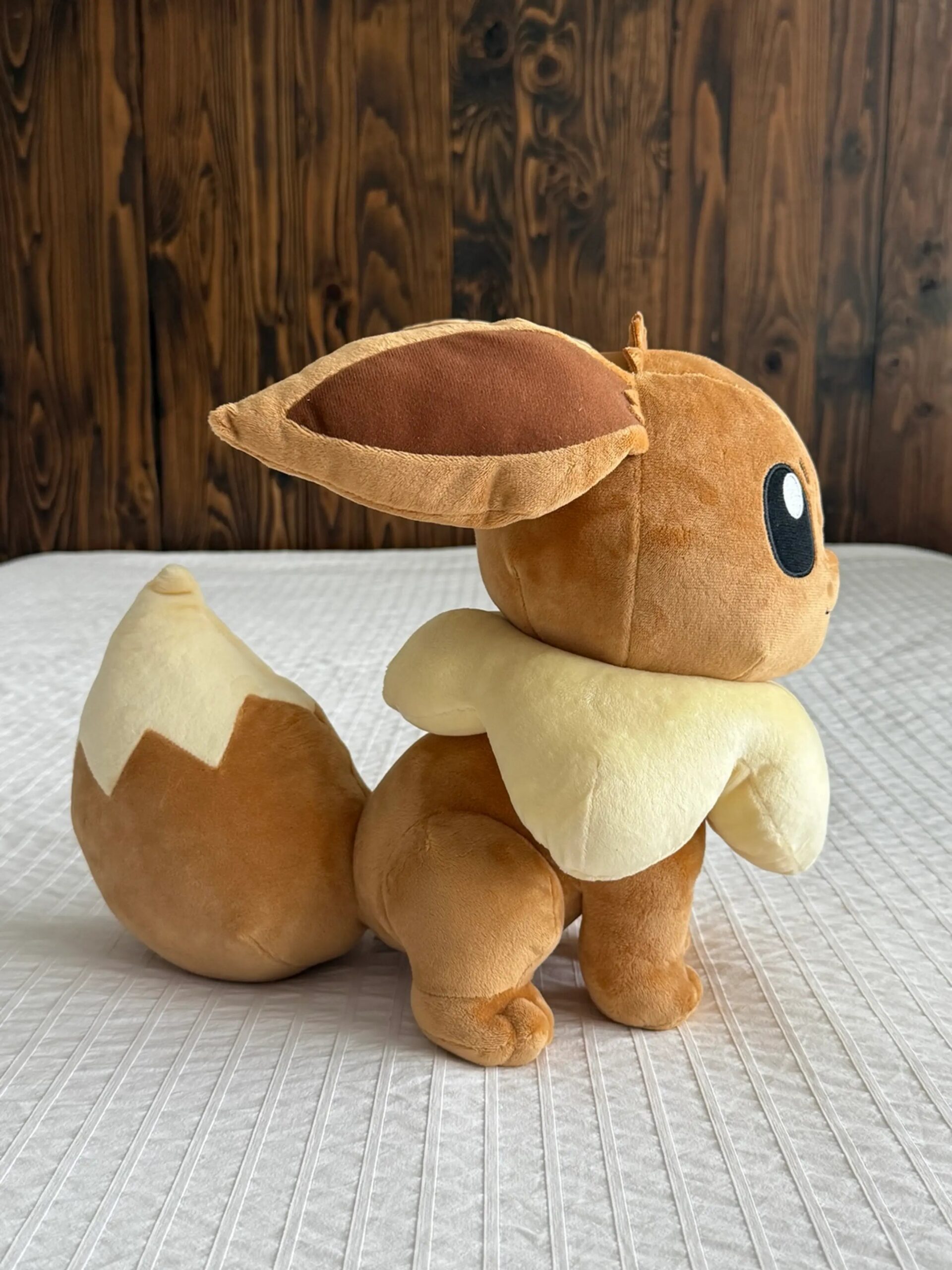
8. Banpresto giant Eevee plush (2012, £3,000+)
Promotional plush figures distributed through Japanese store lotteries represent a dedicated collector sub-market. This oversized Eevee was produced in limited numbers as a lottery prize during the Japanese “I Love Eevee” campaign in 2012. Surviving examples that retain their original printed manufacturer tags and undamaged fabric command valuations between £3,000 and £4,000.
Credit: Etsy
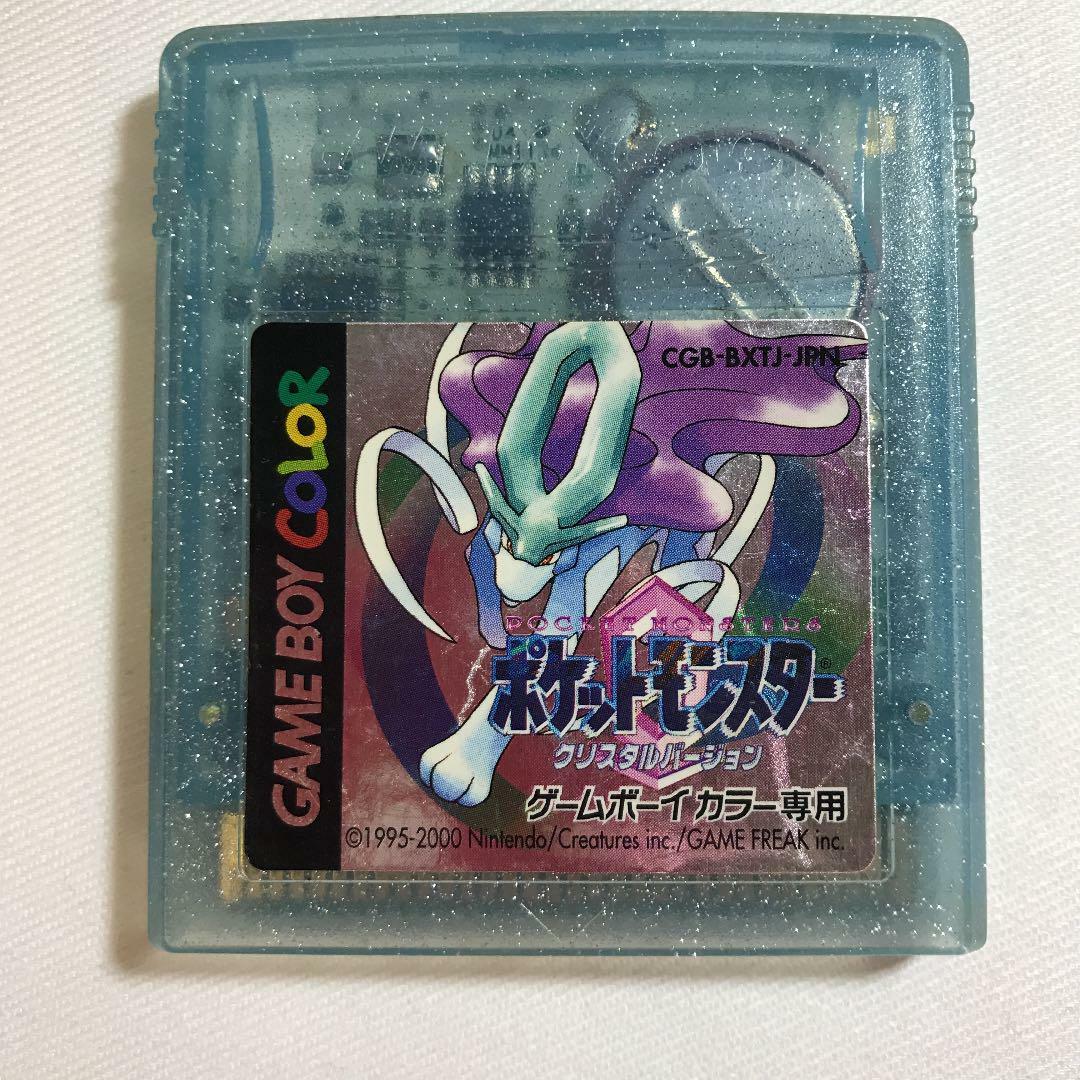
9. Pokémon Crystal Version for Game Boy Color (2001, £3,000+)
Serving as the definitive version of the Generation II handheld titles, Pokémon Crystal was distributed in a distinctive glittery blue cartridge. While loose cartridges with functional save batteries are valued at £110 to £130, factory-sealed examples in original cardboard packaging frequently achieve over £3,000 at auction, supported by demand for complete handheld software libraries.
Credit: eBay
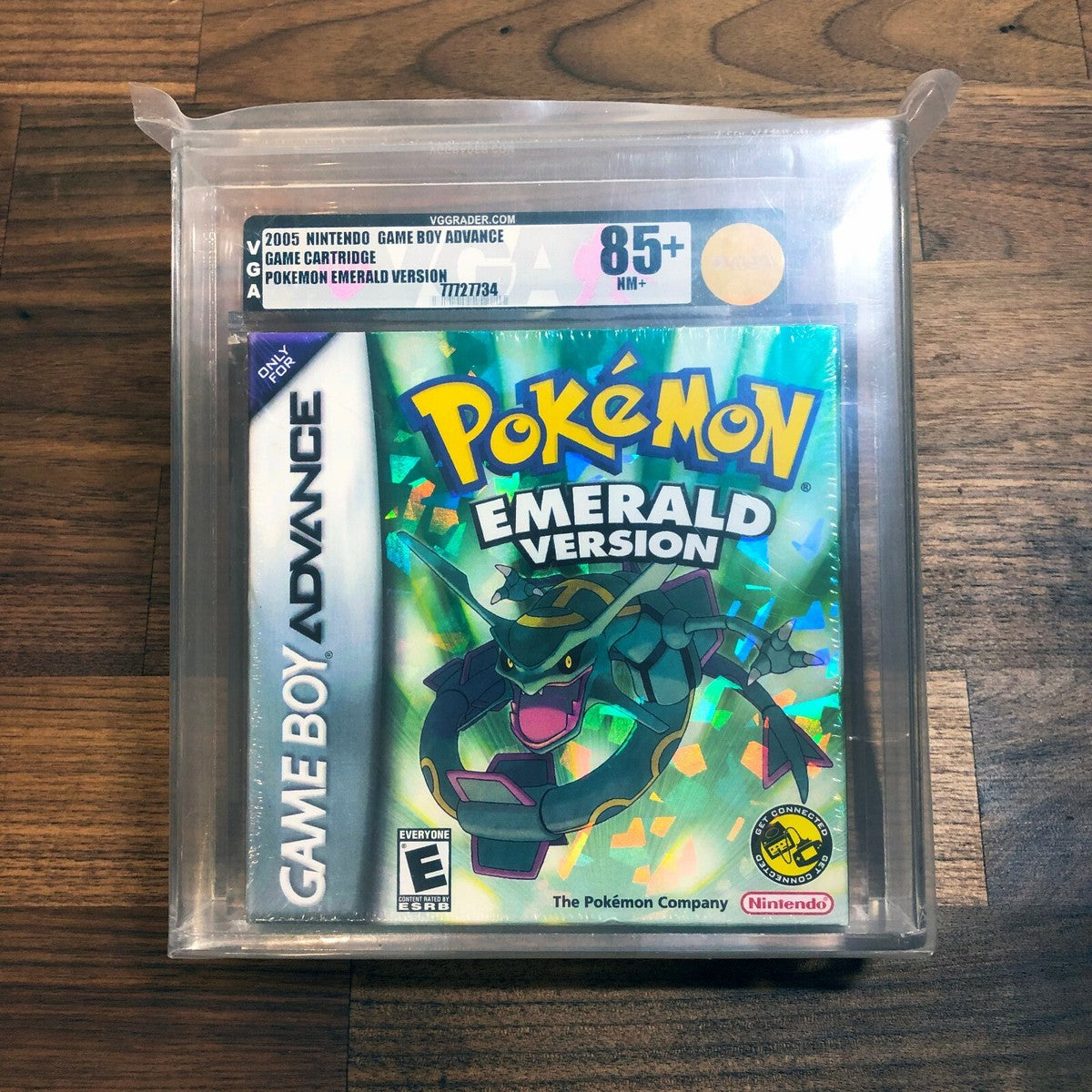
10. Pokémon Emerald Version (Game Boy Advance, 2005, £2,000+)
Pokémon Emerald introduced the Battle Frontier facility and stands as the highest-valued standard software release on the Game Boy Advance system. A complete-in-box copy retaining its original instruction manual is valued at £400 to £450, whereas factory-sealed examples command £2,000 to £3,200+ at auction. UK-exclusive carrying-case bundles in sealed condition record significantly higher valuations.
Credit: eBay
The history of Pokémon and Nintendo
The franchise originated with Japanese video game designer Satoshi Tajiri. Growing up in Machida near Tokyo during the late 1960s, Tajiri spent his youth collecting insects in rural green spaces. As rapid urban development reduced local wildlife habitats, he conceptualised a video game that would allow urban consumers to experience catching, cataloguing, and trading creatures.
Alongside illustrator Ken Sugimori, Tajiri established the development studio Game Freak and pitched the concept to Nintendo. With guidance from game designer Shigeru Miyamoto, the project underwent a six-year development cycle before launching in Japan in February 1996 as Pocket Monsters Red and Green for the Game Boy.
The core software design relied on the Game Boy Link Cable, allowing consumers to trade version-exclusive monsters between cartridges. When the franchise expanded internationally in 1998 alongside an animated television broadcast, a trading card game, and licensed merchandise, it established a significant global market share.
Today, Pokémon represents one of the highest-grossing media properties globally, demonstrating how early handheld game design evolved into an established sector within the international collectables market.